Why These Worksheets Match 4th Grade Science
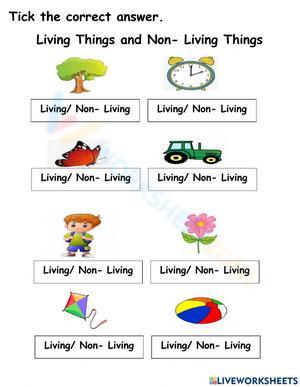
Teachers searching for living and non living things pdf worksheets for 4th grade usually need more than a simple cut-and-sort page. At this level, students are expected to explain their thinking, connect classification to habitats and ecosystems, and use science language with more accuracy. That means the best printable set should help students identify examples, justify why an item is living or nonliving, and notice how living things depend on air, water, light, and soil.
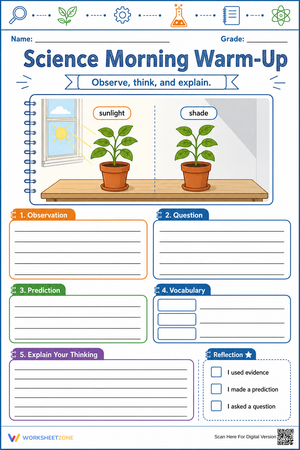
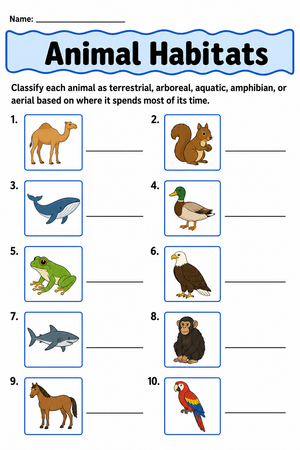
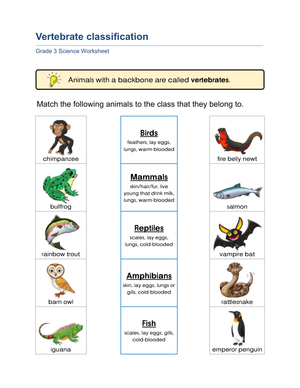
Worksheetzone resources fit that classroom need because they are easy to print, quick to assign, and flexible enough for centers, homework, morning work, or a short science review. In a 4th grade block, these PDFs work best when they move from picture recognition to reasoning. Students may begin by sorting familiar objects, then shift to prompts that ask what life processes an organism carries out and which nonliving parts of an environment help it survive.
What Students Should Understand Before They Sort
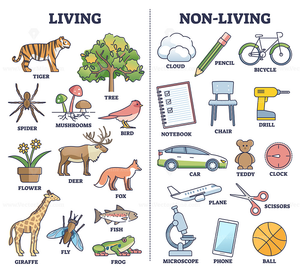
Before students complete a worksheet independently, it helps to set a shared definition. Living things are organisms that carry out life processes. In practical 4th grade terms, that means they grow, use energy, respond to their environment, and reproduce. Nonliving things do not perform those processes on their own, even if they move, break apart, or change shape because of weather, gravity, heat, or people.
A strong teaching move is to give students a 4-part test before the first worksheet: Does it grow? Does it need energy? Does it respond to its surroundings? Can its kind reproduce? That quick check keeps students from relying on movement alone, which is where many sorting errors start. It also gives intervention groups a repeatable routine they can carry from one PDF page to the next.
Britannica Kids: living thing describes living things as organisms that grow, use energy, respond to surroundings, and reproduce. For teachers, that 4-part check is a better classroom anchor than asking whether something moves, because clouds, machines, and rolling objects can move without being alive.
Tricky Examples Deserve Direct Teaching
Fourth graders often do well with obvious examples such as dogs, trees, rocks, and pencils. The misunderstanding shows up with edge cases. A strong worksheet set should include items such as seeds, dead leaves, fire, clouds, shells, and wooden furniture so students have to explain their reasoning instead of guessing from appearance.
These examples improve discussion because they expose different kinds of confusion. A seed is living even when it looks inactive. A dead leaf is once-living, but it is not currently carrying out life processes. Fire may spread, but it is not an organism. A cloud changes shape and moves, but outside forces explain that change. When students write one sentence to defend each choice, teachers get much clearer formative data than they get from sorting alone.
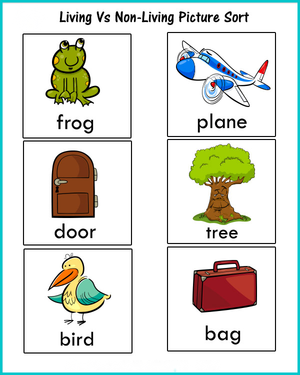
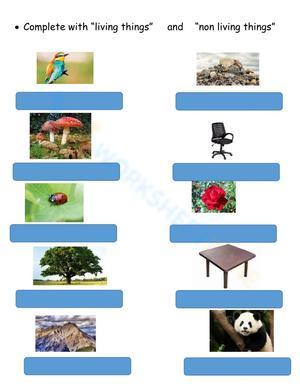
- Use picture cards for first-pass classification.
- Follow with a short written reason for two or three challenging items.
- Ask partners to disagree respectfully and support answers with life-process evidence.
Why Ecosystem Connections Matter in Grade 4
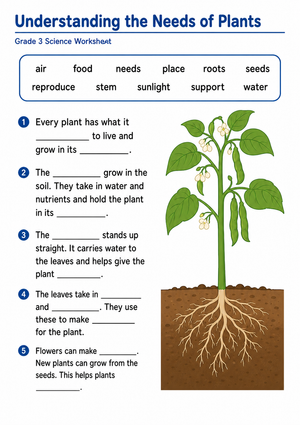
Living and nonliving classification becomes more meaningful when students connect it to ecosystems. In 4th grade science, students are often moving beyond naming objects and toward understanding relationships. A plant is living, but its survival depends on nonliving factors such as sunlight, water, air, and soil. An animal is living, but its habitat also includes temperature, shelter space, and access to water.
National Geographic Education: Abiotic Factors gives teachers a useful bridge here by naming nonliving parts of ecosystems that shape where organisms live. That matters because many students can sort a fish as living, yet still struggle to explain why water is not living even though the fish cannot survive without it. A worksheet that pairs organisms with the nonliving factors they need turns a basic sort into a stronger science task.
Classroom Implementation
These PDFs are easy to fit into a real teaching week. On Monday, use a picture sort as a warm-up after introducing vocabulary. On Tuesday, assign a page with written justifications during science centers. On Wednesday, use a mixed list for homework or independent practice. By Thursday, students are ready for a short review page that includes both simple items and a few tricky examples. On Friday, an exit ticket can check whether students can explain how a living thing depends on nonliving parts of its habitat.
A good routine is to keep the pages short and consistent. If each worksheet has one main job, teachers can scan it quickly and know what data they are collecting. One page might check classification. Another might check explanations. Another might check ecosystem connections. That structure makes the set more usable for whole-group instruction, reteach groups, and makeup work because each PDF has a clear purpose.
Worksheetzone materials are especially useful when you need quick prep without lowering the level of thinking. A black-and-white printable can still support discussion, writing, and evidence-based explanations if the prompts are chosen well. For a stronger assessment move, ask students to circle living and nonliving items first, then star the two items they think classmates are most likely to misunderstand. That extra step reveals confidence and misconception patterns at the same time.
Ways To Differentiate the Same PDF Set
Differentiation also works well by changing how many items students must justify. Every student can sort 12 pictures, but only some students may need to write reasons for all 12. Others may only explain 3 or 4 selected items. That keeps the science goal consistent while making the workload more realistic for intervention, English learner support, or fast finisher extension.
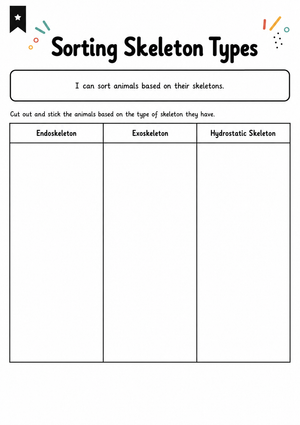
- Use cut-and-paste sorting for students who need visual scaffolds.
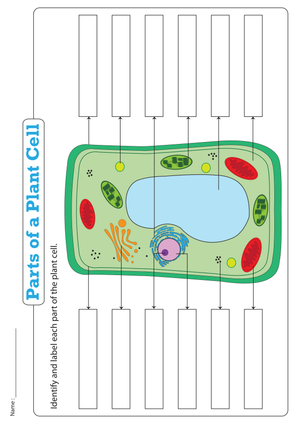
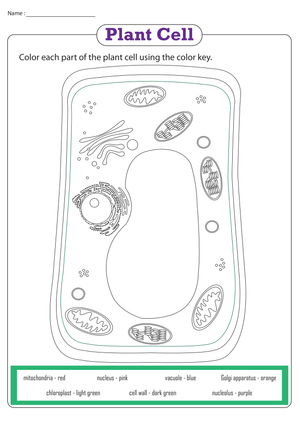
- Use labeling pages for students who are ready to identify features independently.
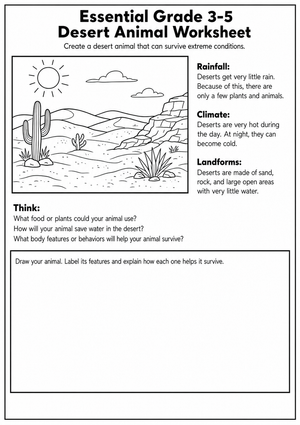
- Use short response prompts for students who need to explain evidence in writing.
- Use mixed ecosystem examples for enrichment and partner talk.
Frequently Asked Questions
1. What should 4th graders know about living and nonliving things?
By 4th grade, students should do more than sort pictures. They should explain at least 4 life-process ideas: growth, energy use, response to the environment, and reproduction. They should also understand that living things depend on nonliving factors such as water, air, light, and soil in their habitats.
2. How do you explain living, nonliving, and once-living items?
A simple 3-part classroom explanation works well: living things carry out life processes now, nonliving things never did, and once-living items came from something alive but are not alive now. Using 3 categories helps students talk through examples like dead leaves, shells, paper, or wooden objects with better precision.
3. How can teachers use these worksheets for assessment?
Use the first PDF as a low-stakes review, then save a second page for formative assessment. A strong check includes 2 parts: classification and written reasoning. When students must justify even 2 or 3 answers, teachers can spot whether errors come from vocabulary gaps, overreliance on movement, or confusion about ecosystems.
4. What are good tricky items for class discussion?
Good discussion items include seeds, fire, clouds, dead leaves, shells, and wood products. These work because students often notice only 1 feature, such as movement or origin. Including 4 to 6 tricky items across a worksheet set usually creates better partner talk, richer explanations, and more accurate science language.












 Interactive Worksheet Maker
 Quiz Maker
 Word Search Maker
 Crossword Puzzle Maker
 Word Scramble Generator
 Sentence Scramble Generator
 Handwriting Worksheet Generator
 Name Tracing Generator
 Fill In The Blank Generator