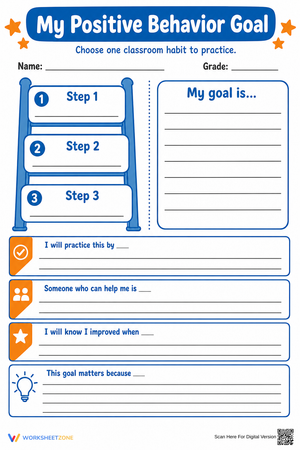
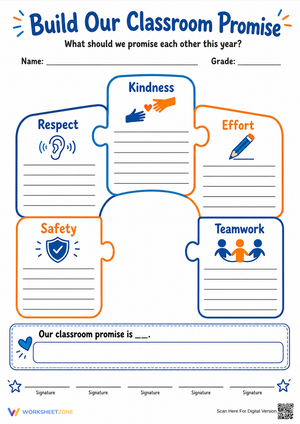
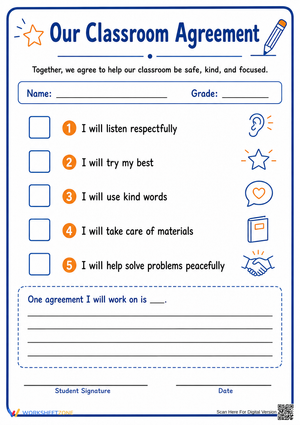
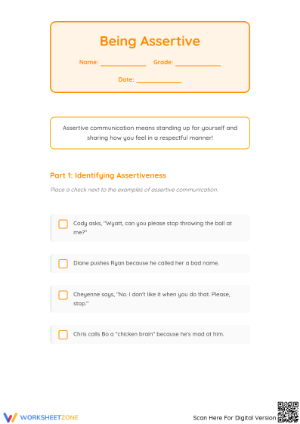
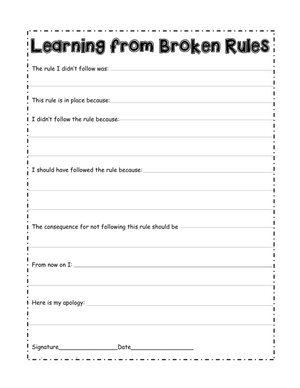
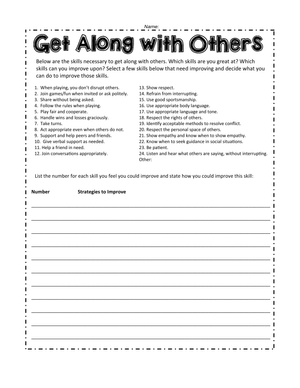
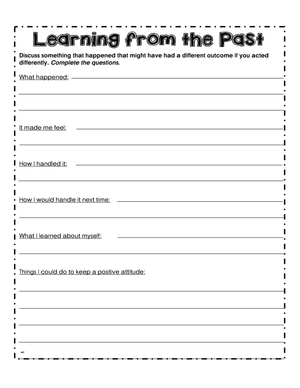
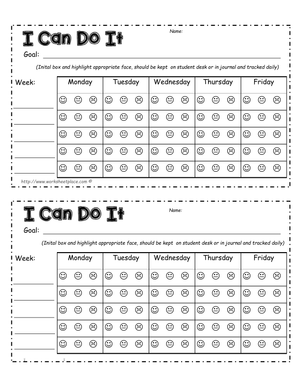
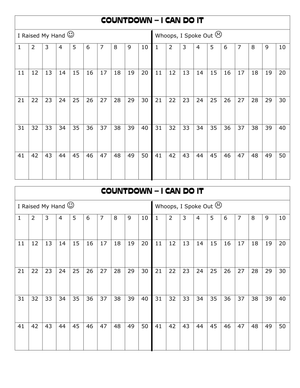
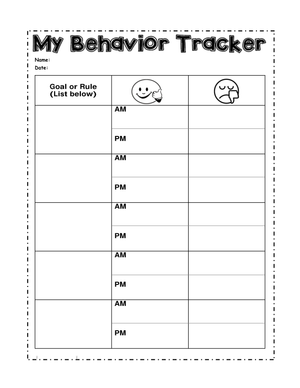
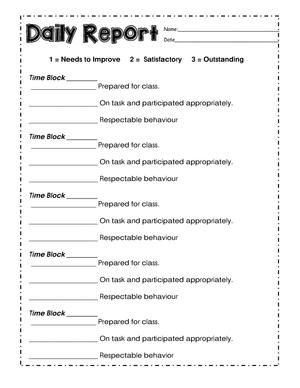
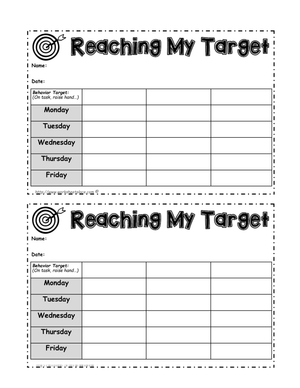
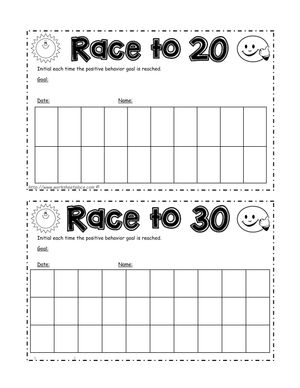
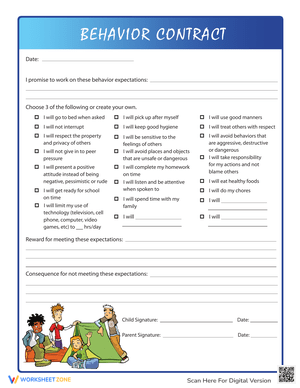
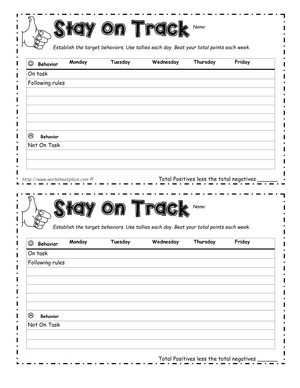
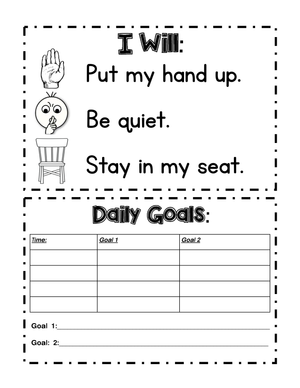
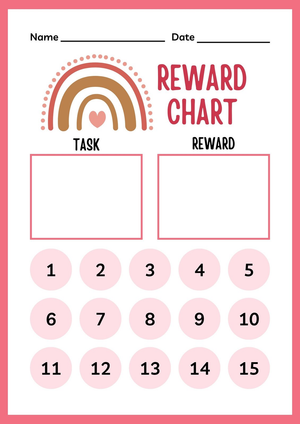
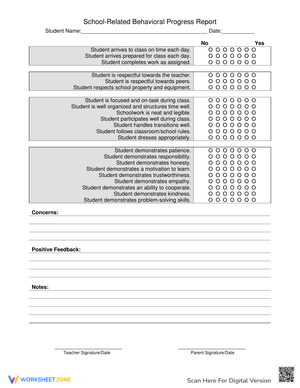
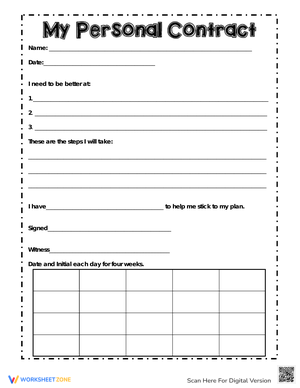
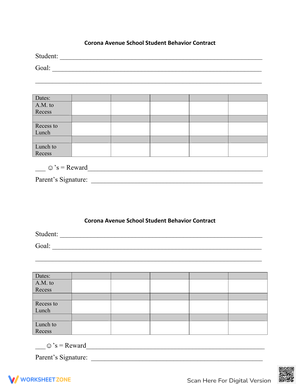
When a student is not responding to whole-class management strategies, a printable behavior contract gives you a documented, individualized plan to fall back on. Instead of repeating verbal reminders, you and the student agree on a specific target behavior, a way to track progress, and what happens when the goal is met. For a class with one or two students who need more structure than the rest of the room, a printable contract worksheet turns a vague expectation into something you can both point to and review.
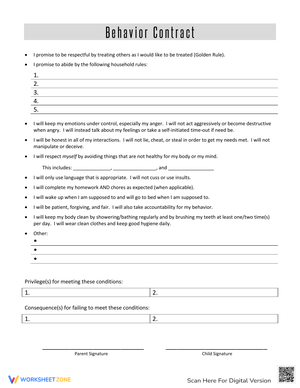
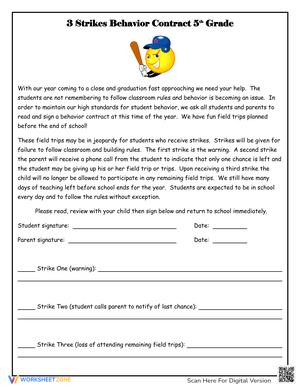
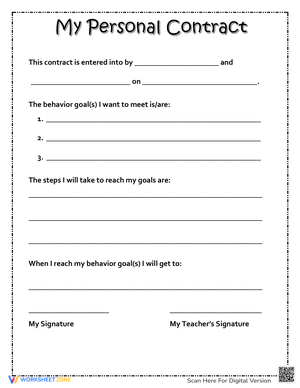
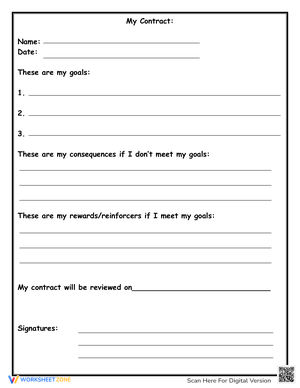
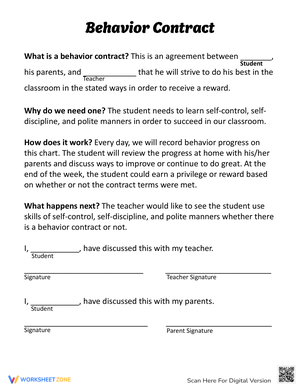
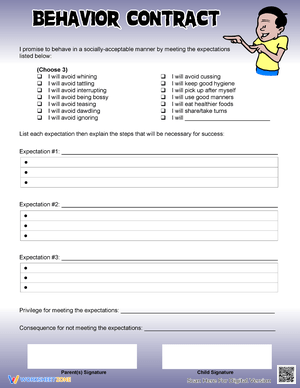
A usable contract worksheet needs a few core parts: a clearly defined target behavior, the minimum condition for earning a point or token, the way that point gets redeemed for a reward, and a signature line for the student and teacher. Some teachers also add a caregiver line so the agreement travels home. Skipping any of these pieces tends to create confusion later, since the student and adults involved need a shared, written reference for what counts as success on a given day.
The target behavior line is where most contracts fall apart if it is not specific. 'Be respectful' is not measurable, but 'raise hand and wait to be called on before speaking' is something a student can self-monitor and something you can score consistently across a week.
Writing a Specific, Measurable Target Behavior
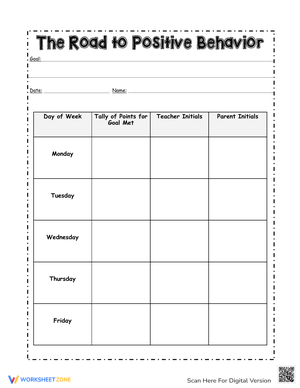
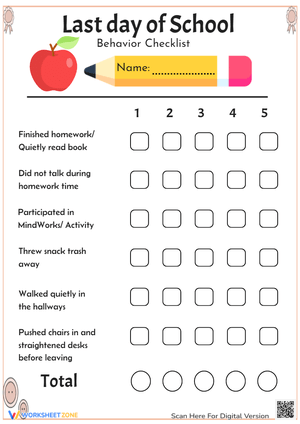
Before filling out a printable template, define the behavior in terms a student can act on immediately. Replace broad goals like 'stay on task' with something observable, such as 'remain in seat during independent math work' or 'turn in homework by 8:30 am.' A measurable target also makes it easier to fill in the tracking boxes on the worksheet honestly, since there is less room for disagreement about whether the goal was met.
One detail that often gets missed: the target behavior should describe what the student does, not what they stop doing. A contract built around 'complete and turn in the daily exit ticket' gives a student something concrete to work toward, while a contract built around 'stop being disruptive' leaves the standard open to interpretation on a hard day.
Where Behavior Contracts Fit in a Tier 2 PBIS Plan
Behavior contracts are commonly used as a Tier 2 intervention inside a PBIS (Positive Behavioral Interventions and Supports) framework, meaning they are meant for students who have not responded to Tier 1, whole-class strategies. Practitioner guidance from sources like PBIS World and PENT recommends introducing a contract only after simpler classroom management tools have already been tried, rather than reaching for one as a first response to misbehavior.
That sequencing matters for documentation too. If a student is later referred for additional support, having a printable contract with dated entries shows that you tried a structured, individualized intervention before escalating. Keep copies in a behavior folder or intervention binder so the history is easy to pull together.
Bringing Families Into the Agreement
A behavior contract that only lives in the classroom loses some of its power. Sending the printable worksheet home for a caregiver signature, and asking for a daily initial once the family has seen the tracking sheet, extends the reinforcement beyond the school day. This is especially useful for behaviors tied to homework completion or morning routines, where family follow-through directly affects whether the student meets the goal.
When you introduce the contract, briefly explain the target behavior and reward system to the caregiver in the same terms used on the worksheet, so everyone at home and school is reinforcing the same expectation.
Classroom Implementation
Start by choosing one target behavior, not three or four, so the student is not overwhelmed by the plan. Meet with the student privately to introduce the contract, read through each part together, and have them help select the reward if possible, since buy-in improves follow-through. Post or store the tracking sheet somewhere private but accessible, such as inside a folder on the student's desk, so checking in does not draw attention from classmates.
Set a review date on the contract itself, typically one to two weeks out, so you are not running the same plan indefinitely without checking whether it is working. If the student is consistently meeting the goal, consider raising the bar slightly or spacing out the reward schedule. If they are not meeting the goal after a fair trial, revisit whether the target behavior was realistic or whether a different intervention is needed.
Frequently Asked Questions
1. What should be included in a printable behavior contract for the classroom?
A usable contract includes a specific, measurable target behavior, the minimum condition for earning a point or token, how that point converts into a reward, and signature lines for the student, teacher, and often a caregiver.
2. At what grade level should teachers start using behavior contracts?
Practitioner guidance suggests behavior contracts generally work best starting around second grade, since younger students may not yet understand delayed rewards well enough for a formal contract to be effective.
3. How do behavior contracts fit into a PBIS or Tier 2 intervention plan?
Behavior contracts are commonly used as a Tier 2 PBIS intervention for students who have not responded to Tier 1 whole-class strategies, and guidance recommends trying simpler classroom tools first before introducing a formal contract.
4. How often should a teacher review or revise a student's behavior contract?
Set a review date directly on the contract, often one to two weeks out, and use the attached tracking sheet to decide whether to raise the goal, adjust the reward, or try a different approach.
5. Should parents or caregivers sign off on a classroom behavior contract?
Yes, sending the printable contract home for a caregiver signature helps extend reinforcement beyond the classroom and keeps the family informed of the target behavior and reward structure.












 Interactive Worksheet Maker
 Quiz Maker
 Word Search Maker
 Crossword Puzzle Maker
 Word Scramble Generator
 Sentence Scramble Generator
 Handwriting Worksheet Generator
 Name Tracing Generator
 Fill In The Blank Generator