What helps a student feel ready to learn? Sometimes the answer is not another assignment, a longer lecture, or a stricter routine. Sometimes it begins with basic needs: feeling safe, rested, supported, respected, and capable. Maslow's hierarchy of needs worksheets give students a thoughtful way to explore these layers of human motivation. By using guided prompts, diagrams, and reflection questions, learners can better understand how physical needs, safety, relationships, confidence, and personal growth all connect to learning and daily life.
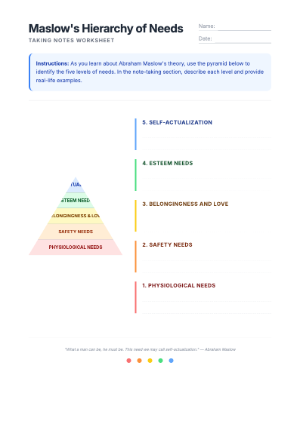
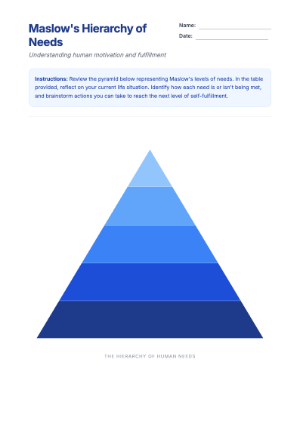
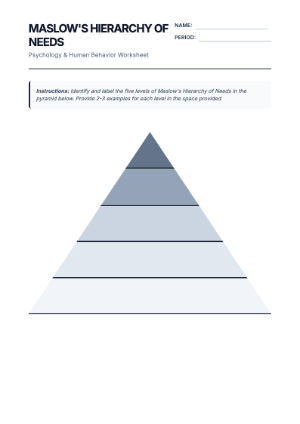
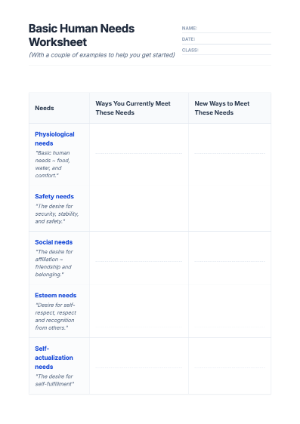
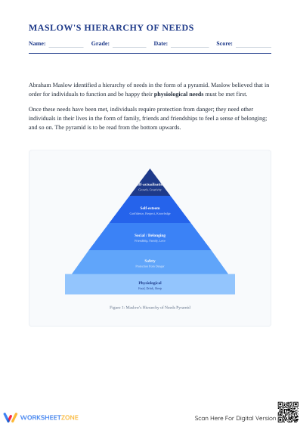
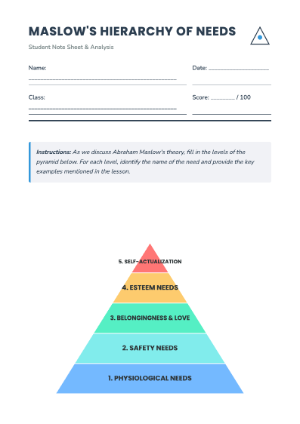
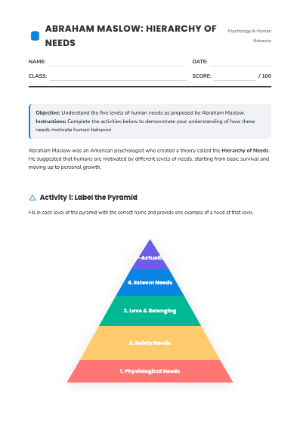
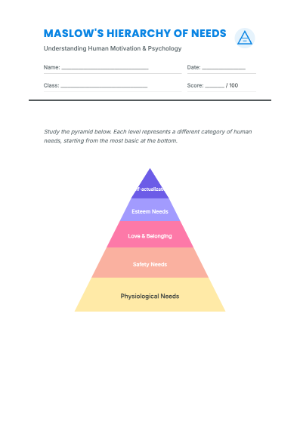
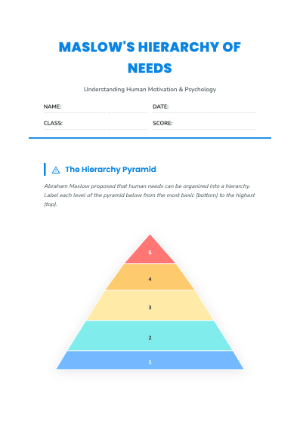
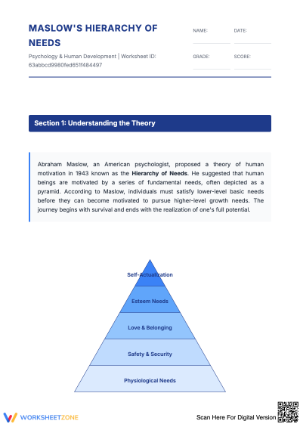
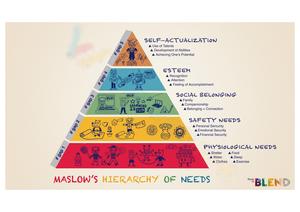
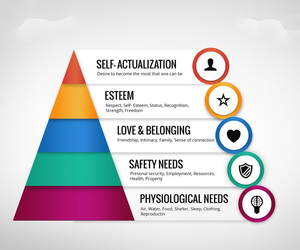
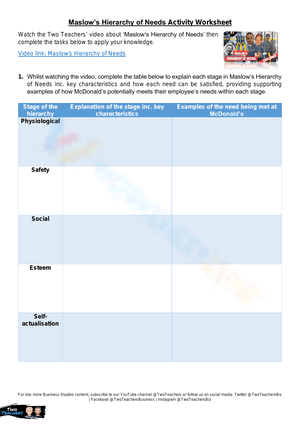
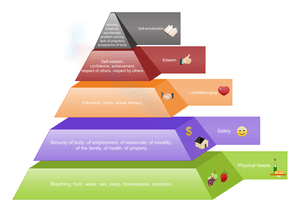
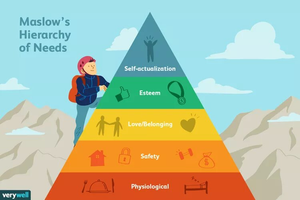
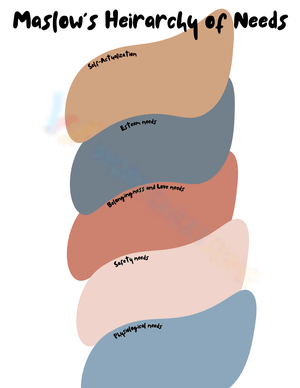
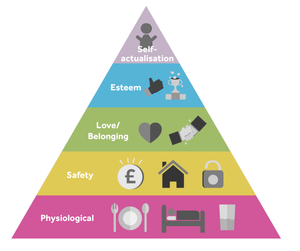
Maslow’s model is often shown as a pyramid, starting with physiological needs such as food, water, sleep, and shelter. The next levels include safety, love and belonging, esteem, and self-actualization. For students, these ideas become more meaningful when they are connected to real situations. A worksheet might ask learners to think about what helps them feel safe at school, how friendships affect their mood, or what makes them feel proud of their effort. This turns an abstract psychology concept into a personal reflection activity students can actually relate to.
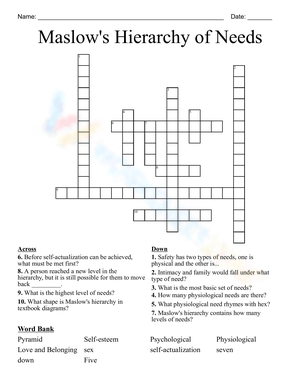
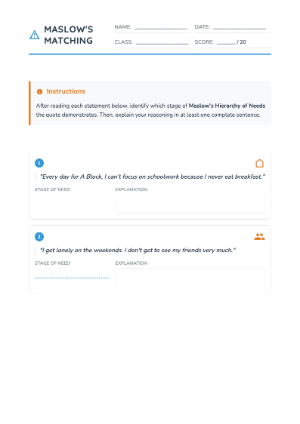
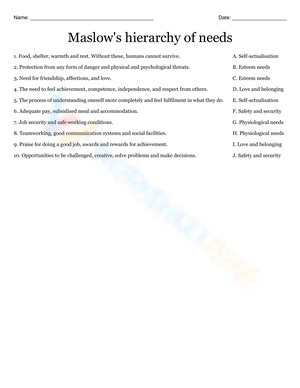
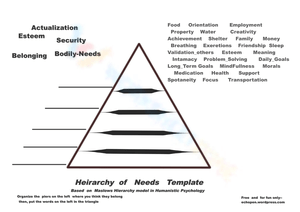
Teachers can use Maslow's hierarchy of needs worksheets in psychology, health, advisory, counseling, social studies, or character education lessons. They also fit naturally into classroom conversations about motivation, goal setting, behavior, and emotional well-being. Students may label the pyramid, match examples to each level, write about their own needs, or analyze how a fictional character moves through the hierarchy. For broader classroom support, teachers can pair these activities with social emotional learning resources to help students build self-awareness and responsible decision-making skills.
These worksheets can also help educators better understand student behavior. A learner who seems distracted may be tired or hungry. A student who avoids participation may not feel safe making mistakes. A child who acts out may be looking for belonging or recognition. While worksheets cannot solve every challenge, they can open the door to calmer conversations. They give students language for needs that are often difficult to explain and help teachers create more supportive classroom environments.
Worksheetzone’s Maslow's hierarchy of needs worksheets are designed to make reflection clear, structured, and age-appropriate. They can be used as warm-ups, journal prompts, group discussions, counseling tools, homework, or lesson extensions. Whether students are learning about human motivation for the first time or applying the pyramid to real-life examples, these worksheets help them think more deeply about what people need to feel secure, connected, confident, and ready to grow.
Frequently Asked Questions
Question 1: What do students learn from Maslow's hierarchy of needs worksheets?
Students learn about the five main levels of human needs: physiological needs, safety, love and belonging, esteem, and self-actualization. They also practice connecting these levels to real-life examples, classroom behavior, personal goals, emotions, and motivation.
Question 2: What grade levels are these worksheets best for?
These worksheets are most useful for upper elementary, middle school, and high school students. Younger learners can work with simple examples and matching activities, while older students can analyze personal experiences, fictional characters, social situations, or psychology concepts in more depth.
Question 3: How can teachers use these worksheets in class?
Teachers can use them for psychology lessons, health units, advisory periods, social-emotional learning, counseling groups, journal writing, or character education. They work well as discussion starters because students can reflect quietly first, then share ideas in pairs, groups, or whole-class conversations.
Question 4: Why is Maslow’s hierarchy useful for student learning?
Maslow’s hierarchy helps students understand that learning is affected by more than academic ability. Basic needs, emotional safety, friendships, confidence, and personal purpose all influence focus and motivation. When students recognize these connections, they can better understand themselves and others.












 Interactive Worksheet Maker
 Quiz Maker
 Word Search Maker
 Crossword Puzzle Maker
 Word Scramble Generator
 Sentence Scramble Generator
 Handwriting Worksheet Generator
 Name Tracing Generator
 Fill In The Blank Generator