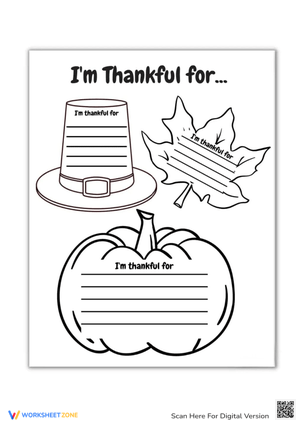
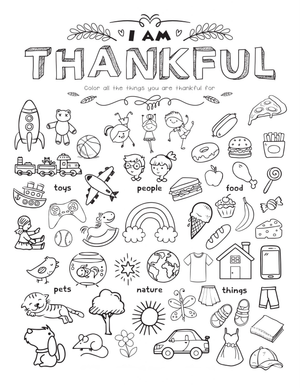
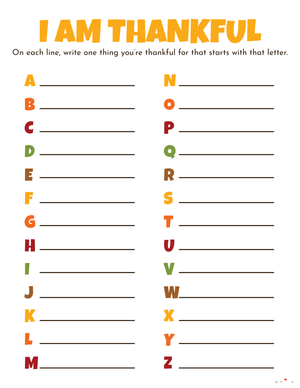
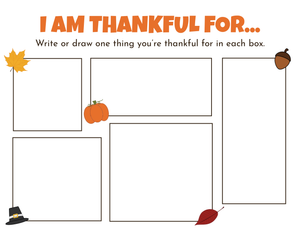
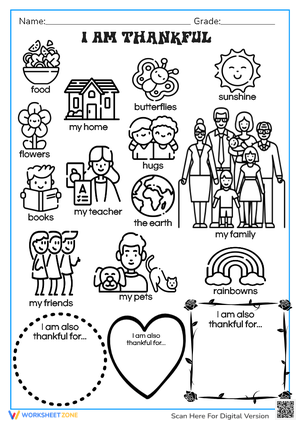
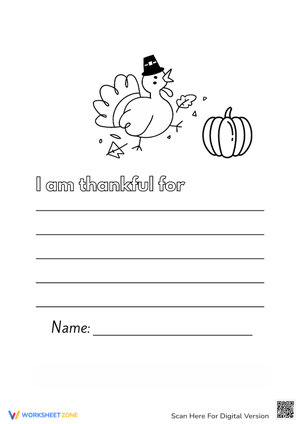
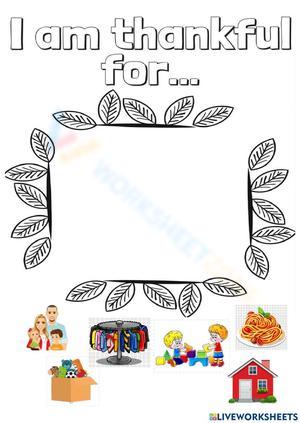
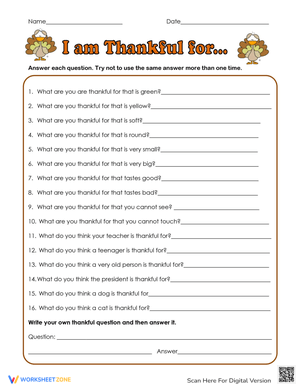
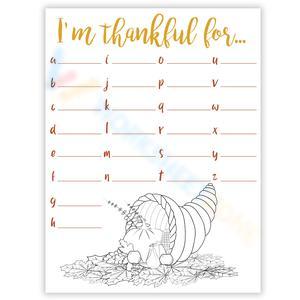
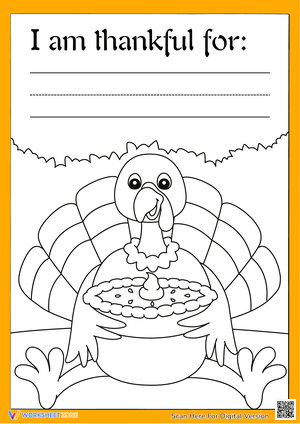
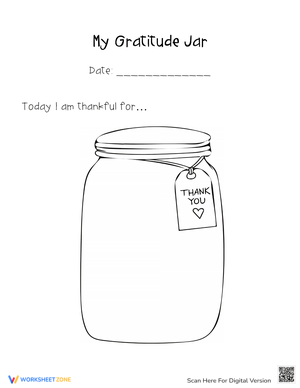
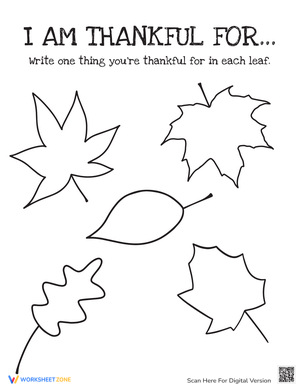
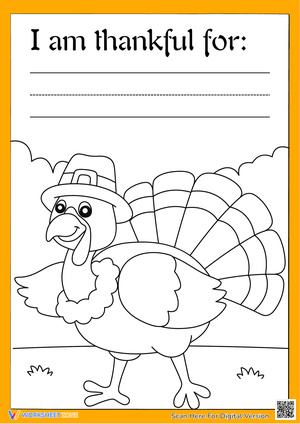
When you search for I am thankful for worksheets, you are probably picturing a November bulletin board. But teachers who use these prompts as a regular part of morning meeting, calm-down routines, or behavior support plans get far more value out of them than a one-time seasonal craft. A short, structured gratitude prompt gives students a low-stakes way to reflect on relationships, notice positive moments, and practice naming their feelings in writing or drawing. For a K-5 classroom, that combination of routine and reflection is exactly what a behavior-focused worksheet set should deliver.
Gratitude practice is fundamentally an exercise in perspective-taking: recognizing what someone else has contributed requires a student to briefly step outside their own perspective and consider another person's actions or intentions. That framing matters for how you introduce an I am thankful for worksheet: it is not just a writing exercise, it is a perspective-taking exercise, which is exactly the skill many behavior plans are trying to build.
Grade-Band Adaptations for the Same Prompt
One of the strengths of an I am thankful for worksheet is that the core prompt scales across grade bands without needing an entirely new resource.
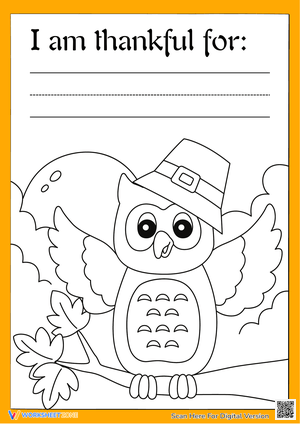
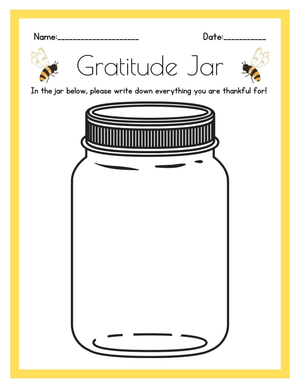
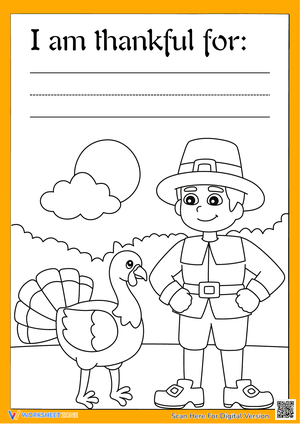
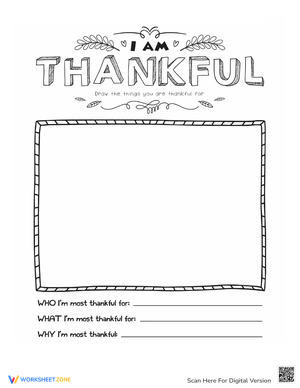
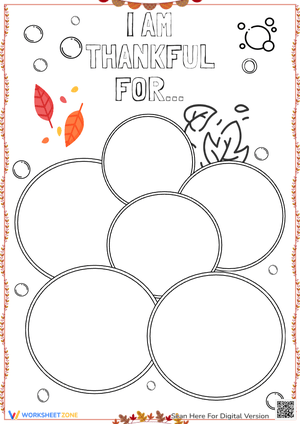
- Emerging writers (PreK-K): Students draw a picture of a person, place, or thing they are thankful for and label it with a word or short phrase, with teacher or peer support for spelling.
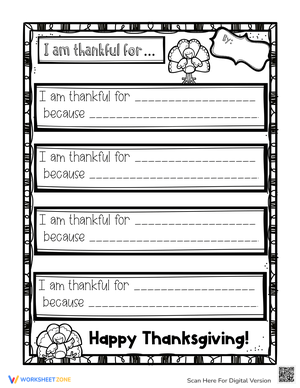
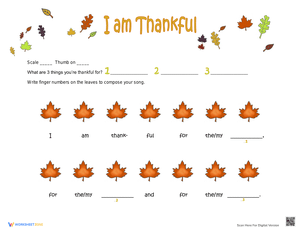
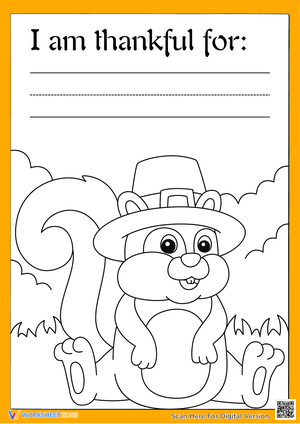
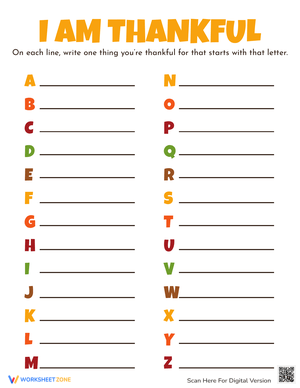
- Early elementary (1st-2nd grade): Sentence starters such as I am thankful for because give structure while still allowing personal responses.
- Upper elementary (3rd-5th grade): Students write a short paragraph explaining why something or someone matters to them, which opens the door to more detailed social-emotional reflection and can double as a writing fluency check.
Because the format stays consistent, you can differentiate within the same class period by handing out grade-appropriate versions of the same core prompt rather than managing several unrelated activities.
Building Classroom Community Through Shared Reflection
Gratitude reflection helps students connect their own behavior to its impact on other people, which is a core piece of classroom community building. When a student writes that they are thankful for a classmate who helped them during a tough moment, that response reinforces prosocial behavior for both the writer and, if shared aloud, the classmate being named. Over a semester, a classroom that regularly names what students appreciate about one another tends to see fewer low-level conflicts, since students are practicing recognition and empathy on a predictable schedule rather than only addressing conflict after it happens.
You can extend this by inviting a few students each week to read their response aloud during morning meeting, or by posting a rotating gratitude wall where entries change every week rather than staying static all year.
Classroom Implementation
To fold I am thankful for worksheets into your existing routines:
- Assign the prompt weekly during morning meeting rather than only in November, so students build the habit of reflection.
- Keep a folder or binder of past responses so students and families can see growth in writing detail and vocabulary over the year.
- Pair the worksheet with a one-minute share-out so students hear one another's responses and build classroom community.
- Offer the worksheet as a calm-down corner or small-group option for students working on behavior or emotional regulation goals.
- Scan completed worksheets briefly each week as an informal formative check on student wellbeing.
These small, repeatable steps turn a single printable into a sustained SEL and behavior support routine rather than a one-time seasonal activity.
Frequently Asked Questions
1. How can teachers use I am thankful for worksheets beyond Thanksgiving week
Use the same template weekly during morning meeting, as a calm-down corner option, or as a quick check-in tool in small-group and behavior intervention settings throughout the year.
2. What grade levels are I am thankful for worksheets appropriate for
The format works across PreK through 5th grade. Emerging writers draw and label a picture, early elementary students complete sentence starters, and upper elementary students write short paragraphs.
3. How do gratitude worksheets support SEL and behavior goals in the classroom
Gratitude worksheets strengthen social awareness: naming what someone else has contributed requires students to consider another person's perspective, which supports empathy and behavior goals tied to perspective-taking.
4. How often should teachers use gratitude prompts for the best impact
A 2022 review of 64 studies found gratitude practices improved mood and reduced anxiety and depression, benefits associated with repeated practice rather than a single seasonal use, so a weekly routine is more effective than a once-a-year activity.
5. Can gratitude worksheets be used in behavior intervention or small-group settings
Yes. The low-demand, positive framing makes them useful as a calm-down task or as an opening activity in small-group behavior support sessions, since they can lower resistance before a more direct conversation.












 Interactive Worksheet Maker
 Quiz Maker
 Word Search Maker
 Crossword Puzzle Maker
 Word Scramble Generator
 Sentence Scramble Generator
 Handwriting Worksheet Generator
 Name Tracing Generator
 Fill In The Blank Generator