The Importance of Emotional Literacy in Modern Classrooms
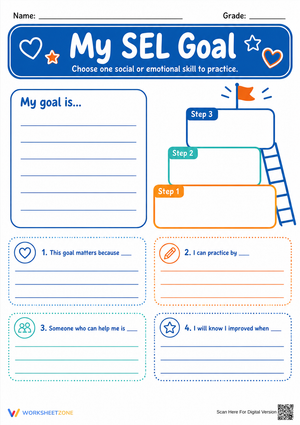
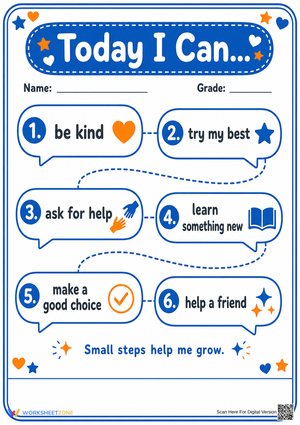
In the evolving landscape of education, teachers recognize that academic success is inextricably linked to emotional well-being. Using emotions and feelings printable worksheets resources allows teachers to bridge the gap between abstract internal states and concrete classroom behavior. These tools provide a structured way for students to identify, name, and manage their affective experiences, which is the foundation of self-regulation. When students possess a rich emotional vocabulary, they are better equipped to communicate their needs, resolve conflicts, and focus on their instructional tasks.
Worksheetzone offers a diverse range of printables designed to meet these needs across various grade levels. By integrating these resources into daily routines, teachers can create a supportive environment where emotional awareness is prioritized as highly as literacy or numeracy. This approach not only supports individual student growth but also contributes to a more harmonious and productive classroom culture.
The Science of Self-Regulation: Name It to Tame It
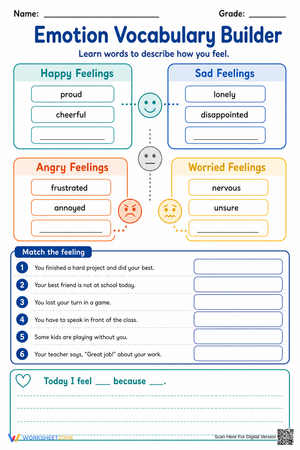
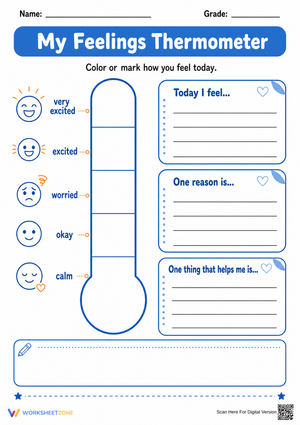
One of the most powerful concepts in social-emotional learning (SEL) is the 'Name it to Tame it' principle. This neurological strategy suggests that the simple act of labeling an emotion can reduce the physiological intensity of that feeling by shifting brain activity from the amygdala to the prefrontal cortex. Emotions and feelings printable worksheets assets serve as the primary vehicle for this transition in the classroom. By providing students with lists of feeling words and visual representations of emotions, teachers help them move from a state of emotional overwhelm to one of cognitive understanding.
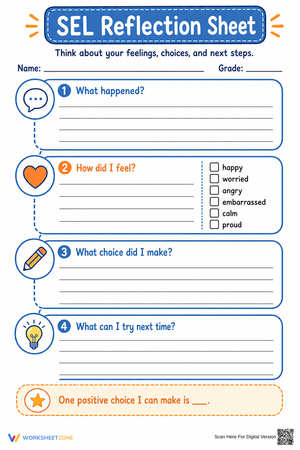
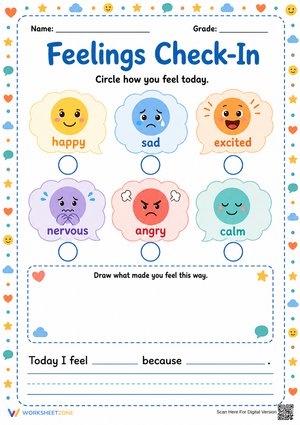
Integrating these worksheets into small-group interventions or whole-class lessons allows students to practice this skill in a safe environment. For example, a student who is experiencing frustration during a difficult math lesson might use a feelings check-in sheet to identify their state. Once the emotion is named, the student can then choose an appropriate coping strategy. This process transforms a potential behavioral outburst into a valuable learning moment about self-control and resilience.
Citing the Impact of SEL Programs: According to research highlighted by CASEL (Collaborative for Academic, Social, and Emotional Learning), students participating in evidence-based SEL programs show an average 11 to 13 percentile point gain in academic performance compared to peers who do not receive such instruction, illustrating the profound academic value of emotional support.
Expert analysis of long-term educational outcomes reveals that social-emotional skills measured as early as kindergarten are significant predictors of future success. Specifically, students with high SEL scores are twice as likely to graduate from college and significantly more likely to maintain full-time employment by age 25. This data underscores that emotions and feelings printable worksheets activities are not merely 'extra' work; they are essential investments in a child's lifelong trajectory.
Implementing the Zones of Regulation with Printables
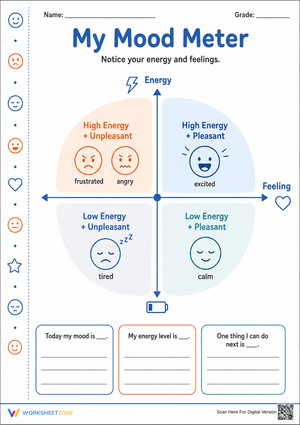
Many teachers find success by organizing their emotional curriculum around the Zones of Regulation framework. This system categorizes feelings into four color-coded zones: Blue (low energy/sadness), Green (calm/ready to learn), Yellow (high energy/frustration), and Red (out of control/anger). Using emotions and feelings printable worksheets materials that align with these zones helps students visualize their internal states and understand when they need to apply specific regulation tools.
- Blue Zone: Worksheets focusing on fatigue, sadness, or boredom, helping students identify when they need a 'spark' to re-engage.
- Green Zone: Reinforcing positive behaviors and identifying the feelings associated with focus and contentment.
- Yellow Zone: Early intervention activities that help students recognize the 'clues' of rising anxiety or frustration before they reach a boiling point.
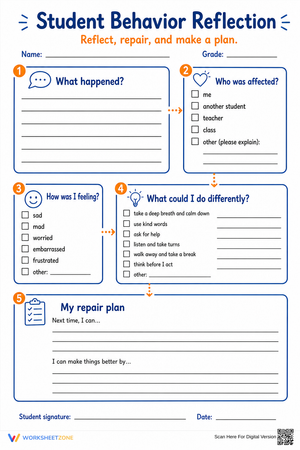
- Red Zone: High-intensity reflection tools used after a student has calmed down to process the event and plan for better outcomes in the future.
By using consistent visual aids from Worksheetzone, teachers can establish a common language for self-regulation that follows students throughout the school day. This consistency is particularly beneficial for students who struggle with transitions or who find it difficult to articulate complex feelings during moments of stress.
Scaffolding Social-Emotional Learning Across Grade Levels
The application of emotions and feelings printable worksheets resources must be developmentally appropriate to be effective. In early childhood settings, the focus is often on basic identification—recognizing happy, sad, angry, and scared faces. As students progress into middle school, the curriculum should shift toward more nuanced emotions like jealousy, disappointment, or feeling overwhelmed. Scaffolding this learning ensures that students continue to grow their emotional intelligence alongside their academic skills.
In primary grades, teachers might use 'Body Maps' to help kids identify the physical sensations associated with feelings, such as a racing heart when nervous or a tight stomach when angry. For older students, worksheets can focus on the connection between thoughts, feelings, and actions. This cognitive-behavioral approach helps adolescents understand how their internal monologue influences their emotional state and subsequent behavior.
Classroom Implementation: Daily Emotional Check-ins
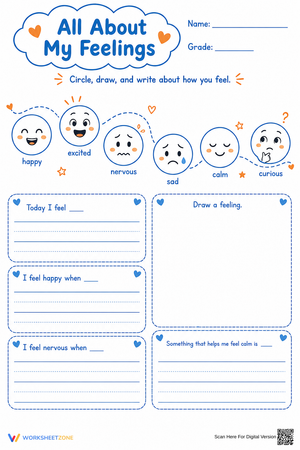
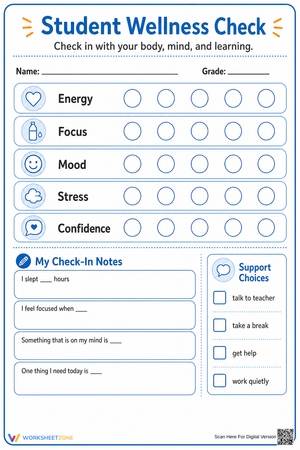
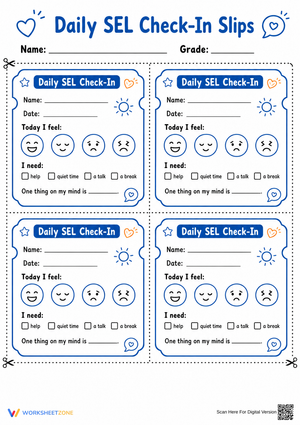
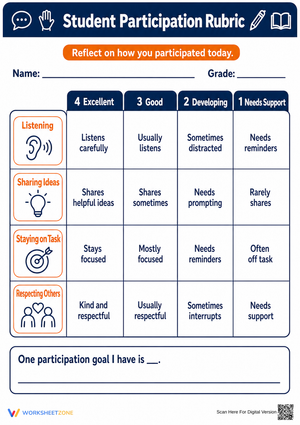
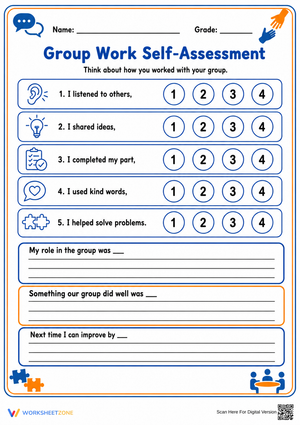
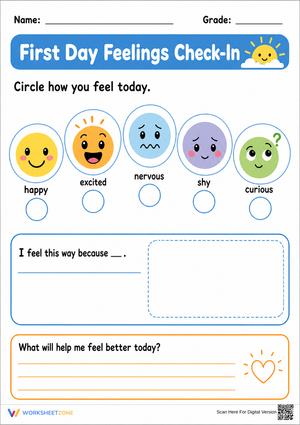
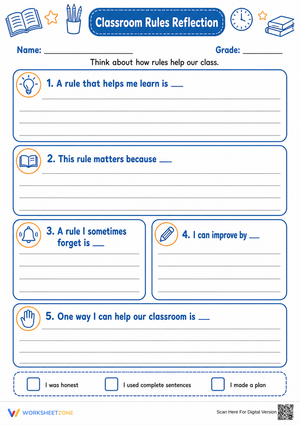
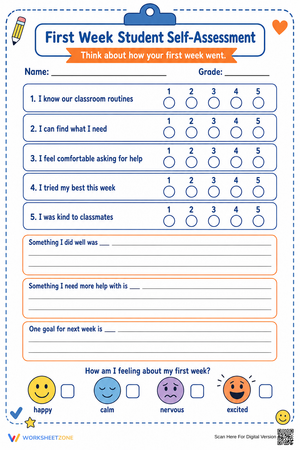
Successful SEL integration requires consistency rather than isolated lessons. A highly effective method for classroom implementation is the daily emotional check-in. At the start of each morning or during transition periods, teachers can provide a quick emotions and feelings printable worksheets sheet for students to complete. This five-minute routine encourages self-reflection and allows the teacher to gauge the emotional temperature of the room before starting academic instruction.
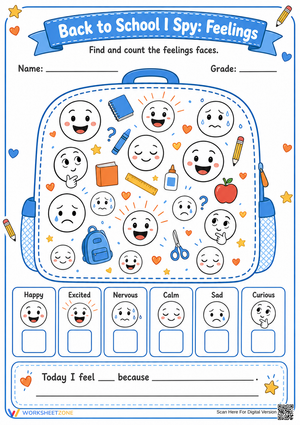
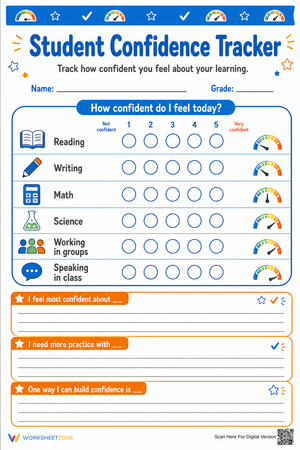
During these check-ins, students might circle a face that represents their current mood or write a brief sentence about why they feel a certain way. This practice normalizes the discussion of emotions and signals to students that their well-being is a priority. Furthermore, it provides teachers with actionable data; if several students are in the 'Yellow Zone,' the teacher might decide to lead a brief mindfulness activity or a deep-breathing exercise before diving into a high-stakes lesson.
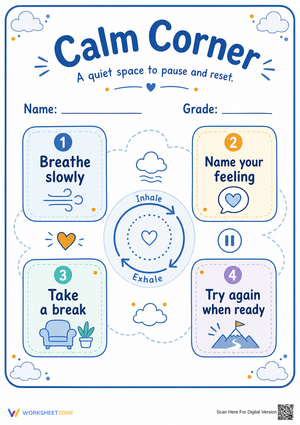
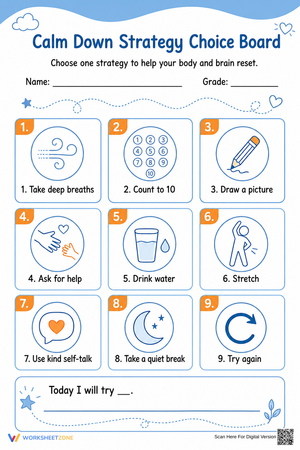
Another tip for implementation is to create a 'Calm Down Corner' stocked with various reflective printables. When a student feels overwhelmed, they can voluntarily go to this space to work through their feelings independently. This empowers students to take ownership of their emotional regulation and reduces the need for disciplinary interventions. Worksheetzone's variety of reflective prompts and tracking sheets are perfect for stocking these dedicated SEL spaces.
Supporting Neurodivergent Learners with Visual Aids
For students with ADHD, Autism, or other neurodivergent profiles, traditional verbal discussions about feelings can be challenging. Emotions and feelings printable worksheets resources provide the necessary visual structure and predictability these learners often require. Visual aids reduce the cognitive load associated with processing abstract concepts, making it easier for students to engage with the material and apply regulation strategies.
Many neurodivergent students benefit from 'social stories' or scenario-based worksheets that allow them to practice emotional responses in a controlled environment. These printables can depict common classroom challenges—like losing a game or having a substitute teacher—and ask the student to identify how the characters might feel and what actions they could take. This proactive rehearsal builds confidence and social competence. Teachers find that using clear, uncluttered designs from Worksheetzone helps maintain student focus and prevents sensory overload during SEL instruction.
Empirical Benefits of Social Emotional Learning
The push for SEL in schools is supported by a wealth of economic and academic data. Teachers who use emotions and feelings printable worksheets tools are participating in a global movement to improve life outcomes for all children. The evidence suggests that the time spent on these activities pays dividends far beyond the school walls.
Economic studies have shown that for every dollar invested in evidence-based SEL programs, there is a return of eleven dollars in long-term benefits to society, including reduced healthcare costs and increased earning potential. This high rate of return highlights the efficiency of SEL as a preventative measure. When teachers help students manage 'big feelings' early on, they are preventing more significant behavioral and mental health issues later in life. This makes the inclusion of SEL resources a matter of educational equity and long-term success.
Frequently Asked Questions about Emotions Worksheets
1. How do I choose the right emotional worksheet for different age groups?
When selecting emotions and feelings printable worksheets resources, consider the student's developmental stage. For early childhood, prioritize visual recognition of basic emotions. For middle schoolers, look for worksheets that explore complex social dynamics and the relationship between thoughts and feelings. Worksheetzone categorizes resources to help you find age-appropriate matches quickly.
2. How can these worksheets help children with Autism or ADHD?
Printable worksheets provide visual structure and reduce the ambiguity of social interactions for neurodivergent learners. They offer a concrete way to practice emotional responses, which helps build the social-emotional competence needed for classroom success. The predictability of a worksheet format is often comforting for students who struggle with verbal processing.
3. What are the 5 CASEL competencies of Social Emotional Learning?
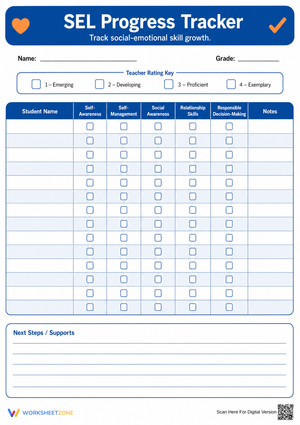
The CASEL framework identifies five core competencies: Self-Awareness, Self-Management, Social Awareness, Relationship Skills, and Responsible Decision-Making. Emotions and feelings printable worksheets activities primarily target Self-Awareness and Self-Management by helping students identify their feelings and select appropriate regulation strategies.
4. What is the Name it to Tame it technique and how do worksheets support it?
This technique involves labeling an emotion to reduce its intensity. Worksheets support this by providing the emotional vocabulary and visual prompts students need to accurately identify their feelings. Once an emotion is named on paper, it often feels more manageable and less overwhelming for the student.
5. How do I integrate these worksheets without taking away from academic time?
Integration is best achieved through brief, consistent routines like morning check-ins. These five-minute activities actually save time in the long run by reducing behavioral disruptions and improving student focus during academic instruction. You can also use them as transition activities between core subjects.












 Interactive Worksheet Maker
 Quiz Maker
 Word Search Maker
 Crossword Puzzle Maker
 Word Scramble Generator
 Sentence Scramble Generator
 Handwriting Worksheet Generator
 Name Tracing Generator
 Fill In The Blank Generator