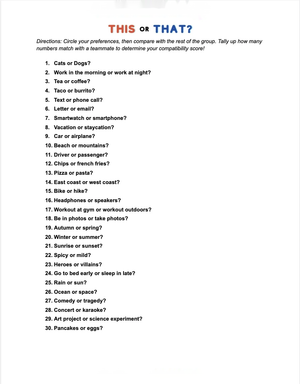
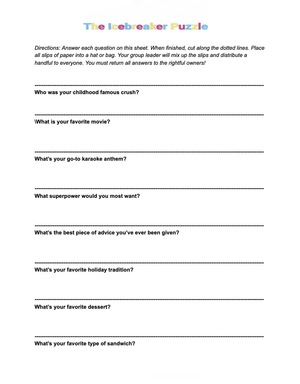
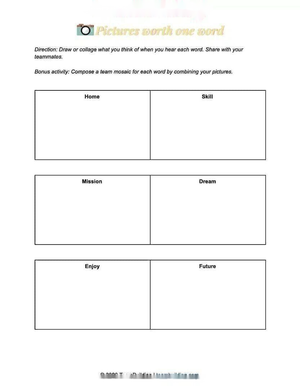
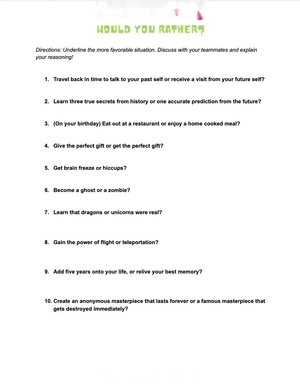
Effective Team Check In Printable Worksheet for Teachers
Why a Team Check In Worksheet Printable is Essential for Teachers
In the current educational era, the time available for collaborative planning is often limited. Teachers are frequently stretched between classroom management, lesson design, and administrative responsibilities. Utilizing a team check in worksheet printable provides a structured framework that transforms aimless meetings into focused, productive sessions. When teams use a physical or digital template from Worksheetzone, they create a shared language that prioritizes transparency and mutual support. This approach is particularly effective for Professional Learning Communities (PLCs) where teachers must align their strategies quickly to improve student outcomes.
A well-designed printable serves as more than just a piece of paper; it acts as a behavioral nudge. It encourages participants to arrive at meetings prepared to share specific updates rather than general observations. By providing a clear space for mood checks, wins, and blockers, these tools ensure that the human element of teaching is not overlooked. According to research on organizational health, teams that consistently address their internal dynamics are significantly more resilient when facing curriculum shifts or unexpected school-wide changes. Using a reliable system helps maintain this consistency across different grade levels and departments.
Core Components of a High-Impact Check-In Template
To maximize the utility of a team check in worksheet printable, certain elements must be present. A simple list of tasks is rarely enough to build the type of connection necessary for high-functioning educator teams. Instead, an effective template should balance emotional intelligence with operational clarity. This balance allows team leads to identify potential burnout before it impacts the classroom while still keeping projects on track. The fabric of a strong team is built through these small, repetitive interactions that validate individual experiences while pursuing collective goals.
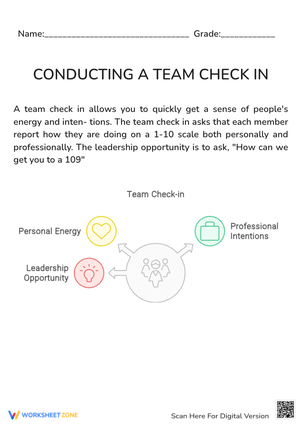
- Mood and Energy Checks: A quick visual or written scale (1-10) to gauge how team members are feeling. This helps the facilitator adjust the meeting's intensity.
- Recent Wins: A section dedicated to celebrating small victories, such as a successful lesson or a positive parent interaction, which builds morale.
- Top Priorities: Identifying the three most important tasks for the upcoming week to ensure alignment and prevent redundant work.
- Identifying Blockers: A space to list obstacles that are preventing progress. This allows the team to problem-solve collectively rather than working in silos.
Expert analysis suggests that when teachers use a structured printable, the cognitive load of deciding what to say during a meeting is reduced by nearly 30%. This mental bandwidth is then redirected toward creative problem-solving and student-centered discussions. By removing the ambiguity of 'what should we talk about,' the Worksheetzone templates allow the team to get straight to the heart of the matter, ensuring that every minute of the planning period is utilized for maximum benefit.
The 90-Second Rule for Maximizing Meeting Efficiency
Efficiency is the cornerstone of any successful school huddle. Research from teambuilding.com in their guide 'How to Run an Effective Team Check-In' suggests that individual updates should ideally take 60-90 seconds per person. This constraint prevents any single individual from dominating the conversation and ensures that the meeting remains focused on high-level updates rather than granular details. When using a team check in worksheet printable, teachers can jot down their thoughts beforehand, making it easier to stick to this tight timeline.
Adhering to the 60-90 second rule requires a shift in mindset. It moves the check-in from a narrative storytelling session to a data-driven alignment tool. For instance, instead of explaining the entire history of a student's behavior, a teacher might state, 'My blocker is the new IEP implementation for student X, and I need 5 minutes of brainstorming later this week.' This level of precision is vital in a busy school environment. It respects everyone's time while still flagging essential issues that require further attention outside of the brief huddle. Using a timer can also help teams stay disciplined as they begin this practice.
Building Psychological Safety in Professional Learning Communities
Regular team huddles are vital for alignment. Mentimeter, in 'Team Check-In Questions & Ideas,' notes that check-ins taking just 60-90 seconds per person can increase engagement by 35%. This data point highlights how a structured printable prevents meetings from dragging on while ensuring every educator remains connected to the group goals.
Psychological safety is the belief that one can speak up with ideas, questions, concerns, or mistakes without fear of being punished or humiliated. For educator teams, this is the foundation of innovation. When a team check in worksheet printable includes a section for 'blockers' or 'vulnerabilities,' it signals that the environment is safe for honesty. Cornerstone Staffing, in their article 'The Benefits of Regular Team Check-Ins,' emphasizes that regular check-ins identify issues early and promote a culture of trust. By making these shares a standard part of the routine, the 'stigma' of needing help is removed.
Building this safety does not happen overnight. It requires leadership to model the behavior first. When a principal or department head uses the Worksheetzone worksheet to admit they are struggling with a specific administrative deadline, it gives permission for others to do the same. This transparency leads to a stronger support network where resources are shared more freely. In the long run, teams with high psychological safety report lower levels of stress and higher job satisfaction, which is essential for teacher retention in today's demanding climate.
Teacher Tips and Classroom Implementation Strategies
While the team check in worksheet printable is designed for adult collaboration, the principles can be adapted for the classroom to promote social-emotional learning (SEL) among students. Teachers can use a simplified version of the worksheet to start small group projects. This teaches students how to communicate their needs and celebrate the successes of their peers. By modeling professional check-in behaviors, teachers help students develop the soft skills necessary for future career success. This dual-purpose application makes the printable a versatile tool in any educational setting.
- Start Small: Begin by using the check-in worksheet once a week during your most critical team meeting to build the habit without overwhelming the group.
- Focus on Action: Use the 'blockers' section to create a 'to-do' list for the team lead. If an issue is raised, ensure there is a clear follow-up plan.
- Rotate Facilitators: Allow different team members to lead the check-in session. This promotes shared leadership and keeps the process fresh.
- Use Visuals: For student versions, use emojis or color-coded scales to represent energy levels, making the tool accessible for younger learners or English Language Learners.
Adapting Team Check-Ins for Remote and Hybrid Environments
The rise of remote and hybrid work for teachers has made structured communication even more vital. Without the 'water cooler' talk of the teacher's lounge, team members can quickly feel isolated. A team check in worksheet printable can be sent as a PDF and filled out digitally before a Zoom or Microsoft Teams call. This ensures that the limited time on camera is spent on meaningful interaction rather than catching up on basic facts. It provides a bridge between the physical and digital workspace.
In a hybrid setting, the printable serves as a central point of truth. Whether a teacher is working from their classroom or their home office, they are looking at the same categories: wins, priorities, and blockers. This consistency reduces the feeling of 'missing out' that often plagues hybrid teams. Mentimeter suggests that using digital icebreaker questions alongside these worksheets can further boost morale. By combining the structured data of a Worksheetzone printable with the interactivity of digital tools, remote educator teams can maintain a high level of cohesion and performance regardless of their physical location.
Frequently Asked Questions
1. What are the best questions for a quick 5-minute team check-in?
For a rapid check-in, focus on three questions: 'What is your current energy level (1-5)?', 'What is one win from the last 24 hours?', and 'What is the biggest blocker standing in your way today?'. These questions provide a comprehensive overview of the team's health without consuming excessive time.
2. How do check-in worksheets benefit remote and hybrid teams?
Worksheets provide a consistent structure that prevents communication gaps. They ensure that remote members have an equal platform to share their progress and obstacles, which builds connection and prevents the isolation often associated with working outside of a traditional school building.
3. Should managers and principals participate in the check-in process?
Yes, leadership participation is essential. When managers share their own wins and blockers, it models transparency and builds trust. It also provides leaders with real-time data on the challenges their staff is facing, allowing them to provide more effective support and resources.
4. Can these printables be used for student groups?
Absolutely. Adapting the team check in worksheet printable for students is a great way to build social-emotional skills. It teaches them how to express their feelings, track their progress on projects, and ask for help in a constructive way, which are vital skills for lifelong learning.
5. How often should our team use the check-in template?
Most successful teams use a check-in at the start of every formal meeting. For high-intensity periods, such as the start of the school year or during parent-teacher conferences, a brief daily huddle using the worksheet can keep everyone aligned and supported. Consistency is the key to seeing long-term benefits in team dynamics.
Clear All