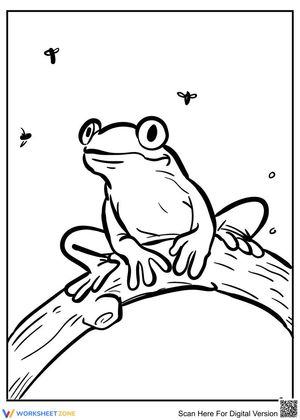
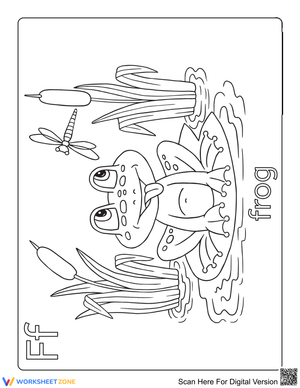
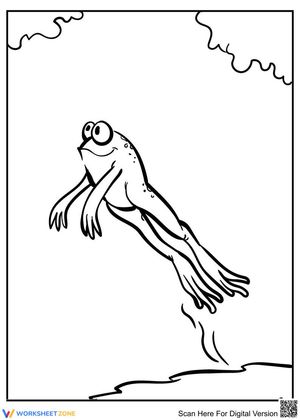
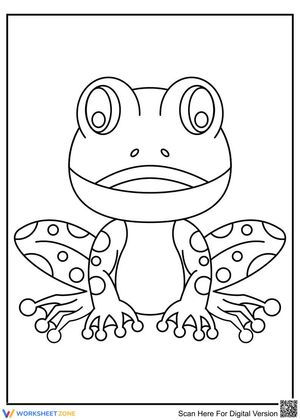
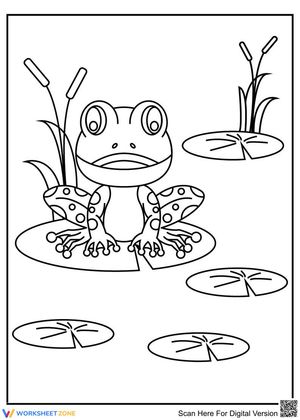
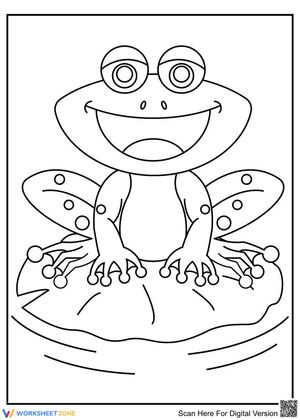
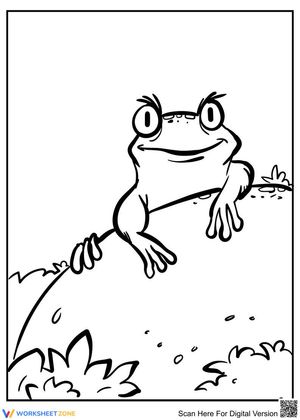
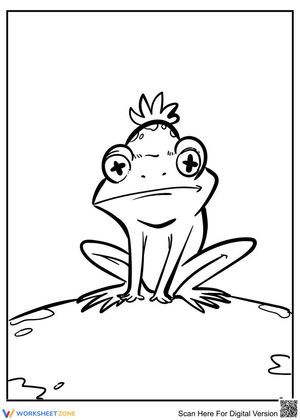
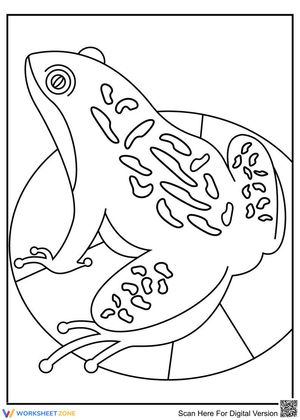
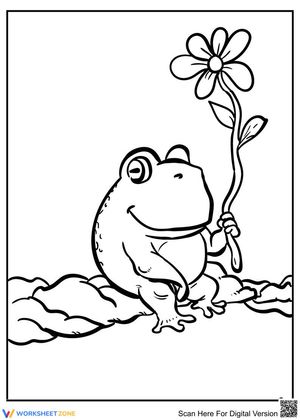
I remember the day a third-grade class sat slumped at their desks, completely uninterested in the lesson on pond habitats. No amount of explaining seemed to spark curiosity until I pulled out a set of frog coloring pages and placed them on every desk. Within seconds, pencils were moving, questions were flying, and what had been a quiet struggle turned into a lively conversation about tadpoles, webbed feet, and the life cycle of amphibians. That afternoon reminded me that the right visual tool can transform even the most reluctant learner into an active participant.
What made those frog coloring pages so effective was the way they balanced detail with simplicity. Each illustration gave students something real to observe - the rounded body, the large eyes, the distinctive posture of a frog mid-leap - while still leaving room for personal expression through color choices. Students were not just filling in outlines; they were making decisions, asking why frogs are green, whether all frogs look the same, and what it means for an animal to be cold-blooded. That kind of organic questioning is exactly what science education should feel like, and it all started with a printable worksheet.
Keeping the energy going through a full lesson is one of the real challenges teachers face. A short break with fun animal jokes for kids can do wonders for resetting attention before returning to the coloring activity. Humor and play are not distractions from learning - they are pathways into it. When students laugh together, they relax, and a relaxed learner is far more open to new information about amphibians, habitats, and ecosystems.
Parents working through home lessons or weekend activities have found frog coloring pages equally useful. A Saturday morning at the kitchen table with printed sheets, a few colored pencils, and a curious child asking about frogs in the backyard pond can become a rich, unscripted science lesson. Worksheetzone offers a variety of these printable resources designed to work just as well at home as in a classroom, giving parents a simple and reliable way to support learning without needing a teaching background. For families looking to explore further, comparing frog illustrations with axolotl coloring pages opens up fascinating conversations about different types of amphibians and the surprising variety found across the animal kingdom.
Whether you are a teacher building a lesson plan around pond ecosystems or a parent searching for an afternoon activity that is both calm and educational, frog coloring pages offer a reliable starting point. They meet students where they are, invite genuine curiosity, and make the science of amphibians feel approachable and exciting. Worksheetzone is here to support those moments of discovery with printable resources that teachers and parents can trust every time they reach for a frog coloring page.
Frequently Asked Questions
Question 1: What age groups benefit most from frog coloring pages?
Frog coloring pages work well for children aged 4 to 10. Younger students enjoy simple outlines that are easy to fill in, while older children can engage with more detailed illustrations that include anatomical labels. Teachers and parents can choose complexity levels that match the child's grade and developmental stage, making these printable worksheets a versatile resource for classroom and home use alike.
Question 2: How can teachers use frog coloring pages in a science lesson?
Teachers can introduce frog coloring pages as a hands-on complement to lessons about amphibians, pond ecosystems, or animal life cycles. Students can label parts of the frog, compare different species by coloring them accurately, or sequence life cycle stages from egg to adult. These printable worksheets encourage observation and discussion, giving students an active role in building their scientific understanding during lesson time.
Question 3: Are frog coloring pages suitable for homeschool lesson plans?
Yes, frog coloring pages fit naturally into homeschool lesson plans focused on biology, nature studies, or art integration. Parents can pair them with read-aloud books about frogs, outdoor observation activities, or simple science experiments about habitats. Worksheetzone provides printable options that are easy to download and use at home, making it simple for families to build engaging, curriculum-aligned lessons without needing specialized teaching materials.
Question 4: How do frog coloring pages support early science literacy?
Frog coloring pages support early science literacy by connecting visual learning with biological concepts. When students color a frog and its habitat, they begin to recognize key features like webbed feet, moist skin, and bulging eyes. This visual familiarity builds foundational vocabulary and observational skills that prepare young learners for more advanced science topics. Printable worksheets from Worksheetzone make this early science exposure both accessible and enjoyable for students.