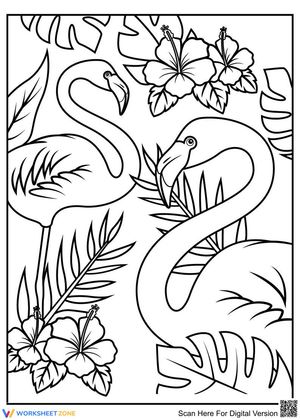
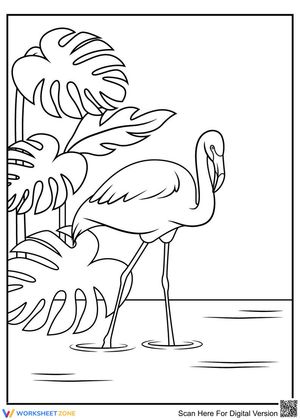
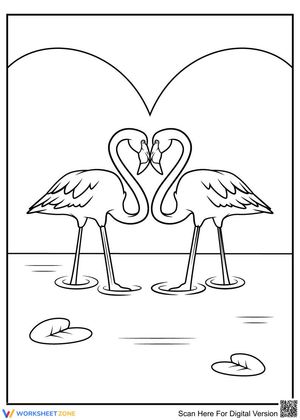
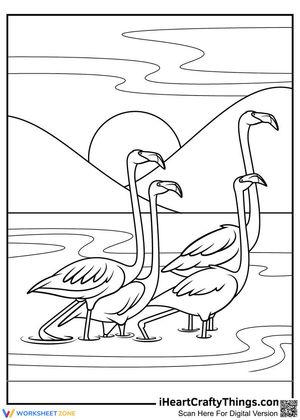
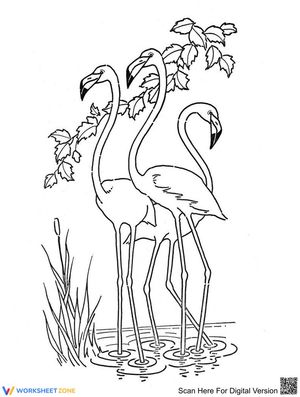
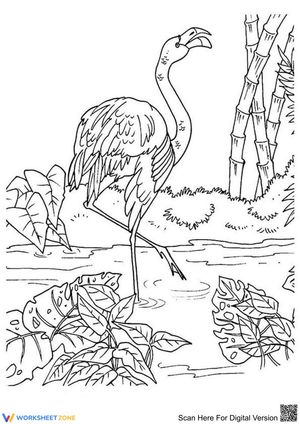
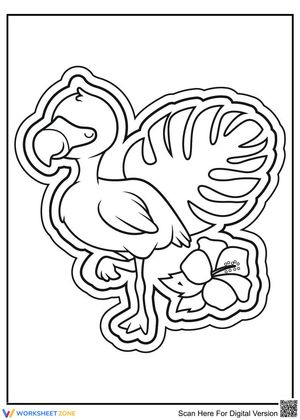
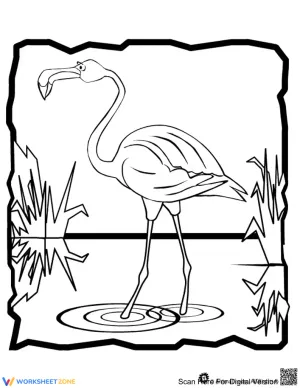
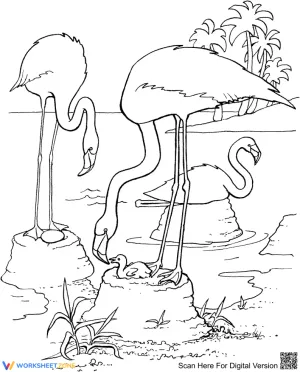
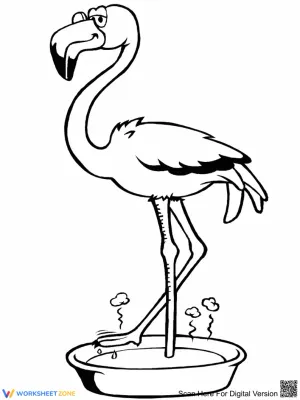
I still remember the afternoon I handed out a set of flamingo coloring pages to a group of restless third graders who had already decided the school day was over. Within minutes, every single student had their head down, carefully choosing shades of pink and coral, completely absorbed in the task. That moment reminded me how the right printable can turn an unfocused room into a productive, creative space where learning happens naturally.
What made those flamingo coloring pages so effective was how they invited curiosity without pressure. Students began asking questions about these birds - why they stand on one leg, how they get their color from the food they eat, and what kind of habitat they live in. A simple coloring worksheet had opened a door to science, vocabulary, and storytelling, all at once. Teachers and parents alike will find that these printable pages work as a gentle entry point into broader lesson plans about animals, ecosystems, and artistic expression.
Letting students lead the way with color choices builds confidence alongside fine motor skills. When a child decides to make their flamingo purple or turquoise, they are exercising creative judgment that carries over into writing, problem-solving, and classroom participation. Pairing these sheets with a lighthearted activity, such as sharing some tropical summer humor with the class, creates a relaxed atmosphere where even reluctant learners feel comfortable joining in.
At home, parents can use flamingo coloring pages as a quiet weekend activity that doubles as an educational conversation starter. Ask your child what they know about flamingos, where they live, and what they eat. This kind of open-ended dialogue while coloring supports language development and bonding in a way that feels natural rather than structured. If your child enjoys coloring birds in their natural settings, exploring duck-themed coloring worksheets is a wonderful next step to expand their appreciation for different animals.
Worksheetzone offers flamingo coloring pages designed to suit a wide range of ages and skill levels, from simple outlines for younger students to more detailed designs for older learners. Whether used in a classroom center, as a homework supplement, or as a rainy-day activity at home, these printable sheets deliver the kind of creative engagement that teachers and parents are always searching for. Download a set today and give your students or children a chance to create something they will be proud to share.
Frequently Asked Questions
Question 1: What age group are flamingo coloring pages best suited for?
Flamingo coloring pages work well for children from preschool through elementary school, roughly ages 3 to 10. Simpler outline designs with large open areas suit younger children who are still building fine motor control, while more detailed flamingo illustrations challenge older students who enjoy intricate coloring and shading work in their printable worksheets.
Question 2: How can teachers use flamingo coloring pages in a lesson plan?
Teachers can incorporate flamingo coloring pages into science units on birds, habitats, or animal adaptations. The activity pairs naturally with vocabulary building, creative writing prompts, and classroom discussions about tropical ecosystems. Using these printable worksheets as a warm-up or extension activity helps students stay engaged while reinforcing concepts from the broader lesson plan.
Question 3: Are flamingo coloring pages suitable for students with different learning needs?
Yes, flamingo coloring pages are a low-pressure, inclusive activity that works well for students across a range of learning needs. The open-ended nature of coloring reduces anxiety and allows every child to participate at their own pace. Teachers and parents can adapt the activity by selecting simpler or more complex designs depending on each student's developmental level and comfort with printable worksheets.
Question 4: What skills do children develop by completing flamingo coloring pages?
Coloring flamingo pages supports fine motor development, color recognition, focus, and patience. Students also practice creative decision-making when choosing color combinations for their printable sheets. For younger children, staying within lines builds hand-eye coordination, while older students can explore shading and blending techniques that prepare them for more advanced art and design activities in the classroom.