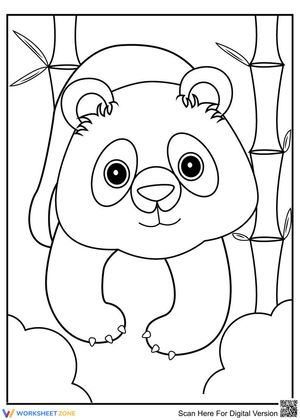
Why panda coloring pages fit animal-themed instruction
Panda coloring pages are easy to slot into classroom routines because they combine high student interest with low-prep flexibility. When a class is moving through an animal study, a habitat mini-lesson, or a short science-to-art transition, pandas give teachers a familiar animal that children recognize right away. That means less time introducing the theme and more time using the printable pages for a clear purpose.
For preschool and elementary classrooms, the appeal is practical. A simple panda outline works well for fine motor practice, while a page with bamboo, rocks, or a resting panda creates more room for observation and discussion. Teachers can use the same printable set in centers, sub tubs, indoor recess bins, fast-finisher folders, or a calm reset station. Because the animal is so recognizable, students usually understand what they are coloring without needing much modeling.
The black-and-white look of a giant panda also helps with access. Students who are still building confidence with coloring can produce a finished page that looks successful without managing many color choices. At the same time, more advanced students can add background detail, bamboo textures, or a habitat scene that stretches the task into a richer art response.
What teachers should look for in a strong panda page set
The most useful panda coloring pages give teachers range. In one printable collection, it helps to have a few bold, open shapes for younger learners, a few mid-level pages with facial details and bamboo, and a few more detailed scenes for older students who want longer quiet work. That mix keeps the same theme usable across grades instead of limiting the activity to one age band.
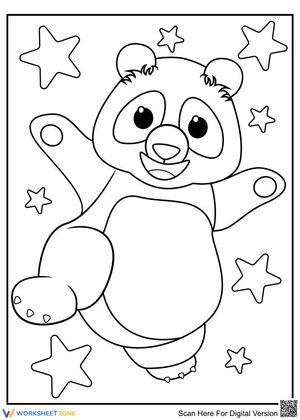
- Choose simple outlines for preschool, kindergarten, and intervention groups that need less visual clutter.
- Use medium-detail pages during first through third grade centers, early finisher time, or guided practice transitions.
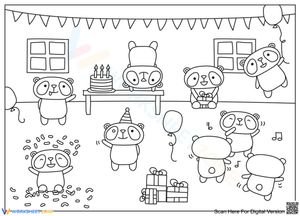
- Save detailed panda scenes for upper elementary students who can sustain attention and add background elements independently.
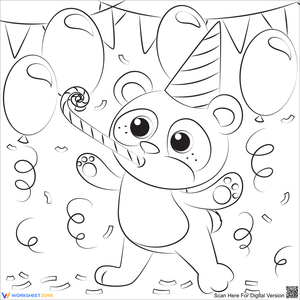
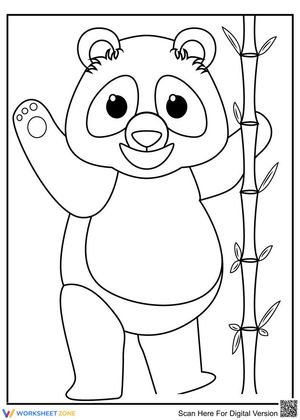
It also helps when the set includes cute variations such as baby pandas, sleeping pandas, smiling pandas, and pandas eating bamboo. Those options make it easier to match the page to the tone of the lesson. A baby panda page may fit a gentle morning bin or a primary classroom display, while a bamboo-eating panda supports an animal adaptations conversation more directly.
From a planning standpoint, panda coloring pages are strongest when they do more than fill time. The best pages can open a lesson, settle a room after direct instruction, or give students a nonverbal way to show attention to a topic. That classroom usefulness matters more than having the most detailed artwork on the page.
Use coloring time to build animal knowledge
Panda-themed printables work best when teachers pair them with a few accurate, age-appropriate facts. Students do not need a long reading passage to connect the art activity to science content. Even a short discussion about where pandas live, what they eat, and why bamboo keeps appearing in the artwork can turn a basic coloring page into meaningful content review.
A useful teaching move is to point out that the panda's limited color pattern reduces visual complexity while increasing observation quality. Students can spend less effort deciding on many colors and more effort noticing body shape, eye patches, paw placement, bamboo position, and habitat clues. That makes panda pages especially effective for learners who benefit from structured, low-distraction visual tasks.
Britannica explains that giant pandas are black-and-white bears native to mountain bamboo forests in central China, and it notes that bamboo makes up nearly all of their diet. That single detail gives teachers a strong reason to choose printable pages that show pandas beside bamboo instead of using a generic bear picture.
National Geographic Kids and WWF also support the same classroom direction: pandas are a high-interest animal, and habitat matters to understanding them. During coloring, teachers can ask students to name what belongs in the background, why bamboo appears so often, or how the panda's body coloring helps them identify the animal quickly. Those prompts keep the task grounded in observation rather than turning it into filler.
Classroom Implementation
Panda coloring pages are flexible enough to support several parts of the school day without extra prep. In a literacy block, teachers can use them as a quick follow-up after a read-aloud about animals. In science, the same pages fit an animal habitats lesson, a classification discussion, or a short research rotation. In art, they provide an accessible subject with clear shapes and easy contrast.
- Use one simple page as a five-minute settle-in task before a science mini-lesson on animals.
- Place mixed-difficulty panda pages in a center so students can choose the level that matches their stamina.
- Add the printables to sub plans because the animal theme is familiar and directions stay simple.
- Keep a few copies for indoor recess or a quiet station when students need a calm, structured activity.
Teachers can also turn the pages into a short oral language routine. Before students start coloring, ask them to describe the panda using complete sentences, identify the bamboo, or predict where the animal lives. After coloring, invite a quick share-out using prompts such as I noticed, I added, or This panda is in its habitat because. Those sentence frames keep the activity classroom-focused without requiring extra materials.
For bulletin boards, a full class set of panda pages can create a cohesive display even when students have different ability levels. The consistent animal theme makes the wall look unified, while the variety in student choices still shows individual work.
Differentiate across PreK-5 without adding prep
One reason teachers keep returning to animal coloring pages is that differentiation is built into the format. With panda coloring pages, the same theme can serve a preschool group working on grip and control, a first grade class labeling animal features orally, and an upper elementary class adding habitat details from memory.
For younger students, keep the task focused on coloring inside large shapes, naming body parts, and identifying black, white, and green for bamboo. For developing readers and writers, ask for one spoken fact before coloring and one sentence after finishing. For older students, extend the page by having them explain why bamboo belongs in the scene or by asking them to compare a panda page with another bear-themed printable.
- Reduce demand by offering thick-outline pages and fewer tools.
- Increase challenge by asking students to add habitat elements around the panda.
- Support language growth with quick partner talk before and after coloring.
- Use choice to keep the same printable set relevant across mixed-readiness groups.
This kind of differentiation works because the printable itself stays simple. Teachers do not need separate lesson plans for every learner. They only need a clear goal for the block: fine motor control, vocabulary, observation, or content review.
How to extend finished pages beyond a single lesson
Finished panda coloring pages can do more than leave the room in a folder. When teachers reuse the completed work, the printable becomes part of a larger learning cycle. That is especially useful in animal units, where students benefit from repeated exposure to a few key ideas rather than a one-time activity.
A completed page can become a cover for an animal facts booklet, a science notebook divider, or a hallway display labeled with short student observations. If the class is discussing habitats, students can revisit their page and add missing background features in a second round. If the goal is speaking and listening, the same page can support a partner retell in which students explain what the panda is doing and what in the picture shows its habitat.
Teachers can also save a few pages as comparison samples. Display a simple preschool-style panda next to a detailed upper elementary version to show how the same resource can scale by grade and task demand. That kind of reuse makes printable pages more instructionally efficient and helps teams plan common materials across classrooms.
Frequently Asked Questions
1. Are these panda coloring pages suitable for preschoolers?
Yes. Panda coloring pages are a strong fit for preschool when the designs include bold outlines and open spaces. The recognizable black-and-white bear shape keeps the task visually manageable, and teachers can pair the page with simple vocabulary such as panda, bamboo, black, white, and bear.
2. Can teachers print panda coloring pages for classroom use?
They work well for classroom printing because they can serve centers, sub plans, indoor recess, and fast-finisher bins. A mixed set is especially useful because teachers can pull different page complexity levels while keeping the same animal theme across the room.
3. Do panda coloring pages come in simple and detailed designs?
A strong collection should include both. Simple outlines support younger learners and intervention groups, while more detailed pages with bamboo or habitat scenes give older students a longer, more observation-based task.
4. How can teachers use panda coloring pages in an animal lesson?
Use them after a short discussion of panda habitat, appearance, and diet. Because sources such as Britannica, National Geographic Kids, and WWF all point to the panda's close connection to bamboo and habitat, teachers can ask students to explain why bamboo belongs in the picture while they color.