Integrating Whale Coloring Pages into the Elementary Science Curriculum
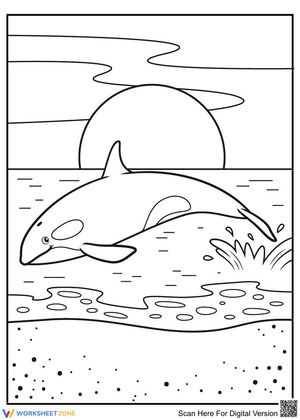
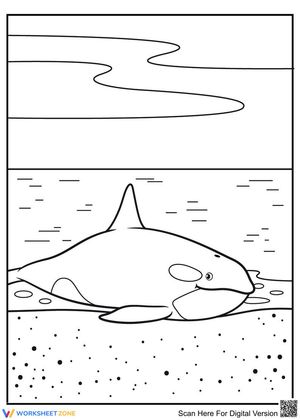
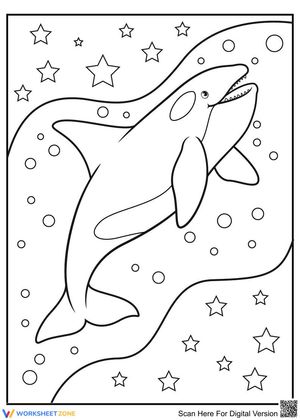
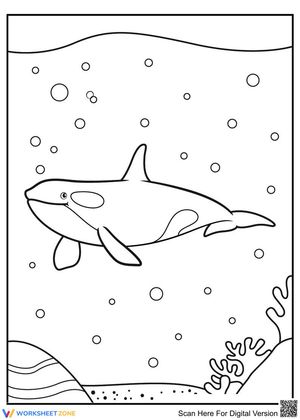
Marine biology often serves as one of the most engaging entry points for young learners to understand the complexities of the natural world. By utilizing whale coloring pages, teachers can provide a tactile experience that bridges the gap between abstract scientific concepts and concrete visual representation. When students color these magnificent marine mammals, they aren't merely filling in shapes; they're engaging in a form of scientific observation that allows them to notice physiological details like blowholes, flukes, and dorsal fins. This hands-on activity can be the foundation for a larger unit on ocean ecosystems, allowing teachers to introduce vocabulary words such as migration, blubber, and echolocation in a context that feels approachable and fun for students in various grade levels. By providing high-quality, anatomically accurate coloring sheets from Worksheetzone, you ensure that even the simplest creative exercise maintains a high standard of educational integrity, helping students build a reliable mental model of marine life from an early age and associating the physical act of coloring with the auditory intake of scientific data during read-aloud sessions.
Diversity in Marine Life: Exploring Different Whale Species through Art
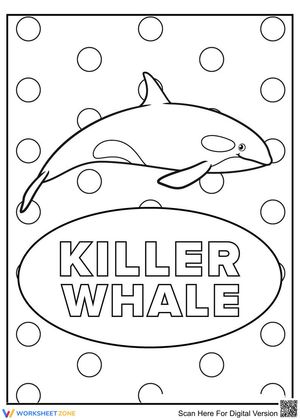
The variety found within the Cetacea order is truly staggering, and whale coloring pages offer an excellent way to showcase this diversity. From the immense blue whale to the uniquely tusked narwhal, each species provides a different visual and educational opportunity. Teachers can use specific coloring sheets to highlight the differences between baleen whales and toothed whales. For example, comparing a humpback whale coloring page with its visible baleen plates to a sperm whale coloring page with its distinct lower jaw teeth can lead to a productive classroom discussion about feeding habits and trophic levels in the marine environment. Furthermore, including less common species like the beluga or the grey whale in your classroom rotation can spark curiosity about different geographic regions. Students might ask why the beluga is white or why the narwhal has a 'horn,' leading to deeper research projects involving maps and climate studies. Using whale coloring pages that include the names of the species directly on the page helps with literacy development and scientific nomenclature.
Developing Fine Motor Skills with Ocean-Themed Creative Activities
In early childhood and lower elementary classrooms, the development of fine motor skills is a primary instructional goal. Whale coloring pages provide the perfect medium for practicing the precision required for writing and other detailed manual tasks. Teachers can use these varying levels of detail to differentiate instruction, providing simpler outlines for students who are still mastering their grip and more complex, detailed scenes for those ready for a greater challenge. Beyond just the physical act of coloring, these activities encourage focus and patience. Completing a detailed whale coloring page requires a sustained period of attention, which is an increasingly valuable skill in the modern classroom. Teachers can use this time to practice mindfulness or as a quiet 'cool-down' activity after a high-energy recess or physical education block. By choosing ocean-themed content, you're also providing a calming visual environment that can help reduce anxiety in some learners. The repetitive motion of coloring, combined with the serene imagery of the deep sea, creates a positive classroom atmosphere that supports both emotional regulation and physical development.
Unique Physiological Traits of Marine Mammals for Classroom Discussion
While many students and even some adults refer to orcas as 'killer whales,' it is taxonomically more accurate to classify them as the largest members of the dolphin family, rather than true whales. This distinction provides a fantastic opportunity for teachers to discuss the nuances of biological classification and how common names can sometimes be misleading in a scientific context. Exploring why orcas are grouped with dolphins—focusing on their tooth structure, social behaviors, and skull morphology—can lead to a much deeper understanding of how scientists organize the natural world. Another fascinating physiological trait to discuss while using whale coloring pages is the sheer scale of these animals. For instance, the blue whale is not only the largest animal currently living but the largest known to have ever existed on Earth. Teachers can bring this fact to life by having students color a blue whale and then providing real-world comparisons, such as the fact that its heart is the size of a small car. Discussing the adaptation of blubber is also essential; explaining how a layer of fat keeps these mammals warm in freezing polar waters helps students understand animal survival strategies. These discussions, supported by the visual aid of a coloring sheet, make the facts much more memorable and help students develop a genuine sense of awe and respect for the natural world.
Classroom Implementation and Lesson Planning Strategies
Effective classroom implementation of whale coloring pages involves more than just handing out papers; it requires strategic integration into the daily schedule. One popular method is using these printables as part of an 'Early Finisher' station. When students complete their core math or literacy work, they can move to a dedicated science-art corner to continue working on their whale projects. This keeps students productive and minimizes disruptions, all while reinforcing science content. Another approach is to use coloring pages as a formative assessment tool. After a lesson on marine life, ask students to color a specific whale and then label three distinct parts of its body, such as the blowhole, the fluke, and the pectoral fin. This allows the teacher to quickly gauge student understanding in a low-stakes, enjoyable format. For a more collaborative project, consider creating a classroom 'Ocean Wall.' Each student can be assigned a different whale coloring page to complete. Once finished, the whales can be cut out and placed on a large blue background in the hallway or at the back of the classroom. This creates a visually stunning display that the entire school can enjoy, and it gives students a sense of pride in their work.
Sourcing Quality Educational Visuals for Early Learners
Finding accurate and high-quality visuals is a constant challenge for busy teachers who want to provide the best for their students. When selecting whale coloring pages, it's important to choose resources that are not only aesthetically pleasing but also educationally sound. High-quality printables should maintain the correct proportions and key features of the animals they represent, as these are the images that will stick in a child's mind. Utilizing reputable sources ensures that you aren't inadvertently teaching misconceptions. According to National Geographic Kids, the blue whale is the largest animal on Earth, with a heart the size of a small car and a tongue that can weigh as much as an elephant. This incredible scale demonstrates the extreme biological adaptations required for survival in the deep ocean, providing teachers with a powerful data point for classroom discussion. Teachers should look for varied collections that offer different artistic styles, ranging from realistic depictions for older students to more simplified, friendly versions for younger children. These resources save teachers time while enhancing the quality of their classroom instruction.
Frequently Asked Questions about Whale Coloring Pages
1. How can I turn a whale coloring page activity into a full science lesson?
To transform a coloring activity into a comprehensive lesson, start by presenting a short slideshow or reading a book about whale biology. As students color their whale coloring pages, encourage them to identify and label key anatomical features. You can also introduce a 'Whale Fact of the Day' and have students write that fact on the back of their sheet. This approach ensures that the creative activity is firmly anchored in scientific learning and vocabulary development.
2. What are the best materials to use for these coloring printables?
While standard printer paper works well for most classroom settings, using a slightly heavier cardstock can be beneficial if students are using markers or watercolors, as it prevents bleed-through. For younger students, jumbo crayons or thick markers are ideal for developing grip. Older students might prefer colored pencils or fine-tip markers to handle more intricate details. Providing a variety of blues, greys, and greens allows students to experiment with color blending to represent the varying depths of the ocean.
3. Are these whale coloring pages suitable for different grade levels?
Yes, the whale coloring pages on Worksheetzone are designed to be versatile. Simple, bold outlines with fewer details are perfect for preschool and kindergarten students focusing on basic motor skills. More complex illustrations that include realistic textures and detailed backgrounds are better suited for upper elementary students. Teachers can also differentiate by the type of accompanying task—younger kids might just color, while older students can be asked to write a paragraph or conduct a mini-research project based on the species they are coloring.
4. Can I use these resources for homeschool or remote learning?
Absolutely. These whale coloring pages are excellent for any educational setting. For homeschool parents, they offer an easy way to supplement a science curriculum with a fun, hands-on component. In a remote learning environment, teachers can send the digital files to parents to print at home, or use them as a digital coloring activity on a tablet. They provide a consistent, high-quality resource that maintains educational standards regardless of where the learning is taking place.