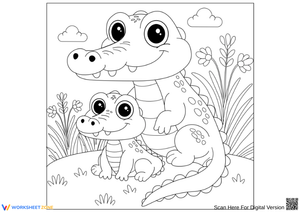
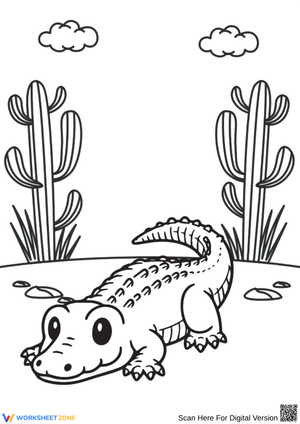
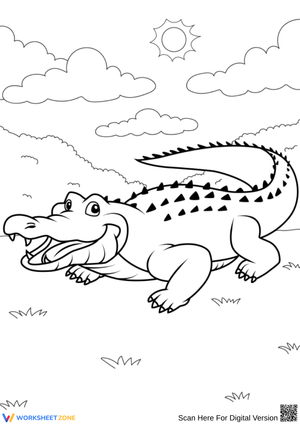
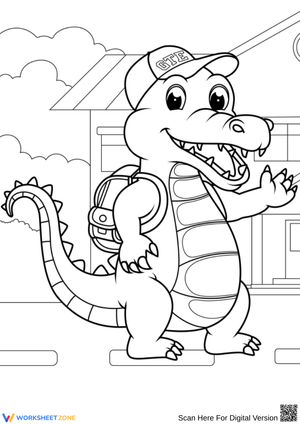
A crocodile peeking out of the water can turn a simple coloring page into a wild river adventure. Crocodile coloring pages are exciting for kids who enjoy reptiles, jungle animals, swamp scenes, and creatures with big jaws, long tails, and scaly bodies. These pages can feel playful, bold, or nature-inspired, making them a fun choice for animal activities, quiet art time, classroom centers, or screen-free creativity at home.
There are many ways to make a crocodile page interesting. Some designs may show a friendly crocodile smiling near a riverbank, while others may feature a crocodile swimming through a swamp, resting under the sun, hiding among tall grass, or living in a jungle habitat. Younger children may enjoy simple crocodile outlines with large spaces to color, while older kids may like pages with scales, teeth, water ripples, plants, rocks, and background animals.
As children color crocodiles, they can explore both imagination and nature. They might use realistic greens, browns, yellows, and gray shades, or create a silly crocodile with rainbow scales, bright eyes, or a patterned tail. The theme also gives adults a chance to talk about where crocodiles live, how they move in water, what their bodies look like, and why reptiles are different from other animals. This keeps the activity fun while gently building curiosity.
Parents can use crocodile coloring pages for rainy afternoons, animal-themed play, weekend art, or quiet time after school. Teachers can include them in reptile units, jungle themes, habitat lessons, early-finisher folders, or creative writing prompts. A child might color a crocodile and then write a short story about its day in the swamp, name the river it lives in, or draw extra animals around it to create a full habitat scene.
The artwork can grow beyond the page with a few simple additions. Kids can add lily pads, fish, birds, trees, clouds, mud, vines, or speech bubbles to make the scene more complete. They can also cut out their crocodile and place it in a paper swamp, use the page for a classroom animal display, or turn it into a story starter. With bold reptile shapes and plenty of creative possibilities, crocodile coloring pages help children enjoy art, imagination, and wildlife-inspired fun.
Frequently Asked Questions
Question 1: What designs are common in crocodile coloring pages?
Crocodile coloring pages often include crocodiles swimming in rivers, resting near swamps, hiding in grass, opening their big jaws, or sitting in jungle scenes. Some pages are cute and simple for younger children, while others include more details like scales, teeth, tails, water, trees, rocks, and plants. This variety makes them useful for animal themes, reptile activities, habitat discussions, and creative storytelling.
Question 2: What age groups can use crocodile coloring pages?
Crocodile coloring pages can work for many age groups depending on the design. Preschool and early elementary children may prefer large, friendly crocodiles with simple shapes. Older children may enjoy more detailed reptile pages with textured scales, water backgrounds, jungle plants, and realistic animal features. Parents and teachers can choose easier or more detailed pages based on each child’s skill level, patience, and interest in animals.
Question 3: What skills do children practice while coloring crocodile pages?
Children practice fine motor control, hand-eye coordination, focus, patience, and color recognition while coloring crocodile pages. Detailed designs can also help them notice animal features such as scales, claws, teeth, eyes, tails, and body shape. When children add a background, name the crocodile, or create a story about the scene, they also practice imagination, vocabulary, and creative thinking in a natural way.
Question 4: How can finished crocodile coloring pages be used creatively?
Finished crocodile coloring pages can become animal posters, classroom displays, bookmarks, greeting cards, habitat projects, or story prompts. Children can add extra plants, water, fish, birds, or jungle details to make the page feel like a complete scene. For group activities, several finished pages can be combined into a swamp, river, or reptile-themed bulletin board that celebrates wildlife creativity.