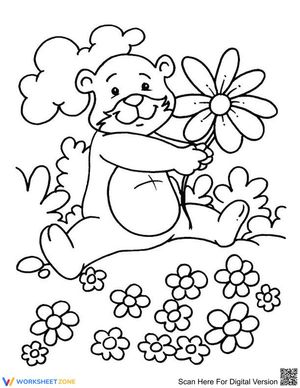
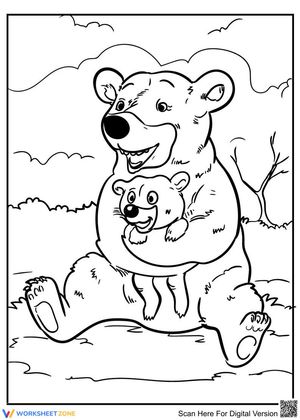
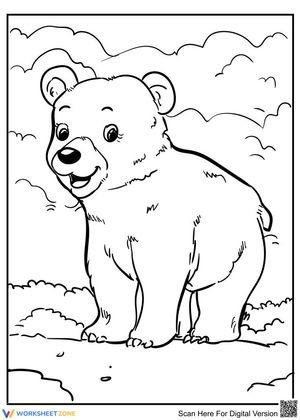
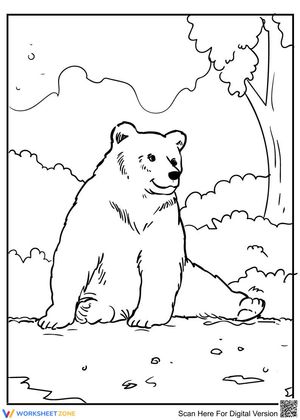
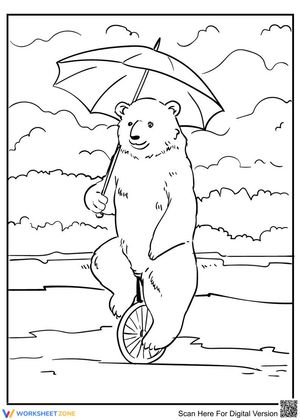
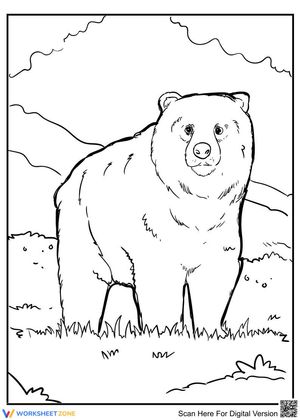
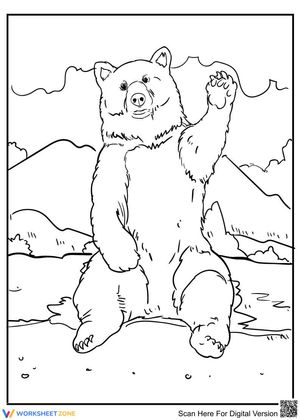
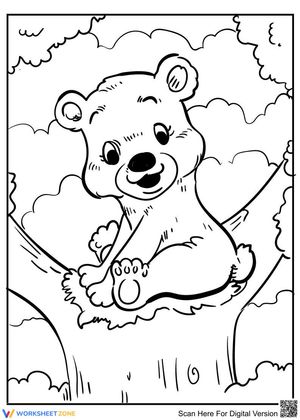
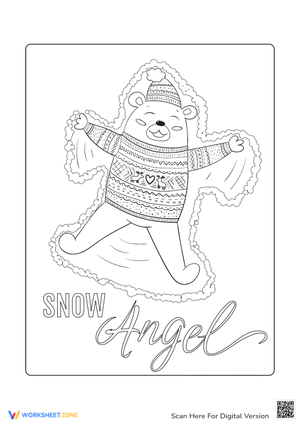
I still remember handing out a set of bear coloring pages to a group of third graders who had been restless all morning. Within minutes, the chatter settled and every student was leaning over their desk, pencil in hand, carefully shading the thick fur of a grizzly bear. That small moment reminded me why visual, hands-on resources matter so much in the early years. When children connect a concept to something they can touch and color, the learning sticks in a way that a textbook page rarely achieves on its own.
Bear coloring pages open up a natural entry point for conversations about wildlife, ecosystems, and animal behavior. As students work through each printable sheet, teachers can guide discussions about where bears live, what they eat, and how they survive winter. The activity transforms a quiet art period into a rich science lesson without any extra preparation. Students absorb information about habitats and life cycles while they focus on staying inside the lines, making the learning feel effortless and enjoyable for the whole classroom.
Curiosity tends to lead the way when children are given the freedom to explore at their own pace. A student who starts coloring a polar bear might suddenly want to know why its fur appears white, which leads to a conversation about camouflage and arctic survival. Another child coloring a brown bear might ask about hibernation, turning a single worksheet into a multi-topic inquiry session. Worksheetzone designs each bear coloring page to include enough anatomical detail to spark these kinds of questions naturally, supporting both independent discovery and guided classroom instruction.
Parents can extend this learning easily at home without needing special supplies or lesson plans. Printing a few bear coloring pages before a weekend nature walk, a zoo visit, or even a family movie night about wildlife gives children a concrete activity to return to. As they color, parents can share simple facts or ask open-ended questions that keep the conversation going. If you want to add a lighthearted element to the session, a few animal jokes for kids can turn a quiet afternoon into a genuinely memorable learning experience.
Teachers looking to build a broader animal unit will find that bear coloring pages pair well with other predator and habitat studies. Students who have explored bears are naturally curious about similar large mammals and how they fit into shared ecosystems. Worksheetzone offers a range of printable sheets across many species, so building a connected unit is straightforward. For a natural next step, our polar bear coloring pages give students a focused look at arctic wildlife and encourage comparison across different bear species and their environments.
Frequently Asked Questions
Question 1: What age groups benefit most from bear coloring pages?
Bear coloring pages work well for children between the ages of four and ten. Younger students develop fine motor skills and color recognition, while older students can use the detailed worksheets to practice observational drawing and learn about animal anatomy. Teachers often find these printables useful across multiple grade levels because the activity scales naturally with the child ability and the depth of discussion the educator chooses to lead.
Question 2: How can teachers use bear coloring pages in a science lesson?
Teachers can introduce bear coloring pages as a visual anchor for lessons on mammals, ecosystems, or food chains. After students complete their coloring activity, educators can ask them to label key body parts or write one fact they learned about bears. This combination of art and written reflection reinforces vocabulary, supports science standards, and gives teachers a simple formative assessment tool that students genuinely enjoy completing during class.
Question 3: Are bear coloring pages suitable for homeschool curriculum?
Bear coloring pages fit naturally into a homeschool curriculum that covers animals, nature, or biology. Parents can pair the printable sheets with books, documentaries, or field trips to create a multi-sensory unit study. The worksheets are easy to print and require no special materials, making them a practical and low-cost resource for homeschool families who want structured activities that align with science and art learning goals throughout the school year.
Question 4: What types of bear species are available in Worksheetzone coloring pages?
Worksheetzone offers bear coloring pages featuring several well-known species, including grizzly bears, polar bears, black bears, and panda bears. This variety allows teachers and parents to build comparison activities where students observe differences in size, habitat, and physical features across species. Having multiple species available in one resource collection makes it straightforward to design a multi-day animal unit that keeps students engaged and learning across several connected lessons.