Earth science content in the NGSS framework spans elementary through high school, building in complexity from grade 2 through grade 8 and into HS.Earths Systems. That progression means a worksheet written for a second grader looking at landforms should look very different from one asking a seventh grader to reason about geologic time. Worksheets that match the right grade band let students practice at the right depth instead of skimming content thats either too simple or out of reach.
For teachers managing multiple preps or a packed pacing guide, having a stack of ready-to-use earth science worksheets means less time spent formatting questions and more time spent on delivery, discussion, and feedback.
Elementary Earth Science: Grade 2 Landform and Weather Concepts
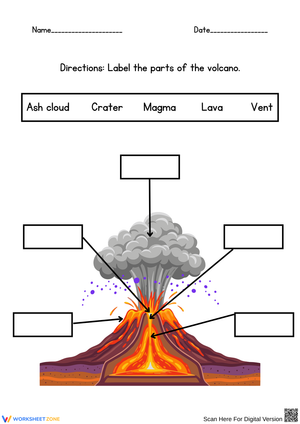
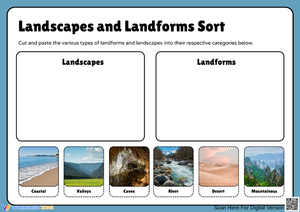
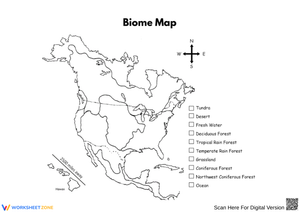
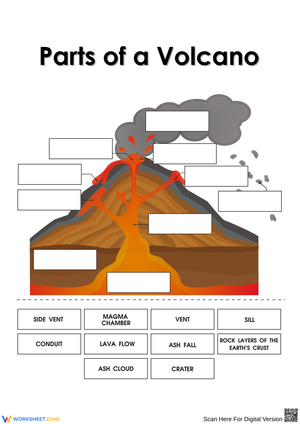
Grade 2 NGSS earth science standards focus on how Earth events change landscapes quickly or slowly, how wind and water reshape land, and how to map landforms and bodies of water. Worksheets for this grade band work best when they stay concrete: labeling a mountain, river, or coastline; sorting fast changes like a landslide from slow changes like erosion; or matching a weather event to its effect on land.
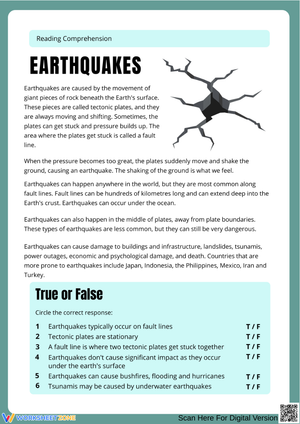
One detail thats easy to miss when picking worksheets for this age group: second graders benefit more from sorting and labeling tasks than from open-ended written explanations, since the standard is really about observing and classifying change, not writing extended scientific arguments. A worksheet that asks a seven-year-old to circle whether an earthquake or a river caused a canyon does more instructional work than one asking them to write a paragraph about the same idea.
Middle School Earth Science: Systems, Cycles, and Deep Time
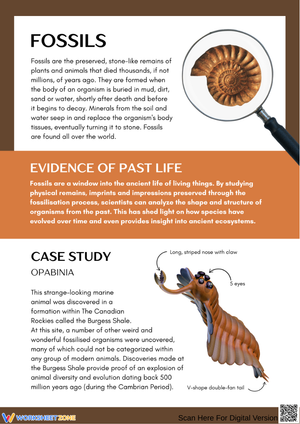
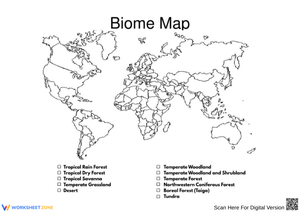
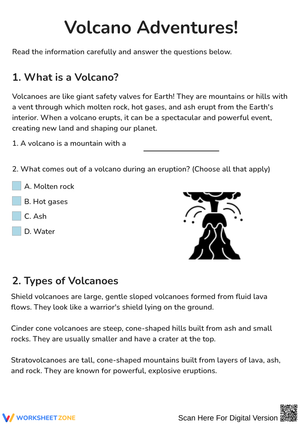
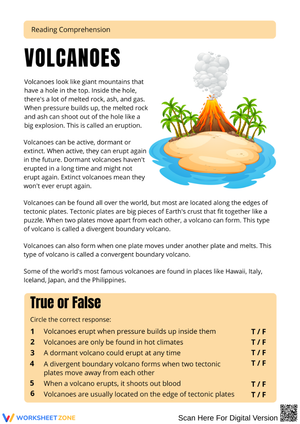
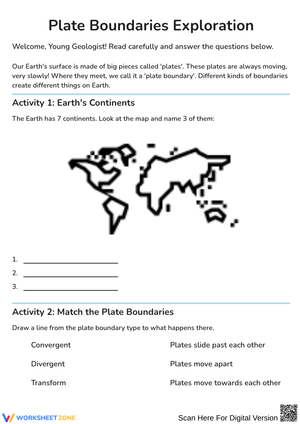
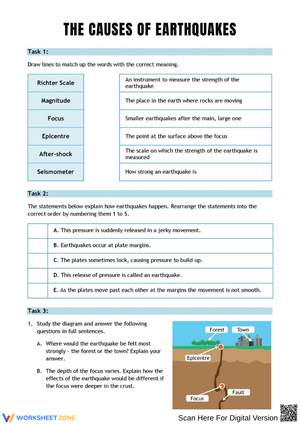
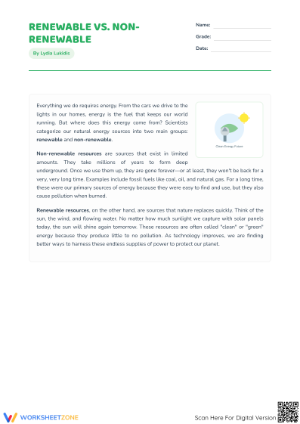
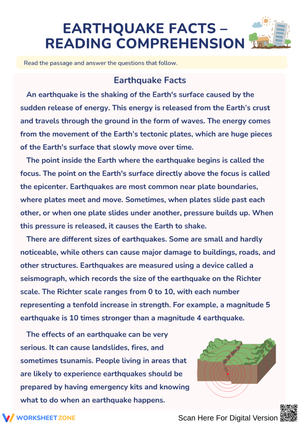
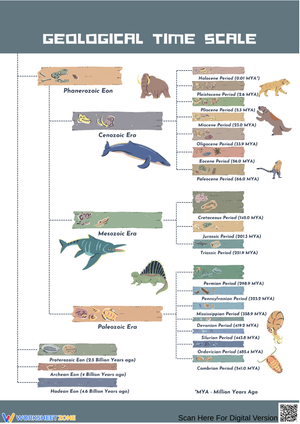
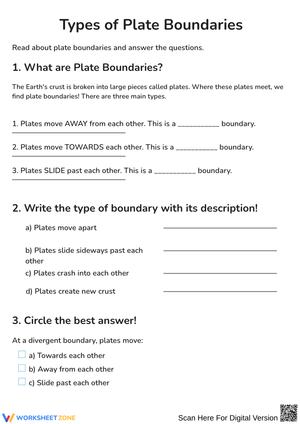
Middle school (grades 6-8) NGSS earth science topics widen considerably. Students work with Earths mineral, energy, and groundwater resources, atmospheric and oceanic circulation, weather pattern changes, the water cycle, evidence of past plate motions, and the geologic time scale. Worksheets at this level can ask students to interpret a diagram of ocean currents, sequence stages of the rock cycle, or use rock layer evidence to reason about relative age.
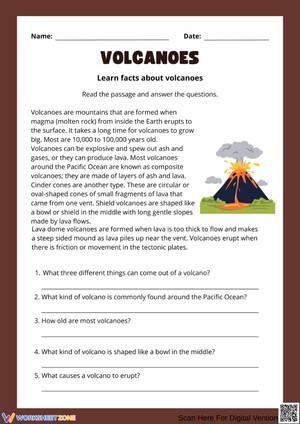
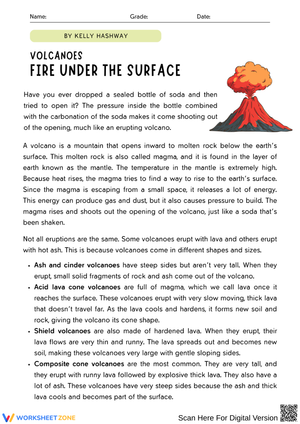
Because middle schoolers are also expected to connect evidence to bigger claims, look for worksheets that pair a short reading or diagram with a question asking students to justify an answer using that evidence, rather than simple fill-in-the-blank recall.
How NGSS Performance Expectations Shape Worksheet Design
NGSS performance expectations combine three dimensions: Disciplinary Core Ideas, Science and Engineering Practices, and Crosscutting Concepts, taught at increasing depth across grade bands. A well-designed earth science worksheet touches more than one of these dimensions at once. For example, a worksheet on the water cycle might ask students to label the core idea (evaporation, condensation, precipitation), then apply a crosscutting concept by asking how the cycle repeats as a system, rather than treating it as a single, isolated event.
Teachers dont need to label every worksheet item by dimension to make good instructional choices. Scanning a worksheet for whether it asks students to describe a system, not just name its parts, is usually enough to tell whether it supports NGSS-style reasoning.
Classroom Implementation
A few practical ways to fit earth science worksheets into a real class schedule:
- Use a short worksheet as a bell-ringer to activate prior knowledge before introducing a new earth science topic.
- Assign grade-matched worksheets as station work during a science rotation, pairing a hands-on station with a worksheet-based reasoning station.
- Use a worksheet as an exit ticket to check understanding of a single concept, like distinguishing weathering from erosion, before moving to the next lesson.
- Send a review worksheet home as light homework after a lab day, so students reinforce vocabulary and core ideas without needing lab materials.
- Keep a folder of leveled worksheets by topic (rocks, water cycle, weather, plate tectonics, solar system) so substitute teachers have grade-appropriate material ready during an absence.
For formative assessment, a quick worksheet check partway through a unit can reveal whether students are ready to move from core vocabulary into more complex reasoning tasks, such as connecting rock evidence to plate motion, before a full unit test.
Choosing the Right Worksheet Topic for Your Unit
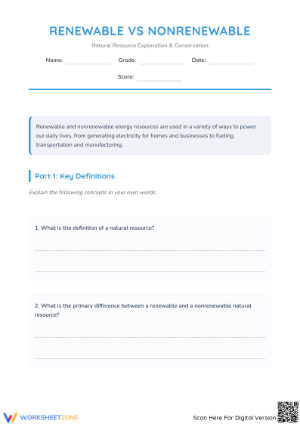
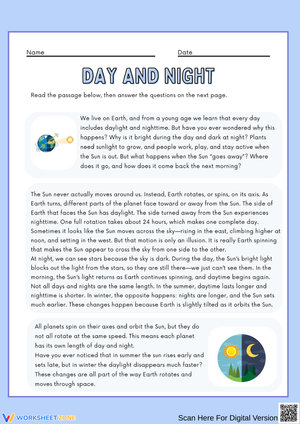
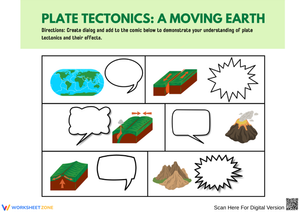
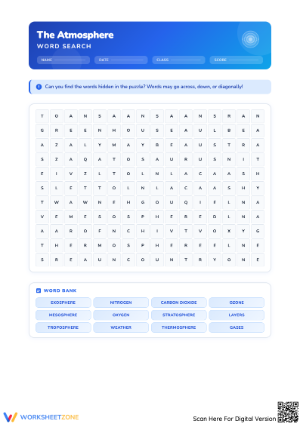
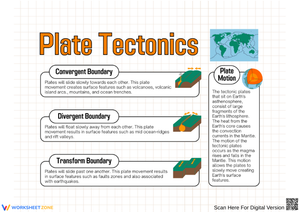
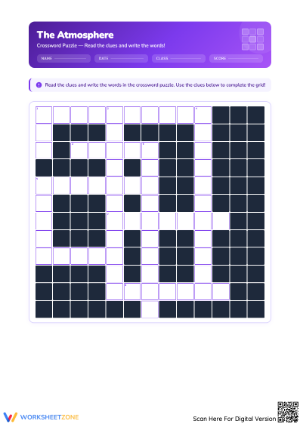
Not every earth science worksheet fits every classroom moment. Rocks and minerals worksheets work well early in a unit when students are still building vocabulary. Water cycle and weather worksheets suit both elementary and middle grades but shift in complexity, from simple diagram labeling in elementary to circulation and pattern analysis in middle school. Plate tectonics and geologic time worksheets are best reserved for middle school, once students have the vocabulary and reasoning skills to connect evidence across long timescales. Solar system worksheets can anchor either an elementary intro unit or a middle school unit on Earths place within larger systems.
Frequently Asked Questions
1. What grade levels are earth science worksheets appropriate for?
Earth science worksheets are commonly used from grade 2 through grade 8, since NGSS earth science content spans elementary through middle school and into high school Earths Systems standards, with complexity increasing at each grade band.
2. How do earth science worksheets align with NGSS Earths Systems standards?
Worksheets can support NGSS alignment by reflecting the three dimensions of performance expectations: Disciplinary Core Ideas, Science and Engineering Practices, and Crosscutting Concepts, taught at increasing depth as students move through grade bands.
3. What earth science topics should worksheets cover for elementary vs. middle school?
Elementary worksheets, particularly at grade 2, should focus on landscape change, landforms, and bodies of water. Middle school worksheets should expand into mineral and energy resources, atmospheric and oceanic circulation, the water cycle, plate motion evidence, and the geologic time scale.
4. How can teachers use earth science worksheets for review or formative assessment?
Worksheets work well as bell-ringers, station tasks, exit tickets, or short formative checks partway through a unit, helping teachers confirm students are ready to move from vocabulary-level understanding into more complex reasoning tasks.












 Interactive Worksheet Maker
 Quiz Maker
 Word Search Maker
 Crossword Puzzle Maker
 Word Scramble Generator
 Sentence Scramble Generator
 Handwriting Worksheet Generator
 Name Tracing Generator
 Fill In The Blank Generator