If you searched for body and health worksheets, you are probably planning a unit that spans several weeks and several grade bands at once: a kindergarten teacher introducing the skeleton, a fourth-grade teacher connecting circulation and respiration, or a middle school science teacher building toward an argument about how body systems interact. This guide breaks down how to sequence, choose, and use these worksheets so they fit real classroom routines instead of sitting as a generic add-on to your unit.
What Body and Health Worksheets Cover
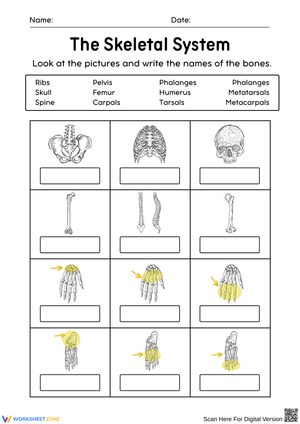
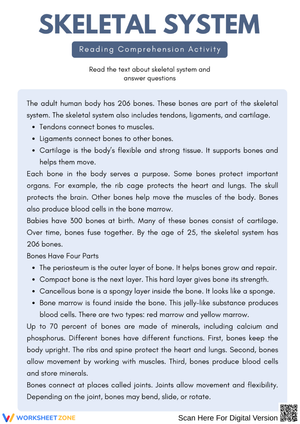
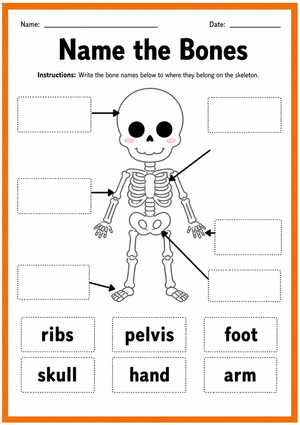
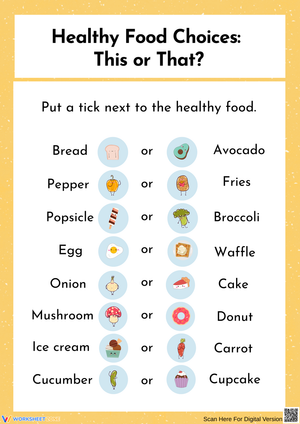
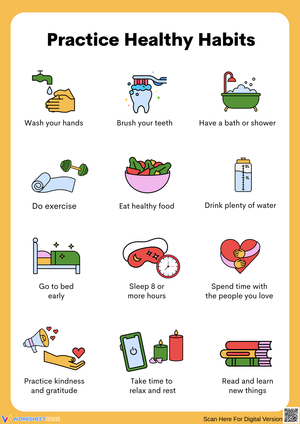
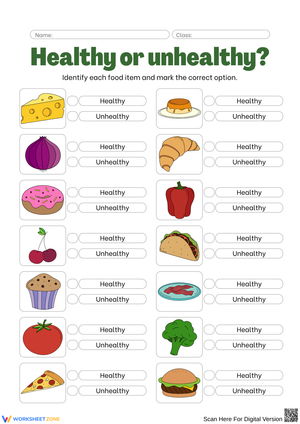
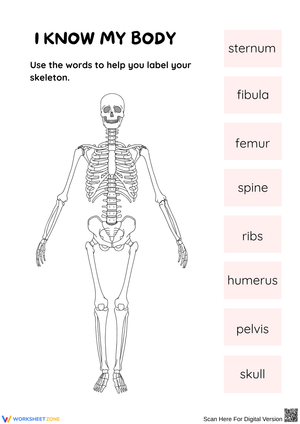
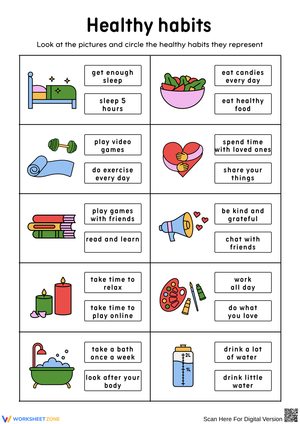
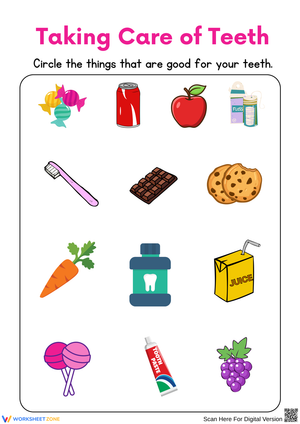
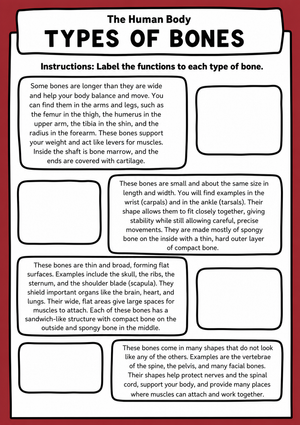
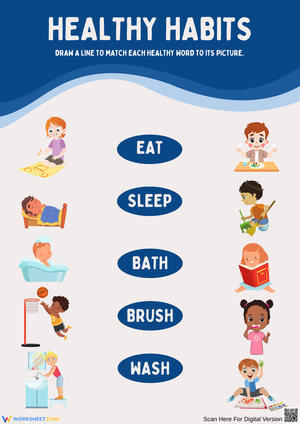
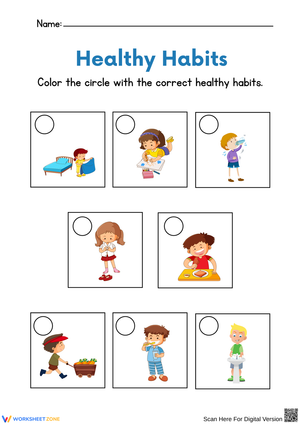
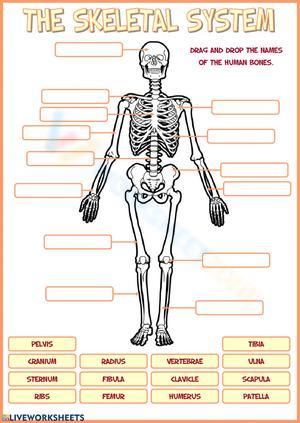
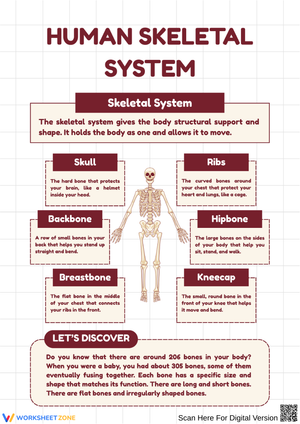
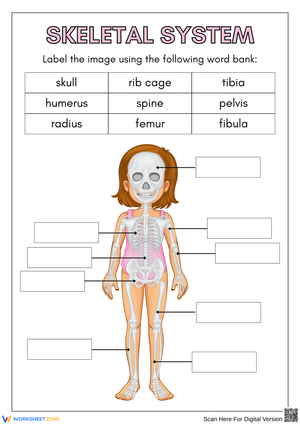
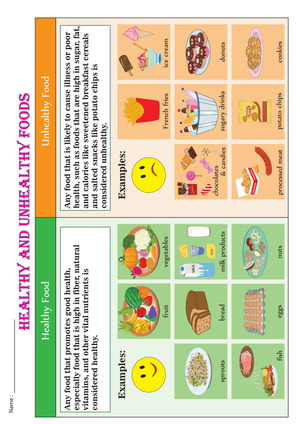
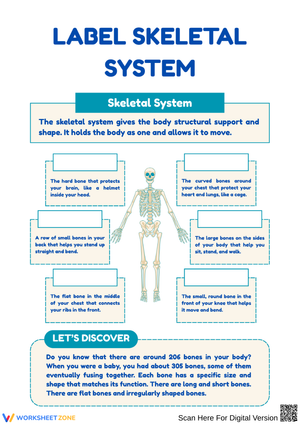
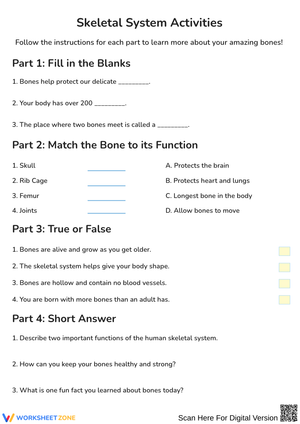
The label covers two related but distinct content areas. Body-systems worksheets focus on structure and function: labeling the skeletal, muscular, circulatory, respiratory, digestive, and nervous systems, matching organs to jobs, and tracing how systems depend on one another. Health-habit worksheets focus on behavior: nutrition choices, hygiene routines, sleep, and exercise. Many elementary units teach these two strands together rather than as separate topics, since a lesson on the digestive system naturally leads into a lesson on food choices, and a lesson on the muscular system leads naturally into exercise habits.
Aligning Worksheets to NGSS in Middle School
For grades 6 through 8, body-systems worksheets should support the specific reasoning skills the Next Generation Science Standards expect, not just vocabulary recall. MS-LS1-3 requires middle schoolers to argue that body systems interact, limited to the circulatory, excretory, digestive, respiratory, muscular, and nervous systems. That means a strong middle school worksheet asks students to construct a claim supported by evidence, not just fill in a diagram. A related expectation, MS-LS1-8, focuses on how the nervous system's sensory receptors respond to stimuli and how the brain processes information to trigger a response, which is worth a dedicated worksheet set separate from the other five systems since it deals with sensory input and response rather than organ interaction. When you pull worksheets for this grade band, check whether the tasks ask students to write short evidence-based explanations, since middle school body-systems units typically integrate literacy skills like argumentation and evidence-based writing alongside the science content.
Using Worksheets as a Bridge Between Science and Health or PE
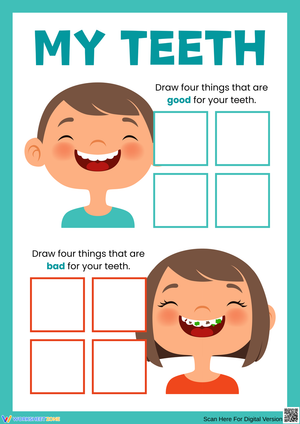
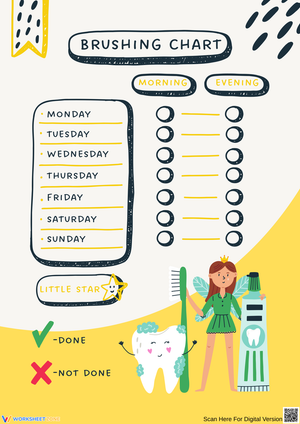
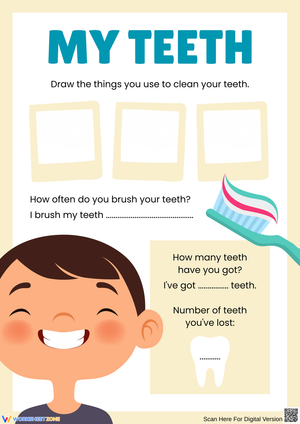
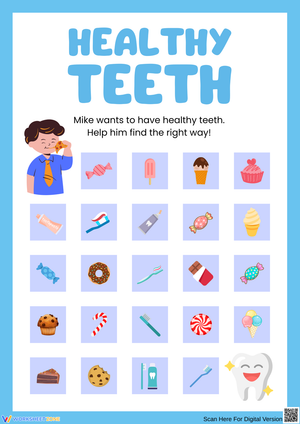
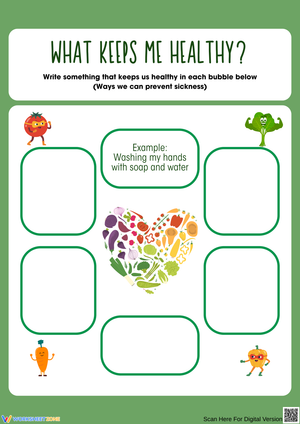
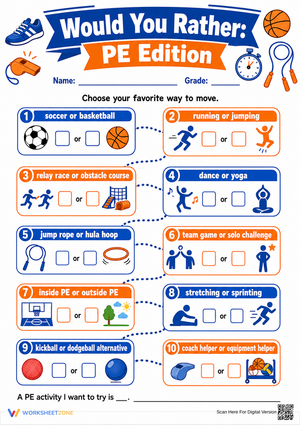
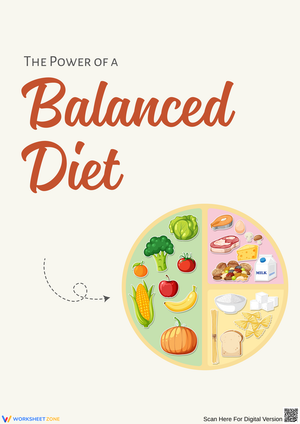
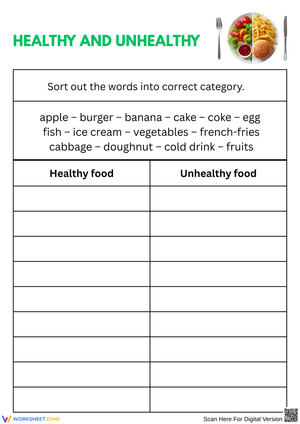
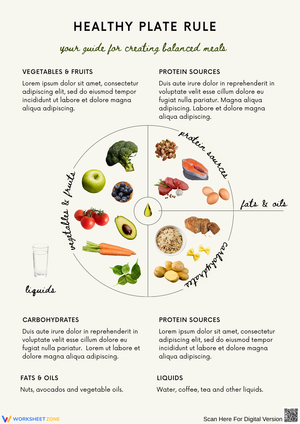
Body and health worksheets are useful precisely because they do not have to live only in a science block. A worksheet on the digestive system pairs naturally with a health lesson on balanced food choices, and a worksheet on the muscular or respiratory system pairs with a PE lesson on why warm-ups matter. If your school does not have a full standalone health curriculum, these worksheets let you cover nutrition, hygiene, sleep, and exercise habits inside existing science or morning-work time. This is especially practical for elementary teachers who are already combining body-systems content with healthy-living topics like food choices, exercise, and hygiene rather than teaching them as separate units.
Classroom Implementation
A practical way to build a body-systems unit is to plan backward from your target outcome. If you teach middle school and your goal is a system-interaction argument aligned to MS-LS1-3, start students with single-system labeling worksheets in week one, move to matching and comparison worksheets in week two, and finish with a short evidence-based writing worksheet in week three. For elementary teachers, pair each body-systems worksheet with a related health-habit worksheet so students see the connection between structure and behavior, for example matching a lesson on the skeletal and muscular systems with a worksheet on the exercise habits that keep those systems strong. These worksheets also work well as morning work, science-station rotations, or substitute-teacher plans, since most formats are self-explanatory and do not require extensive setup or materials.
Frequently Asked Questions
1. What grade levels are body and health worksheets appropriate for?
These worksheets span kindergarten through grade 8. Early elementary worksheets focus on single organs and basic health habits, upper elementary worksheets connect multiple systems, and middle school worksheets shift toward evidence-based explanations of how systems interact.
2. How do body and health worksheets align with NGSS body-systems standards like MS-LS1-3?
MS-LS1-3 asks middle schoolers to argue that the circulatory, excretory, digestive, respiratory, muscular, and nervous systems interact. Worksheets that align to this standard should require students to construct a short evidence-based explanation rather than only labeling a diagram.
3. Can these worksheets be used for both science class and health or PE class?
Yes. Body-systems worksheets fit naturally into science instruction, while health-habit worksheets on nutrition, hygiene, sleep, and exercise support PE or health lessons. Many elementary units already combine both strands in the same lesson.
4. How can teachers use body and health worksheets for review before a systems unit test?
Use labeling worksheets to check vocabulary, matching worksheets to check understanding of organ function, and short-answer worksheets to check whether students can explain how systems work together, since a unit test typically assesses all three levels.
5. What is the difference between a body-systems worksheet and a general health-habits worksheet?
A body-systems worksheet focuses on the structure and function of organs and systems, such as the skeletal or digestive system. A health-habits worksheet focuses on behavior, such as nutrition, hygiene, sleep, or exercise, and is often paired with a related body-systems topic.












 Interactive Worksheet Maker
 Quiz Maker
 Word Search Maker
 Crossword Puzzle Maker
 Word Scramble Generator
 Sentence Scramble Generator
 Handwriting Worksheet Generator
 Name Tracing Generator
 Fill In The Blank Generator