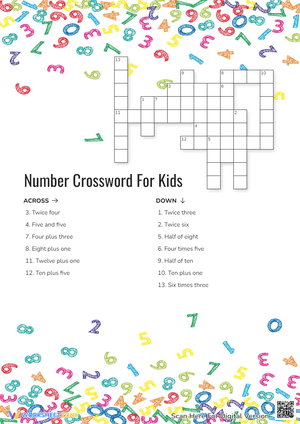
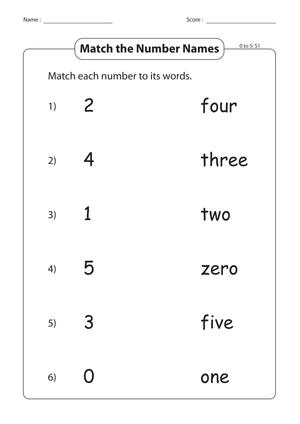
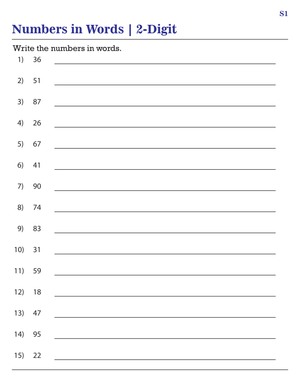
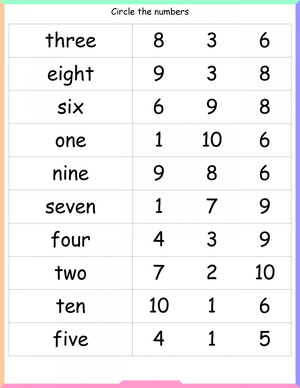
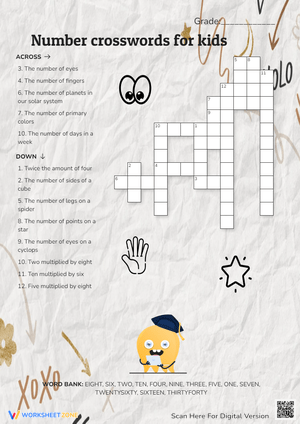
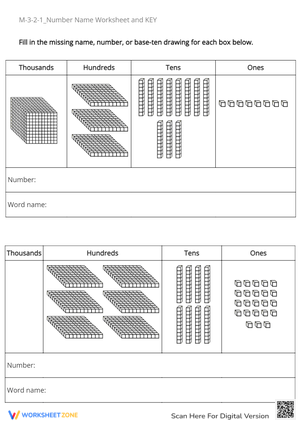
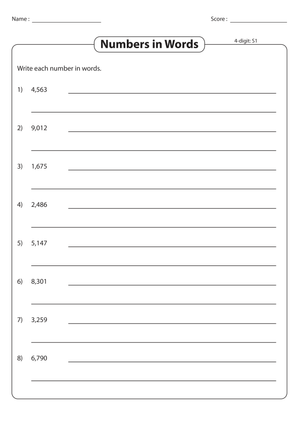
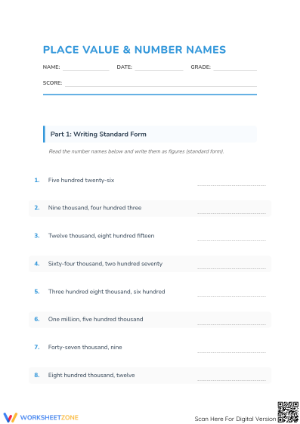
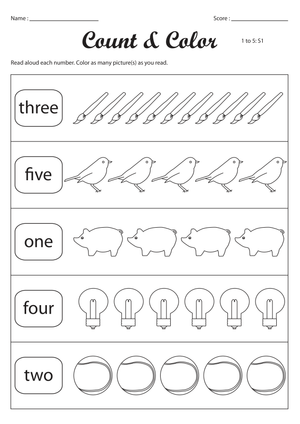
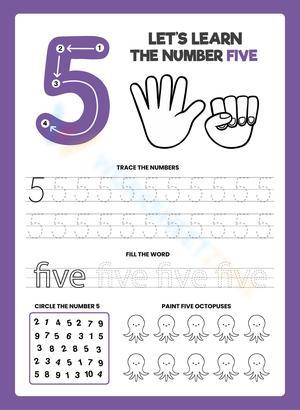
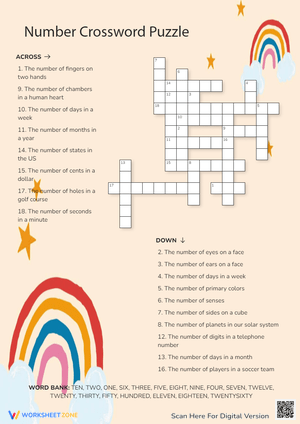
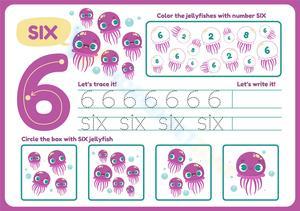
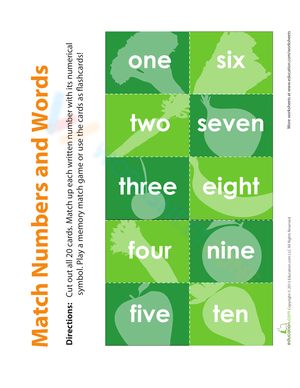
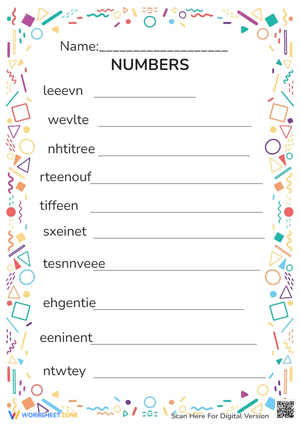
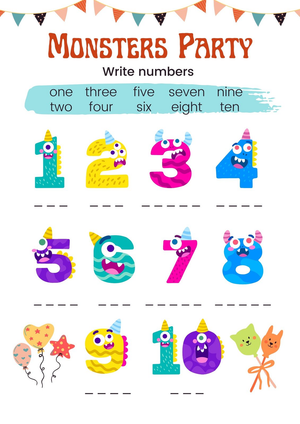
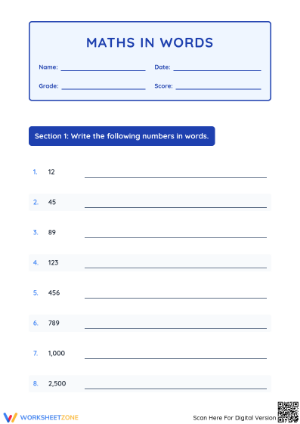
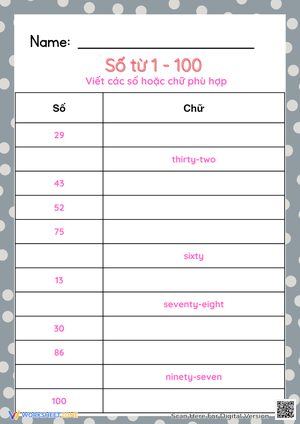
When a kindergartner can count out seven blocks but freezes when asked to write the word seven, that gap points to a specific instructional need. Number names worksheets close that gap by giving students repeated, structured practice matching numerals to their written word form. For teachers building morning work routines or math centers, these pages offer a low-prep way to reinforce a skill that touches both literacy and numeracy blocks.
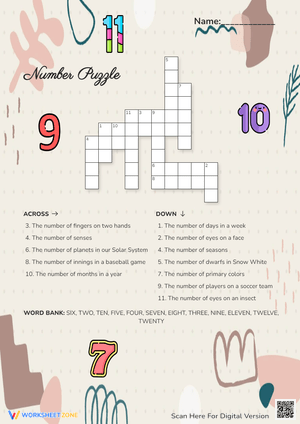
The worksheets found at Worksheetzone's numbers category give teachers a ready bank of numeral-word matching pages, making it easy to differentiate practice across a K-2 classroom without building materials from scratch.
How Number Names Support the Counting and Cardinality Progression
CCSS.MATH.CONTENT.K.CC.A.1 asks kindergartners to say the number names in the standard order while counting objects, and CCSS.MATH.CONTENT.K.CC.A.3 requires them to write numbers 0-20 and represent a count of objects with a written numeral. Number names worksheets sit right at the intersection of these two expectations. A student who can recite one, two, three while counting manipulatives still needs separate practice recognizing that the printed word three corresponds to the numeral 3. Worksheets that pair number words with numerals, dot arrays, or ten-frames give students that missing visual bridge.
The jump from K.CC.A.3 to CCSS.MATH.CONTENT.1.NBT.A.1 is steep: first graders must read and write numerals up to 120, six times the kindergarten range. Teachers who build numeral-word fluency early, rather than waiting until first grade, give students a stronger foundation for that expanded range instead of relearning the skill from scratch under more pressure.
Differentiating Practice Across Grade Bands
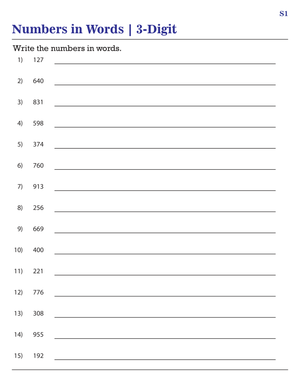
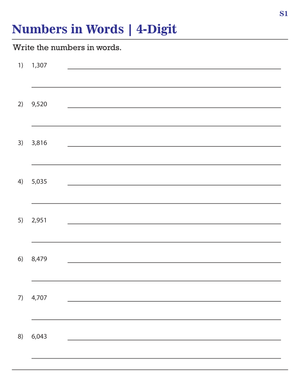
The skill does not stay static across K-2. Kindergarten work centers on 0-20, per K.CC.A.3. First grade expands to 120 under 1.NBT.A.1, and by second grade, CCSS.MATH.CONTENT.2.NBT.A.3 asks students to read and write numbers to 1000 using base-ten numerals, number names, and expanded form. That means a second-grade number names worksheet should ask students to move fluidly between 350, three hundred fifty, and 300 + 50 + 0, not just match single words to single numerals.
Teachers working with mixed-readiness groups can use the same worksheet format across grade bands by adjusting the number range: 0-20 for early kindergarten, 0-50 for late kindergarten or striving first graders, 0-120 for on-level first grade, and 0-1000 for second grade review or advanced first-grade extension.
Common Errors and How Targeted Worksheets Address Them
Teen numbers cause a predictable stumble. Students frequently reverse the order when spelling fourteen or sixteen, writing something closer to how the number sounds rather than how it is conventionally spelled, and some confuse thirteen with thirty because both start with the same sound pattern. Worksheets that isolate teen numbers into their own practice set, separate from the tens family (twenty, thirty, forty), give students focused repetition on the pattern that trips them up most.
Another common error shows up around the twenties and thirties, where students correctly know the tens word but struggle to combine it with the ones word in the right order, writing forty-six as six-forty. A worksheet that scaffolds compound number words step by step, first matching tens words alone, then ones words alone, then combining them, tends to reduce this error faster than mixed practice from the start.
Teacher Tips
- Start with numbers 0-10 before introducing teens, since the teen pattern depends on solid single-digit recognition first
- Post number words next to a hundred chart so students have a constant visual reference during independent work
- Group teen-number worksheets separately from tens-number worksheets to avoid mixing the two confusion points in one sitting
- Use color-coding, such as underlining the tens word in one color and the ones word in another, when introducing compound number words like sixty-seven
- Revisit 0-20 number names briefly at the start of first grade before jumping into the 120 range, since some students lose fluency over summer break
Frequently Asked Questions
1. What grade level are number names worksheets appropriate for?
Number names worksheets fit K-2 classrooms well. Kindergarten teachers typically use them for the 0-20 range under K.CC.A.3, first-grade teachers extend to 0-120 under 1.NBT.A.1, and second-grade teachers use them to reinforce numbers up to 1000 alongside expanded form, per 2.NBT.A.3.
2. How do number names worksheets align with Common Core counting and cardinality standards?
They directly support K.CC.A.1, which asks students to say number names in order while counting, and K.CC.A.3, which requires writing numbers 0-20 and representing a count with a written numeral. Number-word matching gives students the written-word half of that numeral fluency requirement.
3. What is the difference between teaching number names and teaching numeral writing?
Numeral writing focuses on forming the digit correctly, such as writing 7. Number names practice focuses on the written word form, such as spelling seven. Both are required by K.CC.A.3, and students often need separate practice in each because numeral formation and word spelling draw on different skills.
4. How can teachers use number names worksheets for intervention with struggling readers or writers?
Narrow the number range to match the student's current mastery level rather than their grade-level expectation, and isolate specific error patterns, such as teen-number reversals or tens-word ordering, into their own short practice sets. Pairing the worksheet with a word wall or hundred chart also gives struggling students a visual anchor during independent work.
5. How many number words should students master by the end of kindergarten versus first grade?
By the end of kindergarten, students are expected to write numbers 0-20 and match them to written words, per K.CC.A.3. By the end of first grade, that range extends to 120 under 1.NBT.A.1, meaning students should be able to read and write numerals and, with continued practice, connect them to number words well beyond the kindergarten range.