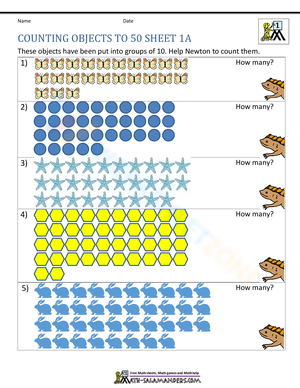
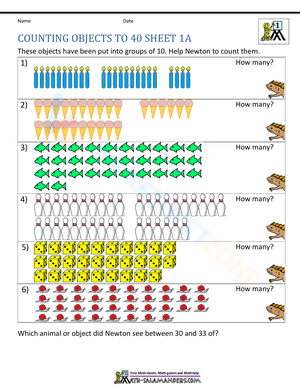
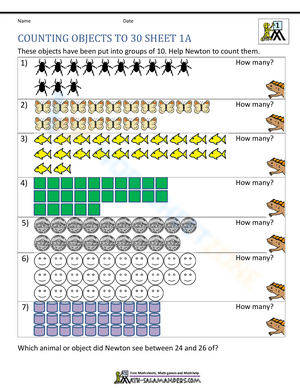
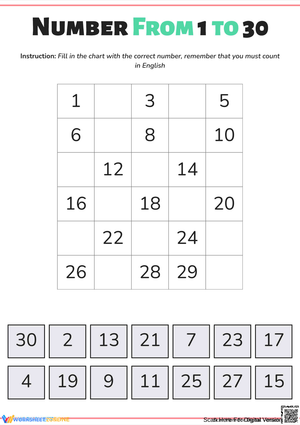
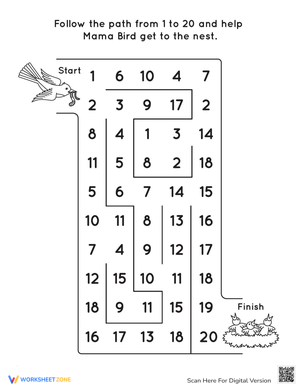
These two digit numbers worksheets give first-grade teachers a structured set of practice materials covering place value, comparison, decomposition, and early operations with numbers from 10 to 99. Each worksheet targets a specific skill so you can slot individual pages into warm-ups, guided math groups, or independent practice without reworking your lesson flow.
What Students Practice Across the Set
The worksheets move through the core competencies students need before they can add or subtract reliably with two-digit numbers. That sequence matters — students who skip straight to procedures without building place value understanding tend to reverse digits, misread tens as ones, or add columns without tracking position.
- Decomposing and composing numbers: Students write a given number as tens and ones (for example, 63 as 6 tens and 3 ones, or as 60 + 3) and reverse the process by reading a decomposed form and writing the standard numeral. The additive structure of place value only sticks when students practice both directions.
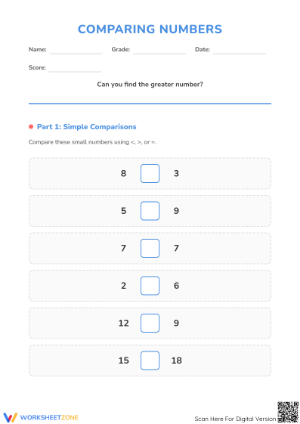
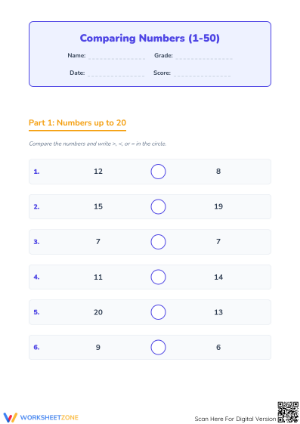
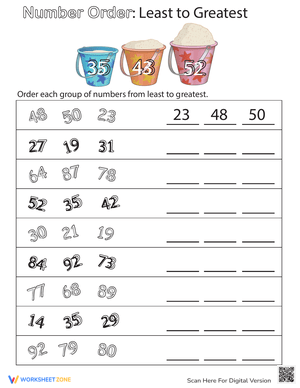
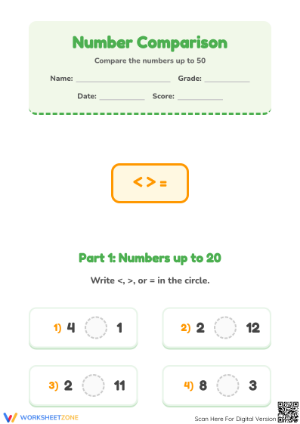
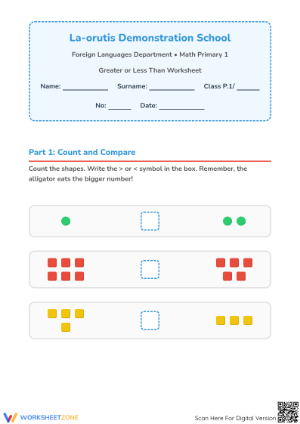
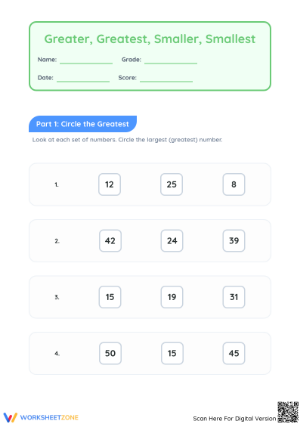
- Comparing two-digit numbers: Students use >, <, and = to compare pairs of numbers, first with visual scaffolding (base-ten block drawings printed on the worksheet) and later with numerals alone. The deliberate removal of the scaffold across worksheets mirrors gradual release.
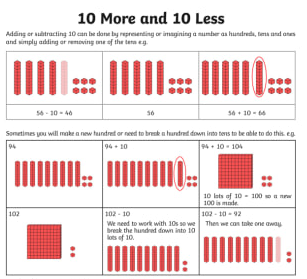
- Reading and drawing base-ten representations: Students translate between a printed drawing of rods and units and the corresponding numeral, and they draw their own representations from a given number. This back-and-forth builds the mental image that abstract place value notation requires.
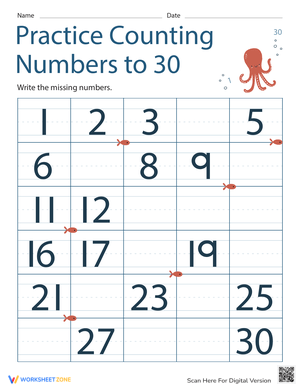
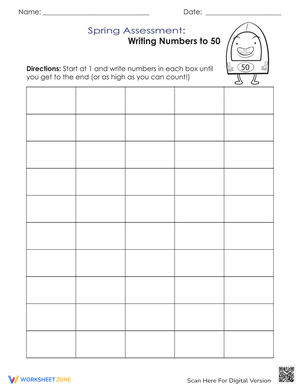
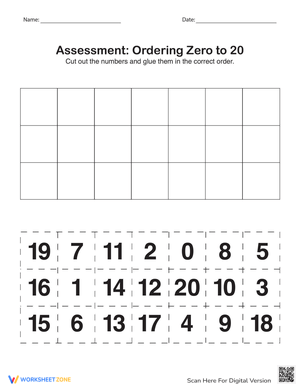
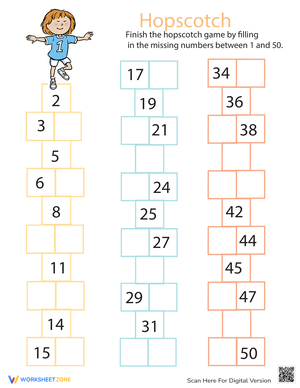
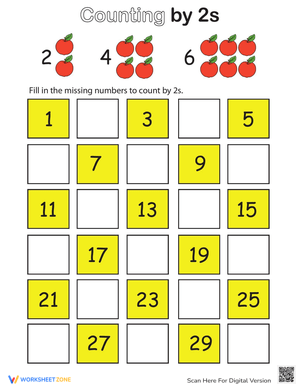
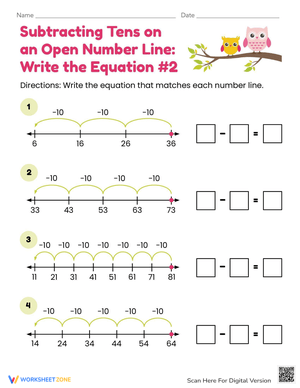
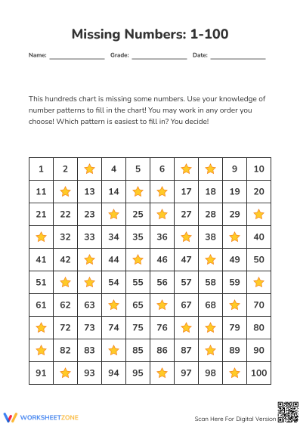
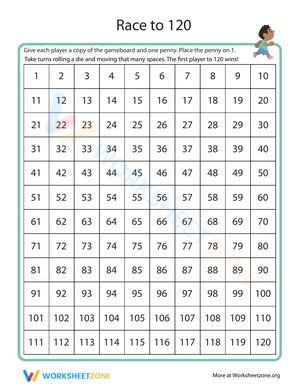
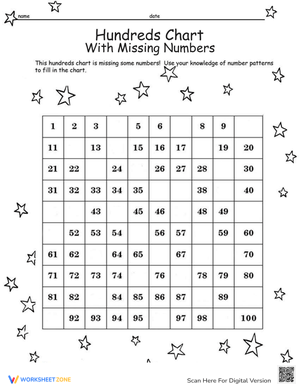
- Hundreds chart and number line work: Students fill in missing values on a partial hundreds chart and place numbers on an open number line. Both tasks train students to think about relative magnitude rather than isolated numerals.
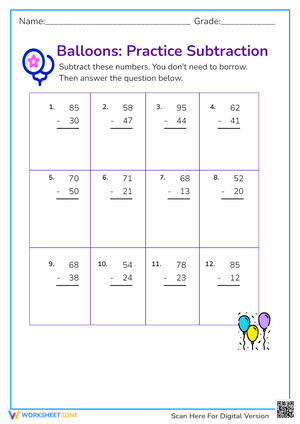
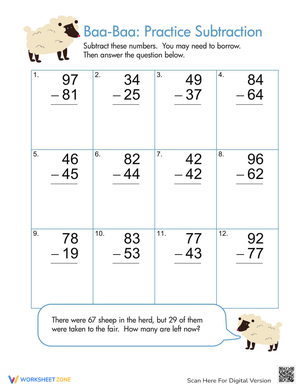
- Non-regrouping addition and subtraction: Once place value is solid, worksheets introduce adding a one-digit number to a two-digit number (such as 47 + 2) and adding multiples of ten (such as 30 + 40), keeping regrouping out of scope so students can focus on structure.
Standard Alignment
The worksheets align primarily to the first-grade Number and Operations in Base Ten cluster of the Common Core State Standards. Standard 1.NBT.B.2 — understanding that the two digits of a two-digit number represent amounts of tens and ones — is the anchor for the decomposition and base-ten representation worksheets. Standard 1.NBT.B.3 — comparing two two-digit numbers using >, <, and = — drives the comparison sequence. The non-regrouping addition worksheets address 1.NBT.C.4 and 1.NBT.C.5, which cover adding within 100 and mentally finding ten more or ten less. Kindergarten teachers working on teen numbers (K.NBT.A.1) will find the visual scaffolding in the early worksheets appropriate for that standard as well.
Frequent Student Errors Worth Watching For
The most consistent error in this unit is digit reversal during decomposition. A student who correctly reads 74 as "seventy-four" will sometimes write the expanded form as 40 + 7 because the word "four" lands in working memory more recently than "seventy." This is not a reading error — it is a sequencing error under cognitive load, and it shows up most often when students are moving quickly. Slowing them down at the decomposition step and asking them to underline the tens digit before writing anything resolves it faster than re-explaining place value.
A second pattern appears during comparison tasks: students compare the ones digits first. A student will look at 38 and 41 and mark 38 as larger because 8 > 1. Building in a step where students circle or box the tens digits before writing a comparison symbol catches this before it becomes habitual. Several worksheets in the set include that explicit prompt; others deliberately leave it out to check whether students apply the strategy independently.
Smart Ways to Work These Worksheets Into Your Weekly Lesson Plan
The place value decomposition worksheets work well as Monday warm-ups after morning meeting — the task is structured enough to start immediately, which uses the 5–6 minutes before full group instruction begins. Students who finish early can flip the worksheet and write their own number, draw the base-ten representation, and pass it to a partner to decode.
For guided math groups, the comparison worksheets double as informal assessments. Sitting with four students as they work through a page, you can watch whether anyone skips straight to ones digits or hesitates before writing the symbol. That hesitation tells you more than the answer does. If a student compares 56 and 62 correctly but then pauses on 47 and 74, the digit-reversal from the problem above may be interfering with what they're seeing.
The base-ten drawing worksheets pair well with a brief concrete phase at the start of small group: students build the number on the table with physical rods and units, sketch what they built on the worksheet, then write the numeral. That build-draw-write sequence connects the manipulative to the printed page in a way that purely abstract practice does not. By the third or fourth time through the routine, most students stop needing the physical blocks.
Frequently Asked Questions
Which grades are these worksheets designed for?
The set is built around first grade, where the primary standards for two-digit place value live. Kindergarten teachers working on teen numbers will find the heavily scaffolded worksheets useful for numbers 11–19. Second-grade teachers sometimes use the comparison and decomposition pages as a review tool at the start of the year before moving into three-digit numbers and regrouping.
Do the worksheets work without base-ten manipulatives in the classroom?
They do, but students at the beginning of the unit benefit from having physical blocks available, even briefly. The worksheets include printed base-ten representations specifically so students who don't have blocks can still access the visual — but if blocks are available, using them alongside the page during the first several lessons speeds up conceptual retention. The later worksheets in the comparison and operations sequences are designed for students who have already moved past needing the physical model.
How do I know which worksheet to use first?
Start with decomposition — tens and ones identification — before moving to comparison or operations. Students who don't yet understand that 52 means 5 tens and 2 ones will struggle to compare two numbers reliably or add a multiple of ten correctly. The skill sequence in the set follows that logic: representation and decomposition worksheets come first, comparison in the middle, and introductory operations at the end.













 Interactive Worksheet Maker
 Quiz Maker
 Word Search Maker
 Crossword Puzzle Maker
 Word Scramble Generator
 Sentence Scramble Generator
 Handwriting Worksheet Generator
 Name Tracing Generator
 Fill In The Blank Generator