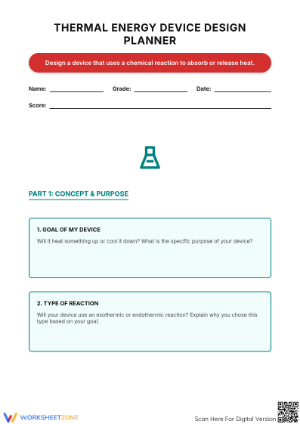
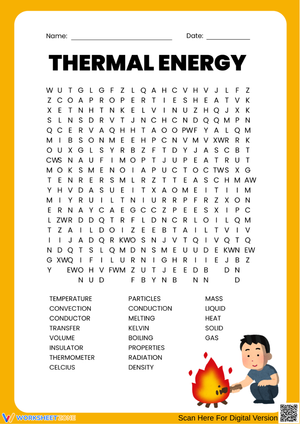
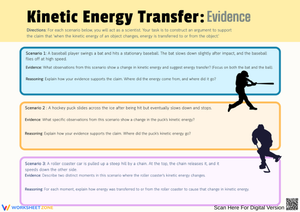
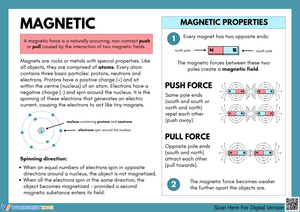
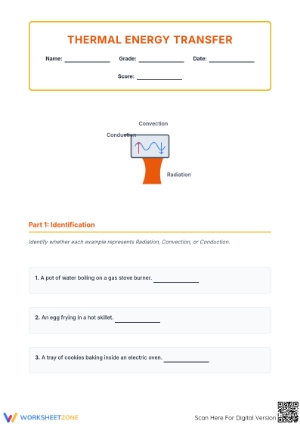
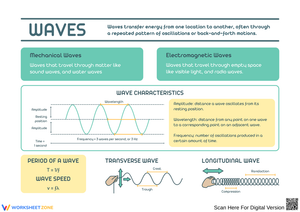
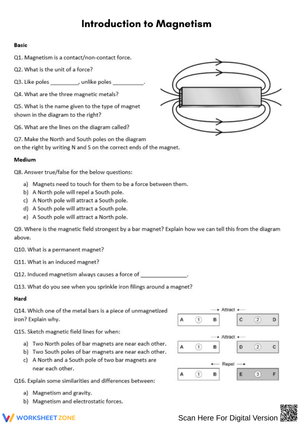
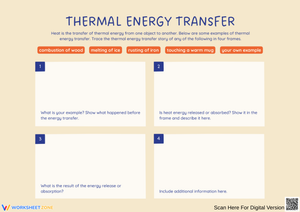
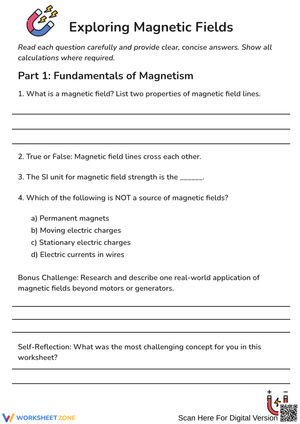
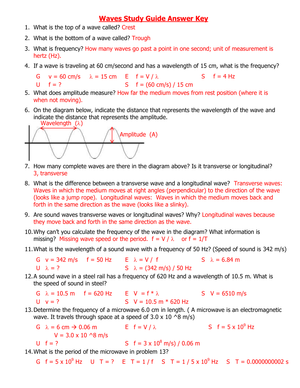
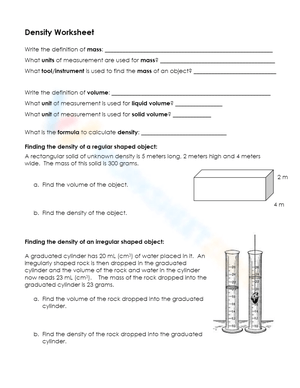
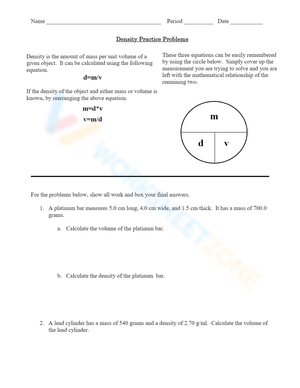
These 8th grade energy sound and light pdf worksheets give physical science teachers structured, print-ready practice across the three wave-related areas Grade 8 students most often conflate: wave properties, sound transmission, and light behavior at material boundaries. The set includes both focused skill practice and mixed review worksheets, so teachers have resources for direct instruction support, station work, and end-of-unit review without pulling from multiple sources.
What's Inside the Set
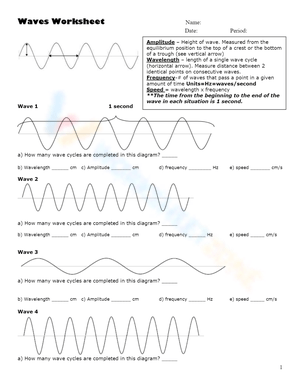
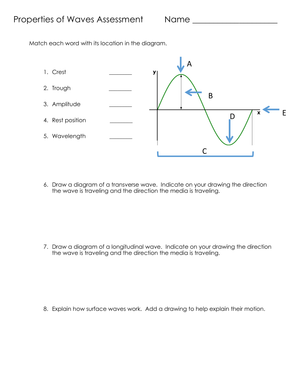
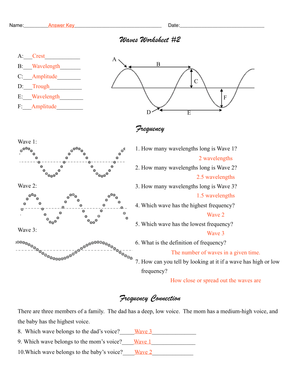
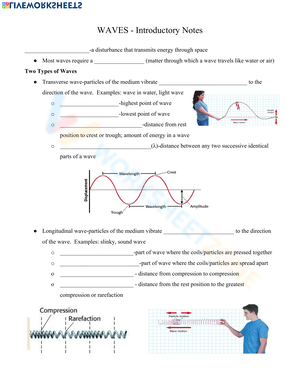
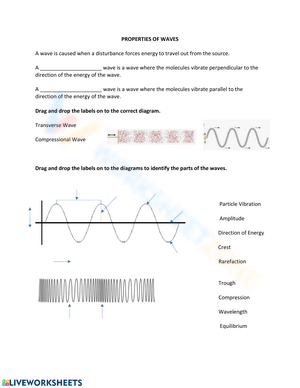
The worksheets address wave concepts students most frequently mix up at this level. Wave structure items ask students to identify wavelength, amplitude, and frequency directly from diagrams — not from a word bank, but by reading a visual and naming what they observe. That matters because Grade 8 assessments rarely present these terms in isolation; students need to read wave diagrams fluently, and worksheets that require active labeling build that fluency more reliably than matching exercises.
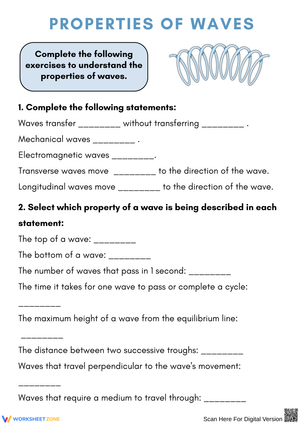
- Wave property practice: labeling crests, troughs, wavelength, amplitude, and frequency from drawn wave diagrams and interpreting what those measurements represent
- Sound behavior: connecting frequency to pitch and amplitude to volume, explaining why sound requires a medium, and distinguishing longitudinal wave behavior from transverse
- Light interactions: distinguishing reflection, refraction, absorption, and transmission with material-specific examples rather than abstract definitions
- Mixed wave review: items that pull from sound, light, and wave properties within a single worksheet, asking students to sort related ideas rather than recall memorized lists by category
The mixed review worksheets deserve a closer look. Most unit assessments at this level do not organize questions by subtopic — students are expected to shift from a wave-diagram item to a refraction question without a heading cueing the transition. Worksheets that mirror that pattern give students low-stakes practice with that kind of cognitive switching before the real assessment.
Predictable Errors Worth Catching Before They Compound
The most revealing diagnostic in this unit involves two wave diagrams drawn side by side: same wavelength, different amplitude. Ask students which wave moves faster, and a significant portion will point to the taller wave. That is the amplitude-speed conflation — students are reading visual height as a proxy for velocity. The error surfaces consistently before students go on to miss sound-volume and light-energy questions later in the unit, which makes it a useful early checkpoint. A worksheet that presents both diagrams and asks students to explain their reasoning in writing — not just circle an answer — makes this mistake visible in a way a multiple-choice pre-test does not.
Sound questions reveal a second gap: whether students understand that mechanical waves require a medium. When a student writes that sound travels through space the same way light does, they are treating both wave types as equivalent. That conceptual error should be closed before moving into light behavior; otherwise students blur the distinction throughout the rest of the unit. Light worksheets, meanwhile, tend to uncover whether students treat reflection and refraction as interchangeable because both seem to involve something "changing direction." The precise difference — one interaction stays within the same medium, the other crosses into a different one — benefits from written practice that forces students to commit to an explanation rather than offering a quick verbal answer during class discussion.
Standard Alignment
NGSS MS-PS4-2 is the primary anchor for this content. It asks students to develop and use models to describe that waves are reflected, absorbed, or transmitted through various materials. In classroom terms, that standard creates three measurable outcomes on any given worksheet: the student identifies the interaction type, names or describes the material involved, and explains the result using wave language. Worksheets that only ask students to circle "reflected" or "absorbed" from a provided list fall short of what MS-PS4-2 actually requires. The stronger items in this set require a sentence or two of reasoning — exactly the level of explanation the standard is assessing.
NGSS Appendix E places the middle school wave progression in useful context: students at this level use models involving wavelength, frequency, and amplitude, and they distinguish mechanical waves (which require a medium) from electromagnetic waves (which do not). That distinction is a natural instructional dividing line when sequencing worksheets — wave property practice first, then sound and mechanical wave behavior, then light and electromagnetic wave interactions.
Building These Worksheets Into a Waves Unit That Holds Together
The most effective approach distributes these resources across the unit rather than stacking them at the end for review week. In the first two days of instruction, a short wave-vocabulary worksheet functions as a pre-assessment. Teachers can sort student work into three groups in about ten minutes: students who already know wavelength and frequency, students with partial knowledge, and students starting from scratch. That sort informs how much time to spend modeling before moving into sound and light content.
During the middle of the unit, 8th grade energy sound and light pdf worksheets work well as station materials. Set out three or four stations — one focused on wave diagrams, one on sound scenarios, one on light interactions — and students work through each worksheet independently. The stations format holds up here because each worksheet stands alone; students do not need to have finished an earlier one to make sense of the next, so the rotation does not depend on a fixed sequence.
For sub plans, the print-and-go format is genuinely reliable. The directions stay concrete enough that students can label a wave diagram, compare two materials, or explain how sound transmission differs from light propagation without teacher facilitation. That continuity matters when a class period shifts unexpectedly and a substitute cannot troubleshoot lab equipment or run a discussion-based lesson.
Adjusting the Resources Across Ability Levels
Students who need more support with 8th grade energy sound and light pdf worksheets benefit from reduced item sets paired with written sentence starters. Instead of presenting a blank prompt asking students to explain refraction, give them a frame: Light bends when it crosses into this material because... or This wave has a greater amplitude, which means... Those frames reduce the language demand without removing the conceptual work — students still reason through the wave behavior; they just have a starting point for getting their thinking onto the worksheet.
Students who are ready for more challenge can complete the full worksheet and then add a written justification for each diagram item — explaining not just what they labeled but why the wave looks the way it does. A student who correctly labels amplitude and then writes a sentence connecting it to the energy carried by the wave is demonstrating MS-PS4-2 at a higher level of sophistication. That extension does not require a separate worksheet; it requires a different prompt attached to the same one.
Frequently Asked Questions
What wave topics do these worksheets actually cover?
The set covers wavelength, frequency, amplitude, the relationship between wave properties and sound behavior (pitch and volume), why sound requires a medium, and how light behaves at material boundaries — including reflection, refraction, absorption, and transmission. Mixed review worksheets pull items from across those areas rather than keeping each concept in its own section.
How do these worksheets connect to NGSS middle school standards?
The primary alignment is MS-PS4-2, which asks students to use models to explain reflection, absorption, and transmission through materials. The stronger worksheets in this set require students to interpret wave diagrams and write brief explanations — not just select a term from a list — which is the level of reasoning MS-PS4-2 actually expects.
Where do these worksheets fit within a full waves unit?
The 8th grade energy sound and light pdf worksheets in this collection work well at multiple points in a unit: early as pre-assessment, mid-unit as station work or homework, and at the end as cumulative review. Each worksheet stands alone, so teachers do not need to assign them in sequence. The most productive placement is distributed — one or two worksheets per week throughout the unit rather than a stack assigned the night before a test. Students who practice wave property interpretation, sound reasoning, and light behavior in separate sessions over two weeks retain the distinctions between concepts more reliably than students who review everything in one sitting.
Can these be used for intervention and reteaching, not just new instruction?
Yes, and that is one of the more practical uses for this set. Pull a small group after a quiz, give students a wave-diagram worksheet with targeted prompts, and identify in about fifteen minutes whether errors come from vocabulary gaps, diagram-reading problems, or a deeper conceptual misunderstanding. The written-response items make the source of the error visible in a way that reviewing a multiple-choice test does not.












 Interactive Worksheet Maker
 Quiz Maker
 Word Search Maker
 Crossword Puzzle Maker
 Word Scramble Generator
 Sentence Scramble Generator
 Handwriting Worksheet Generator
 Name Tracing Generator
 Fill In The Blank Generator