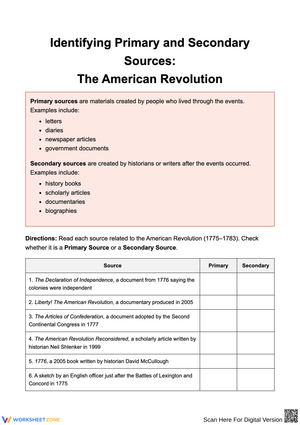
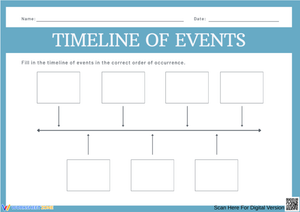
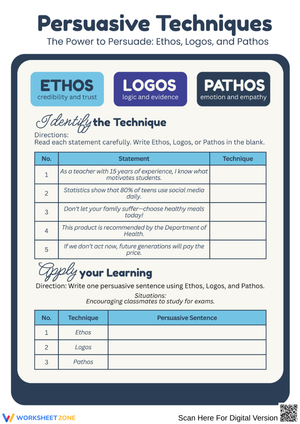
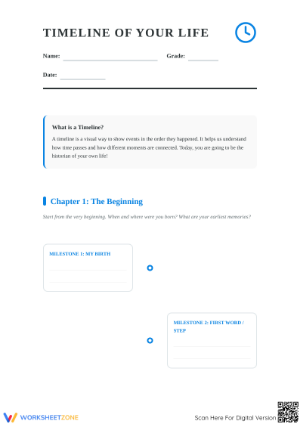
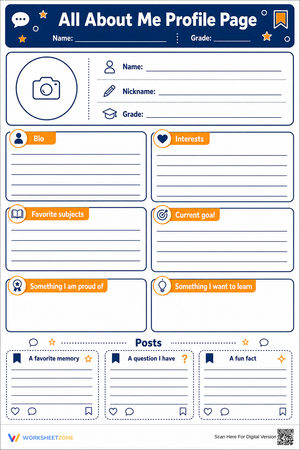
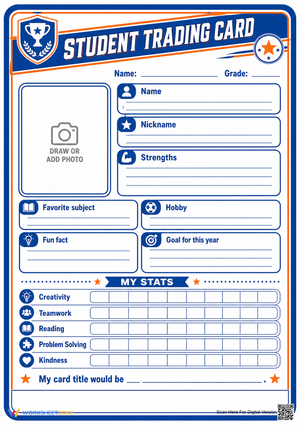
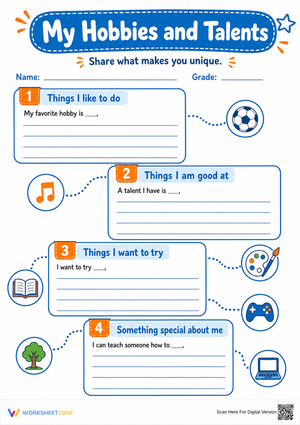
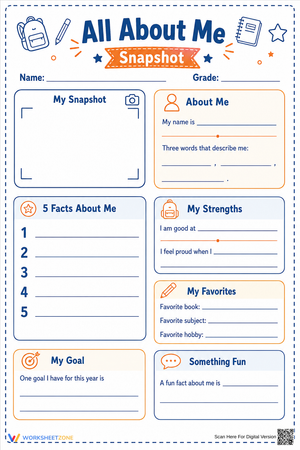
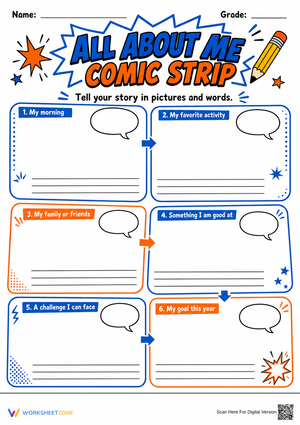
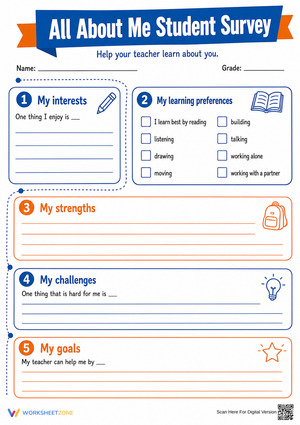
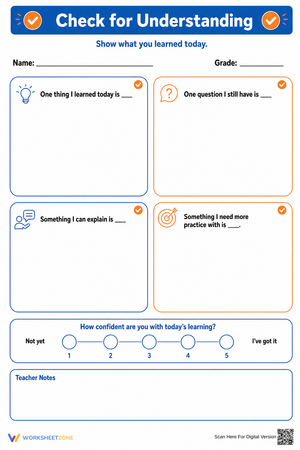
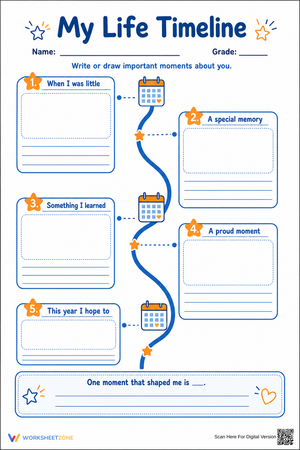
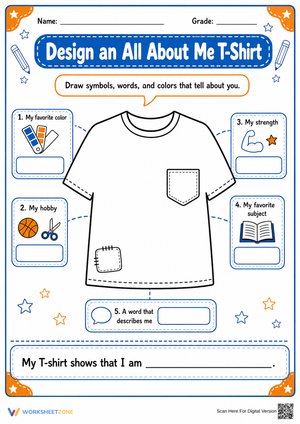
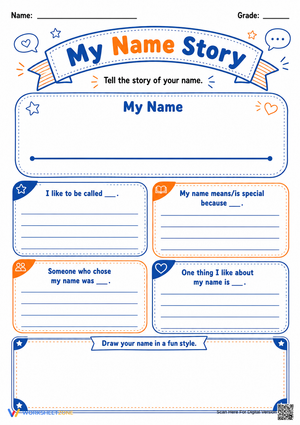
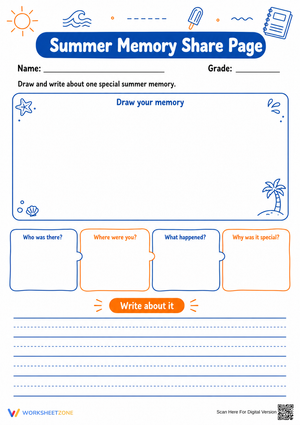
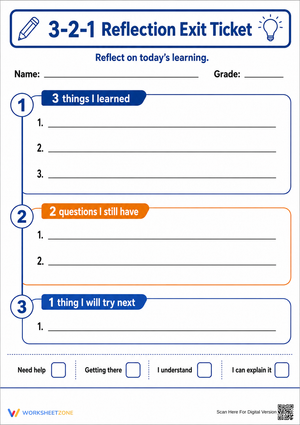
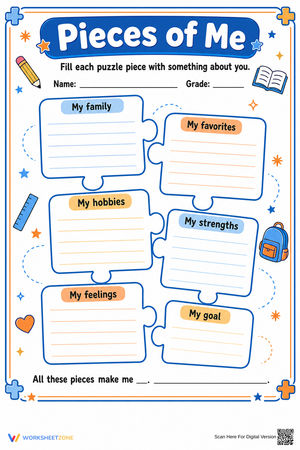
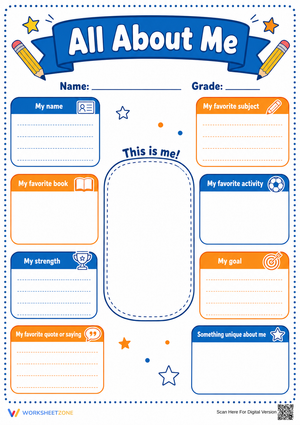
These 5th grade nonfiction writing printable worksheets give teachers structured practice for informative writing — the kind where students must do more than copy facts into blanks. Each worksheet targets a distinct component: introducing a topic with genuine focus, grouping related details into logical sections, developing ideas with evidence, and using transitions that actually connect rather than just pad. The resources are built for the specific demands of grade 5 informative writing, not repurposed from opinion or narrative formats.
The Specific Skills Targeted
At fifth grade, the jump from "listing what I know" to "explaining what I know" is real, and it takes direct instruction to make. These worksheets address that gap by isolating the moves informative writers need to make consistently.
- Topic focus and introduction: Students write leads that establish the subject without summarizing the whole piece or restating the title as a sentence.
- Logical grouping: Students sort details into categories before drafting, so body sections hold together around one idea rather than jumping from fact to unrelated fact.
- Elaboration: Students expand main ideas using facts, definitions, examples, or brief quotations — not by repeating the same idea in different phrasing.
- Text structure and signal words: Students identify and apply expository patterns — description, cause and effect, compare and contrast — and match transition words to the structure they are using.
- Conclusions: Students write closings that reflect on the topic rather than simply restating the opening sentence.
Each worksheet concentrates on one or two of these moves rather than asking students to manage all of them at once. That separation matters at this grade level because fifth graders are still building the writing stamina to hold multiple demands in mind during a single draft.
Frequent Student Errors Worth Watching For
The most persistent error in fifth grade informative writing is not a grammar problem — it is a structural one. Students generate facts, then place them in whatever order they came to mind. A paragraph about the water cycle might read: "Evaporation happens when water heats up. Precipitation is rain or snow. Condensation makes clouds. Water evaporates from oceans." The facts are accurate; the organization is random. Most students do not see the problem because they read back what they intended rather than what they actually wrote.
A second pattern shows up in elaboration. Students equate length with quality, so they pad instead of develop: "The water cycle is important. It is very important for living things. Many living things need the water cycle." Highlighting that kind of padding during a revision task — circling every sentence that restates instead of advances — helps students understand that elaboration means adding new information, not more words. These 5th grade nonfiction writing printable worksheets include revision exercises built for exactly that moment, where students mark what is genuinely new versus what is filler.
A third error appears in transitions. Students default to also, another, and in addition for every connection regardless of whether they are adding information, contrasting ideas, or showing cause and effect. Transition sorting tasks — match the signal word to the text structure — expose that habit quickly and give students a concrete vocabulary to replace it.
How to Build These Worksheets Into Your Lesson Plans
The most practical sequence is a gradual release across a unit: anchor chart and teacher model on day one, a structured planning worksheet on day two, a short drafting task on day three, and a targeted revision worksheet on day four. That rhythm keeps the cognitive load manageable and gives students repeated contact with the same informative writing moves before they apply them independently.
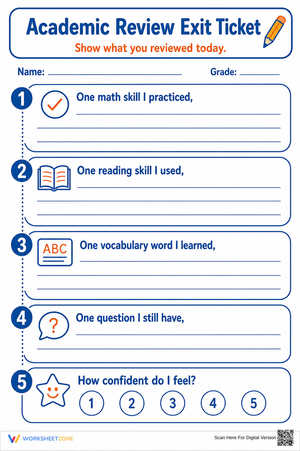
For the ten minutes before the end of a writing block — when a full draft is not realistic but something productive needs to happen — a focused revision worksheet works well. Students can revise only transitions, or rewrite one weak introduction, and still leave with evidence of growth that day. Exit ticket formats within the set serve a similar function: one focused prompt and a clear skill the teacher can assess before the next lesson.
- Whole class: Project and model one worksheet task, then have students complete their own version independently as formative feedback.
- Small group: Use the planning or revision worksheets to reteach elaboration or text structure while the rest of the class drafts.
- Centers or independent work: Students complete drafting or revision tasks while the teacher confers with individual writers.
- Homework or extension: A planning worksheet sent home extends a topic students already discussed in class, keeping the task grounded in prior knowledge.
Standard Alignment
These worksheets align to CCSS.ELA-LITERACY.W.5.2, which requires fifth graders to write informative or explanatory texts that introduce a topic clearly, group related information logically, and develop ideas using facts, definitions, details, quotations, or examples. The standard also calls for transitions that link ideas and a concluding statement that follows from the information presented.
Within the writing progression, W.5.2 builds on the fourth grade expectation of grouping information by adding the demand for developed elaboration and precise transitions. That step up is where most fifth graders need the most support, and it is the work these worksheets put at the center — not topic sentences or spelling, but the move from stating a fact to actually explaining it.
Differentiating These Worksheets Across Ability Levels
The planning worksheets work well for students who freeze in front of a blank draft. Adding sentence stems — "One important detail is…" or "This matters because…" — to the elaboration sections gives those students a starting structure without removing the intellectual work of choosing and explaining their own details.
For students who write fluently but produce disorganized drafts — a common profile in fifth grade — the revision worksheets are more useful than the planning pages. Those students benefit from annotating their own writing: labeling what each paragraph does, circling sentences that repeat instead of advance, and reworking one section before moving to the next. That approach gives strong writers a real challenge rather than a task they finish in four minutes.
Advanced writers can use the short-response worksheets as timed practice, responding to an informational prompt in 15 to 20 minutes with close attention to structure and precise transitions. For students working below grade level, reducing the required sections from three body paragraphs to two — while holding the expectation for elaboration and transitions — keeps the task within reach without dropping the skill demand. These 5th grade nonfiction writing printable worksheets support that kind of flexible adjustment without requiring the teacher to build separate materials from scratch.
Frequently Asked Questions
What does a fifth grader need to do differently in informative writing compared to fourth grade?
The biggest shift is in elaboration. Fourth grade asks students to group information and add some details. Fifth grade requires students to develop those details — explain definitions, connect examples back to the main idea, and use evidence purposefully rather than just listing it. Transitions also become more precise at this grade; students should be selecting signal words that match their text structure, not defaulting to also or first, second, third for every piece.
Can these worksheets be used across content areas, not just ELA?
Yes. The planning and drafting worksheets are built around informative writing moves, not specific topics. A student can use a category-sorting organizer for a science report on ecosystems or a social studies piece on immigration just as easily as an ELA response. The same organizational expectations apply whether the content comes from reading workshop or a science unit, which means the set stays useful across the full school day without any adaptation.
How do these worksheets fit into a test-prep routine?
Many state assessments include a brief explanatory response: read a short passage or prompt, then write an organized explanation under time pressure. These 5th grade nonfiction writing printable worksheets build exactly that habit — selecting relevant details quickly, grouping them before drafting, and writing transitions that hold the response together. Regular short-response practice with these worksheets builds the writing fluency those tasks require.
What should I look for when reviewing student work from these worksheets?
Start with structure: did the student group related ideas, or is the paragraph a list of unconnected facts? Then look at elaboration: is each main point explained and developed, or just asserted? Finally, check transitions — are the signal words doing real logical work, showing contrast, cause, or sequence, or are they filler? Those three checkpoints give a fast read on where each student is in the informative writing progression and tell you which worksheet task to assign next.












 Interactive Worksheet Maker
 Quiz Maker
 Word Search Maker
 Crossword Puzzle Maker
 Word Scramble Generator
 Sentence Scramble Generator
 Handwriting Worksheet Generator
 Name Tracing Generator
 Fill In The Blank Generator