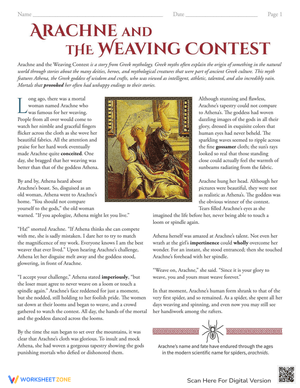
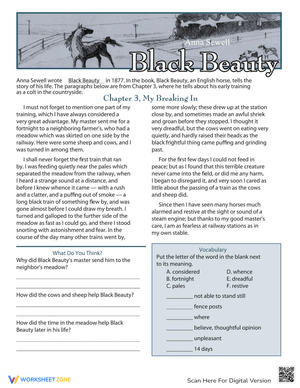
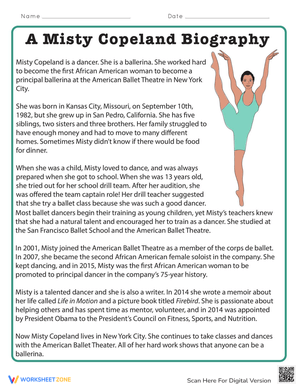
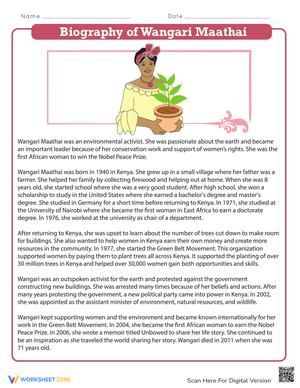
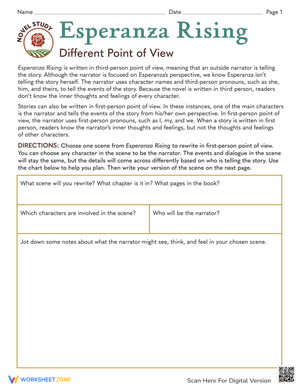
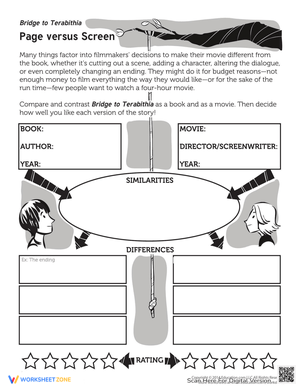
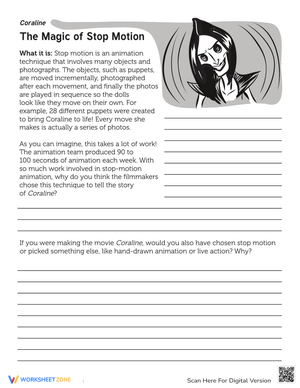
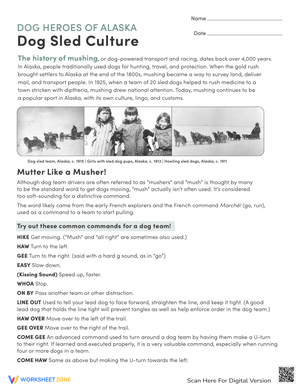
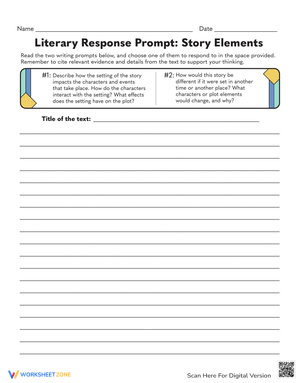
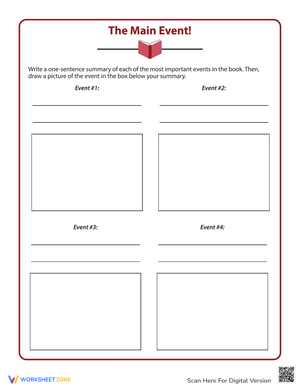
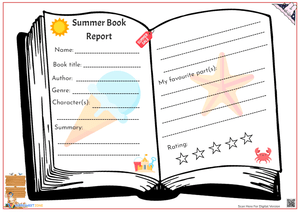
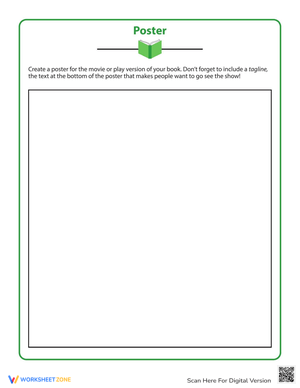
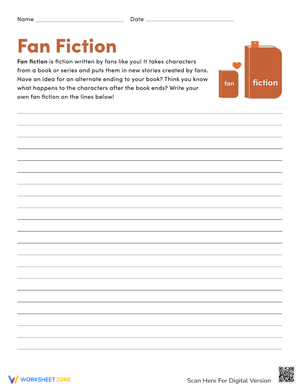
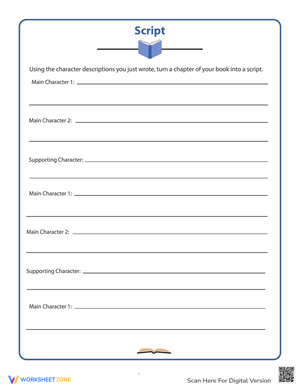
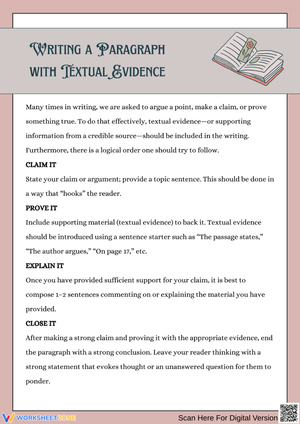
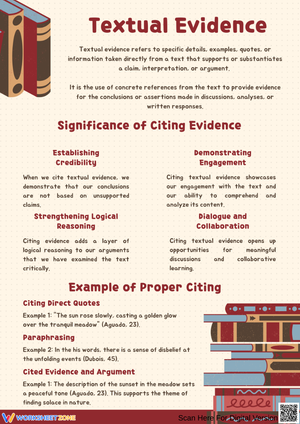
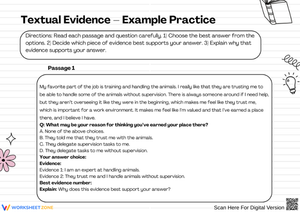
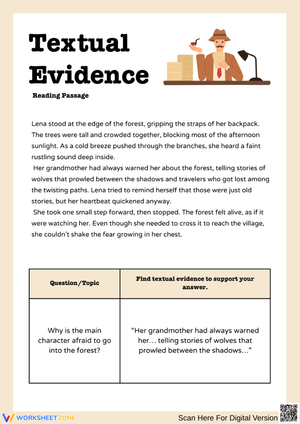
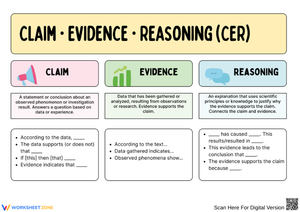
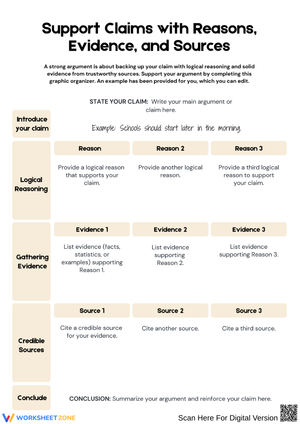
These response to literature worksheets for 5th grade put an evidence-based writing routine in teachers' hands without requiring a full writing unit to make them work. In grade 5 classrooms, literature response isn't usually a standalone block on the schedule — it fits into the minutes after a read-aloud, inside a literature circle rotation, during independent reading check-ins, and in the constructed-response practice that ramps up before state testing. Each worksheet pairs a focused prompt with enough room for students to state an interpretation, select supporting evidence, and explain their reasoning in writing.
The Specific Skills These Worksheets Build
At grade 5, the jump from comprehension to written analysis is where many students stall. They can tell you what happened in a story; the harder move is making a claim about why it happened — or what the author's choices reveal — and then backing that claim with text details. Each worksheet in this set targets that specific progression.
- Stating a clear interpretation or claim, not just a plot summary
- Quoting or paraphrasing accurately from the passage
- Tracing how a character's actions connect to a central theme
- Comparing how two characters, settings, or texts handle a shared idea
- Writing complete, organized responses rather than fragmented answers
The comparison prompts deserve particular attention. Many grade 5 students handle single-text questions reasonably well, but when asked to connect two texts around a shared theme, they tend to summarize each one separately rather than analyze the relationship between them. Choosing response to literature worksheets for 5th grade that include explicit comparison prompts — ones that ask students to name one shared idea and support it with details from both texts — directly addresses that gap.
Frequent Student Errors Worth Watching For and Correcting
The most consistent error pattern at this level isn't misreading — it's quote-dropping. A student finds a relevant line, copies it into the response, and considers the job done. The explanation never arrives. What they wrote may look like a complete response at a glance, but it's missing the analytical move: connecting the evidence to the claim. Students who quote-drop often have genuine comprehension; they're just not yet practiced at explaining their own thinking in writing.
A second pattern is what might be called the "correct answer, wrong address" problem. A student writes a perfectly valid observation — say, that the character learns to trust others — but places it at the end of the response instead of as the opening claim. Their thinking is sound; the structure is inverted. Returning to those responses in a quick class share and asking students to identify which sentence is the main idea gives them practice restructuring without requiring a full rewrite.
Third: students in the developing range often confuse theme with lesson. They write that the theme is "be kind" rather than identifying a statement the text actually supports — something like "people who ask for help recover faster than those who don't." That's a conceptual misunderstanding, not a vocabulary problem, and it affects everything downstream: the claim, the evidence selection, the explanation.
Standard Alignment
These worksheets address CCSS.ELA-LITERACY.RL.5.1, which requires students to quote accurately from a text and explain both explicit information and inferences drawn from it. That standard drives the evidence-citing work across the set. CCSS.ELA-LITERACY.RL.5.2 — determining theme and summarizing text — is the target for the theme-analysis prompts. CCSS.ELA-LITERACY.RL.5.3, which covers character and event development and comparison, supports the prompts asking students to trace how two characters respond differently to a shared challenge.
In classroom terms, RL.5.1 shows up every time a teacher asks students to prove an idea with text. It's not a skill that gets taught once and checked off — it surfaces in guided reading groups, in literature circles, and on most state assessment constructed-response items. The worksheets in this set are built for that recurring use, not just for test-prep season.
How to Work These Worksheets Into Your Lesson Plans
The most reliable placement is the 10–12 minutes after a shared reading lesson closes. Students have just engaged with the text, the thinking is fresh, and a focused prompt gives the teacher immediate information about whether comprehension translated into written reasoning. Each worksheet launches without setup — a student picks it up, reads the prompt, and starts writing.
For small groups, the response structure of each worksheet makes it easier to isolate a specific gap. If a group is strong at locating quotes but weak at explaining them, the teacher can work through just that section with three or four students while the rest of the class works independently. That's a sharper use of small-group time than rereading the passage together.
Substitute folders are another real use case. A worksheet with a short passage excerpt and a response prompt gives a sub a manageable activity with no technology and no complicated directions. The response to literature worksheets for 5th grade format works here because the prompt is self-explanatory and the writing structure keeps students on task without teacher facilitation.
Exit tickets deserve mention too. A single well-written prompt — Which event best supports the theme? Use evidence to explain. — takes five minutes and returns clear information about who understood the lesson's reading target and who needs a reteach the next morning.
Adjusting the Set for Different Student Levels in the Same Room
The easiest lever is structure. Students who need more support get the same prompt but with sentence frames — The character shows this when... or One detail that supports my answer is... — that provide an entry point without reducing the thinking demand. Students working at grade level respond in a full paragraph without frames. Students ready for enrichment tackle a second prompt asking them to compare two texts or evaluate whether the evidence actually supports the author's stated message.
Response length is the second adjustment. Three focused sentences with a direct evidence frame can be the right target for a student who still struggles to hold a claim and a supporting detail in working memory at the same time. A developed multi-sentence paragraph is the right target for a student who has that move down and needs practice with the explanation step. Holding the same reading target while varying the writing load keeps all students working on grade-level thinking — the output just looks different.
One honest limitation worth naming: students who freeze when shown an unfamiliar passage — who need several minutes to orient before writing anything — may find these worksheets more frustrating than productive without a teacher nearby. The format assumes students can engage with a short text independently. For students who can't do that yet, each worksheet works better as a teacher-led activity than as independent practice.
Frequently Asked Questions
What makes a literature response worksheet different for 5th grade than for earlier grades?
The response to literature worksheets for 5th grade in this set reflect the specific shift the standards require at this level: from retelling and identifying story elements to constructing interpretations and supporting them with text evidence. Earlier grades concentrate on comprehension — what happened, who was involved. By fifth grade, the expected move is analytical — why it matters, what it reveals, how it connects to theme. The prompts in these worksheets are written with that distinction in mind.
Can these worksheets pair with any literature selection, or do they require specific texts?
Each worksheet uses a prompt structure that works with most grade-level narrative or literary texts — a read-aloud, a chapter from a class novel, a short story in a basal reader, or an independently selected book. Teachers using them for independent reading often ask students to apply the prompt to whatever text they're currently reading, which works as long as students have enough of the book to support a text-evidence response.
How do these worksheets fit into a test-prep routine without turning into mechanical drill practice?
The difference between productive constructed-response practice and hollow test prep is whether students are doing real analytical thinking or just filling in blanks. These worksheets ask students to make interpretive moves — identifying a theme, weighing evidence, comparing characters — so the habits they build carry over directly to state assessment tasks. The format happens to match what tests require, but the skill being practiced is analytical reading, not answer formatting.












 Interactive Worksheet Maker
 Quiz Maker
 Word Search Maker
 Crossword Puzzle Maker
 Word Scramble Generator
 Sentence Scramble Generator
 Handwriting Worksheet Generator
 Name Tracing Generator
 Fill In The Blank Generator