When I first introduced 4th grade wise mind worksheets into my classroom routine, I noticed something shift almost immediately. Students who usually struggled to put their feelings into words suddenly had a structure that helped them pause, reflect, and respond rather than react. That moment reminded me why the right printable resource can change the entire tone of a lesson on emotional learning.
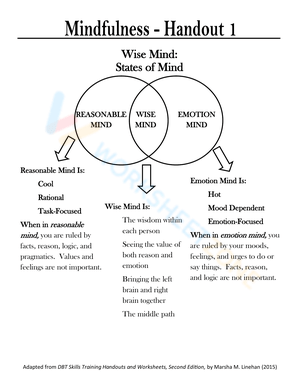
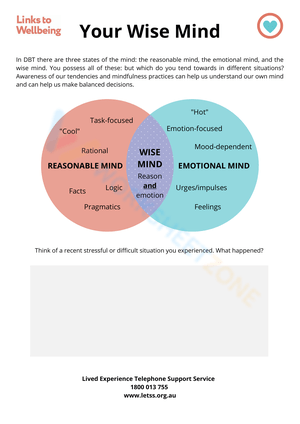
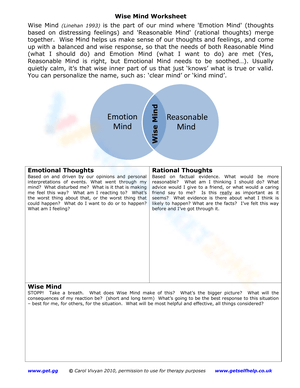
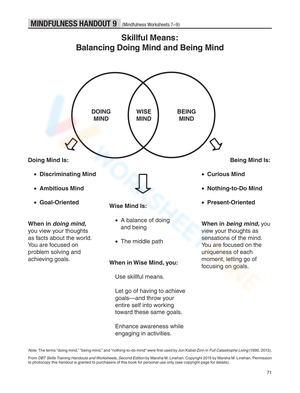
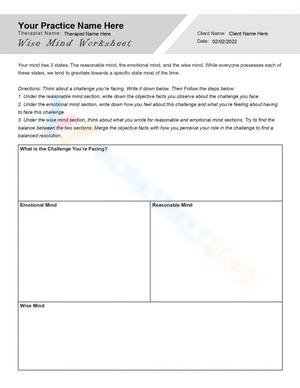
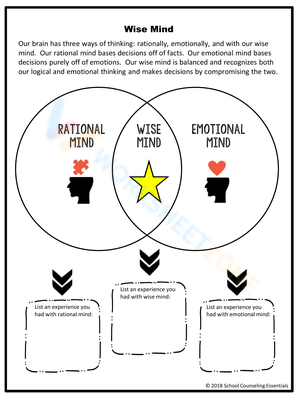
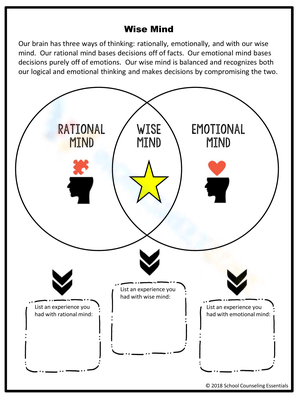
The concept of the wise mind comes from dialectical behavior therapy, and it describes the balanced space between pure emotion and pure logic. For fourth graders, this idea translates beautifully into classroom activities. Worksheets that guide students through identifying their emotional mind and their rational mind help them practice finding that calm middle ground where thoughtful decisions live. Teachers report that students begin applying this skill not just on paper but in real hallway and playground situations.
Parents play an equally important role in reinforcing these lessons at home. When a child brings home a wise mind worksheet, it opens a natural conversation about how feelings and thinking work together. Sitting down together to complete a reflection prompt or a decision-making scenario builds both emotional vocabulary and trust between parent and child. These printable PDF activities require no special materials and fit easily into an evening routine. For families looking to extend this learning, exploring mindfulness activities for kids can offer additional strategies that complement what students practice in school.
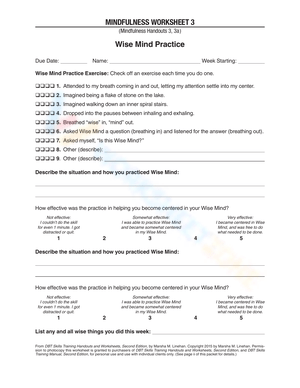
From a teacher's perspective, adding structured mindfulness tools to a lesson plan does not have to be complicated. A single worksheet used as a morning check-in or a closing reflection can anchor the day's social-emotional content. Students learn to observe their own thinking patterns, recognize triggers, and choose responses that align with their values and goals. Worksheetzone offers a range of printable resources designed for the classroom, including emotional regulation worksheets that pair well with wise mind activities across grades.
Building emotional intelligence in students takes consistent, low-pressure practice. These 4th grade wise mind worksheets give every student, regardless of their learning style, a concrete way to develop that skill one page at a time.
Frequently Asked Questions
Question 1: What is the wise mind concept used in these worksheets?
The wise mind is a concept from dialectical behavior therapy that represents the balanced state between emotional thinking and rational thinking. In 4th grade wise mind worksheets, students learn to identify when they are acting from pure emotion or pure logic and practice finding a calm, balanced middle ground. This skill supports better decision-making and self-awareness in everyday situations.
Question 2: How can teachers use wise mind worksheets in the classroom?
Teachers can use these worksheets as morning check-ins, lesson warm-ups, or closing reflections. The printable PDF format makes them easy to distribute and collect. They work well as individual activities or as part of a group discussion on social-emotional learning, helping students connect personal experiences to the lesson content in a structured and supportive way.
Question 3: Are these worksheets suitable for parents to use at home?
Yes, 4th grade wise mind worksheets are well-suited for home use. Parents can work through the prompts alongside their child to encourage open conversation about emotions and choices. The activities require no special supplies and are designed to be accessible, making them a practical tool for any family wanting to support their child's social-emotional development outside of school.
Question 4: What skills do students develop from wise mind worksheet activities?
Students develop several key social-emotional skills, including self-awareness, emotional regulation, and thoughtful decision-making. By regularly practicing the wise mind framework through worksheet activities, fourth graders build the habit of pausing before reacting, recognizing their feelings without being controlled by them, and choosing responses that reflect their values and goals.