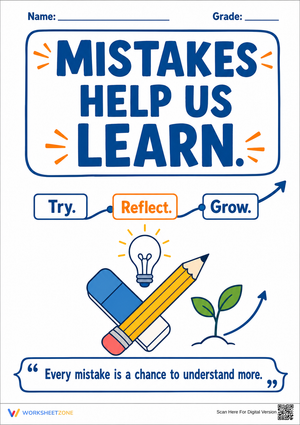
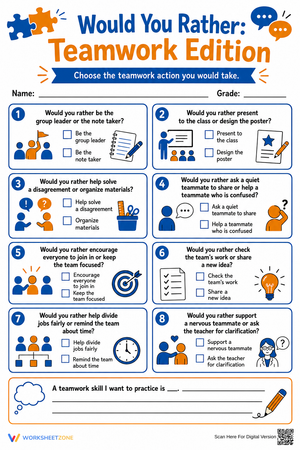
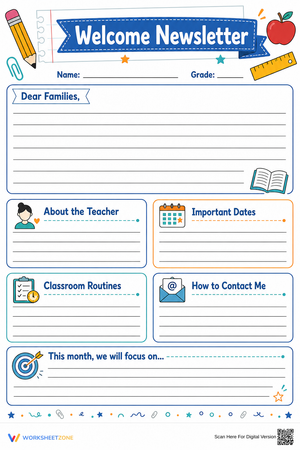
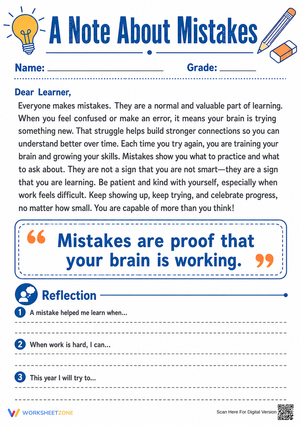
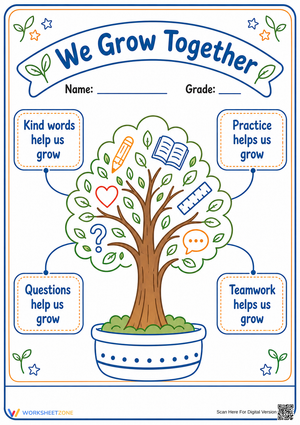
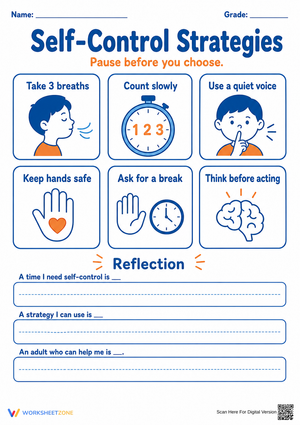
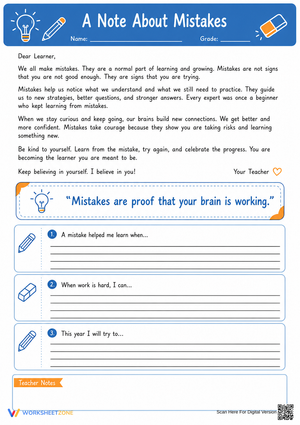
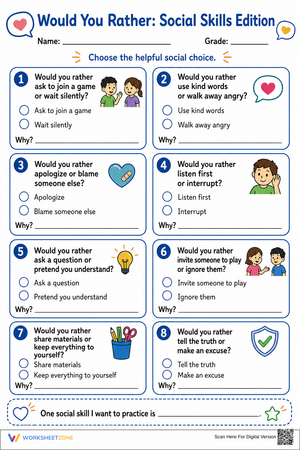
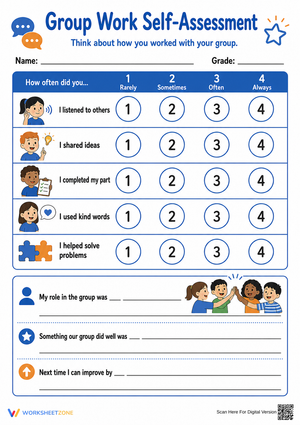
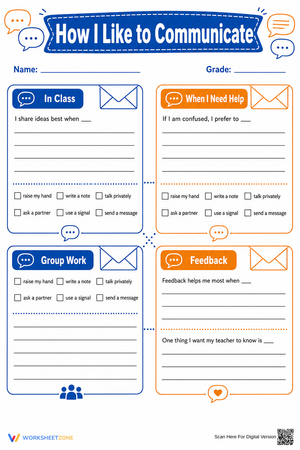
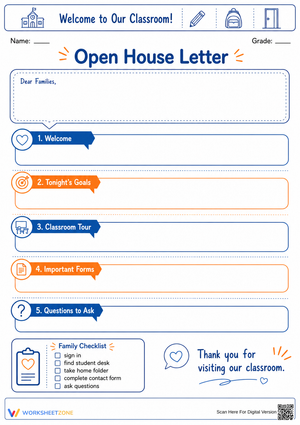
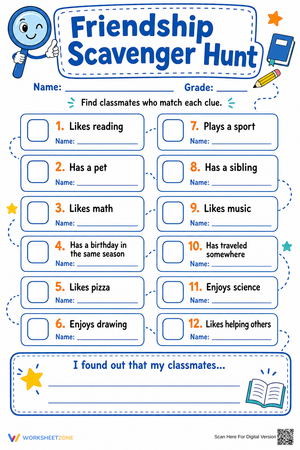
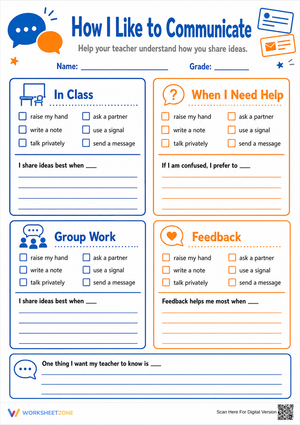
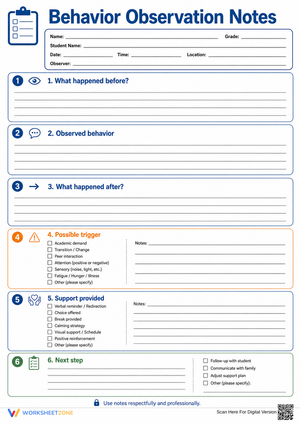
I still remember the afternoon a student in my fourth grade class sat alone at recess, unsure how to join a group game already in progress. That moment reminded me that academic skills are only part of what students need at this stage. Finding the right 4th grade social skills worksheets gave me a practical way to address those quieter struggles directly inside the classroom, using structured activities that students could relate to and learn from.
When I introduced these printable worksheets into our weekly routine, something shifted. Students who had been reluctant to share during group discussions began opening up. The worksheets gave them a scaffold - a language for emotions, a framework for conflict resolution, and prompts that made empathy feel approachable rather than abstract. Teachers often find that fourth grade is exactly the right time to build these foundations, as students are developing more complex peer relationships and beginning to navigate group dynamics on their own.
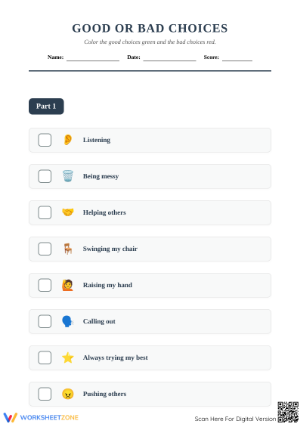
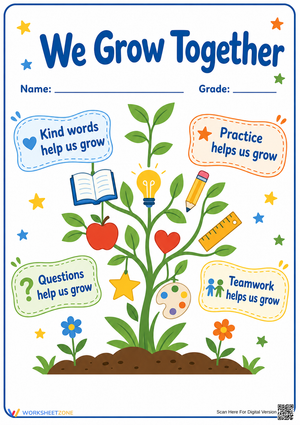
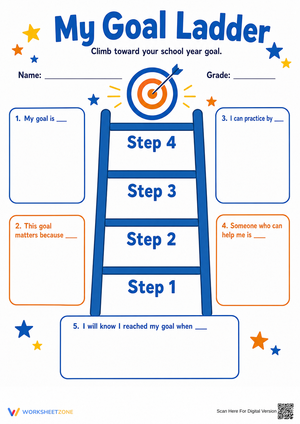
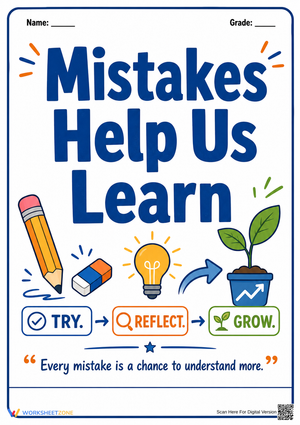
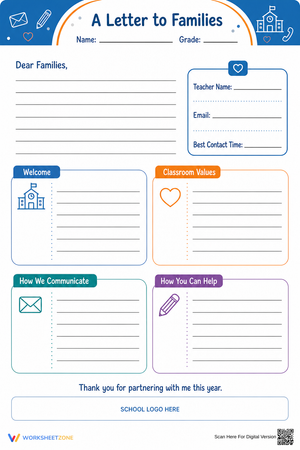
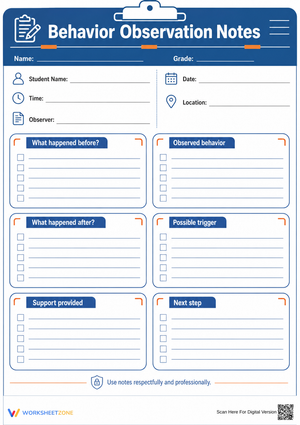
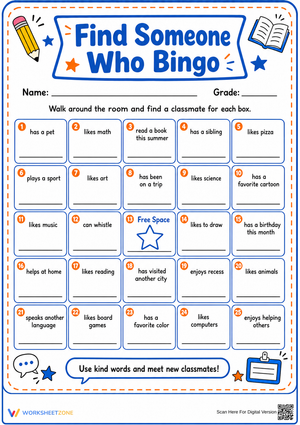
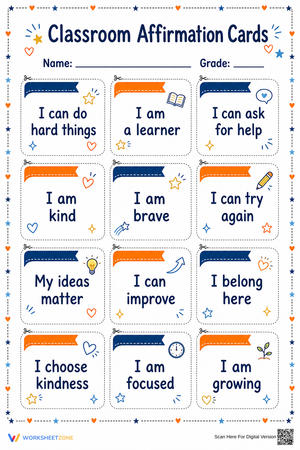
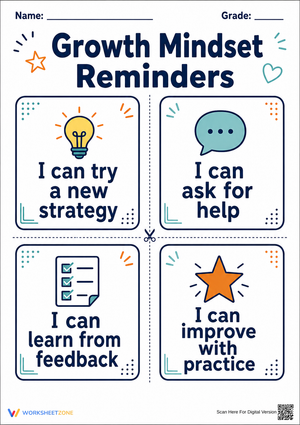
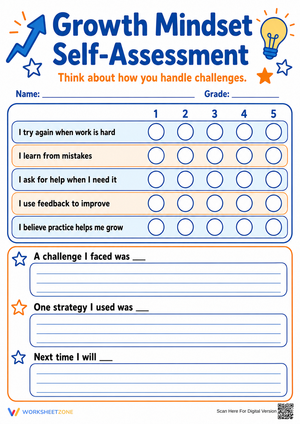
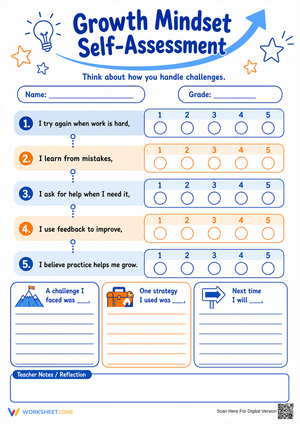
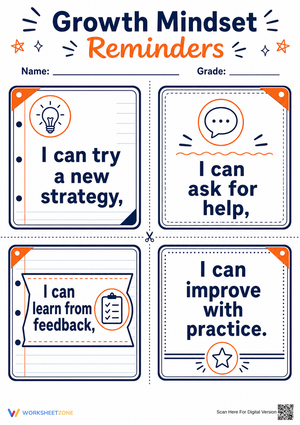
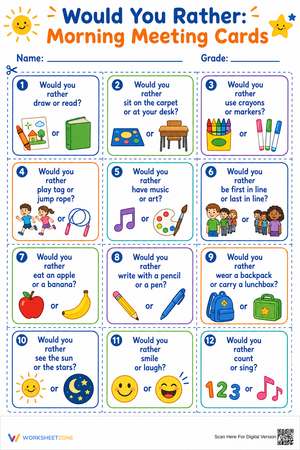
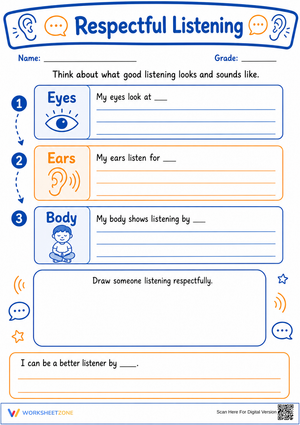
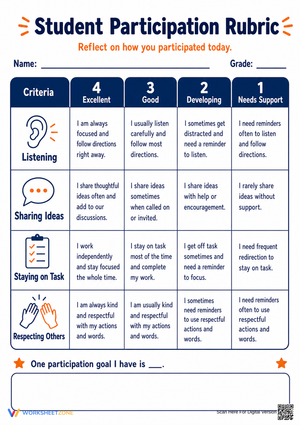
Worksheetzone offers a focused collection of 4th grade social skills worksheets designed to help students practice active listening, identify non-verbal cues, and set personal interaction goals. These printable PDF resources are ideal for morning meetings, small group instruction, and independent reflection time. For educators looking to extend social-emotional learning beyond the classroom, our social skills worksheets for kids offer additional lesson plan options and reinforcement activities suited to a range of learning styles. Pairing these tools with broader literacy work, such as our 4th grade vocabulary words resources, helps students connect language development with social communication in a meaningful way.
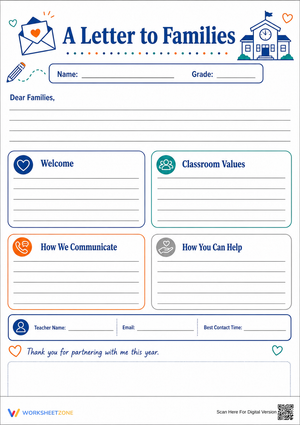
Parents play a meaningful role in this process as well. When families understand the language and strategies introduced at school, students get consistent reinforcement at home. A quick conversation about a worksheet scenario at the dinner table can reinforce the same concepts explored during the school day. These materials are designed to be accessible to both teachers and parents, making it easier to create a shared vocabulary around respect, cooperation, and emotional responsibility.
The goal of these resources is not simply to manage behavior but to help students develop the interpersonal intelligence they will carry into every classroom, workplace, and community they join. By integrating 4th grade social skills worksheets into your regular instruction, you are investing in the kind of learning that truly lasts - the kind that shapes how students treat one another and themselves.
Frequently Asked Questions
Question 1: What topics are covered in 4th grade social skills worksheets?
These worksheets typically cover empathy, active listening, conflict resolution, cooperation, and personal goal setting. They are designed to help fourth graders recognize emotions, understand non-verbal cues, and practice positive communication strategies in both classroom and everyday social settings.
Question 2: How can teachers use social skills worksheets in the classroom?
Teachers can use them during morning meetings, small group instruction, or as independent reflection activities. The printable PDF format makes them easy to distribute and collect. They work well as discussion starters, helping students articulate their feelings and responses in a structured, supportive environment.
Question 3: Are these worksheets suitable for students with different learning needs?
Yes. The 4th grade social skills worksheets available on Worksheetzone are designed to accommodate a range of learners. Clear prompts, visual cues, and accessible language make them useful for general education classrooms as well as for students who benefit from differentiated instruction or additional social-emotional support.
Question 4: How do parents support social skills learning at home?
Parents can review completed worksheets with their children and use the scenarios as conversation starters. Discussing real-life examples of empathy, cooperation, and respectful communication at home reinforces what students practice at school and helps build consistent habits around positive social behavior.