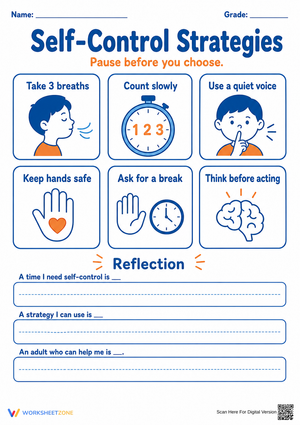
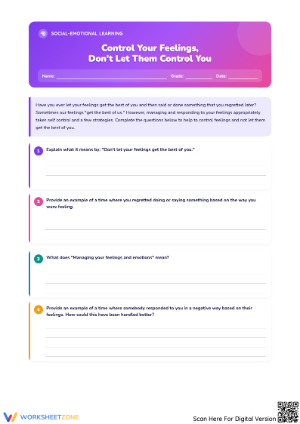
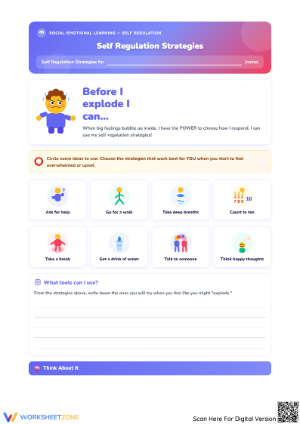
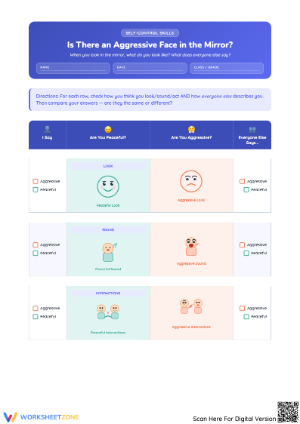
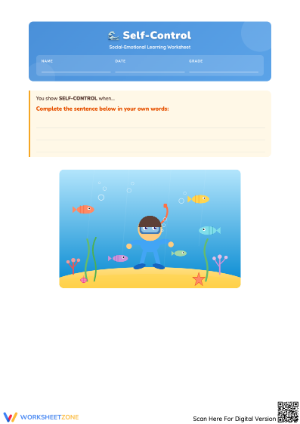
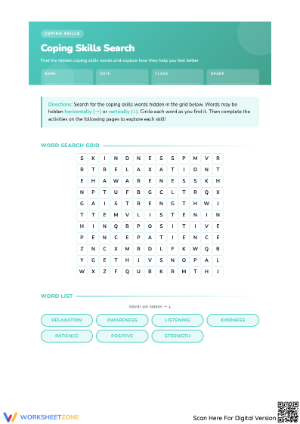
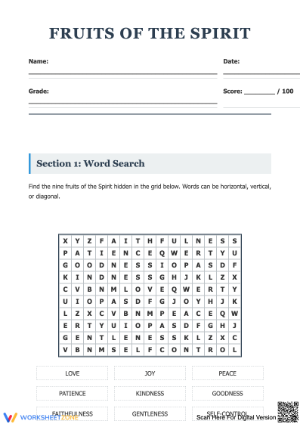
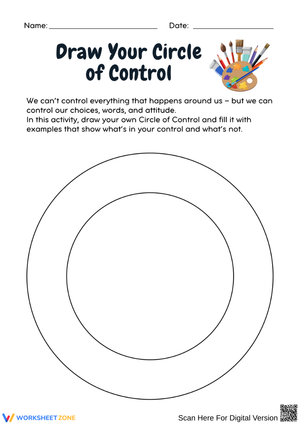
Fourth grade marks a critical stage in social-emotional development, when students begin to move beyond simple rule-following and start internalizing why self-regulation matters. At this milestone, 4th grade self control worksheets offer a structured, research-informed way to guide students through that shift. Rather than simply telling children to calm down or wait their turn, these printable resources invite them to examine their own emotional patterns, name their triggers, and practice deliberate responses. Teachers and parents who introduce this kind of structured reflection at the right developmental moment give students a powerful cognitive tool that will serve them in the classroom and far beyond.
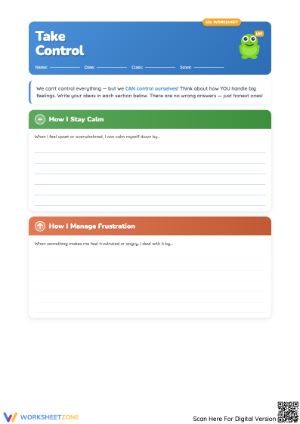
The scaffolded design of these worksheets moves students from guided exploration to independent practice in a natural progression. Early activities prompt students to identify common emotional situations and choose from a set of possible reactions, providing a structured framework before deeper reflection is required. As students build confidence, later exercises ask them to generate their own coping strategies and evaluate which responses work best in different contexts. This step-by-step approach honors the developmental pace of 4th graders, ensuring that each learner builds genuine self-awareness rather than simply completing a task. Worksheetzone resources are designed with this progression in mind, supporting both classroom instruction and at-home reinforcement.
Consistent practice with self control worksheets also supports broader academic readiness. When students learn to pause before reacting, they develop the mental stamina needed for sustained reading, multi-step problem solving, and collaborative group work. The habit of checking in with their own emotional state translates directly into better focus and fewer classroom disruptions. Teachers who integrate these worksheets into morning meetings or transition times often notice measurable improvements in student concentration over just a few weeks. For families supporting this work at home, pairing these activities with resources on emotional regulation worksheets can reinforce the skills students are practicing at school.
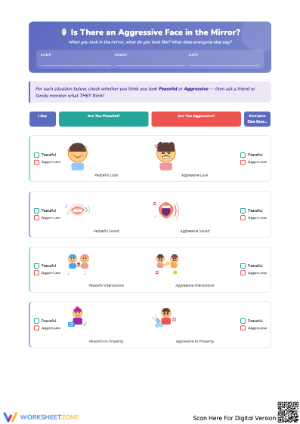
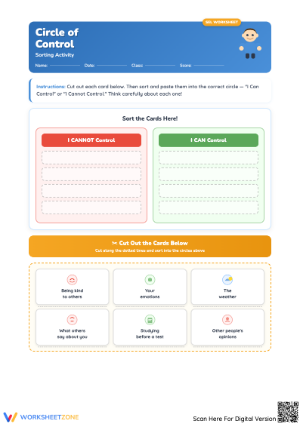
Visual organization plays an equally important role in the effectiveness of these materials. When emotional concepts are presented through clear diagrams, reflection charts, and scenario-based prompts, students with different learning styles can all access the content meaningfully. The act of writing responses, drawing feeling faces, or sorting reaction cards engages fine motor skills alongside emotional reasoning, creating a richer learning experience. Mental stamina grows when students work through structured challenges at a manageable pace, and the sense of accomplishment after completing a worksheet reinforces their belief that self-control is a skill they can develop. Educators and parents who explore resources like social emotional activities will find complementary ideas for building these foundations across different ages.
The developmental benefits of consistent self-regulation practice extend well beyond the 4th grade year. Students who build strong self-control habits early are better prepared for the social complexity of middle school, the demands of high school coursework, and the interpersonal challenges of adult life. Every printable in this collection is designed to make that long-term growth accessible one lesson plan at a time. Use these 4th grade self control worksheets to give every student in your classroom or home the structured practice they need to develop into confident, thoughtful learners.
Frequently Asked Questions
Question 1: What skills do 4th grade self control worksheets target?
These worksheets focus on impulse management, emotional awareness, and thoughtful decision-making. Students practice identifying triggers, labeling feelings, and selecting appropriate responses. The activities are designed to build self-discipline in both social and academic situations, helping 4th graders develop habits that support concentration, positive peer relationships, and long-term personal growth across all areas of school life.
Question 2: How can teachers use these worksheets in the classroom?
Teachers can incorporate self control worksheets into morning meetings, social-emotional learning lessons, or transition routines. The printable PDF format makes them easy to distribute and collect. Using them consistently over several weeks, rather than as a one-time activity, gives students repeated practice that builds genuine behavioral habits and supports a more focused and cooperative classroom environment throughout the school year.
Question 3: Are these worksheets suitable for parents to use at home?
Yes, parents can use these worksheets during after-school time or weekend routines to reinforce what students are learning at school. The guided prompts make it easy for families without a teaching background to facilitate meaningful conversations about emotions and choices. Pairing worksheet practice with real-life scenarios helps students connect the skills they are learning on paper to everyday situations at home and in the community.
Question 4: What makes printable self control worksheets effective for 4th graders?
Printable worksheets provide a concrete, low-pressure way for students to engage with abstract emotional concepts. Writing or drawing responses slows down impulsive thinking and encourages reflection. For 4th graders, who are developing stronger metacognitive abilities, the structured format of a worksheet supports the kind of deliberate practice that builds lasting behavioral change, making these PDF resources a practical tool for teachers and parents alike.












 Interactive Worksheet Maker
 Quiz Maker
 Word Search Maker
 Crossword Puzzle Maker
 Word Scramble Generator
 Sentence Scramble Generator
 Handwriting Worksheet Generator
 Name Tracing Generator
 Fill In The Blank Generator