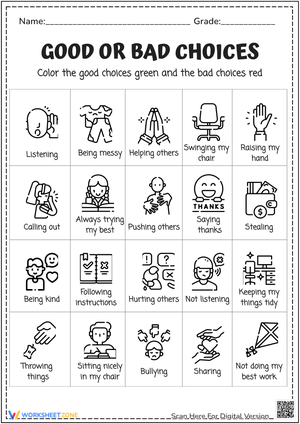
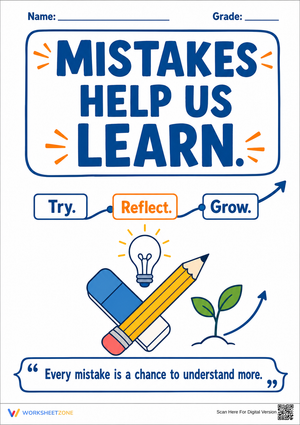
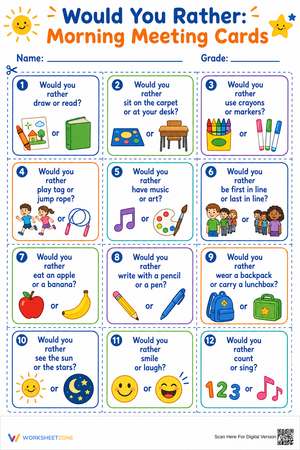
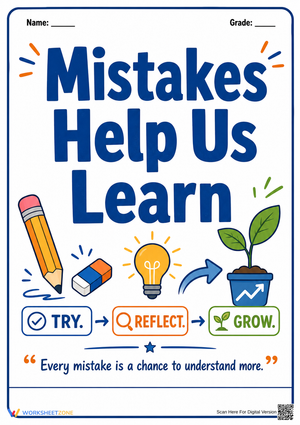
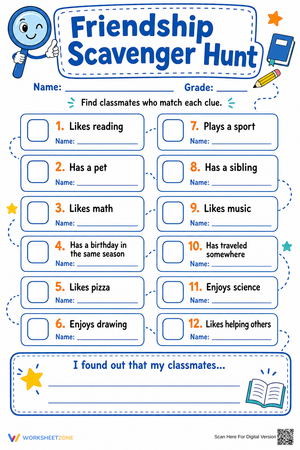
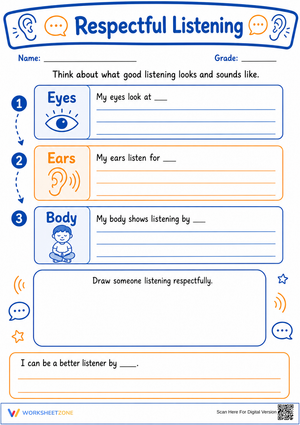
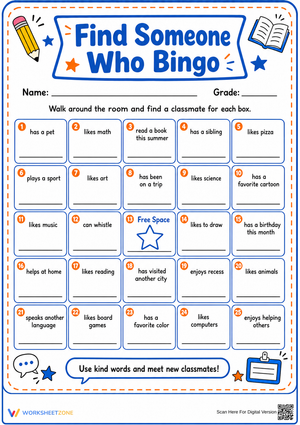
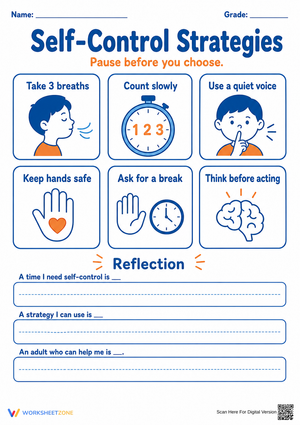
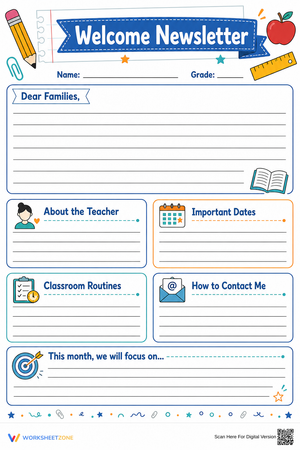
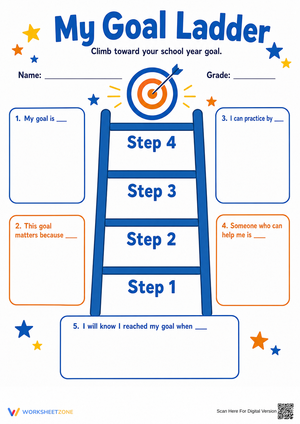
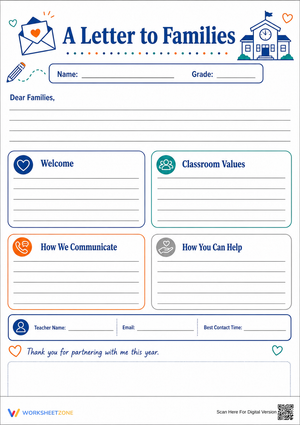
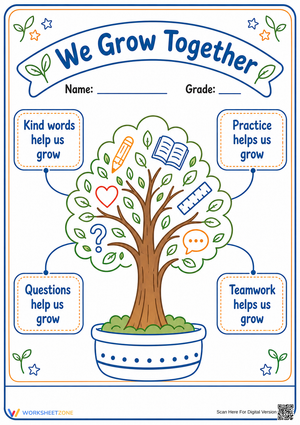
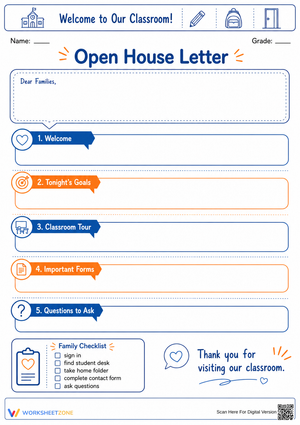
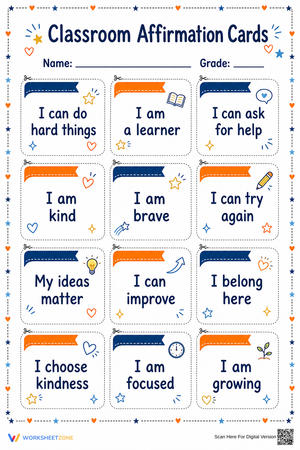
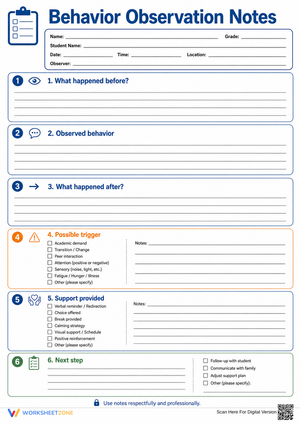
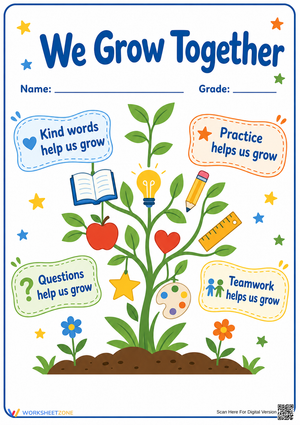
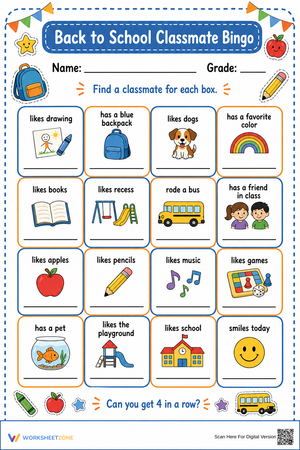
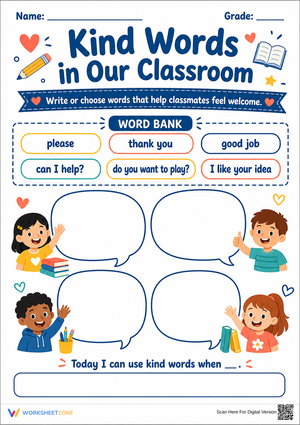
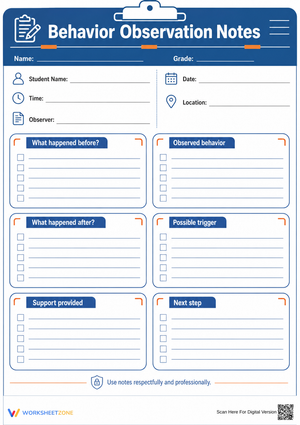
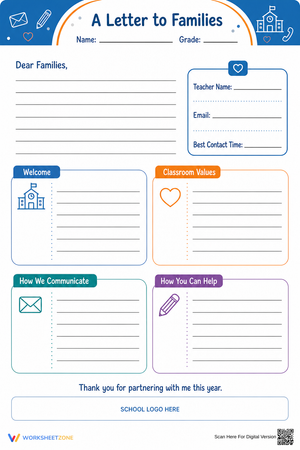
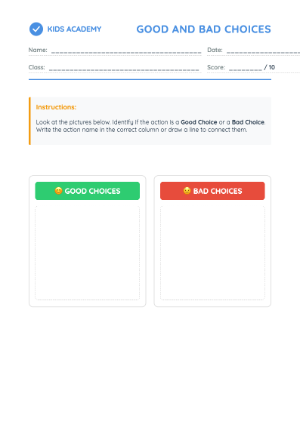
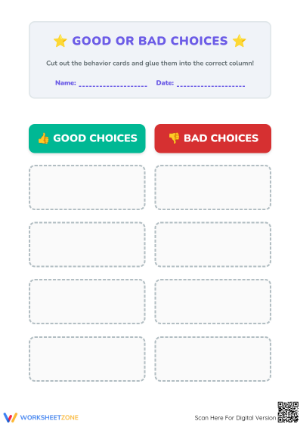
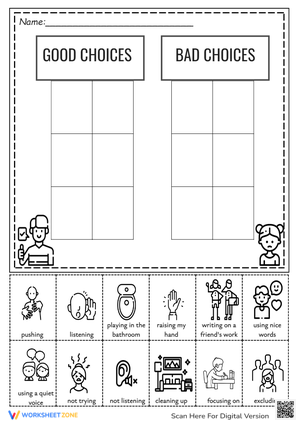
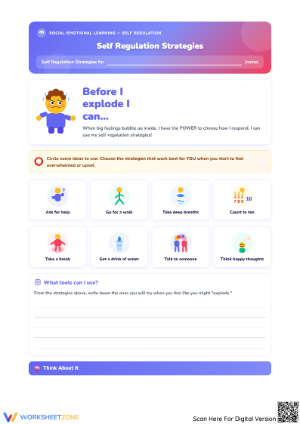
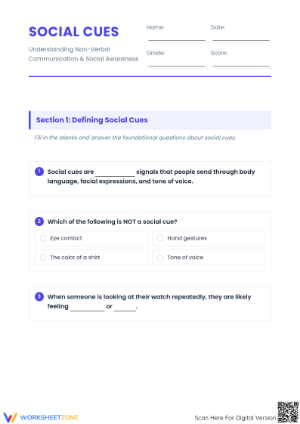
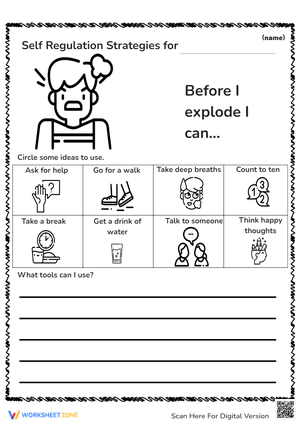
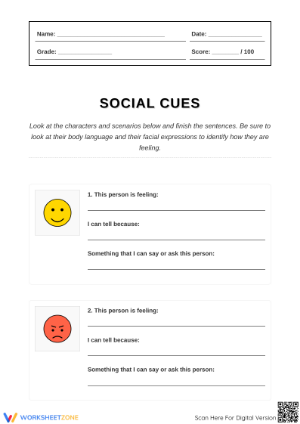
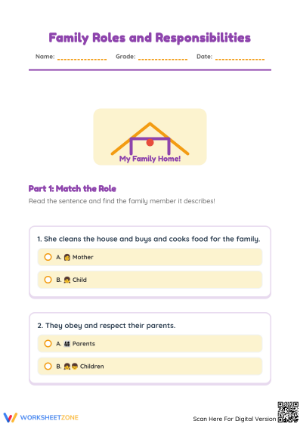
Many teachers notice a real gap in their classroom when students struggle to take turns, listen to peers, or manage small group disagreements. These moments disrupt learning and slow down the pace of every lesson. The 2nd grade social skills worksheets available on Worksheetzone are designed to address these exact classroom challenges with structured, printable activities that guide young learners through real-world social scenarios. Each worksheet targets key interpersonal behaviors so teachers can reinforce positive habits without adding extra preparation time to their day.
Using 2nd grade social skills worksheets in the classroom gives students a clear framework for understanding expectations around communication, empathy, and cooperation. The activities prompt learners to reflect on how their words and actions affect others, building the kind of self-awareness that supports long-term relationship skills. Teachers can incorporate these printable resources into morning meetings, small group sessions, or as individual reflection tasks after collaborative projects. Because the worksheets use simple language and relatable situations, students across different ability levels can engage with them independently or with minimal guidance.
Parents who want to extend this learning at home will find these printable materials easy to use during family conversations or quiet reading time. Walking through a social scenario together gives families a structured way to talk about kindness, boundaries, and peer relationships. For students who need broader literacy support alongside their social development, exploring reading comprehension activities for 2nd grade can help reinforce both language skills and the ability to understand social contexts in written stories. Making social learning a regular part of home routines helps children carry confident communication habits into the school day.
Second grade is a turning point where students move from parallel play toward genuine cooperation with classmates. Giving learners consistent practice with sharing, conflict resolution, and active listening during this stage builds habits that pay off across every subject area. For a broader look at interpersonal development across age groups, the social skills for kids worksheets on Worksheetzone offer additional scenarios that can supplement classroom instruction. When young learners regularly engage with 2nd grade social skills worksheets, they develop the confidence and awareness needed to navigate friendships and group work throughout their school years.
Frequently Asked Questions
Question 1: What topics do 2nd grade social skills worksheets typically cover?
These worksheets typically cover active listening, taking turns, showing empathy, managing disagreements, and following classroom rules. Activities often use guided scenarios, reflection prompts, and simple illustrations to help students identify appropriate social responses and practice applying them in everyday peer interactions at school and at home.
Question 2: How can teachers fit social skills practice into a busy school schedule?
Teachers can use these printable worksheets during morning meeting warm-ups, transition times, or as early-finisher activities. Because each sheet focuses on one specific skill, they require no extended instruction time. A five-minute reflection activity at the start or end of the day can build consistent social habits without disrupting core academic lesson plans.
Question 3: Are these worksheets suitable for students at different learning levels?
Yes. The worksheets use straightforward language and relatable scenarios that work well for a range of learners in a typical 2nd grade classroom. Students who need support can complete them with a partner or with brief teacher guidance, while more independent learners can work through the activities on their own and share their responses with the group.
Question 4: How do parents use social skills worksheets effectively at home?
Parents can sit with their child and read through scenarios together, discussing why certain responses are more respectful or helpful. Using the worksheet as a conversation starter rather than a test keeps the tone supportive. Revisiting one worksheet per week during a calm family routine, such as after dinner or on a weekend morning, helps children internalize the social lessons gradually and with less pressure.