Elevating Literacy with 2nd Grade Reading Comprehension Worksheets
Second grade represents a transformative period in a student's literacy journey. It is the stage where the focus shifts from 'learning to read' to 'reading to learn.' Teachers understand that while decoding skills are essential, the ultimate goal of any literacy program is deep understanding. Using 2nd grade reading comprehension worksheets provides a structured way for students to engage with text, analyze meaning, and apply critical thinking skills. These resources are not just fillers for a lesson plan; they are intentional tools designed to bridge the gap between word recognition and conceptual mastery.
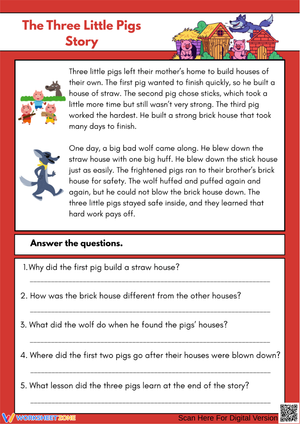
When teachers select comprehension materials for their classrooms, they look for diversity in text types and complexity. A well-rounded collection includes everything from short informational passages about the natural world to imaginative fables that challenge students to identify moral lessons. By integrating these worksheets into a daily routine, practitioners can provide the consistent practice needed to stabilize these emerging skills. This variety ensures that students are developing a flexible set of cognitive strategies that they can apply to any text they encounter.
Core Comprehension Strategies for Second Grade Success
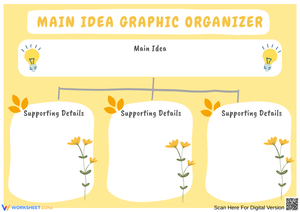
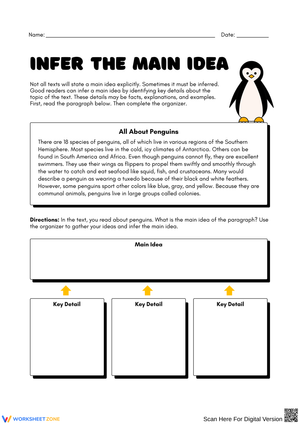
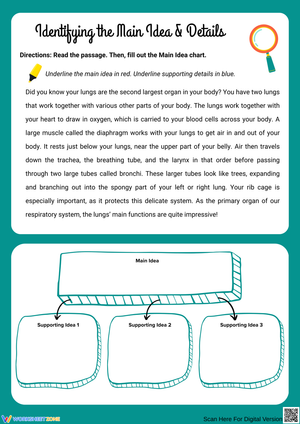
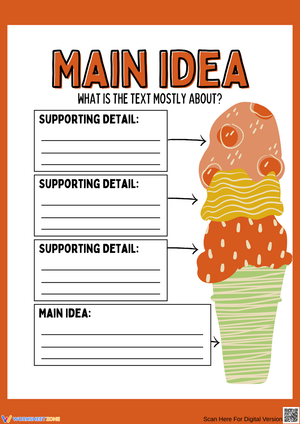
To achieve proficiency, second graders must master several key strategies. The first is identifying the main idea and supporting details. Many students can recount what happened in a story, but pinpointing the central theme requires a higher level of abstraction. Effective 2nd grade reading comprehension worksheets often use graphic organizers or specific prompts to help students distinguish between the 'big picture' and the specific facts that support it. This foundational skill is something teachers revisit frequently to ensure it becomes second nature for every learner in the cohort.
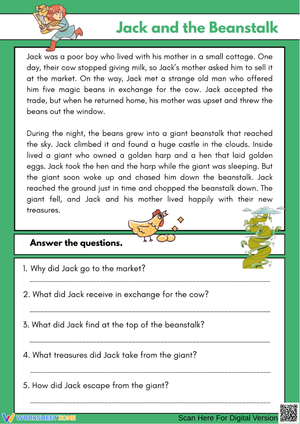
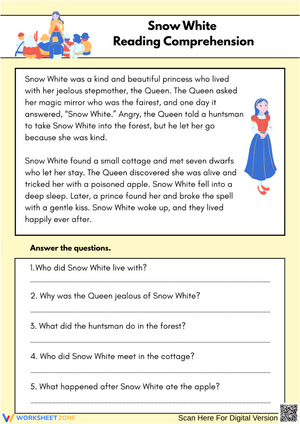
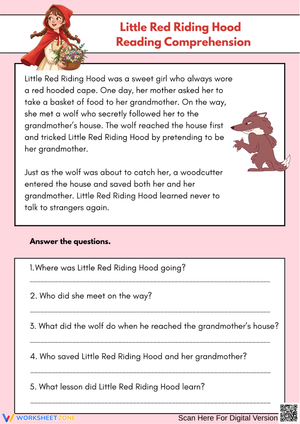
Analyzing student responses on character-driven fables often reveals that 2nd graders struggle most with identifying internal motivations versus external actions. When using these worksheets, teachers should specifically target the 'why' behind a character's choice to shift students from literal recall toward the more complex inferential thinking required in later elementary grades. By highlighting the internal dialogue or subtle emotional cues provided in the text, teachers can help students build a more sophisticated understanding of narrative structure and character development.
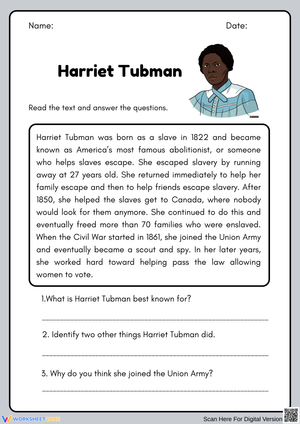
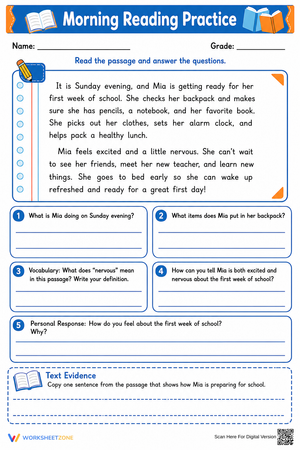
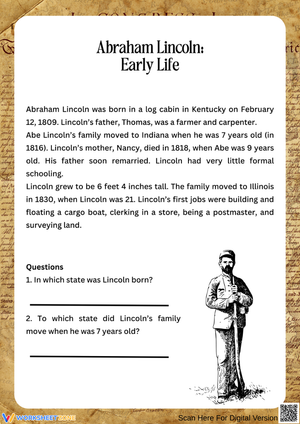
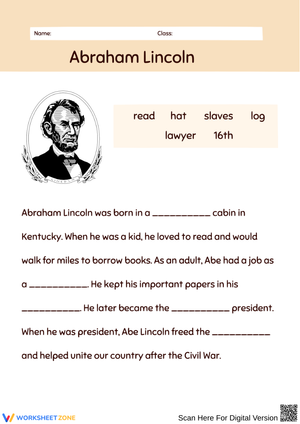
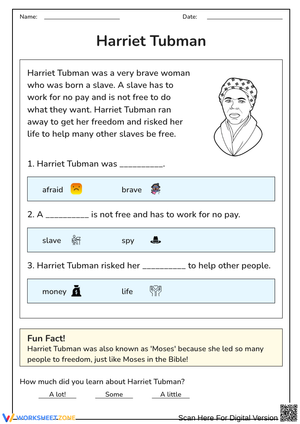
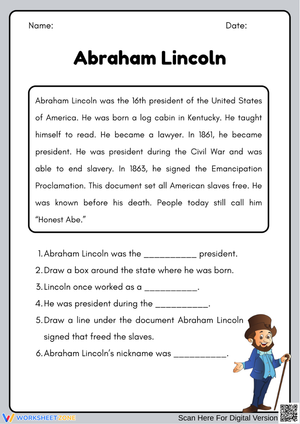
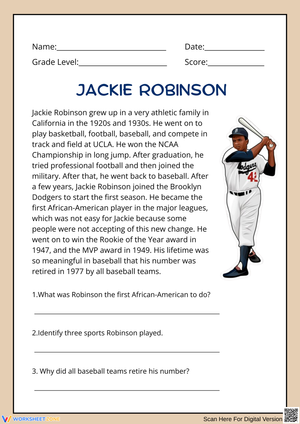
Recalling key details is equally vital for informational reading. In second grade, students begin to encounter more complex non-fiction texts about science, history, and the community. Comprehension worksheets that ask students to locate specific dates, names, or physical descriptions encourage active reading. Instead of skimming the surface, students learn to go back into the text—a habit that serves them well throughout their entire academic career. This practice reinforces the idea that the text is the primary source of evidence for their answers, a core principle of academic literacy.
Bridging Fiction and Non-Fiction Understanding
A balanced literacy diet is necessary for comprehensive growth. Fiction allows students to explore narrative elements such as plot, setting, and character arcs. Through stories, students learn about empathy and social dynamics. Worksheets that focus on fiction might ask a student to describe how a character changed from the beginning to the end of the story. This requires the student to track the progression of the narrative and understand the causal links between events. These narrative skills are the building blocks of storytelling and sophisticated literary analysis.
According to Reading Rockets, second grade is a pivotal year where reading fluency and comprehension must align. They note that students who struggle with fluency often miss 30% or more of text meaning, making focused comprehension worksheets a vital bridge for developing the necessary cognitive skills for independent reading. This alignment is what allows a child to move from a mechanical process of sounding out words to a fluid experience of building meaning. When students aren't spending all their energy on decoding, they can finally engage with the deeper layers of the text.
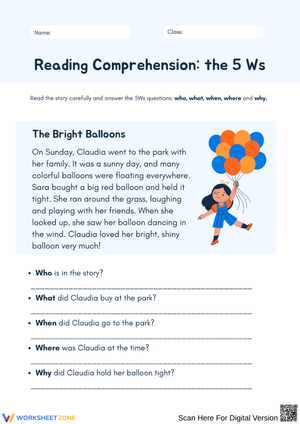
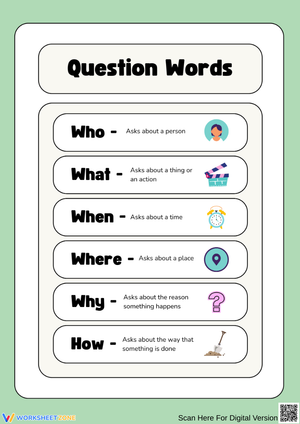
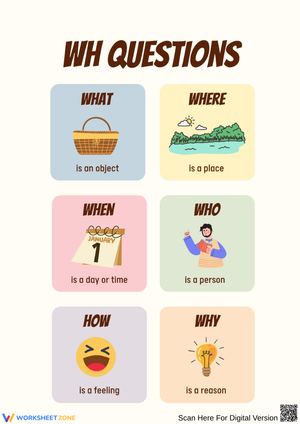
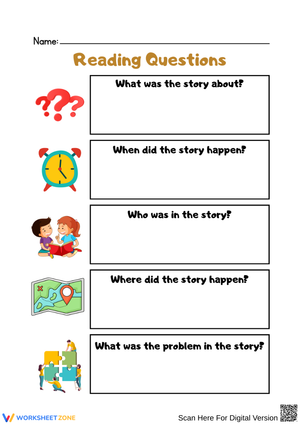
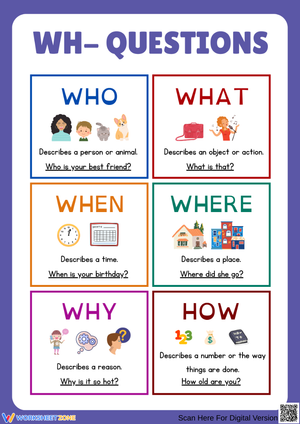
Non-fiction introduces students to expository structures. They learn to identify headers, captions, and diagrams. Reading comprehension worksheets for non-fiction topics often focus on the 'who, what, where, when, and why' of a factual report. Whether the topic is the life cycle of a butterfly or the history of a local landmark, these worksheets help students organize information logically. This skill is particularly useful as students begin to write their own reports and summaries, as it provides a clear model for how information is presented in the real world.
Using Sequencing and Cause-and-Effect in Reading
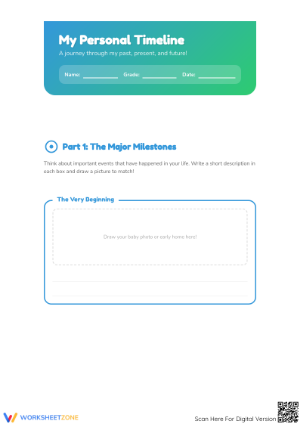
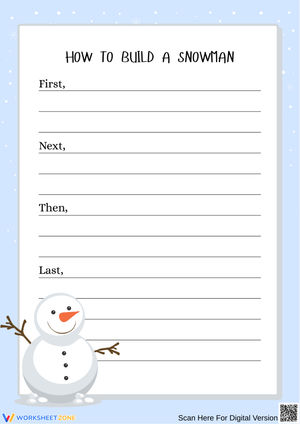
Understanding the order of events is a prerequisite for understanding complex stories. Sequencing worksheets challenge students to put a series of actions in the correct chronological order. This might involve using transition words like 'first,' 'next,' 'then,' and 'finally.' For a second grader, mastering these temporal markers is essential for both reading and writing. When a student can correctly sequence a story, it demonstrates that they have grasped the logical flow of the narrative, which is a clear indicator of successful comprehension.
Cause and effect is another cognitive pillar. Students must be able to identify why something happened (the cause) and what happened as a result (the effect). This logic applies to both narrative plots and scientific processes. For instance, a worksheet might ask, 'Why did the ice cream melt?' and expect the student to find the part of the text that mentions the hot sun. This type of analysis moves students beyond simple 'what' questions and into the 'how' and 'why' of the world around them. It encourages a more inquisitive and analytical mindset during reading.
Teacher Tips: Enhancing Classroom Literacy Blocks
Integrating 2nd grade reading comprehension worksheets into a busy classroom schedule requires a bit of planning. One effective method is using them during small-group instruction. While the teacher works with a group on a specific skill, other students can work independently on a worksheet that reinforces a previously taught concept. This allows for differentiation, as the teacher can assign different worksheets to different groups based on their current reading level. This targeted approach ensures that every student is challenged without becoming frustrated.
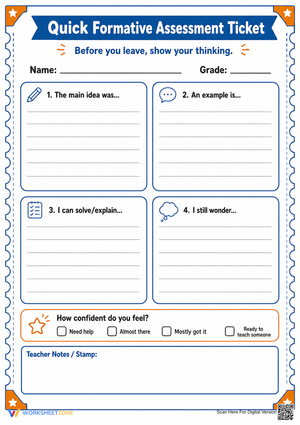
Another tip is to use these worksheets as formative assessment tools. By quickly reviewing a student's answers, a teacher can identify which strategies the student has mastered and which ones need more work. For example, if several students in a class miss a question about the main idea, the teacher knows to plan a whole-group mini-lesson on that topic for the next day. This data-driven approach allows for more efficient use of instructional time and ensures that no student falls through the cracks.
Addressing Diverse Learning Needs in the Classroom
Every classroom is home to a wide range of reading abilities. Some students might still be working on basic fluency, while others are ready for more complex analytical tasks. To meet these diverse needs, teachers must have access to a variety of 2nd grade reading comprehension worksheets with different levels of difficulty. For students who need more support, worksheets with shorter passages and more visual aids can help build confidence. These students benefit from clear, direct questions that focus on literal recall before moving into more abstract territory.
For advanced readers, worksheets should provide more challenging texts and open-ended questions that require them to synthesize information or evaluate a character's actions. These students might be asked to write a different ending to a story or to compare a passage to a real-life event. By providing these 'stretch' activities, teachers can ensure that even their strongest readers are continuing to grow.
Frequently Asked Questions
1. What are the key reading comprehension skills a 2nd grader should have?
A typical second grader should be able to identify the main idea and supporting details of a story, recall key facts from a non-fiction text, and make simple inferences based on what they have read. They should also be able to sequence events in a story and understand basic cause-and-effect relationships. As they progress through the year, they should start to compare and contrast different texts and characters, moving toward a more analytical understanding of their reading material.
2. How can I make reading comprehension practice more fun in the classroom?
You can make practice more engaging by 'gamifying' the experience, such as having students work in teams to solve 'reading mysteries' or using themed worksheets that align with their interests or current holidays. Incorporating technology, such as reading a passage on a tablet and then using a physical worksheet for the questions, can also add variety. Themed reading sessions can increase student motivation and interest.
3. What's the difference between reading fluency and reading comprehension?
Reading fluency is the ability to read text accurately, quickly, and with proper expression. It is a mechanical skill that involves word recognition and decoding. Reading comprehension, on the other hand, is the ability to understand and interpret what is being read. While fluency is a prerequisite for comprehension, comprehension is the ultimate goal. A student can be a fluent reader but still have poor comprehension if they aren't thinking about the meaning of the words they are saying.
4. How often should students use these worksheets?
While there is no one-size-fits-all answer, many teachers find that incorporating 2nd grade reading comprehension worksheets two to three times a week provides a good balance. They can be used as part of a literacy center, as independent work during small-group time, or as a quick check for understanding after a whole-group lesson. The key is to use them as a supplement to rich, interactive reading experiences and classroom discussions about books.












 Interactive Worksheet Maker
 Quiz Maker
 Word Search Maker
 Crossword Puzzle Maker
 Word Scramble Generator
 Sentence Scramble Generator
 Handwriting Worksheet Generator
 Name Tracing Generator
 Fill In The Blank Generator