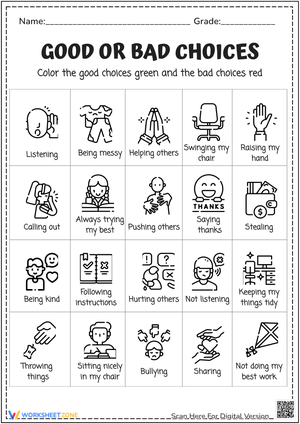
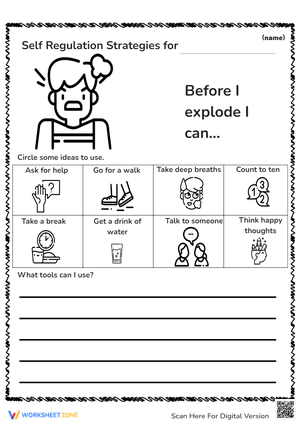
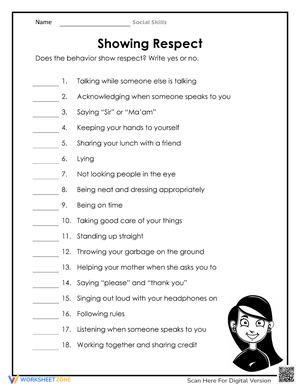
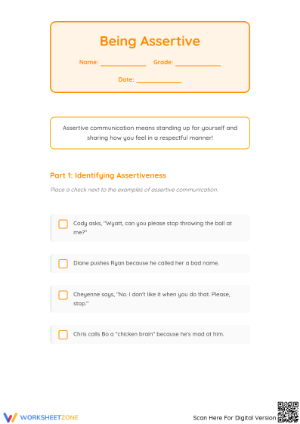
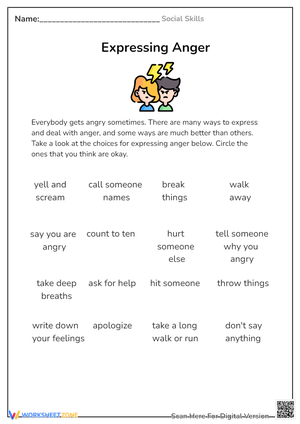
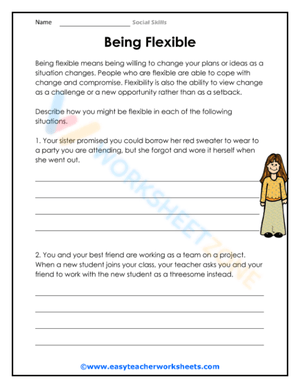
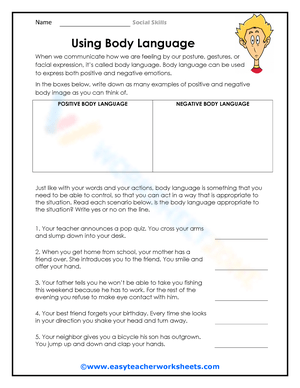
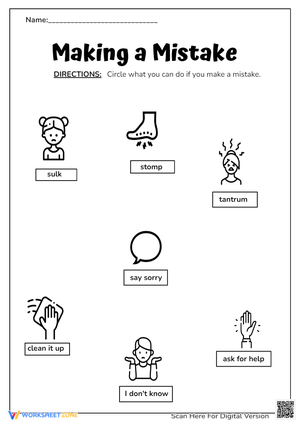
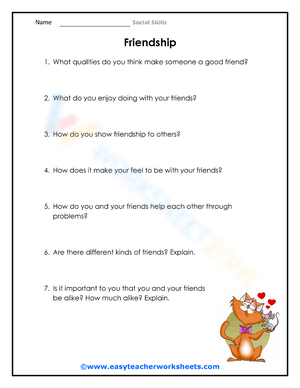
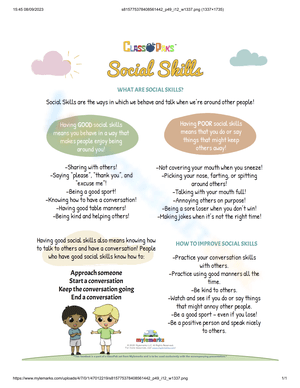
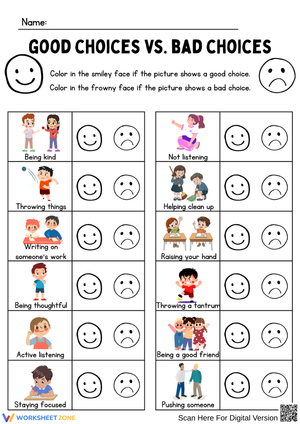
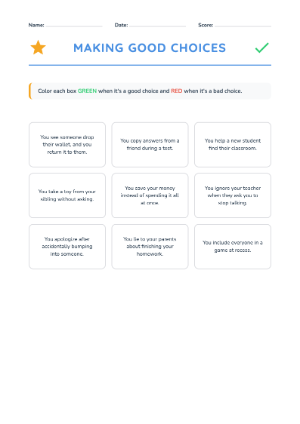
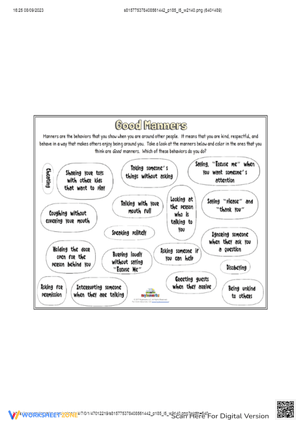
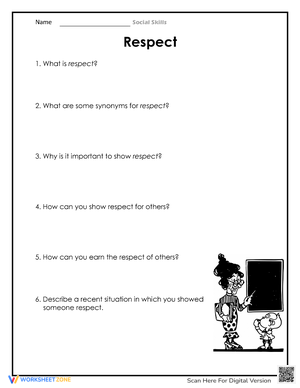
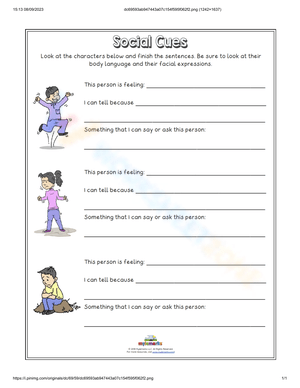
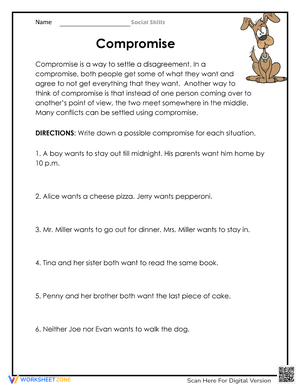
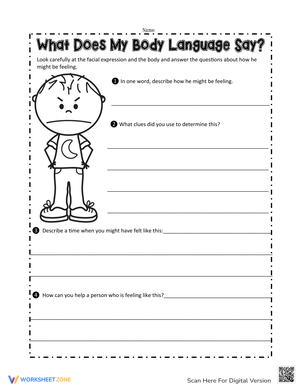
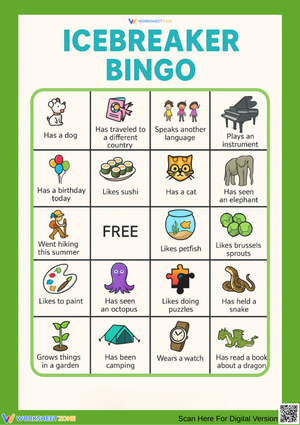
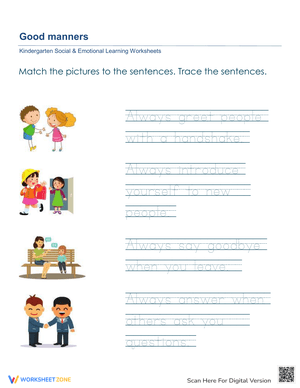
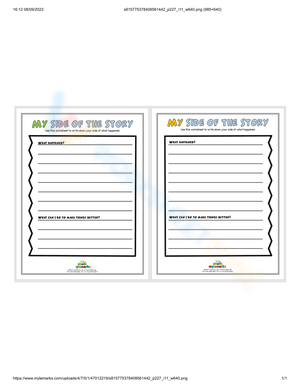
These social skills for kids worksheets printable for 2nd grade give teachers a repeatable, classroom-ready way to address the interpersonal development that happens — and sometimes breaks down — right around age seven and eight. The set targets empathy, conflict resolution, active listening, emotional regulation, and perspective-taking through focused exercises that hold student attention for about ten to fifteen minutes each. Each worksheet stands alone, so teachers can pull exactly what they need without sorting through a packet or following a fixed sequence.
The Specific Skills Targeted
Second grade is when students shift from side-by-side play to genuinely collaborative work — and that shift is rocky for most of them. The skills covered in the set reflect what that transition actually demands:
- Perspective-taking: Students read short scenarios and identify what the character is likely feeling, then compare it to what they themselves would feel — a distinction that second graders routinely collapse into a single answer.
- Conflict resolution steps: Each worksheet walks through a concrete sequence — stop, name the problem, say what you need, listen to the other person — reinforcing a process students can follow without adult prompting.
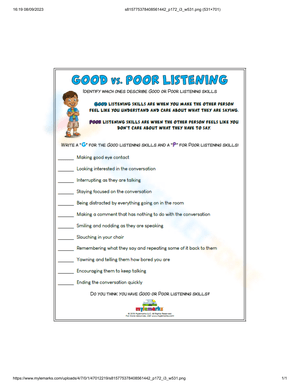
- Active listening behaviors: Exercises on whole-body listening connect physical actions (eyes on speaker, quiet hands, still body) to the internal work of actually processing what someone else is saying.
- "I" statements: Students rewrite accusatory "you" statements into first-person feeling statements, practicing the sentence frame until it becomes more automatic.
- Emotion identification: A feelings thermometer format lets students rate and label emotional intensity — useful for the student who knows they're upset but can't yet differentiate frustrated from furious.
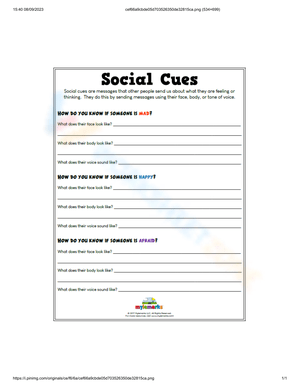
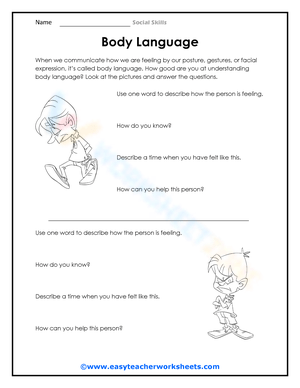
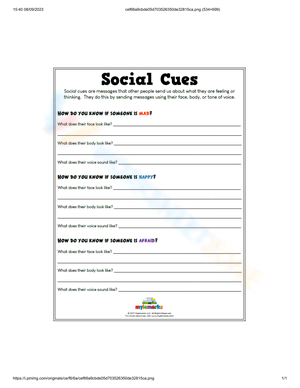
- Body language awareness: Short activities surface how physical proximity, facial expression, and posture send messages even when no words are spoken.
Where Students Struggle and What to Watch For
The "I feel..." sentence frame looks simple on the page but produces predictable errors in practice. The most common one: students write sentences like "I feel like you're being mean" — the word feel is present, but the sentence is still a disguised accusation. The frame only works when followed by an emotion word ("I feel frustrated when..."), not by a judgment. Plan to show students this distinction directly, with side-by-side examples of both forms, before asking them to write independently. That five-minute explicit comparison prevents most of the confusion.
On perspective-taking exercises, students reliably project their own reaction onto the character. Ask a class of twenty-five what Miguel feels when his block tower falls down, and the students who would be embarrassed say "embarrassed," while the ones who'd laugh it off say "fine." That isn't a comprehension error — it's a developmental one. Naming it directly and prompting with something like "You told me what you would feel — now look at what Miguel's face looked like right before" produces more genuine perspective-taking than repeating the original question.
Emotional regulation exercises that use a color-coded or thermometer format surface a gap worth watching: students identify the emotion accurately on the worksheet but have no transfer in the actual moment of dysregulation. These worksheets build the vocabulary and the concept; teachers still need to prompt students to use that vocabulary in real time. That is the honest limitation of any paper-based SEL resource, and knowing it helps teachers use the worksheets as a starting point rather than a complete solution.
Building These Worksheets Into Your Weekly Rhythm
Morning meeting is the most reliable container for this kind of work. Introducing one skill per week — active listening in week one, "I" statements in week two — gives students five days of low-stakes practice before the expectation shifts to independent application. The worksheet introduces the concept on Monday; role-play and brief class discussion extend it through Wednesday; by Friday, most students can articulate the skill well enough to self-assess against it. That spaced practice across a week does more than a single longer lesson would.
After a group project goes sideways — and it will — pulling a conflict resolution worksheet the following morning is more productive than processing the incident while emotions are still high. The structured format gives students language for what happened without reopening the raw conflict: what the problem was, what each person wanted, what a fair solution would look like. That ten-minute exercise often resolves lingering tension faster than a twenty-minute class discussion.
A designated social skills corner stocked with the set gives early finishers something meaningful to do while signaling that interpersonal growth is curriculum, not a reward activity. The students who most need this practice — the ones who finish quickly and immediately start bothering their neighbors — are exactly the ones who will gravitate toward structured social activities when other options are removed. Social skills for kids worksheets printable for 2nd grade work well in this context precisely because each one is self-contained and requires no additional materials to complete.
Adjusting the Set for Different Learners in the Room
Students who are still working on reading fluency benefit from paired completion — reading the scenario aloud together before either student writes anything. The verbal processing that happens when two students read a scenario aloud often produces richer thinking than silent independent work, so pairing is a genuine instructional choice, not a workaround. For students who need even more support, teacher-read-aloud during a small group session keeps the focus on the social reasoning rather than the decoding load.
For students who move through the core worksheet quickly, the natural extension is application journaling: after completing the "I" statement exercise, they write about a real situation from the past week and rephrase one thing they actually said using the new sentence frame. That move from fictional scenario to personal experience deepens transfer considerably. Social skills for kids worksheets printable for 2nd grade become considerably more powerful when students are asked to connect the printed scenario to something that happened at lunch or on the playground — the abstract skill suddenly has a real referent.
Standard Alignment
These worksheets align to the CASEL (Collaborative for Academic, Social, and Emotional Learning) framework, which most state SEL standards directly reference or reproduce. The set addresses all five CASEL competency areas: self-awareness (emotion identification, feelings thermometer exercises), self-management (regulation strategies, impulse-control scenarios), social awareness (perspective-taking, empathy practice), relationship skills (active listening, "I" statements, conflict resolution sequences), and responsible decision-making (problem-solving worksheets with structured prompts). In practical classroom terms, teachers can pull specific worksheets to document coverage of a CASEL competency in lesson plans or intervention records — which matters when an instructional coach or administrator asks how SEL is being addressed during the school day.
Frequently Asked Questions
How often should these worksheets appear in the schedule?
Once a week as part of a structured morning meeting or SEL block is a reasonable baseline. Consistency matters more than volume — students who encounter one skill per week for a full school year build a more durable social vocabulary than students who complete three worksheets in a single week and then don't revisit the concepts for a month. Spaced practice across the year is the goal.
Can these worksheets work for small-group intervention?
They suit small-group work well. Groups of three to five students create enough social dynamic for role-play and discussion without overwhelming students who need extra support with specific skills. A counselor or interventionist running a six-week empathy group could draw from the perspective-taking and emotion identification worksheets to build a focused sequence. Each worksheet functions as a standalone session tool, so constructing a themed multi-week series is straightforward. Social skills for kids worksheets printable for 2nd grade also give the group a shared reference point to return to in later sessions when reviewing earlier concepts.
How do I know if the instruction is actually working?
Paper-based completion is one piece. The more telling signal is behavioral: students who are applying the skills start using "I feel..." statements without prompting, seek out conflict resolution steps before escalating to an adult, and show greater awareness of how their body language reads to others. A brief anecdotal log — two or three lines per week noting specific student behaviors — will surface patterns that worksheet scores alone won't capture.
Can parents use these at home?
Yes, and the connection between school and home practice genuinely accelerates transfer. A parent who uses the same "I" statement frame at the dinner table gives the classroom strategy a second anchor point in the child's week. Sending a worksheet home with a short note explaining the current skill focus — rather than sending it without context — makes the difference between a parent who engages with it and one who sets it on the counter and forgets it.