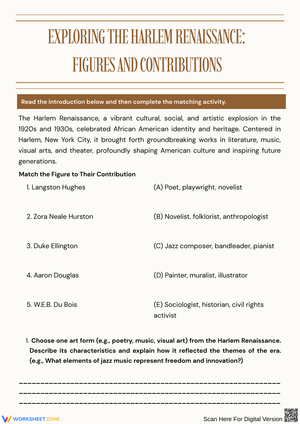
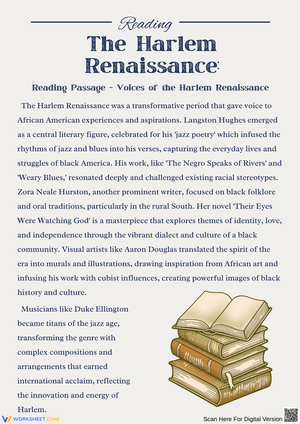
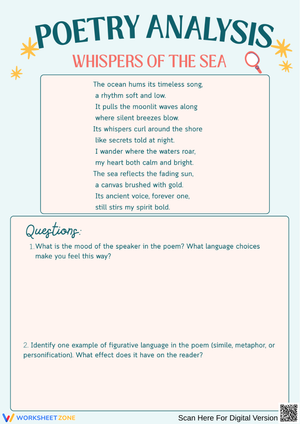
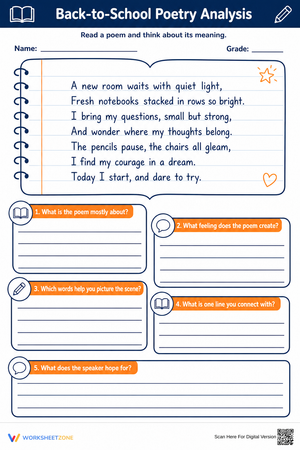
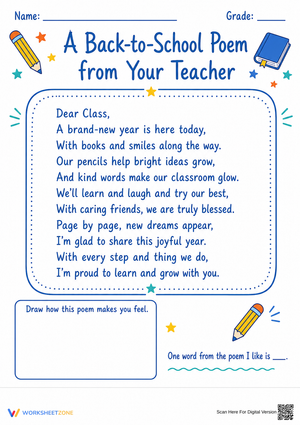
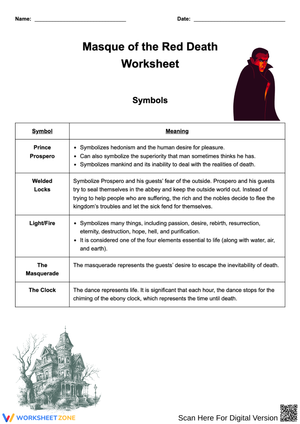
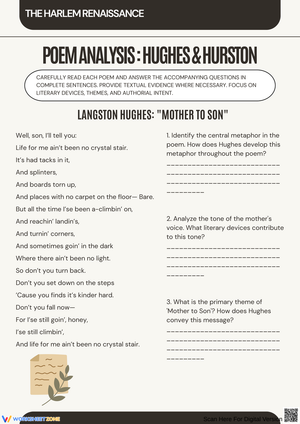
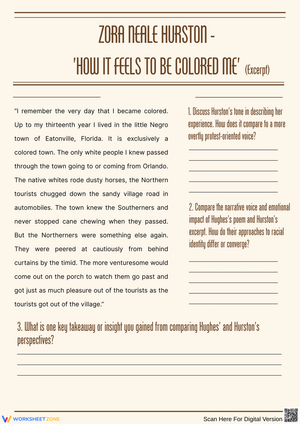
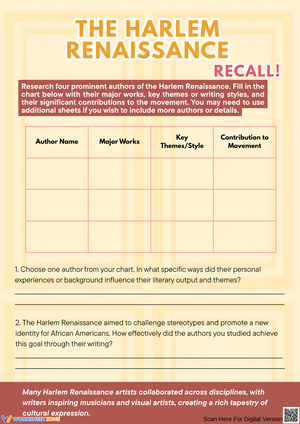
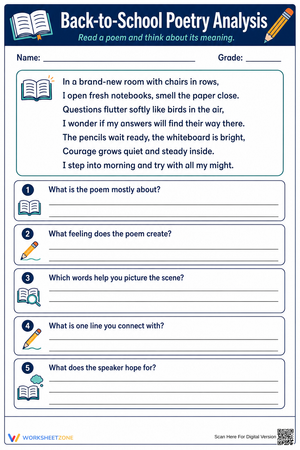
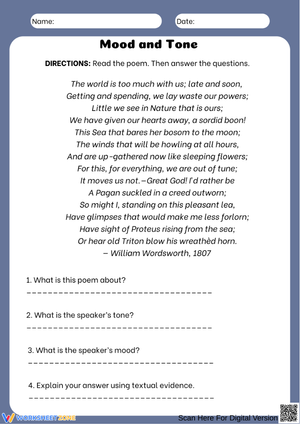
These reading genres worksheets resources give students structured practice classifying texts — moving past the broad fiction-or-nonfiction split and into the specific categories that classroom reading actually requires: fantasy, realistic fiction, historical fiction, biography, informational text, poetry, and drama. Each worksheet asks students to work from text evidence rather than intuition: a title, a summary, visible dialogue, headings, or line breaks. The set spans grade levels, with formats ranging from picture-supported matching for early elementary to passage analysis with written justification for grades 6 through 8.
Genres and Skills Covered in This Set
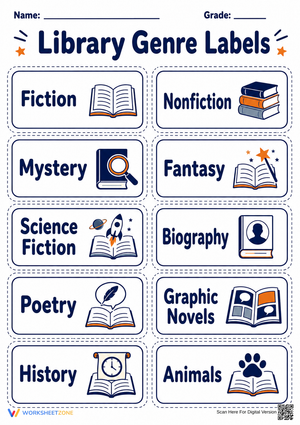
Each worksheet targets one or more of the major text categories students encounter in classroom reading. The breadth matters because students who can name "fiction" as a catch-all label still frequently stall when asked to distinguish between fantasy and realistic fiction — both involve invented characters, but only one allows those characters to break the rules of the physical world.
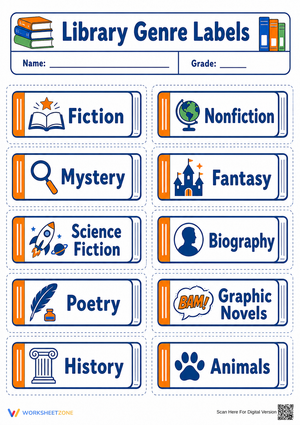
- Fantasy: Students identify imaginary settings, magical events, or creatures that could not exist in the real world.
- Realistic fiction: Believable characters face problems that could genuinely happen — no invented rules of nature, no magic.
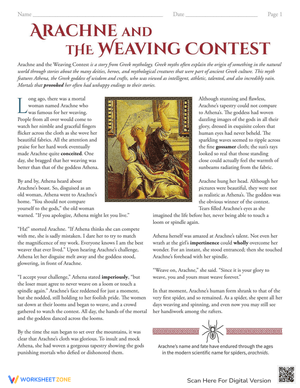
- Historical fiction: An invented story set within a real historical period — real dates and places, imagined people and plot.
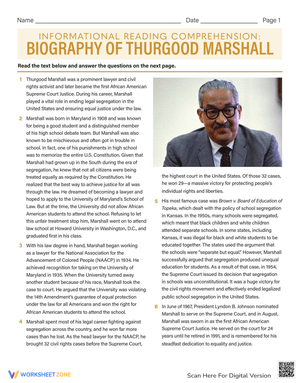
- Biography and autobiography: A real person's life told in chronological or thematic form; students distinguish this from informational text by identifying whose life organizes the whole piece.
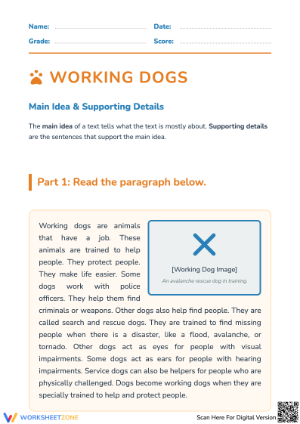
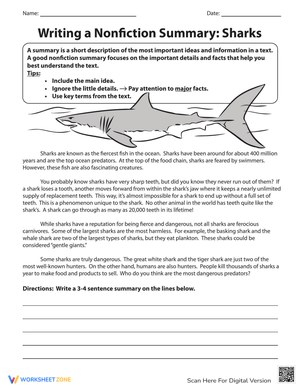
- Informational text: Facts, explanations, and processes organized with text features such as headings, captions, bold terms, and diagrams.
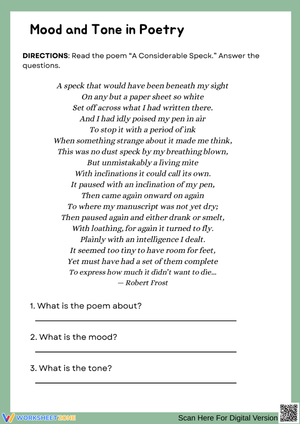
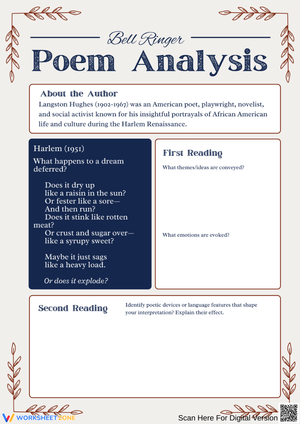
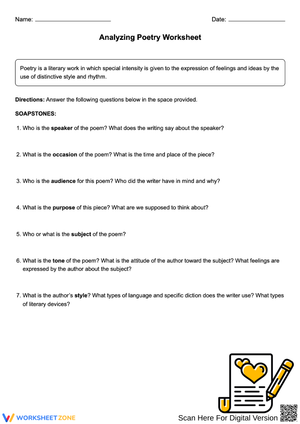
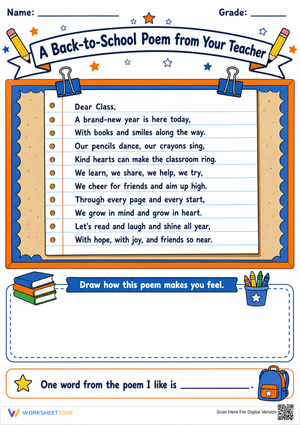
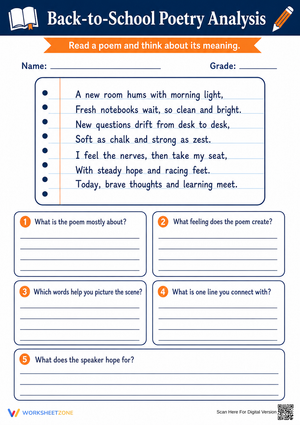
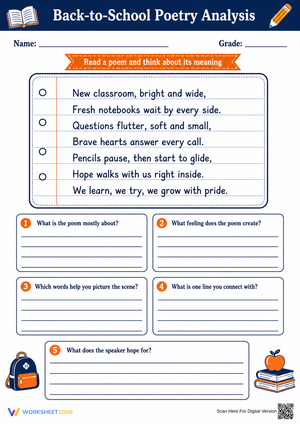
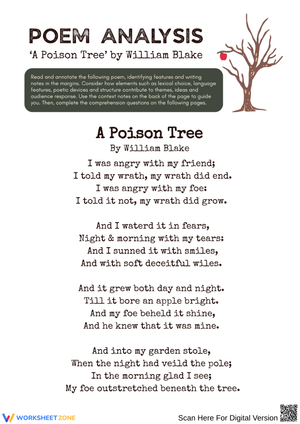
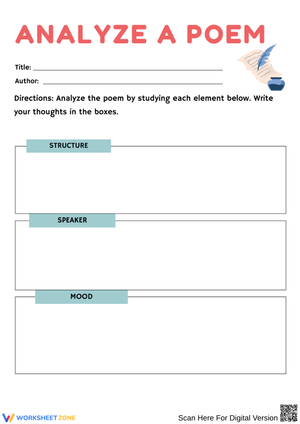
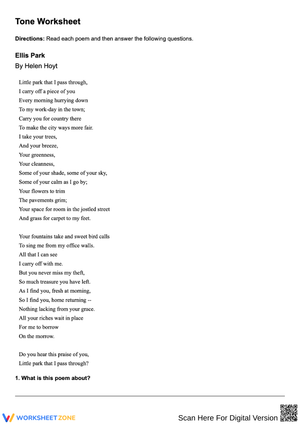
- Poetry: Line breaks, rhythm, and compressed language — students learn to notice what is absent (prose paragraphs, standard punctuation) as much as what is present.
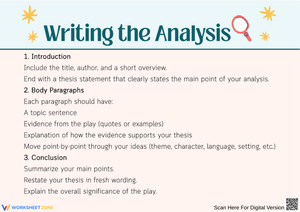
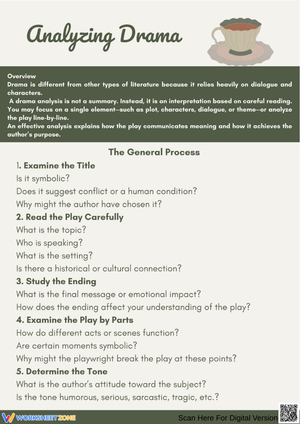
- Drama: Speaker labels and stage directions signal this genre before students have read a single spoken line.
Several worksheets in the set pair genres students routinely confuse — biography next to an informational article, or historical fiction alongside a primary source — so the distinguishing features become visible through comparison rather than memorized definition alone.
Errors Teachers Should Anticipate Before Assigning These Worksheets
The most persistent misconception across grade levels is classifying historical fiction as nonfiction. Students see a specific year — 1863, the winter of the Dust Bowl — and a real named location, and they use those details as evidence that everything in the text is true. What they overlook is that the main character and the central conflict are invented. Worth naming that explicitly before independent practice: "Real setting. Real historical period. Made-up people. That makes it fiction."
Drama and poetry create a different problem. Both genres signal themselves through visual layout — drama with indented character-labeled dialogue, poetry with irregular line breaks — and students who classify by appearance without reading carefully will miss the speaker labels and stage directions that separate one from the other. A quick whole-class sort before independent practice helps: display one drama excerpt and one poem side by side and ask students to name what is different about each one, not just what looks unusual about each individually.
At the middle grade levels, biography versus informational text is where precision breaks down most often. Students know both are nonfiction. What they do not yet see clearly is that biography uses a single person's life as the organizing frame, while informational text organizes around a topic, event, or concept. A reading genres worksheets resource that requires naming the subcategory — not just circling "nonfiction" — pushes students to make that final distinction, which is where the real understanding lives.
Building These Worksheets Into Your Instructional Routine
Genre identification fits naturally at two points in a unit: as an activating warm-up before students begin a new text type, and as a formative check after direct instruction. A 5-minute bell ringer using one worksheet at the start of the literacy block gives students retrieval practice on genre features covered earlier in the week. Genre labels introduced in a Monday mini-lesson have a reliable tendency to blur by Wednesday if students have not applied them again in the meantime.
The sort and match worksheets run well as literacy center tasks — they need no teacher supervision during rotation, which frees time for small-group instruction. The passage-based analysis worksheets are structured enough for sub plans; a substitute can run them without needing content knowledge of the reading unit. For teachers building a review folder before a unit assessment, pulling three or four worksheets from the set at different points across several weeks gives students spaced practice, which holds genre knowledge better than a single concentrated session the night before the test.
Standard Alignment
The most direct standard connection is CCSS RL.5, which at grade 4 specifically requires students to explain major differences between poems, drama, and prose — exactly the kind of genre distinction these worksheets practice. Across the upper elementary grades, RL.5 and RI.5 move students from recognizing text structure to explaining how form shapes meaning, which is why the passage-based analysis worksheets carry more instructional weight at grades 4 and above than the matching and sorting formats used in early elementary. These worksheets also connect to CCSS RL.1 and RI.1 at each grade level, since identifying a genre supports more accurate reading of key details and central ideas — students who know they are reading biography approach a passage differently than students who mistake it for a general informational article.
Differentiating the Set for Students at Different Readiness Levels
The most direct adjustment in a reading genres worksheets set is the length and complexity of the text each worksheet presents. In grades K through 2, picture-supported matching keeps the cognitive demand on genre recognition rather than decoding. Students see a cover image and a one-sentence description, then circle the genre from a list of three options. Asking for written justification at this level adds a writing barrier in front of the reading skill — that is the wrong demand for that stage.
For grades 3 through 5, short paragraph excerpts paired with sentence stems work well. "I know this is ___ because ___" forces evidence-based responses without requiring students to construct an explanation from scratch. In grades 6 through 8, the most useful adjustment is increasing the similarity between examples — two nonfiction excerpts where students must decide between biography and informational text, or two fiction passages where distinguishing historical fiction from realistic fiction requires closer reading. Intervention groups work best with a reduced genre set: two categories at a time, starting from the broadest distinction, adding one new genre per session before expanding to the full range. Extension students can write their own short openings — given a genre, they draft a paragraph that signals it through its features, then swap with a partner who must identify and justify what they notice.
Frequently Asked Questions
What grade levels are these worksheets appropriate for?
The set works from kindergarten through grade 8. Format and text complexity vary accordingly: picture-supported matching for early elementary, short paragraph identification for grades 3-5, and passage-based analysis requiring written evidence for grades 6-8. In a mixed-readiness classroom, teachers can pull worksheets from different parts of the set without significant modification.
How do I teach the difference between biography and general informational text?
Use the organizing question: biography centers on one person's life as the primary frame; informational text organizes around a topic, event, or process. A book about Frederick Douglass's childhood is biography. A book about the abolitionist movement that includes Douglass is informational text. Present both side by side before asking students to classify on their own — naming the structural difference explicitly once tends to land faster than waiting for students to deduce it through trial and error on their own.
Can these worksheets be used for centers or homework without direct teacher support?
Yes, provided students have already received direct instruction on the genres being practiced. These are practice tools, not introduction tools. A student who has never encountered "drama" as a genre category will not work it out independently. Teach the genre first, then assign the worksheet as follow-up. When that sequence holds, center and homework use go smoothly with minimal management on your part.
Should I start with matching and sorting formats or passage-based analysis?
Start with matching and sorting, which keep the task at recognition level. Once students can consistently place examples into the correct categories, move to passage-based worksheets that require a written reason. That progression mirrors how students actually build the skill: name it first, then explain it. A reading genres worksheets set that includes both task types gives teachers more flexibility than one that runs a single format across the entire collection.












 Interactive Worksheet Maker
 Quiz Maker
 Word Search Maker
 Crossword Puzzle Maker
 Word Scramble Generator
 Sentence Scramble Generator
 Handwriting Worksheet Generator
 Name Tracing Generator
 Fill In The Blank Generator