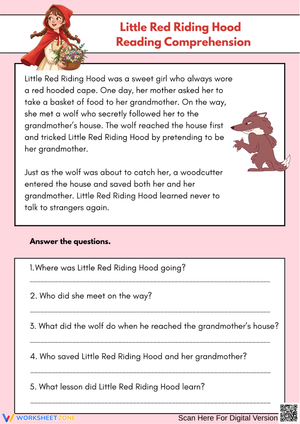
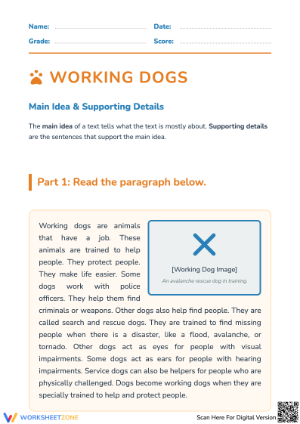
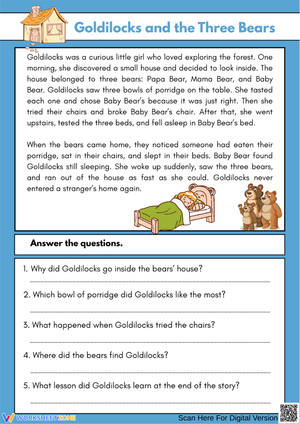
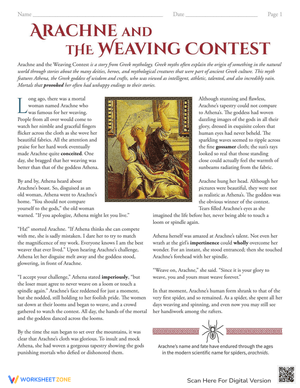
The best short story worksheets ask students to point to evidence, not just recall events. Instead of asking what happened first, a strong prompt asks students to name the moment the main conflict appears and copy the sentence that signals it. That small shift turns a passive recall sheet into a close-reading task teachers can actually use for grouping and reteaching.
Sequencing Short Story Worksheets Across a Unit
Worksheets work best when they follow the arc of your reading unit instead of landing as one-off busywork. A simple three-phase sequence keeps the practice tied to instruction and gives every student repeated contact with the same text.
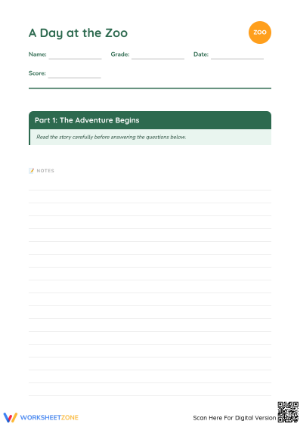
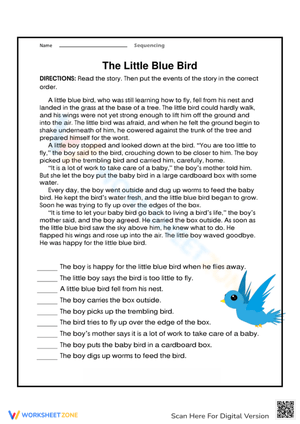
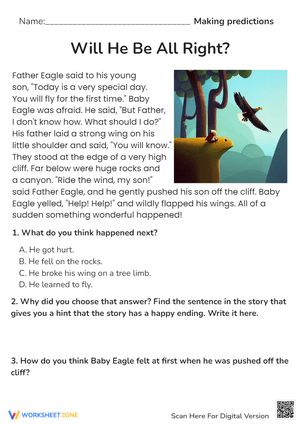
Before reading, use a short prediction sheet: students preview the title, the first paragraph, and any illustration, then write what they expect the conflict to be. During reading, switch to an annotation sheet that asks students to mark where the setting shifts or where a character makes a key decision. After reading, hand out a full story-element organizer so students consolidate character, setting, plot, conflict, and theme in one place.
This progression matters because it spreads the cognitive load. Students are not asked to analyze theme cold; they arrive at it after two lighter passes through the text. For a class reading below grade level, that scaffolding is often the difference between a finished organizer and a blank one.
Choosing the Right Worksheet Format
Not every short story worksheet does the same job, and picking the wrong format wastes instructional time. Three formats cover most classroom needs, and each has a clear best use.
- Story-element graphic organizers give students boxes for character, setting, plot, conflict, and theme. They shine after reading, when the goal is to consolidate a whole text at a glance.
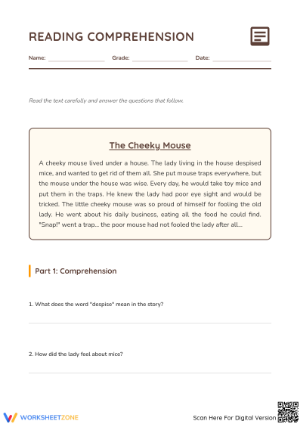
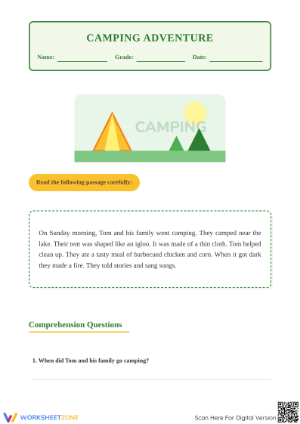
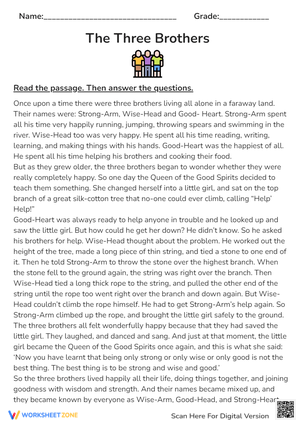
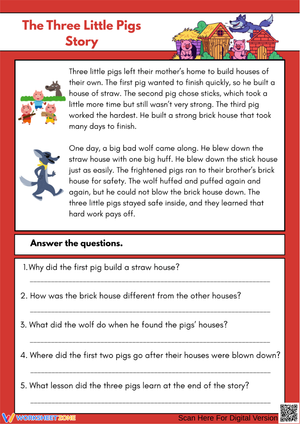
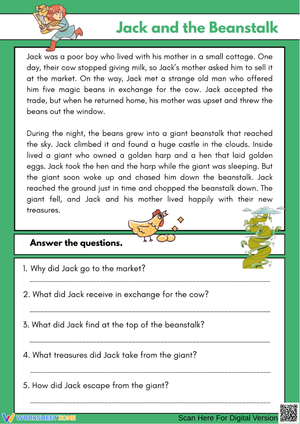
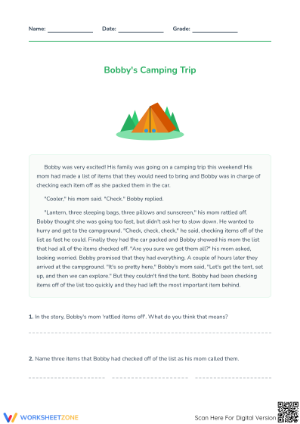
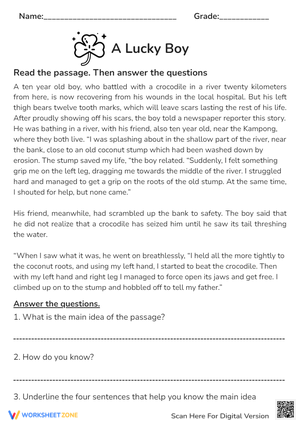
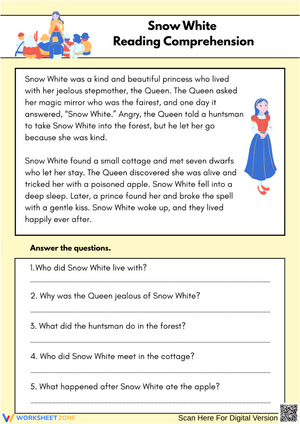
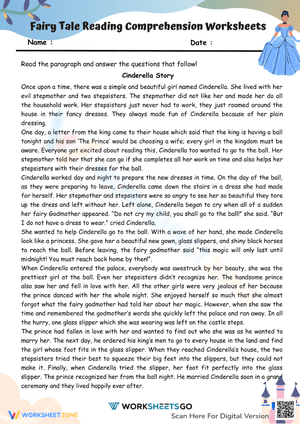
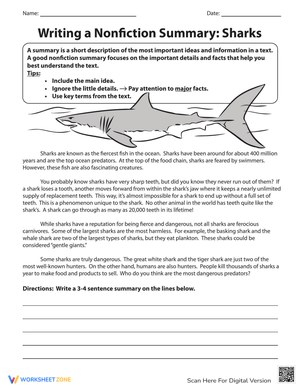
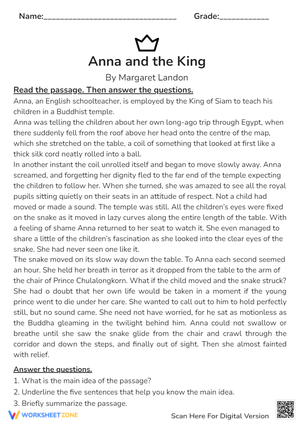
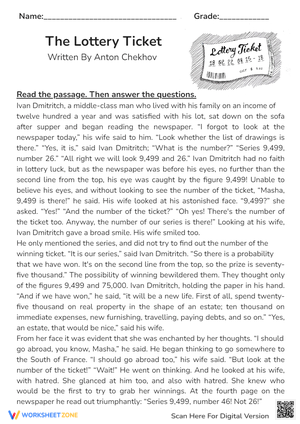
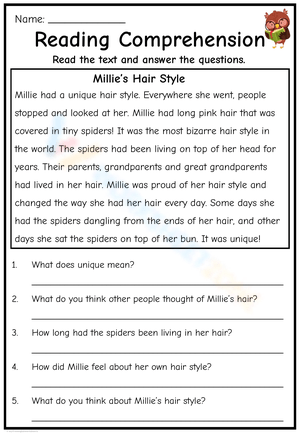
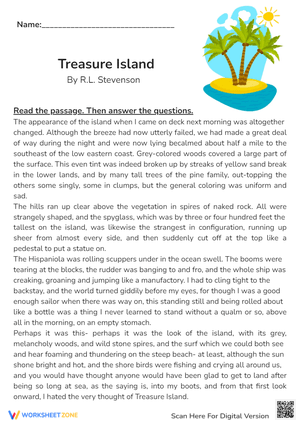
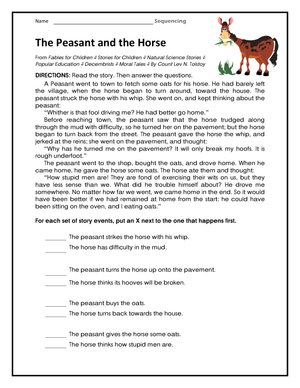
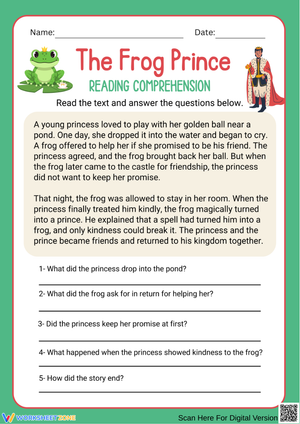
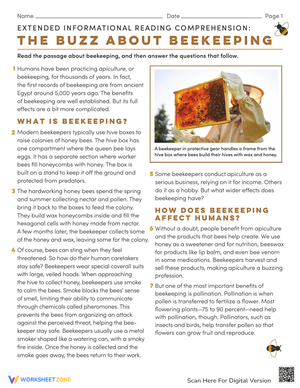
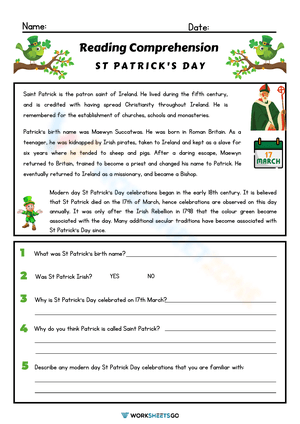
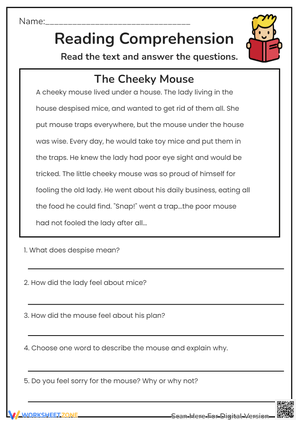
- Short passages with comprehension questions pair a brief text with targeted prompts. They work well for daily fluency plus quick checks, and for building stamina with unfamiliar passages.
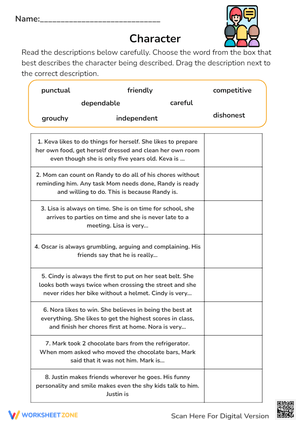
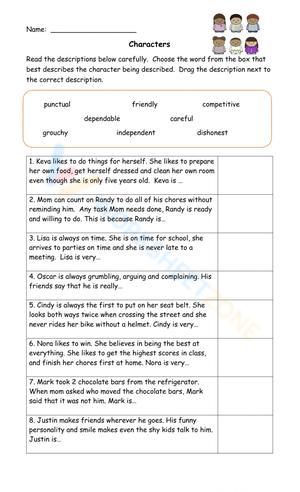
- Small-group intervention sheets lean on the highlight-then-fill-in method, with color keys and sentence stems that lower the entry point for below-grade readers.
Matching format to purpose keeps a worksheet from turning into busywork. If you want evidence of analysis, reach for the organizer; if you want a fast pulse-check on comprehension, the passage-and-questions format gets you there in one class period.
Classroom Implementation
Fitting these worksheets into a real schedule is easier when you match the format to the instructional moment. A few concrete moves keep them from becoming filler:
- Warm-ups: open with a five-minute element hunt on yesterday's passage to spiral prior reading.
- Stations: place a highlight-then-fill-in passage at one rotation so small groups work while you pull an intervention table.
- Homework and sub plans: send an independent story-element organizer with a self-checking answer key so a substitute can run the lesson without your prep.
- Formative checkpoints: collect a single-element exit slip, just conflict or just theme, to decide who needs reteaching before the unit test.
Free banks such as the story elements worksheets from K5 Learning are a useful starting point when you need a quick passage, though you will usually want to adapt the questions so they point back to the specific text your class is reading.
Frequently Asked Questions
1. What story elements should a short story worksheet cover for elementary versus middle school?
Elementary worksheets should stay concrete: character, setting, and a clear beginning-middle-end plot, with conflict introduced simply as the problem. Middle school worksheets can push into internal versus external conflict and theme, asking students to support each with a quoted line from the text.
2. How can teachers use short story worksheets for small-group reading intervention?
Use the highlight-then-fill-in structure. Students color-code each element in a short passage first, then transfer those highlights into a table. Watching which color a student cannot find shows you exactly which element to reteach in the next session.
3. How often should short story worksheets be used within a reading unit?
Aim for a purposeful sheet at each phase, prediction before reading, annotation during, and a full organizer after, rather than a worksheet every day. Two to three well-placed worksheets per short story usually beat daily pages that blur into busywork.
4. What is the difference between a story-element worksheet and a comprehension-question worksheet?
A comprehension worksheet checks whether students followed what happened. A story-element worksheet asks students to categorize and analyze the text, naming the conflict, tracing the plot, and inferring theme, which builds the analytical habits that later essays and grade-level standards require.












 Interactive Worksheet Maker
 Quiz Maker
 Word Search Maker
 Crossword Puzzle Maker
 Word Scramble Generator
 Sentence Scramble Generator
 Handwriting Worksheet Generator
 Name Tracing Generator
 Fill In The Blank Generator