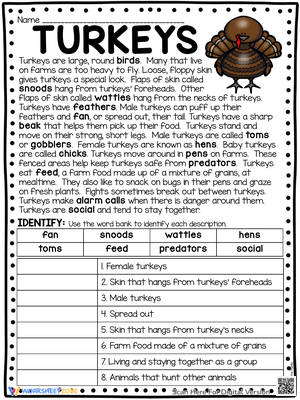
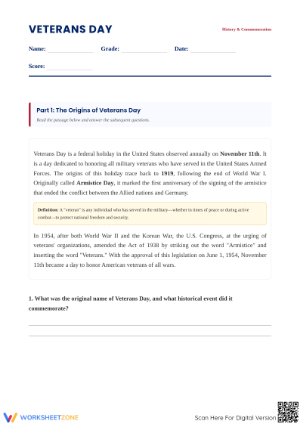
If you teach reading in a US K-12 classroom, you already know nonfiction is not optional anymore. Informational text worksheets give you a fast, low-prep way to build the skills students need to read science articles, historical accounts, and technical manuals with real understanding. Instead of starting from a blank lesson plan every week, you can pull a worksheet that targets a specific skill, like identifying text structure or using a glossary, and slot it into guided reading, an intervention block, or a content-area lesson.
Text Features: The Starting Point for Nonfiction Reading
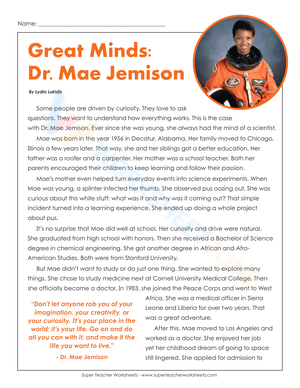
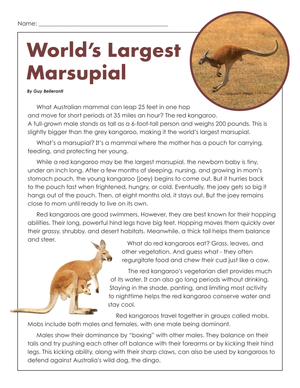
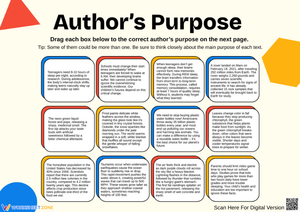
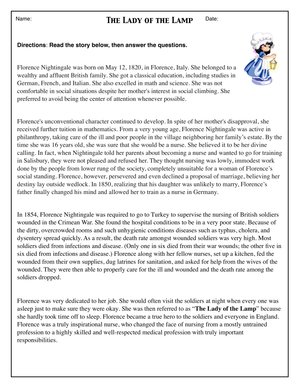
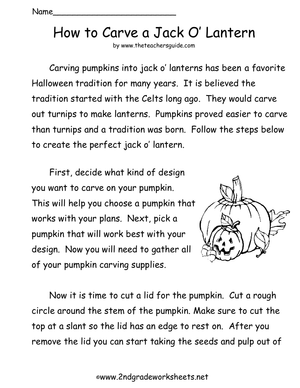
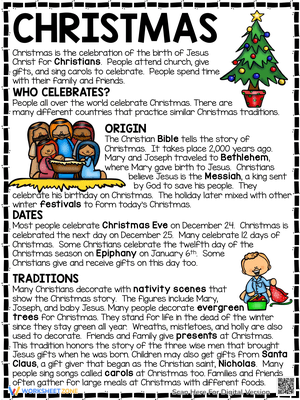
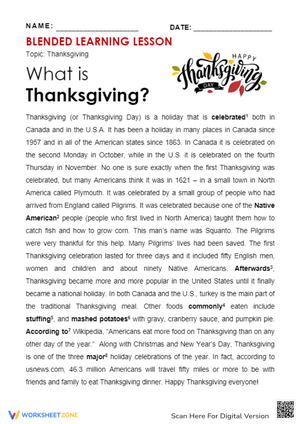
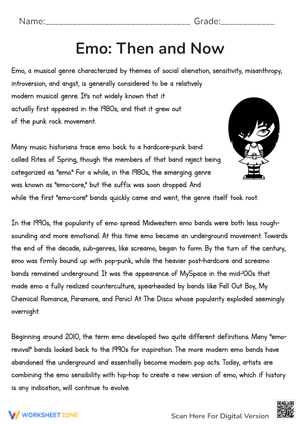
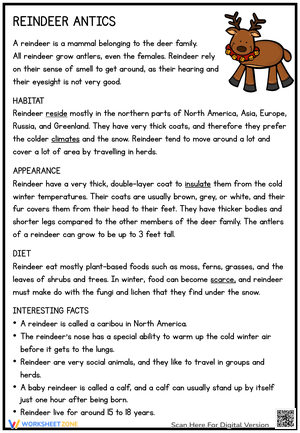
Before students can comprehend a dense nonfiction passage, they need to know how to use the text itself as a tool. Common nonfiction text features taught in these worksheets include headings, captions, glossaries, indexes, and bold or italicized key terms. A short worksheet that asks students to label these features on a real article, then explain what each one tells a reader, builds a habit that pays off every time they open a textbook.
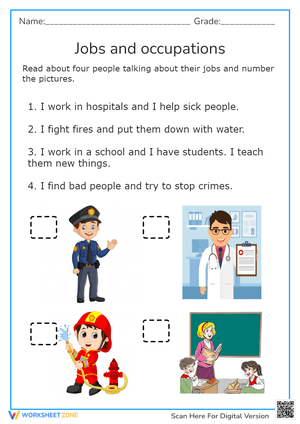
For younger grades, keep text-feature worksheets simple: one feature per page, a clear visual example, and a short written response. For upper elementary and middle school, you can combine several features into one worksheet and ask students to explain how the features work together to support the main idea.
Teaching Text Structure With Graphic Organizers
Once students recognize text features, the next skill is understanding how informational text is organized. Graphic organizers and signal-word instruction are commonly recommended strategies for teaching informational text structure, including sequence, cause and effect, and compare and contrast. Worksheets that pair a short passage with a matching graphic organizer give students a visual scaffold while they practice spotting structural signal words like first, because, or similarly.
This pairing works especially well as a two-step lesson: students read the passage and underline signal words, then transfer that information into the organizer. It turns an abstract skill into something concrete they can point to on the page.
Classroom Implementation
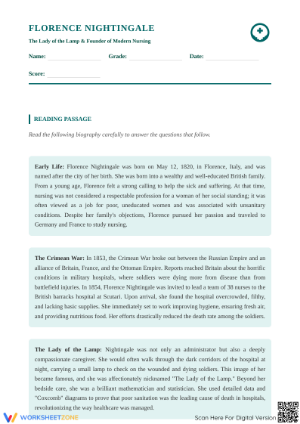
Start by auditing what your students already do well with nonfiction text. A quick informational text worksheet used as a diagnostic can show you whether students need more support with text features, text structure, or literal comprehension before you build out a full unit.
- Use text-feature worksheets in the first two weeks of a nonfiction unit to build shared vocabulary around headings, captions, and glossaries.
- Introduce one text structure at a time with a matching graphic organizer, rather than mixing several structures in one worksheet.
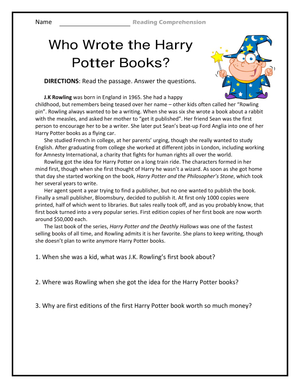
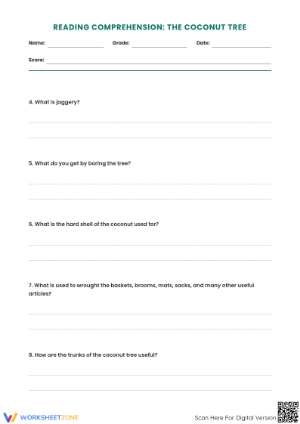
- Reserve chunked, guided-question worksheets for small-group intervention where you can check understanding after each section.
- Share text-structure worksheets with content-area colleagues so nonfiction practice extends beyond the ELA block.
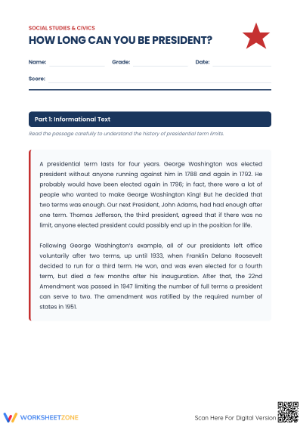
- Keep a short worksheet on hand as a formative check, useful for confirming whether students can identify main idea or text structure before moving to independent reading.
A short informational text worksheet also works well as an exit ticket. Five questions tied to a single text feature or structure give you a quick read on whether a lesson landed, without requiring a full comprehension test.
Frequently Asked Questions
1. What grade levels benefit most from informational text worksheets?
Every K-12 grade band benefits, but the emphasis should grow with the student. Since NAEPs framework calls for roughly a 50/50 split at grade 4 and a 30/70 split by grade 12, upper elementary through high school teachers should expect informational text worksheets to make up a larger share of reading practice as students progress.
2. How do informational text worksheets differ from fiction and literature worksheets?
Informational text worksheets focus on skills specific to nonfiction, such as identifying text features, tracing text structure, and pulling facts or main ideas from expository writing. Literature worksheets more often focus on character, plot, and theme. Both are necessary, but they build different reading muscles.
3. What text features should teachers prioritize when introducing nonfiction worksheets?
Start with the features students will see most often: headings, captions, glossaries, indexes, and bold or italicized key terms. These common nonfiction text features give students a reliable framework they can apply to almost any informational text, from a textbook chapter to a magazine article.
4. How can informational text worksheets support struggling readers in small groups?
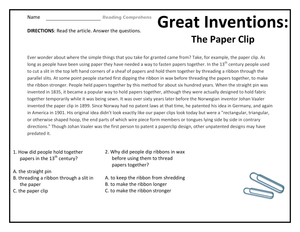
Chunking passages into smaller sections with guided questions after each part is a frequently cited strategy for improving nonfiction comprehension, and it is especially effective in small-group settings where you can check in after each chunk. Shorter passages with the same text-feature and text-structure focus as whole-class worksheets let struggling readers practice the same skills at a manageable pace.
5. How much class time should be spent on informational versus literary text per Common Core guidance?
Common Core ELA standards adopted the NAEP informational-text emphasis, but that ratio reflects reading across all subjects, not just ELA class time. This means the 50-70% informational reading target should be considered across the full school day, including science and social studies reading, rather than treated as a strict quota for the ELA block alone.












 Interactive Worksheet Maker
 Quiz Maker
 Word Search Maker
 Crossword Puzzle Maker
 Word Scramble Generator
 Sentence Scramble Generator
 Handwriting Worksheet Generator
 Name Tracing Generator
 Fill In The Blank Generator