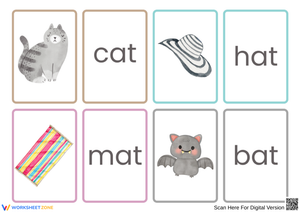
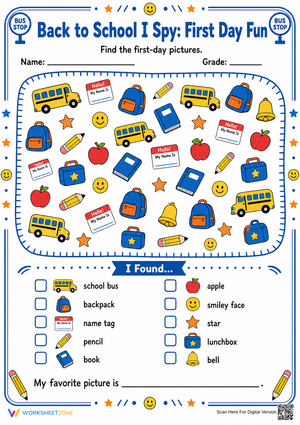
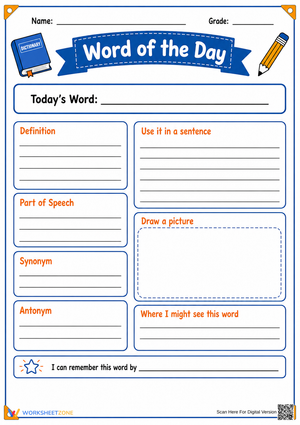
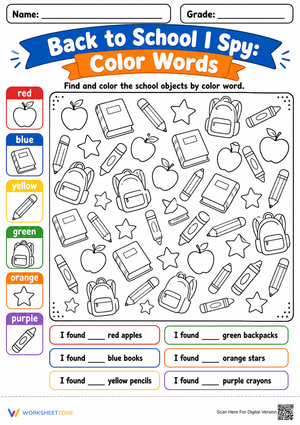
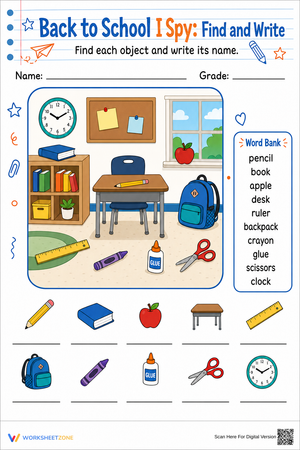
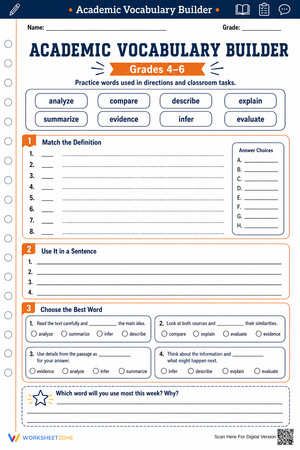
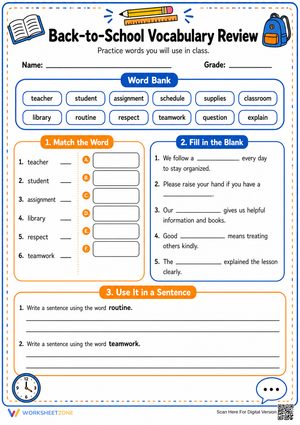
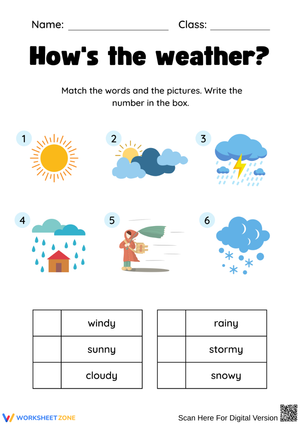
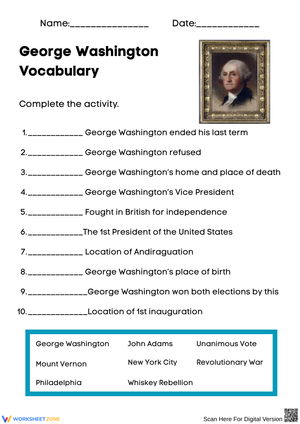
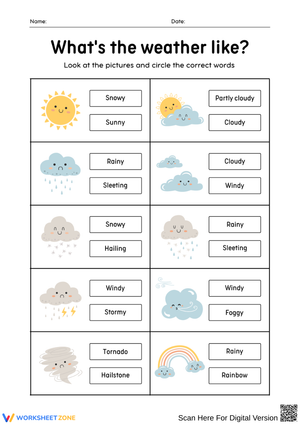
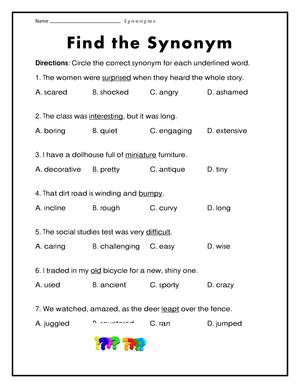
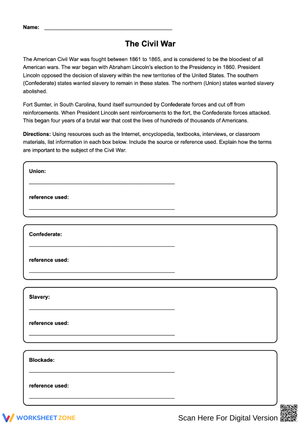
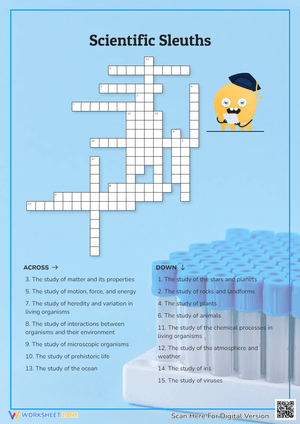
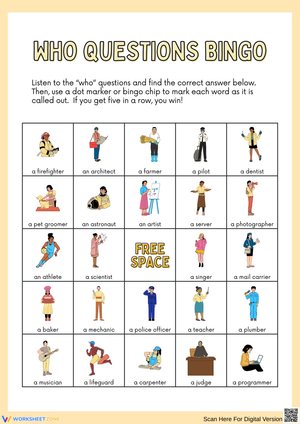
Reading comprehension does not happen without word knowledge. Students cannot infer meaning from context, follow an argument, or answer an inferential question if too many words on the page are unfamiliar. Vocabulary worksheets let you build that foundation in short, repeatable sessions rather than relying on incidental exposure alone.
National reading data underscore the stakes. Roughly one-third of 8th and 12th graders scored below the Basic level on recent NAEP reading assessments, and vocabulary was cited as a primary comprehension barrier for these students. That is not a small subgroup; it represents a substantial share of the students sitting in a typical secondary ELA classroom, which makes deliberate vocabulary practice a comprehension strategy, not just a spelling-adjacent task.
The Direct Link Between Vocabulary and Comprehension
NAEP data show a strong, measurable relationship between vocabulary knowledge and reading comprehension. Students who scored above the 75th percentile in comprehension also had the highest average vocabulary scores, while students at or below the 25th percentile had the lowest. When you plan vocabulary worksheets around a reading unit, you are not adding an extra task to the week. You are addressing the single factor most tightly correlated with whether your students can actually understand what they read.
Repeated Exposure Beats One-Time Drill
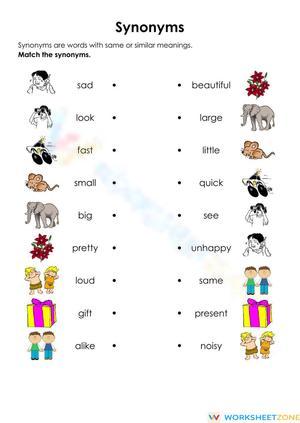
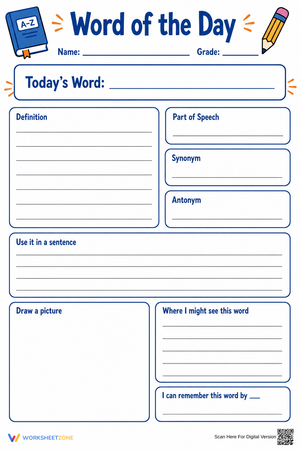
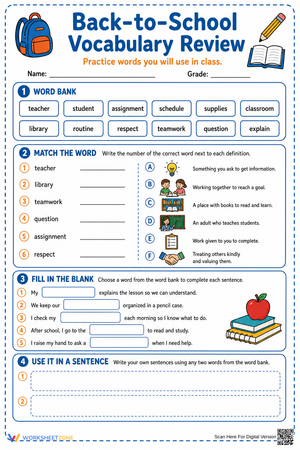
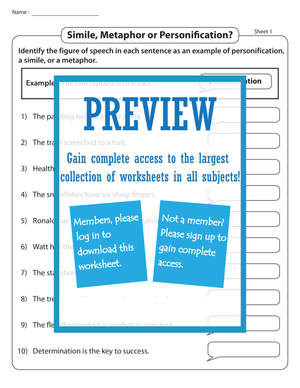
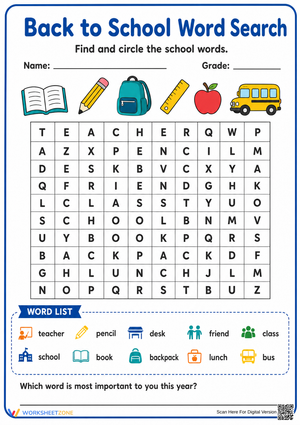
A single worksheet on a single day rarely produces lasting word knowledge. Students need multiple, varied encounters with a word across different contexts before it becomes part of their working vocabulary. Structure your week so that a word introduced on Monday reappears in a matching activity on Wednesday and a sentence-writing task on Friday. Vocabulary worksheets are easy to sequence this way because you can rotate formats, matching, fill-in-the-blank, short constructed response, without rewriting your word list each time.
This pacing also matches what research on academic vocabulary instruction has found. In the Word Generation program, 697 middle school students who were taught five academic vocabulary words per week in engaging, varied contexts showed medium effect sizes on word-knowledge measures. Five words a week is a realistic target for most classrooms: enough to build depth without overwhelming students who are already managing a full course load of new content vocabulary.
Pairing Vocabulary Worksheets With Morphology
Word lists alone teach isolated definitions. Pairing vocabulary worksheets with morphology work, prefixes, roots, and suffixes, gives students a transferable skill they can apply to words they have never seen before. A worksheet that asks students to break unfamiliar_ words into word parts and predict meaning builds independence in a way that memorized definitions cannot.
Studies combining reading, writing, and morphology activities on general academic vocabulary produced significant gains for both English learners and native English-speaking peers. That combination matters for planning: if your vocabulary worksheets only ask students to match a word to a definition, you are missing the writing and morphology components most closely tied to durable gains. Add a short constructed-response prompt or a word-part breakdown to your rotation and you cover all three.
Using Worksheets for Formative Assessment
Vocabulary worksheets double as a quick formative check. A five-minute worksheet completed at the start or end of class tells you, before the unit test, which students have internalized the target words and which need reteaching. Look for patterns rather than individual misses: if half the class struggles with the same word, that is a whole-class reteach moment. If only two or three students miss most items, that is your small-group intervention list for the following day.
Keep a simple tracking sheet next to your worksheet stack. A quick tally of correct responses per word, updated weekly, lets you see which vocabulary concepts need revisiting before you move to the next unit, without waiting for a formal assessment window to surface the gap.
Differentiating for Whole Class and Small Group
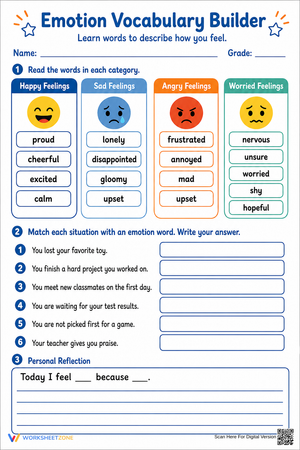
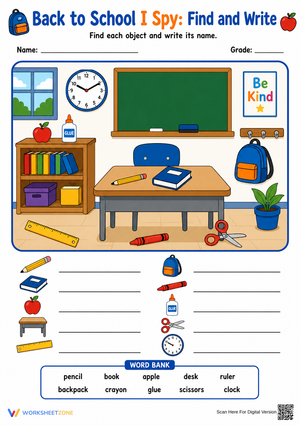
The same vocabulary worksheet rarely serves both a whole-class lesson and a small-group intervention session well. For whole-class instruction, use worksheets that introduce grade-level Tier 2 words in context, with enough scaffolding that most students can complete them independently. For small-group intervention, choose worksheets with more visual support, shorter word lists, and repeated practice of the same core words across sessions rather than new words every day.
Enrichment groups benefit from the opposite adjustment: extend the same worksheet format with more nuanced words, multiple-meaning words, or connotation and denotation comparisons. You do not need a separate worksheet library for every group; you need a flexible format you can adjust in difficulty and pacing.
Building Academic Vocabulary Across Content Areas
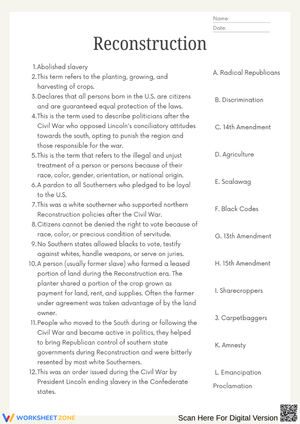
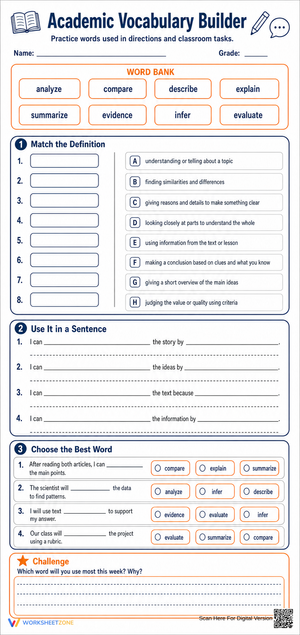
Vocabulary instruction should not stop at the ELA classroom door. Content-area teachers in science, social studies, and math rely on Tier 2 academic vocabulary, words like analyze, evidence, and compare, that show up across every subject. Coordinating a shared set of academic vocabulary worksheets across departments reinforces the same words in multiple contexts throughout the school day, which supports the kind of repeated exposure that builds retention.
If your school runs a vocabulary initiative, ask content-area colleagues which academic terms their students consistently misuse or misunderstand. A short list of five to eight shared Tier 2 words, practiced with worksheets in ELA and reinforced through use in science or social studies writing, gives students far more exposure than any single class could provide alone.
Classroom Implementation
Start each week by selecting five vocabulary words tied to your current reading or content unit. Introduce the words with a short definition-in-context worksheet on day one, then rotate through a matching or morphology worksheet mid-week, and close with a constructed-response worksheet that asks students to use each word in an original sentence. Keep intervention groups on the same five words for two full weeks instead of introducing new lists every session, since struggling readers typically need more repetitions to reach mastery.
For assessment, build a two-minute exit-ticket version of your worksheet for Friday. Score it quickly, sort results into reteach and proceed groups, and use that sort to plan the following Monday. This keeps vocabulary instruction responsive to actual student performance rather than a fixed pacing guide.
Frequently Asked Questions
1. How many vocabulary words should teachers introduce per week using worksheets?
Five words per week is a well-supported starting point. Programs that taught five academic vocabulary words weekly in varied, engaging contexts produced medium effect sizes on word-knowledge measures, and this pace allows time for the repeated exposure students need without overloading working memory.
2. How do vocabulary worksheets fit into a structured literacy or intervention block?
In an intervention block, vocabulary worksheets work best as a short, focused segment, five to ten minutes, paired with morphology practice. Keep the word list stable across multiple sessions so struggling readers get the repeated exposure they need rather than a new list every day.
3. Can vocabulary worksheets help close reading comprehension gaps shown in NAEP data?
Yes. NAEP data show that students with stronger vocabulary scores also scored higher in reading comprehension, while students with the lowest vocabulary scores clustered at or below the 25th percentile in comprehension. Consistent vocabulary practice targets the skill most closely tied to comprehension performance.
4. What is the difference between vocabulary worksheets for whole-class instruction versus small-group intervention?
Whole-class worksheets typically introduce new grade-level words in context with light scaffolding. Small-group intervention worksheets should use fewer new words, more visual support, and repeated practice of the same core list across several sessions.
5. How should teachers assess vocabulary worksheet results to plan reteaching?
Track correct responses by word rather than by student alone. If a large share of the class misses the same word, plan a whole-class reteach. If only a few students consistently miss items, route them into a small-group session focused on those specific words.












 Interactive Worksheet Maker
 Quiz Maker
 Word Search Maker
 Crossword Puzzle Maker
 Word Scramble Generator
 Sentence Scramble Generator
 Handwriting Worksheet Generator
 Name Tracing Generator
 Fill In The Blank Generator