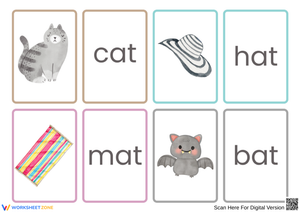
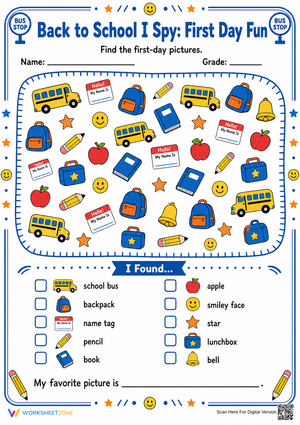
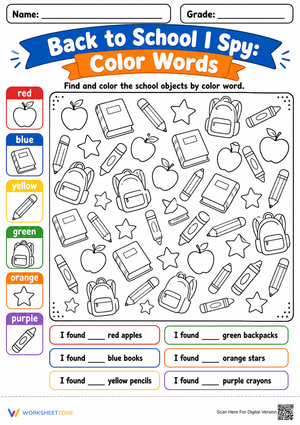
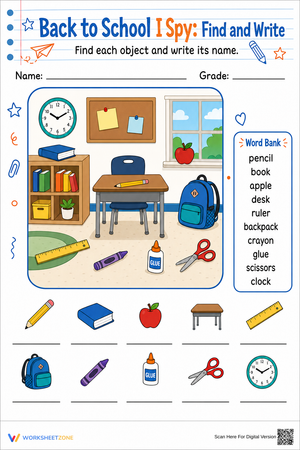
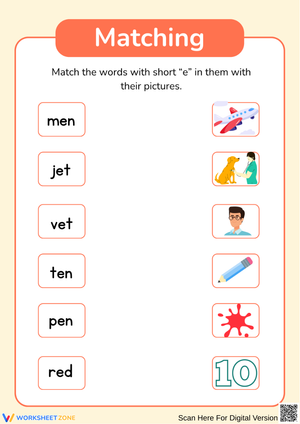
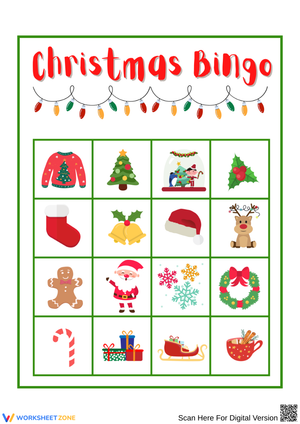
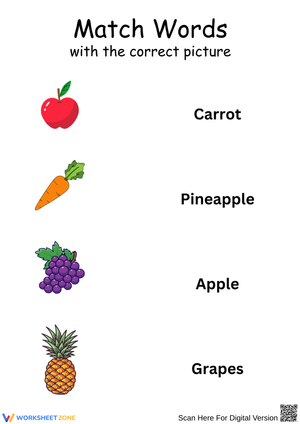
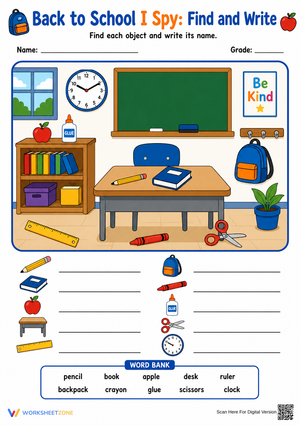
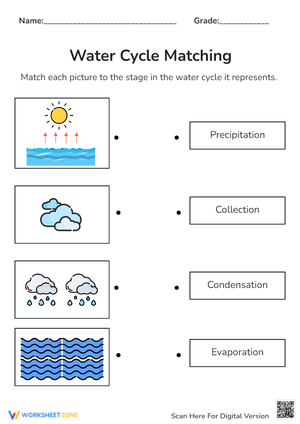
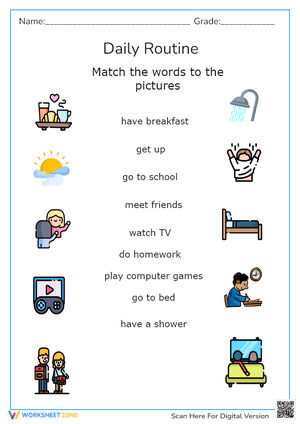
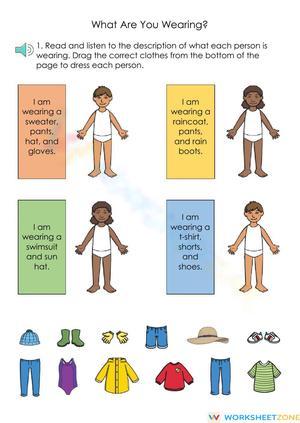
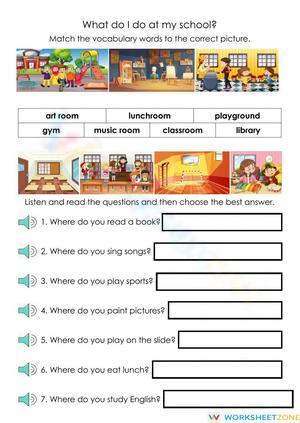
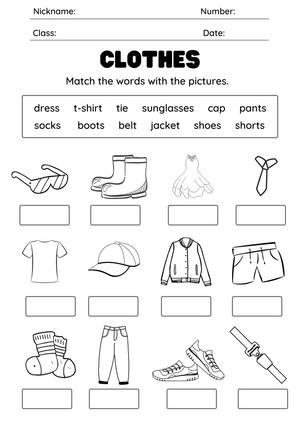
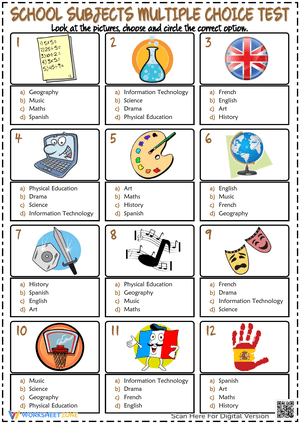
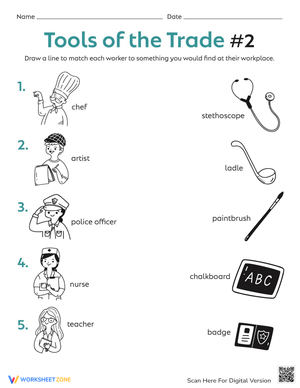
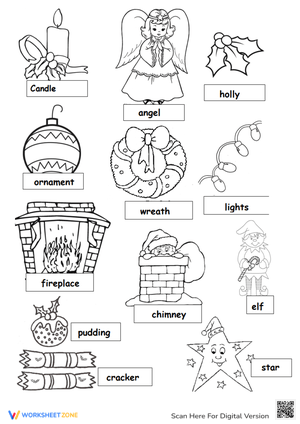
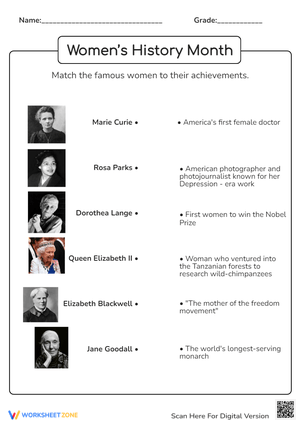
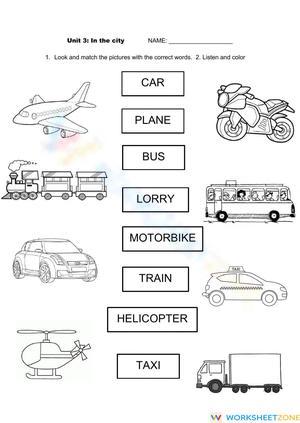
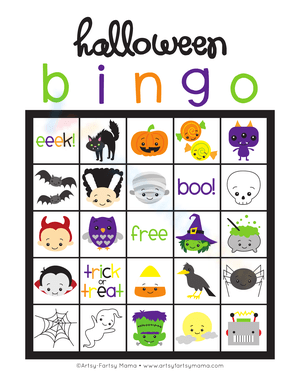
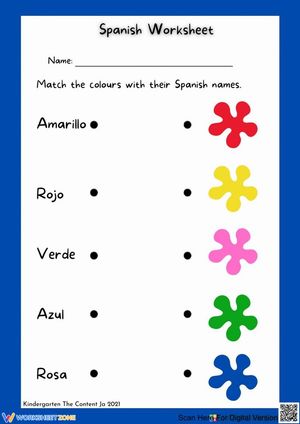
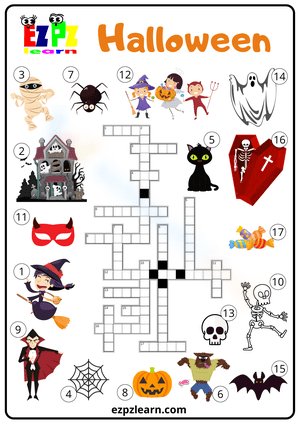
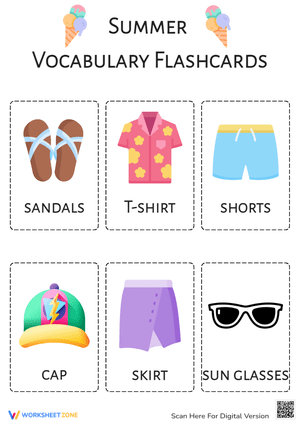
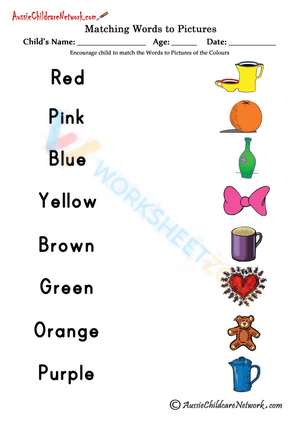
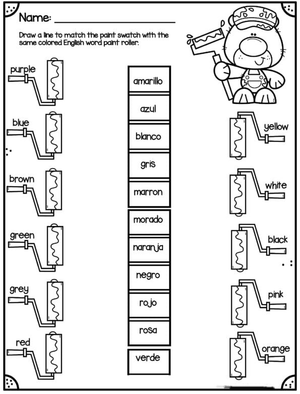
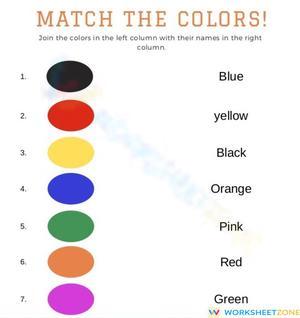
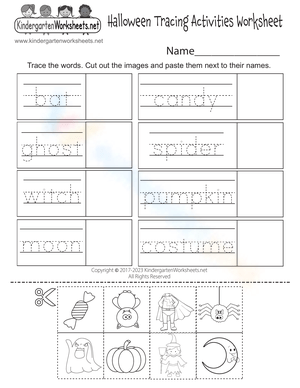
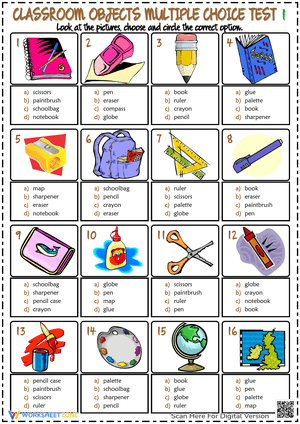
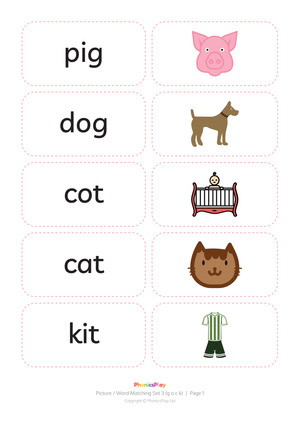
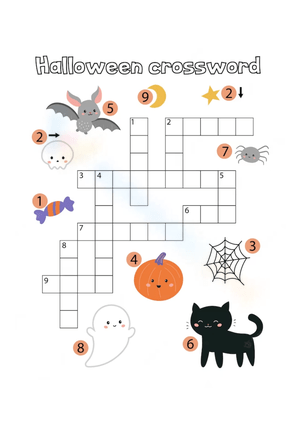
I still remember the afternoon I handed out a set of picture word matching worksheets to a group of kindergartners who had been struggling to connect spoken words with their written forms. The room that had been restless and distracted went completely quiet. Each child leaned in, studying the images and tracing the letters with their fingers, making those small but powerful connections that reading is built on. That moment reminded me why these printable activities are one of the most reliable tools in early literacy instruction.
Picture word matching worksheets work because they tap into how young learners naturally process information. Children are visual by nature, and pairing an image of a familiar object with its written label gives the brain two pathways to store and retrieve that word. For teachers managing diverse classrooms, these worksheets serve as an accessible entry point for students at different levels. A child who cannot yet sound out a word can still make the visual match, building confidence while the phonics skills develop alongside. Worksheetzone offers a broad collection of these printable activities designed for preschool through second grade learners.
Parents who use picture word matching worksheets at home often notice a shift in how their children approach reading. Rather than treating new words as obstacles, kids begin to see them as puzzles worth solving. The worksheet becomes a quiet, focused activity that builds attention span and word recognition at the same time. Pairing these sheets with read-aloud sessions or simple conversations about the pictured objects makes the vocabulary stick even faster. For more ideas on supporting word learning at home and in the classroom, the vocabulary activities guide on Worksheetzone covers a range of practical strategies.
In the classroom, picture word matching worksheets fit naturally into literacy centers, morning work, or intervention sessions. They require no special materials beyond a printed sheet and a pencil, making them easy to distribute and collect. Teachers can differentiate by selecting worksheets that match each student's current vocabulary tier, whether that means basic nouns for beginners or more specific content words for advancing learners. Exploring the synonyms worksheets collection on Worksheetzone adds another dimension to vocabulary instruction once students are ready to explore word relationships.
The lasting value of picture word matching worksheets lies in the foundation they build. Students who develop strong word recognition early are better prepared for independent reading, writing, and comprehension tasks in later grades. Every worksheet completed is one more word added to a child's working vocabulary. Worksheetzone is proud to offer teachers and parents high-quality, printable picture word matching worksheets that support meaningful learning every day.
Frequently Asked Questions
Question 1: What age group benefits most from picture word matching worksheets?
Picture word matching worksheets are most effective for children aged 3 to 7, covering preschool through second grade. At this stage, learners are building foundational vocabulary and early reading skills. The visual format suits their learning style and helps them connect written words to real-world objects they already recognize from daily life.
Question 2: How do picture word matching worksheets support literacy development?
These worksheets reinforce word recognition by linking images to printed labels, giving students both visual and text-based cues. This dual-coding approach strengthens memory retention and supports phonics instruction. Students who regularly practice with these printable activities tend to develop stronger sight word recognition and a broader working vocabulary for classroom reading tasks.
Question 3: Can parents use picture word matching worksheets effectively at home?
Yes. Picture word matching worksheets are well suited for home learning because they are self-explanatory and require no special setup. Parents can use them during homework time, quiet activities, or weekend learning sessions. Discussing the pictured words together and using them in simple sentences extends the vocabulary practice beyond the worksheet itself for lasting results.
Question 4: How often should students practice with picture word matching worksheets?
Short, consistent practice sessions produce the best results. Incorporating picture word matching worksheets two to three times per week, even for ten to fifteen minutes, helps reinforce vocabulary without overwhelming young learners. Regular repetition with varied word sets ensures students encounter new vocabulary often enough to move words from short-term recognition into long-term reading fluency.












 Interactive Worksheet Maker
 Quiz Maker
 Word Search Maker
 Crossword Puzzle Maker
 Word Scramble Generator
 Sentence Scramble Generator
 Handwriting Worksheet Generator
 Name Tracing Generator
 Fill In The Blank Generator