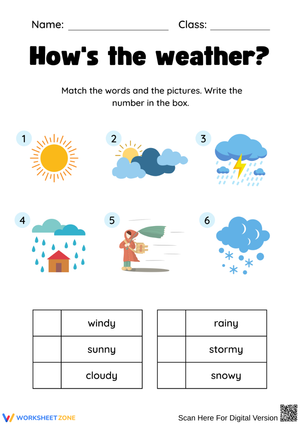
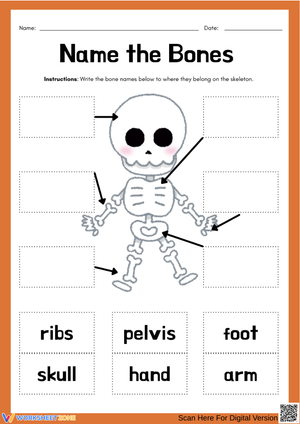
Science worksheets printable for 2nd grade give teachers a targeted set of resources spanning all four instructional domains — physical science, life science, Earth and space science, and engineering design. Each worksheet concentrates on one concept or skill: sorting materials by observable properties, sequencing a plant life cycle, labeling a landform, planning a design solution. The set includes recording tables, diagram labeling tasks, Venn diagrams, sequencing activities, and written reflection prompts.
What's Inside the Set
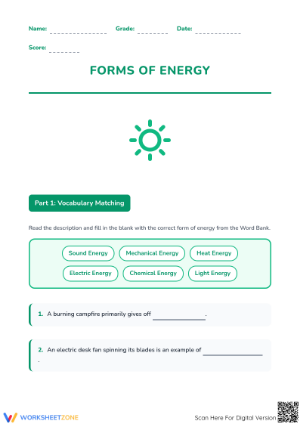
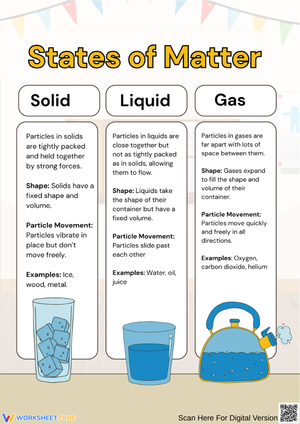
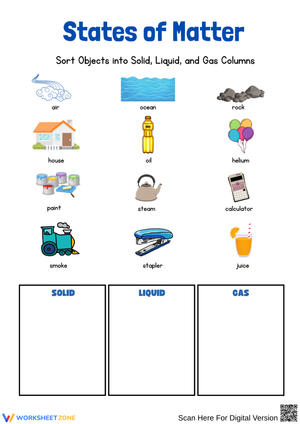
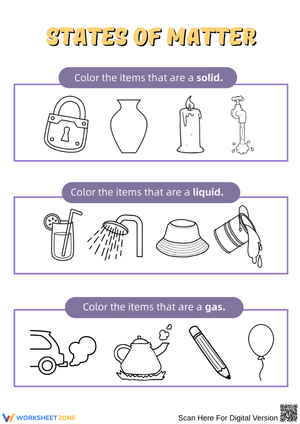
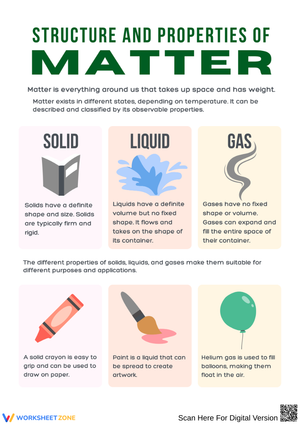
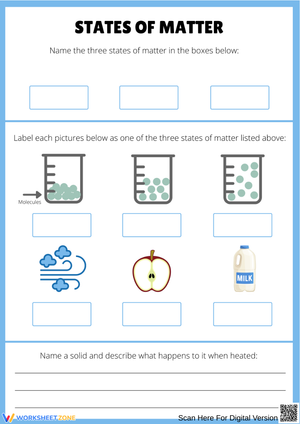
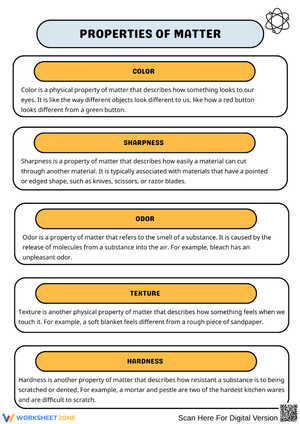
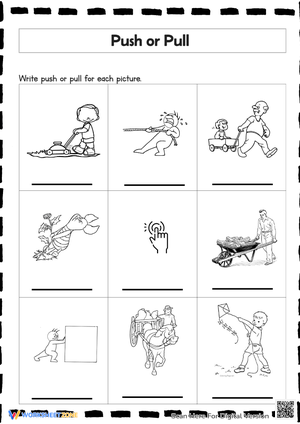
Physical science worksheets focus on the structure and properties of matter. Students sort objects by flexibility, hardness, texture, and color, complete side-by-side comparison charts, and predict which material would perform best in a given situation. That last task carries specific instructional value: when students must justify a material choice in writing — "wax paper works better here because it doesn't absorb water" — they move from identifying properties to applying them.
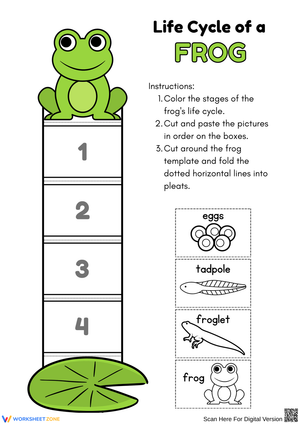
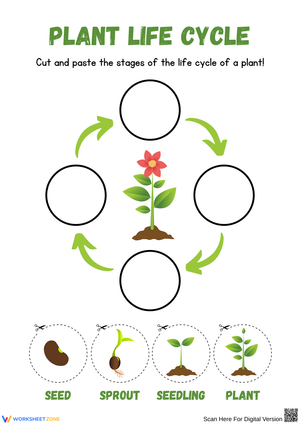
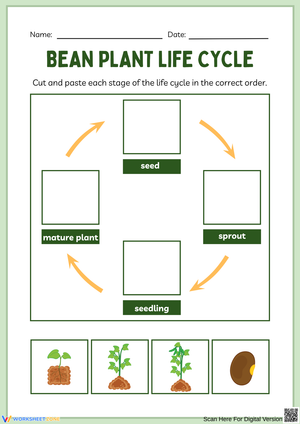
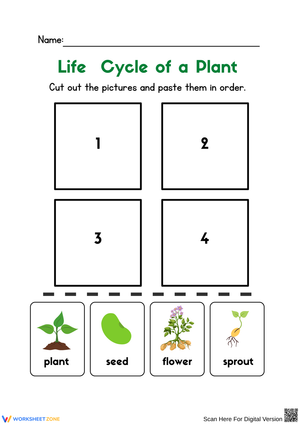
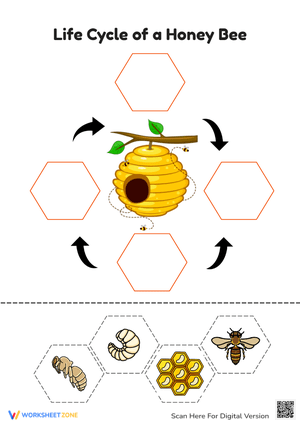
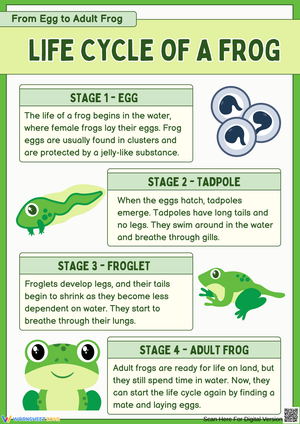
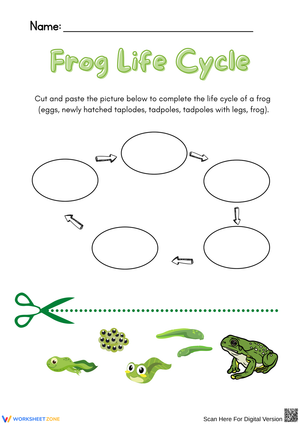
Life science worksheets address plant growth, pollination, and seed dispersal. Sequencing activities ask students to arrange the stages of a plant life cycle in the correct order, and that task consistently surfaces a gap that whole-class discussion doesn't reveal: students frequently place the flower before the seed, treating it as the plant's final stage rather than as the reproductive structure that generates the next seed. Cut-and-paste formats are especially effective here because the physical act of placing images reinforces the sequence in a way that simply numbering a pre-drawn list does not.
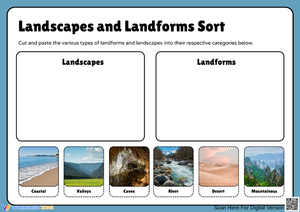
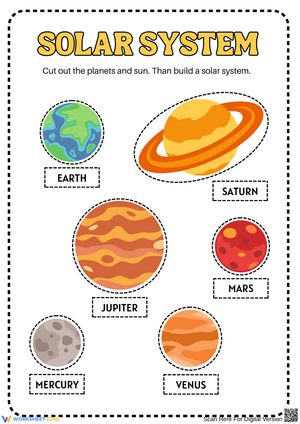
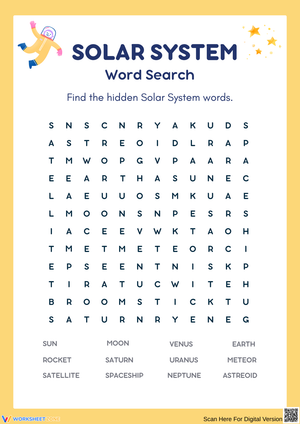
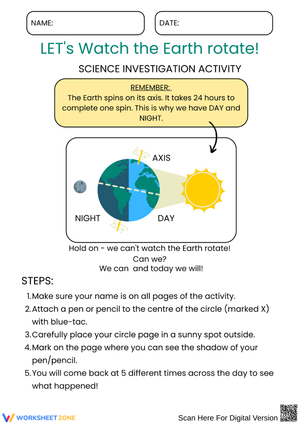
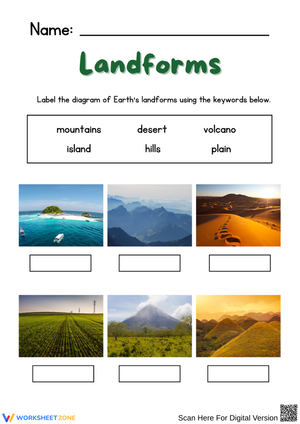
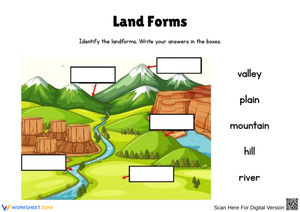
Earth and space science worksheets introduce landforms, bodies of water, and the contrast between slow geological processes and rapid changes. Venn diagrams comparing erosion with volcanic eruptions give students a thinking structure for a distinction that otherwise stays abstract. Drawing-and-labeling tasks — sketch a specific landform, describe how it formed — require students to commit to an explanation rather than choose from a list, which makes visible whether understanding is present or just surface-level familiarity.
Engineering design worksheets function as planning templates. Students sketch a proposed solution, list the materials they intend to use, and write one revision they would make after testing. They also serve as documentation of the design-thinking process — useful when teachers need concrete evidence of student progress toward engineering standards.
Using These Worksheets Across the Lesson Cycle
The strongest placement for these resources is during a lesson rather than after it. When students are handling materials in a properties investigation, a recording table with columns for each observable property keeps observations organized and creates a shared reference for class discussion. For a plant-growth study, a data-collection worksheet where students measure and record height over several days becomes the evidence they analyze when drawing conclusions — the worksheet is doing real scientific work, not serving as review.
Science worksheets printable for 2nd grade that include reflection prompts work well in the final five to eight minutes of a science block. A three-box exit ticket — "what I learned," "one question I still have," "draw it" — takes almost no prep and returns immediate formative information about where students are. Teachers who print reflection worksheets at reduced scale and glue them into science notebooks find that students revisit earlier entries during later units, making cross-domain connections without any additional prompting.
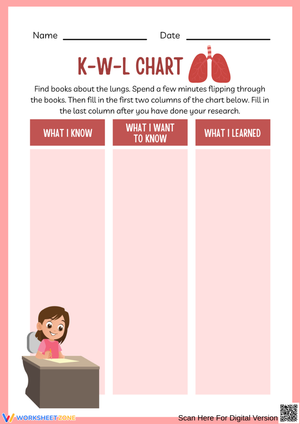
Before a new unit begins, a two-column front-loader labeled "What I Know / What I Wonder" surfaces prior knowledge quickly. Running this activity before a matter unit consistently reveals that students describe objects rather than materials — a gap that, once visible, shapes instruction for the entire unit.
Error Patterns Worth Watching in Student Work
Material-property confusion is the most predictable error in physical science. Students write "the pencil is hard" rather than "wood is hard" — they describe the object rather than the material, which means the core idea that one material can appear in many different objects hasn't landed. This error shows up cleanly on sorting worksheets before it appears anywhere else, which makes those worksheets useful as informal diagnostic tools early in the unit.
In life science sequencing, the flower-before-seed placement is a consistent stumbling block. A student may arrange image cards correctly during a class activity and still reverse those two stages when working independently. That gap between whole-group performance and independent performance is exactly what the worksheet catches before the assessment.
Earth science vocabulary produces clustering errors. "River" gets applied to almost any body of water; "mountain" covers every elevated landform. When a whole class labels a plateau "mountain" on the same worksheet, that's a clear signal to reteach the term directly rather than move on.
Engineering design planning templates routinely return descriptions of what went wrong rather than genuine design revisions — "my bridge fell" instead of "I would widen the base." Walking students through one modeled example before they begin prevents most of this. The distinction between reporting a failure and proposing a fix is worth making explicit before students start writing.
Adapting These Resources for Different Learners
For emerging readers, picture cues next to key vocabulary reduce the decoding load without lowering the scientific demand. A word bank that pairs "flexible" with a small drawing of a bent ruler and "rigid" with an image of a wooden block lets students focus on the concept rather than the text. Visual-heavy worksheets — image sorting, diagram labeling — maintain the same conceptual rigor while keeping the language barrier low for students who are still building reading fluency.
Advanced students benefit from a single extension question at the bottom of a worksheet rather than a separate activity. Prompts like "What would happen if you tested this material in water?" or "Design a different investigation that checks the same property" require the same foundational understanding as the core task but push students toward application and experimental thinking. Adding these prompts takes seconds during print setup and keeps pacing manageable during independent work time.
For English learners, a small glossary box placed directly on the worksheet — "erosion — when wind or water carries soil from one place to another" — keeps students inside the task rather than reaching for a separate reference. Science worksheets printable for 2nd grade that use clean diagrams, minimal dense text, and consistent visual labeling are the most workable across classrooms where students are developing English alongside scientific vocabulary.
Standard Alignment
These worksheets align with the Next Generation Science Standards (NGSS) for Grade 2. Standard 2-PS1-1 asks students to plan and conduct investigations to describe and classify different kinds of materials by their observable properties — the sorting and comparison worksheets in the physical science set target this standard directly. 2-LS2-2 requires students to develop a simple model showing how an animal disperses seeds or pollinates plants; the cut-and-paste sequencing and matching worksheets build toward that standard through repeated, concrete practice. Earth science worksheets address 2-ESS2-2, which calls on students to represent the shapes and kinds of land and bodies of water in a model — the labeling and drawing tasks develop the spatial and conceptual understanding that standard requires. Engineering planning templates connect to K-2-ETS1-1, the standard asking students to gather information about a problem and define a simple solution.
Teachers whose states have adopted the NGSS or a closely aligned framework will find these worksheets fit into existing unit sequences without adjustment. Those working with other state standards should check Grade 2 physical, life, and Earth science expectations at the state level — the concepts addressed here are broadly consistent with most state frameworks even when the specific code differs.
Frequently Asked Questions
Do these worksheets work for students at different reading levels?
Yes. Visual-heavy formats — sorting tasks, diagram labeling, image-matching exercises — put scientific thinking first and require minimal independent reading. For worksheets that include written prompts, adding picture cues next to vocabulary or a small glossary box brings the text demand down without changing the conceptual target. The differentiation section above covers specific adjustments in more detail.
What is the most effective way to use these for assessment?
These worksheets function best as formative tools, not summative ones. The error patterns they surface — students placing the flower before the seed, labeling every elevated landform as a mountain — give specific information about where instruction needs to go next. Using completed worksheets to identify which students need reteaching versus which are ready for extension, before the unit test, is a practical and reliable approach.
Do these work in science center rotations?
Sorting activities, labeling tasks, and matching worksheets run well as independent center activities with minimal supervision. A small stack of science worksheets printable for 2nd grade placed at a station alongside picture cards or simple manipulatives gives students a self-directed task that connects directly to the current unit. Keeping an answer key in a nearby folder lets students who finish early check their own work independently.
Can students use these in science notebooks instead of as standalone handouts?
Many teachers find the notebook approach more effective than distributing loose worksheets. Printing at slightly reduced scale and gluing each worksheet into a bound notebook keeps student work organized across the school year and creates a reference students actually return to. A student who pulls out an earlier plant-life-cycle sequencing worksheet during an ecosystems unit months later is drawing on prior learning in a way that a loose handout rarely supports.