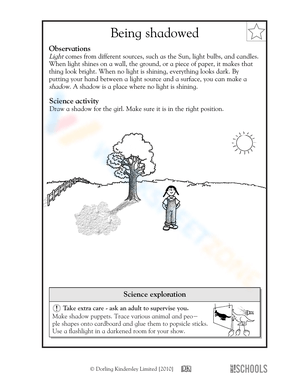
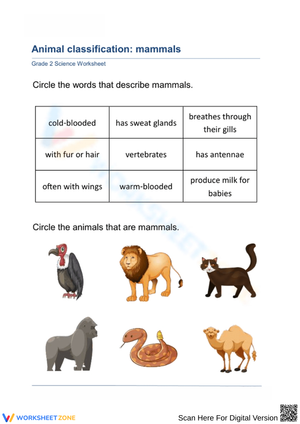
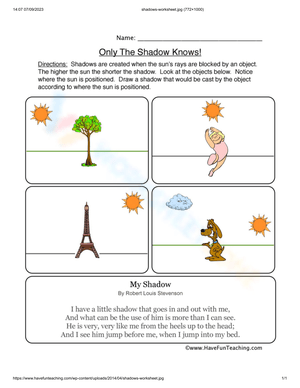
These 2nd grade others science worksheets cover the slice of elementary science that most scope-and-sequence charts don't name cleanly — the foundational inquiry practices, engineering design thinking, lab tool literacy, and safety protocols that underpin every science unit a student will ever encounter. Second grade is typically when students make their first deliberate contact with a formal scientific process, and the gap between "we did something in science" and "I formed a prediction based on what I already knew" is exactly what these resources are built to close.
The Specific Skills Targeted
The set covers five distinct areas, each addressed through its own worksheet type. Scientific method worksheets walk students through observing a phenomenon, framing a question, recording a prediction, noting results, and drawing a simple conclusion — with graphic organizers that include both drawing space and sentence starters so that students still building reading fluency can participate fully. Engineering design worksheets present a constraint-based problem (a structure that holds three books, a boat cut from a single sheet of foil) and prompt students to brainstorm, sketch a labeled diagram, and then evaluate whether their plan held up. A third group focuses on lab tool identification — rulers, hand lenses, thermometers, balance scales, measuring cups — through matching tasks and use-case scenarios. Data recording worksheets function as structured observation logs with space for measurements, changes over time, and pattern identification. The fifth area, science biography passages, is written at a late-first to early-second-grade reading level and covers scientists from varied backgrounds, reinforcing that the identity of a scientist isn't fixed to any particular background.
Common Mistakes Students Make That These Worksheets Help You Catch
The most persistent confusion at this grade level is the observation-versus-inference problem. A student who correctly notices that the ice cube is smaller after five minutes will often write "the ice is cold" — reporting what they already know about ice rather than what they actually observed. Observation log worksheets address this directly by separating two prompts: "What did you see, hear, or measure?" and "What do you think it means?" Keeping those on different lines forces students to make the distinction before they conflate the two.
Engineering design worksheets surface a different pattern: students draw what they want rather than what the available materials can do. A second grader will sketch a bridge made of "super strong wood" without considering whether craft sticks bend under weight. Giving students five minutes to pick up and flex the actual building materials before they start sketching changes the quality of the designs considerably. The worksheets with a dedicated "materials available" box at the top prompt that thinking before the pencil moves. A third error shows up in tool identification work — students routinely describe a thermometer as measuring "how hot something feels" rather than as a tool for recording temperature precisely. That distinction matters later when they begin comparing data across experiments.
Standard Alignment
The engineering design worksheets directly support K-2-ETS1, the NGSS engineering design standard for the primary grades. K-2-ETS1-1 asks students to define a simple problem that can be solved through the development of a new or improved object or tool. K-2-ETS1-2 asks them to produce a simple sketch or drawing illustrating how an object's shape helps it function. K-2-ETS1-3 asks them to analyze data from tests to determine which design best solves the problem. Each of those performance expectations maps directly onto a stage in the engineering design worksheets, making them usable as formative tools at each checkpoint of a design challenge rather than only at the end. The scientific method and observation log worksheets support the NGSS Science and Engineering Practices strand — specifically Practice 3 (Planning and Carrying Out Investigations) and Practice 4 (Analyzing and Interpreting Data), which appear as supporting elements across second-grade performance expectations in life, earth, and physical science alike.
Lesson-Planning Strategies for Getting the Most From These Worksheets
The 2nd grade others science worksheets in this set work best embedded inside existing units rather than used as standalone lessons. When a class starts a weather unit, introduce the thermometer identification worksheet two days before students first use thermometers outside — not the same day. That gap gives students a recognition framework before the hands-on context arrives. During an insect unit, pair an observation log worksheet with a magnifying glass activity: students record what they see, then bring the completed sheet to a brief class share where observations get compared and patterns named. The 10 or 15 minutes after an experiment — when engagement is still high but the hands-on phase is over — is a reliable window for engineering design reflection worksheets. Students are more willing to evaluate what didn't work when the physical experience is still fresh.
For the engineering design worksheets specifically, a five-minute materials preview before the drawing phase is worth the time. Set out craft sticks, index cards, cardboard squares, and tape so students can pick up each material and feel how it flexes or holds its shape. A design drawn after handling materials is almost always more realistic than one drawn cold, and the sketches translate into better prototypes.
Differentiating These Worksheets Across Ability Levels
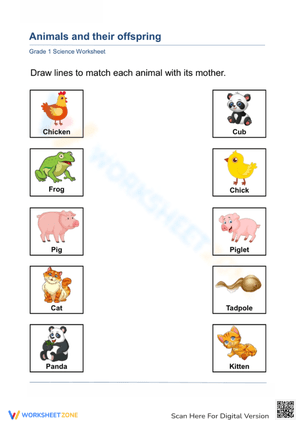
Students still developing reading fluency do well with the tool identification and matching worksheets because those rely on labeled images rather than extended writing. Adding a word bank to the observation log sections lowers the word-retrieval demand without reducing the observational thinking required — students still have to watch carefully and select the right description. For students who move through the work quickly and accurately, the engineering design reflection worksheets can be extended with a single added prompt: "What would you change if you had one more material?" That question pushes toward the evaluative reasoning K-2-ETS1-3 targets without requiring a separate resource.
English language learners often find the 2nd grade others science worksheets with visual-dominant formats — the tool matching activities and labeled-diagram tasks — more accessible entry points than the writing-heavy recording sheets. Using those first builds scientific vocabulary in a lower-pressure context. Students working above grade level can use the biography passages as a starting point: they identify one question the reading raised and then use a scientific method worksheet to map out how they would investigate it, which extends the inquiry process rather than just repeating the same task at higher volume.
Frequently Asked Questions
What exactly falls under "others" science for second grade?
The category covers the process skills and cross-disciplinary concepts that don't belong to any single science domain — the scientific method, engineering design, lab safety, scientific tool identification, data recording, and introductory scientist biographies. These are the skills students draw on whenever they do science, regardless of the specific topic. At second grade, they are taught both as focused lessons and woven into life, earth, and physical science units throughout the year.
Should I use these worksheets before a hands-on activity, after, or during?
It depends on the type. Tool identification worksheets are most effective a day or two before students use those tools in an experiment — the recognition is there when they need it. Observation log and data recording worksheets belong during or immediately after an activity while the experience is still present. Engineering design worksheets often work best in two passes: the brainstorm and sketch before building, and the evaluation section after testing the design. Completing them in one sitting is less useful than splitting them around the build.
How do I make the scientific method feel meaningful to students who are still developing as readers?
Use the graphic organizer versions that include drawing prompts alongside sentence starters. A student who draws what they observed before writing about it almost always produces a more accurate written description — the drawing anchors the language. Keep predictions tied to direct sensory experience: "What do you think will happen to the ice cube?" produces richer predictions than abstract scenarios because students can draw on something they have felt and seen. The 2nd grade others science worksheets in this category include picture-first prompts throughout the inquiry sequence for exactly that reason.
Are these resources suitable for science learning centers?
Several of them work well as independent station activities. The tool matching worksheets, safety scenario questions, and biography reading passages can all be completed without direct teacher support once students are familiar with the format. Observation logs and engineering design reflection worksheets are better suited to teacher-led small groups or whole-class follow-up — the quality of student thinking in those formats improves noticeably when a brief discussion comes first.












 Interactive Worksheet Maker
 Quiz Maker
 Word Search Maker
 Crossword Puzzle Maker
 Word Scramble Generator
 Sentence Scramble Generator
 Handwriting Worksheet Generator
 Name Tracing Generator
 Fill In The Blank Generator