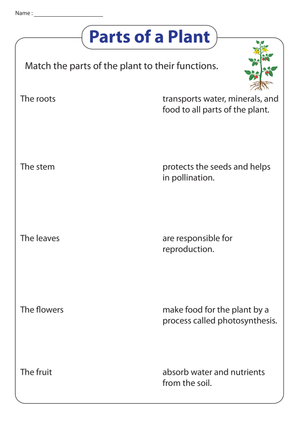
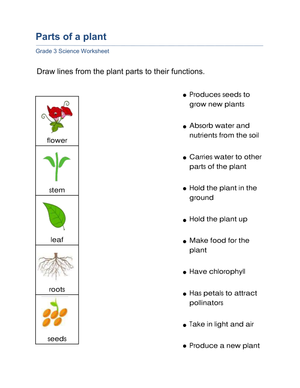
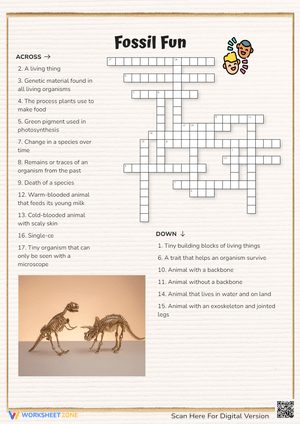
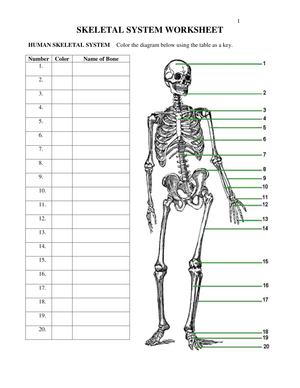
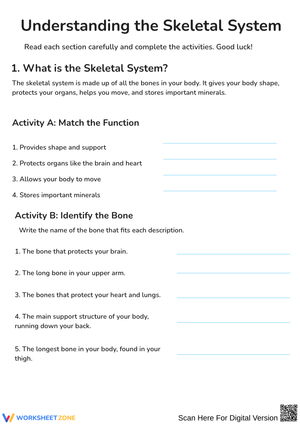
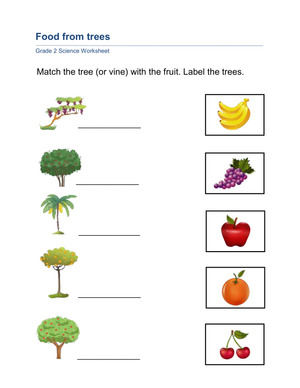
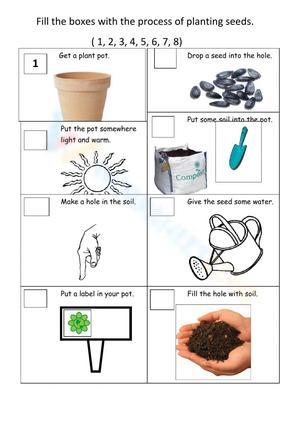
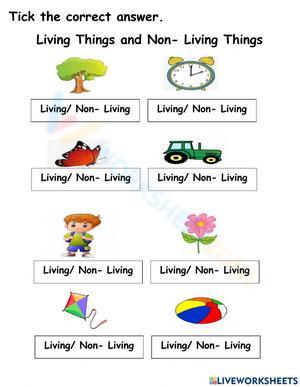
These 2nd grade biology worksheets resources give teachers print-ready practice for the four core strands of Grade 2 life science: what plants need to survive, how plants and animals depend on each other, the diversity of living things across habitats, and the stages of common life cycles. Each worksheet pairs a concept with a recording or analysis task — students draw, label, sort, or sequence rather than simply read and recall. At seven and eight years old, students are developmentally ready to move from naming living things to explaining the relationships between them, and the set is built around that transition.
What Each Worksheet Targets
The set spans four content areas, each addressed through multiple worksheet types that build on each other across a unit.
- Plant needs and growth: Students track variables — light, water, soil type — using data recording sheets and observational drawings. A standard classroom setup places one bean plant in a sunny window and one in a dark cabinet; students measure stem height and count leaves over two weeks and record their findings on the worksheet.
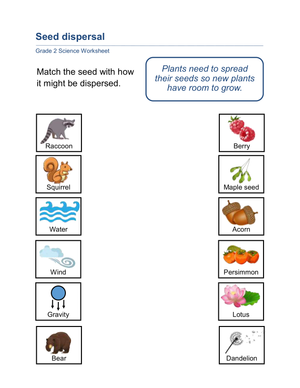
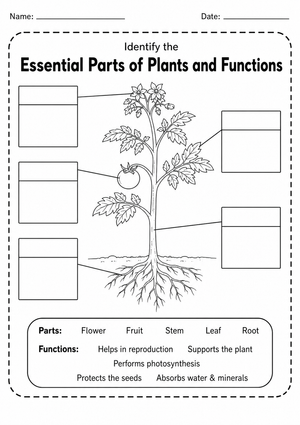
- Pollination and seed dispersal: Students label cross-sections of flowers, identify common pollinators, and sort seed types by dispersal method — wind, water, animal fur, and ingestion. This sorting task consistently reveals which students understand the function behind the categories, not just the label.
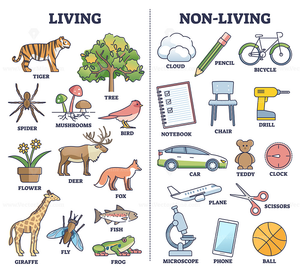
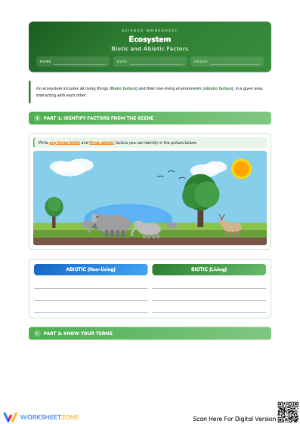
- Habitat comparison: Side-by-side analysis worksheets guide students through comparing two environments — desert and rainforest, tundra and temperate forest — noting the plants and animals found in each and beginning to connect organism traits to environmental conditions.
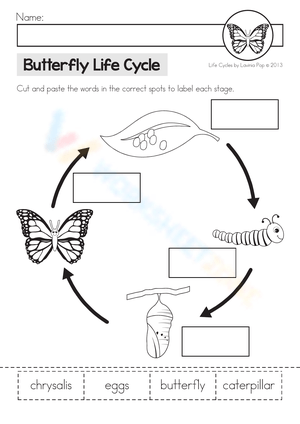
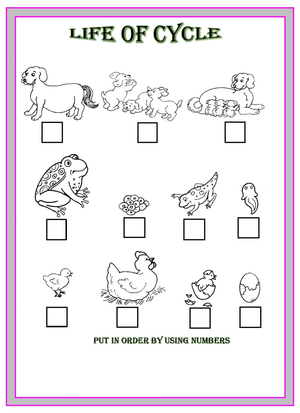
- Life cycle sequencing: Students cut, arrange, and glue the stages of butterfly, frog, and flowering plant life cycles. A few worksheets push further, asking students to compare two cycles and mark where they see similarities in how the organism changes.
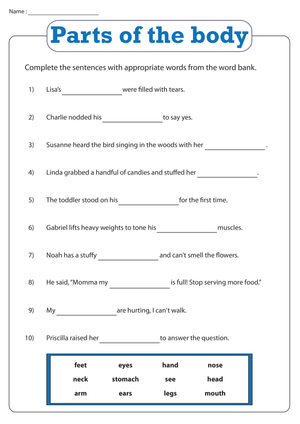
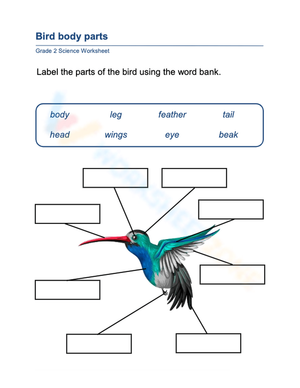
Scientific vocabulary runs through all four areas. Students encounter terms like pollination, dispersal, habitat, germination, and metamorphosis in context — inside labeling tasks, word-to-definition matching, and fill-in-the-blank sentences — rather than in isolation on a vocabulary list.
Predictable Errors These Worksheets Help You Catch
Life cycle sequencing produces the most consistent error in second grade: students place the caterpillar stage before the egg because they have seen caterpillars far more often than butterfly eggs. They're drawing on real-world experience, which is actually sound scientific thinking — just aimed at the wrong starting point. When you see this error in a stack of completed worksheets, it's a reliable signal to revisit what "the beginning of a life cycle" means and to show students photographs of eggs in the wild before moving on.
The seed dispersal sorting task surfaces a different gap. Students almost universally place dandelion seeds (wind) and burdock burrs (animal fur) correctly. Fleshy fruits trip them up — they see an apple or a cherry as food, not as a delivery mechanism for seeds. The worksheet framing matters here: asking students to mark "what happens to the seed inside this fruit" tends to get more accurate responses than asking "how does this seed travel," because it keeps students thinking about the seed's journey rather than the fruit's appearance.
On habitat comparison worksheets, watch for ecological logic getting displaced by media familiarity. A seven-year-old who has watched nature documentaries will sometimes place a lion in a desert habitat because lions seem "hot-climate tough" in their mental model, bypassing the actual savanna context. These entries are worth a short discussion rather than just a correction — they reveal how prior knowledge shapes observation, which is itself a valuable science conversation at this age.
Fitting These Worksheets Into Your Science Week
The strongest sequence is: real observation first, worksheet second. Before students complete the seed dispersal sorting worksheet, take them outside to the school perimeter for 15 minutes and have them collect what's stuck to their sleeves and shoes. When they come back in, the sorting task has a concrete referent — they're categorizing the actual thing they just pulled off their jacket, not an abstract drawing. That brief outdoor session changes how carefully students handle the worksheet.
Within a station rotation model, the recording worksheets work best at a third station, after students have visited a hands-on experiment station and a reading station. The order matters: students arrive at the worksheet already primed with vocabulary and a fresh mental image of the phenomenon. Placing the worksheet first, before any direct experience, leaves students recording concepts they haven't yet encountered with their hands or eyes.
For quick formative assessment, a completed habitat comparison or life cycle worksheet is fast to read. A 90-second pass through a class set at the end of a lesson tells you whether tomorrow calls for a reteach or whether the class is ready to move forward. The 2nd grade biology worksheets format travels home easily too — for a two-week plant growth tracking activity, students can carry their recording worksheet home over a weekend and add observations from a plant at home, then bring the data back to compare with classmates on Monday morning.
Standard Alignment
The worksheets address three Grade 2 NGSS performance expectations directly. 2-LS2-1 asks students to plan and conduct investigations into whether plants need sunlight and water to grow — the plant-needs recording sheets give students a structured place to document what changed across variables and draw evidence-based conclusions. 2-LS2-2 calls for students to develop simple models showing how animals assist in pollination or seed dispersal; the flower-labeling and seed-sorting worksheets function as paper models that fulfill this standard. 2-LS4-1 requires students to observe plants and animals across habitats and compare that diversity — the side-by-side habitat worksheets are built around this performance expectation specifically, guiding students to notice which traits appear in which environments and why.
NGSS places these three expectations together at Grade 2 deliberately: the intent is for students to see plant needs, plant-animal relationships, and habitat diversity as connected ideas rather than separate topics. The 2nd grade biology worksheets set reflects that design — the same organisms reappear across multiple worksheets so students build a web of understanding rather than a series of disconnected facts.
Adjusting the Set for Different Learners
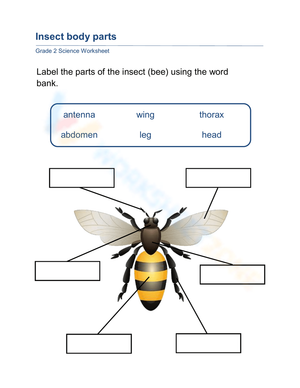
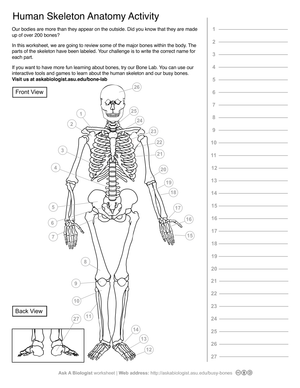
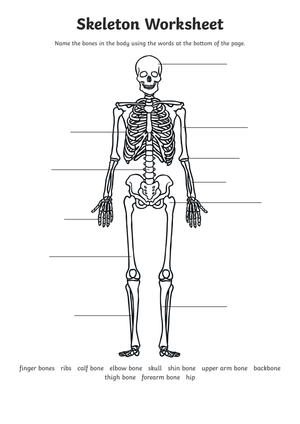
For students who need more support with reading, the labeling and sorting worksheets carry the lowest language demand — a student can complete a seed dispersal sort or a flower diagram with minimal text. Pair those worksheets with a small illustrated vocabulary card set so students have images alongside the written terms. On data recording sheets for the plant experiment, pre-filling the column headers and providing the unit of measurement (centimeters, number of leaves) reduces the cognitive load enough that students can focus on the science rather than figuring out how to set up the chart.
Students who move quickly through core tasks can extend any habitat comparison worksheet by adding a third environment, or by sketching a fictional organism on the back and explaining which traits help it survive in a chosen habitat. That extension turns a structured recording activity into open scientific reasoning without requiring a separate worksheet. For ELL students, the diagram-heavy worksheets — flower cross-sections, life cycle sequencing — are the natural entry points because the visual organization carries meaning that text-dense formats would obscure.
Frequently Asked Questions
Can students work through these independently at a science station?
Most of the sorting and sequencing worksheets function as independent station tasks once students have had whole-group instruction on the concept. The first time students encounter pollination, sending them to label a flower diagram on their own will produce confusion — introduce the vocabulary and the core idea as a class, then release students to the worksheet at a station the following day. The plant growth recording sheets work well as ongoing independent tasks from the start because students are capturing their own observations; those require almost no additional setup after the first session.
Do the worksheets include vocabulary support, or is that left to the teacher?
Several worksheets include a word bank directly on the sheet. Others omit it entirely so teachers can choose whether to project a shared word bank, hand out illustrated vocabulary cards, or ask students to work from memory — putting the level of support in the teacher's hands rather than fixing it. This matters when you're using the same set across a mixed-ability class and want different groups to work at different levels of independence without printing entirely separate materials.
How do these work when a class is observing a live butterfly enclosure?
The life cycle worksheets adapt well to live observation. Rather than cutting and gluing a pre-illustrated sequence, students use the 2nd grade biology worksheets recording format to sketch what they actually see in the enclosure each day, dating each entry. Over two to three weeks, that accumulating record becomes more meaningful than any printed diagram because students have documented a real biological event unfolding in their classroom. Even rough drawings with dated entries reflect genuine scientific observation — and that's the skill these worksheets are meant to develop.
Are there worksheets that work before an outdoor walk or field trip?
The habitat observation recording worksheets work as pre-trip organizers. Students fill in what they predict they'll find in a local habitat, then use the same worksheet during or after the walk to record what they actually observed. That predict-then-observe structure makes the gap between prior knowledge and new evidence visible — to the student and to the teacher — which is exactly the kind of scientific reasoning the NGSS practices ask students to practice at this grade level.












 Interactive Worksheet Maker
 Quiz Maker
 Word Search Maker
 Crossword Puzzle Maker
 Word Scramble Generator
 Sentence Scramble Generator
 Handwriting Worksheet Generator
 Name Tracing Generator
 Fill In The Blank Generator