Finding the right measurement worksheet depends entirely on where your students sit in the Measurement and Data progression. This is not a single skill you teach once. It is a five-year arc that starts with simple comparison and ends with volume and multi-unit conversion. Picking a worksheet that matches your students' exact grade-level expectation saves instructional time and prevents frustration.
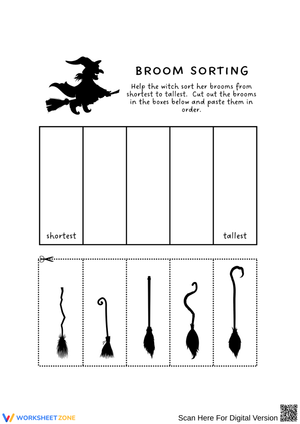
The Common Core Measurement and Data standards trace a clear path: Kindergarten students compare measurable attributes directly, Grade 1 students order and measure length in whole units, Grade 2 students measure using inches, feet, centimeters, and meters with multiple tools, Grade 4 students convert between units within a system, and Grade 5 students apply volume as a measurable attribute of solid figures. Worksheets that mirror this sequence give students practice that matches their developmental readiness.
Matching Worksheets to the K-5 Progression
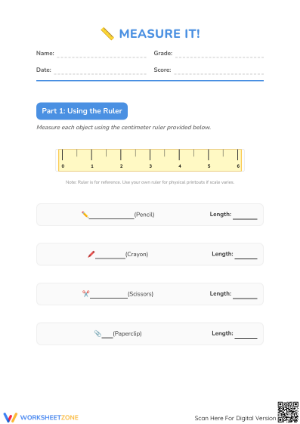
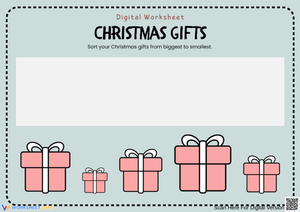
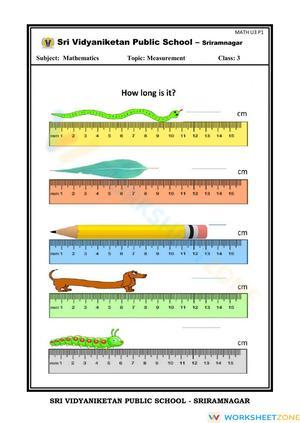
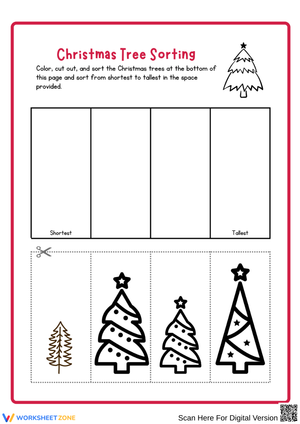
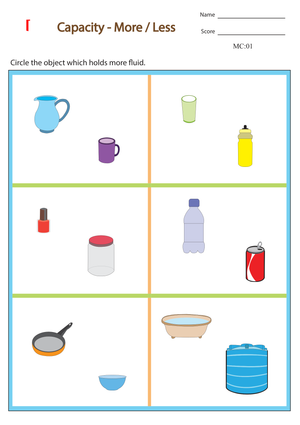
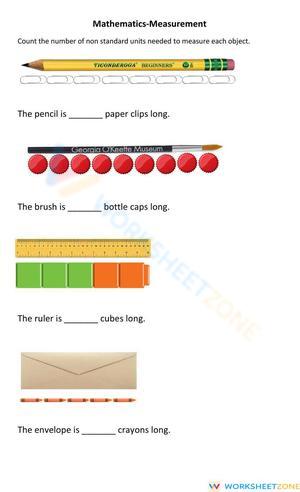
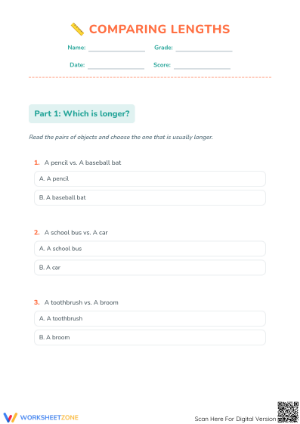
Start by identifying which stage of the progression your class is working through. Early learners need worksheets built around direct comparison, such as lining up two objects and circling the longer one. First graders are ready for worksheets that ask them to lay units end to end and count the total. Second graders need worksheets that require choosing an appropriate tool, such as a ruler for a pencil or a yardstick for a bookshelf, and recording the measurement in a labeled unit.
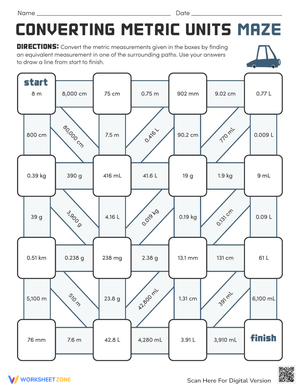
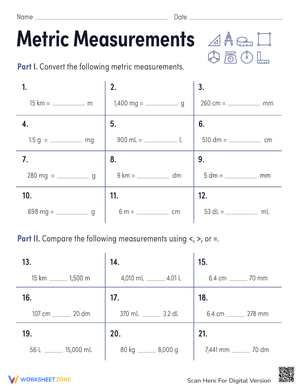
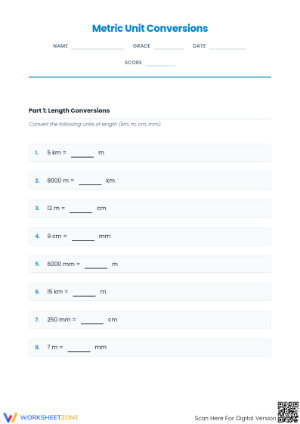
By Grade 4, worksheets should move into unit conversion within a single measurement system, and by Grade 5, volume worksheets become appropriate. Organizing worksheets by these five stages lets you pull the right practice sheet in seconds.
Building Unit-Size Reasoning With Grade 2 Worksheets
One of the trickiest ideas in early measurement is that the size of the unit affects the count, even when the object stays the same. Grade 2 standards specifically call for students to measure the same object using length units of different sizes so they can see that measuring with a shorter unit produces a larger number and measuring with a longer unit produces a smaller number. A strong worksheet for this standard gives students the same picture of an object and asks them to measure it first in centimeters and then in inches, then answer a reflection question about why the numbers differ.
This kind of worksheet works well as a partner activity where one student measures with an inch ruler while the other uses a centimeter ruler, then they compare answers. That discussion step often surfaces the reasoning more effectively than the measuring itself.
Customary and Metric Systems Side by Side
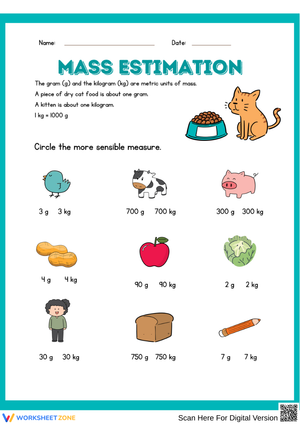
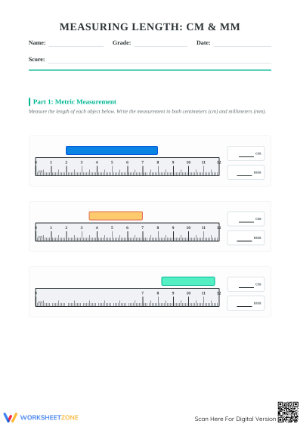
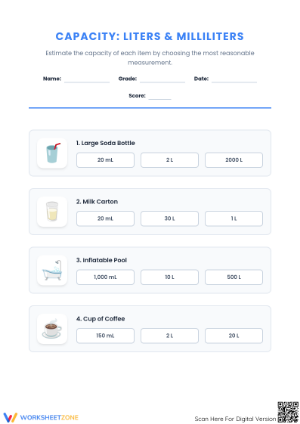
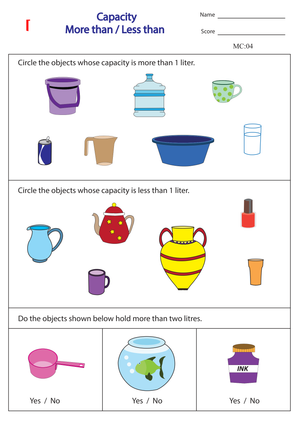
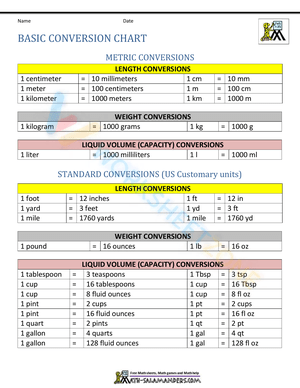
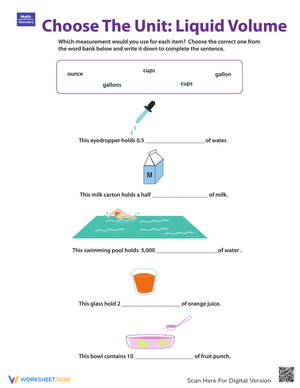
Starting around Grade 2, customary units such as inch, foot, yard, pound, and gallon are taught alongside metric units such as centimeter, meter, gram, kilogram, and liter. Pairing worksheets that measure the same object in both systems reinforces that measurement is a consistent process. A worksheet that shows a paperclip and asks for its length in both centimeters and inches, followed by a picture of containers for capacity estimation, builds dual fluency naturally.
For students who mix up when to use customary versus metric vocabulary, a matching worksheet that pairs unit names with everyday objects gives them a concrete anchor before moving into conversion work.
Classroom Implementation
Sequence your worksheets to move from concrete to abstract: direct comparison, single-unit measurement, dual-system comparison, then conversion tables or volume tasks depending on grade level. For intervention groups, keep a stock of worksheets from one grade level below the current standard so you can quickly re-teach a prerequisite skill. Pair a worksheet with a short physical measuring task before students complete paper practice. Students who have just measured a real object with a real ruler bring more accurate mental models to the worksheet questions than students who start cold with only numbers on a page. For small groups, use worksheets with fewer items but more explanation lines, since the goal in intervention is depth of reasoning rather than volume of practice.
Frequently Asked Questions
1. What grade level should introduce metric versus customary measurement worksheets?
Customary and metric units are typically introduced side by side starting around Grade 2. Keeping the two systems paired from the start helps students see measurement as one consistent process applied to different unit systems.
2. How do measurement worksheets align with Common Core Measurement and Data standards?
The Measurement and Data standards run from Kindergarten through Grade 5, moving from direct comparison, to whole-unit length measurement, tool-based measurement, unit conversion, and volume. Select worksheets to match the specific stage your class is working through in this progression.
3. What is the difference between length, weight, and capacity worksheets, and when should each be used?
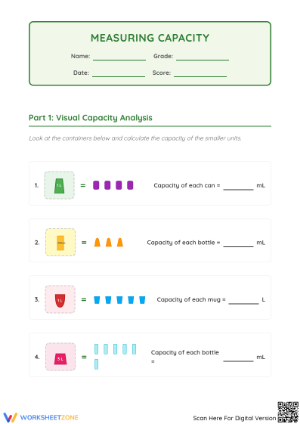
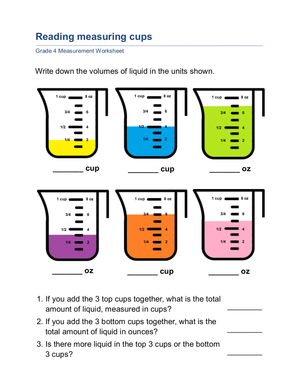
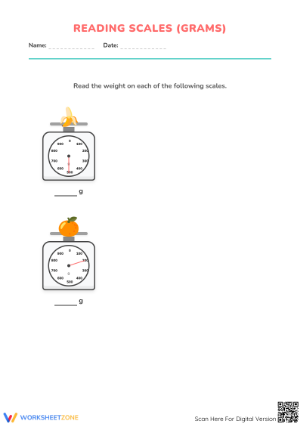
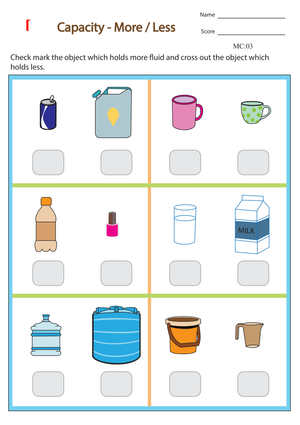
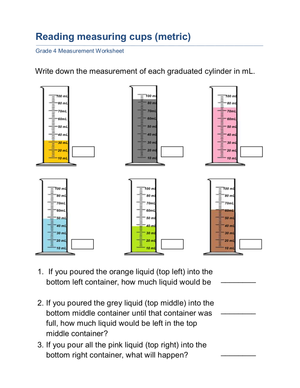
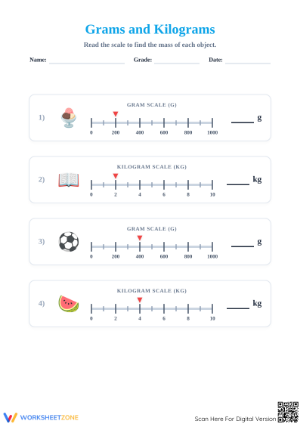
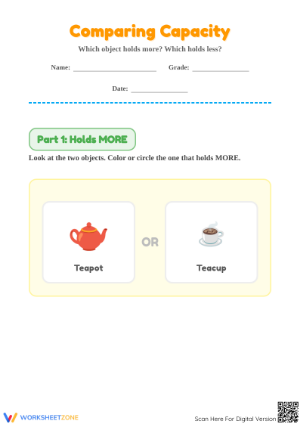
Length worksheets focus on linear measurement using rulers and yardsticks, weight worksheets focus on mass using scales and units like pounds or grams, and capacity worksheets focus on volume of liquid using units like cups or liters. Introduce them based on the objects and units named in your current grade-level standard.
4. How can teachers use measurement worksheets for intervention groups struggling with unit conversion?
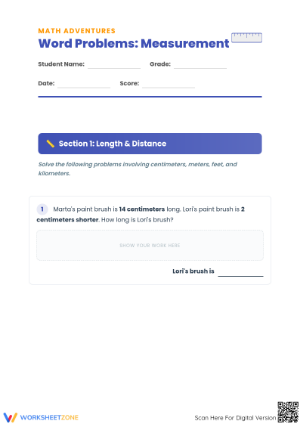
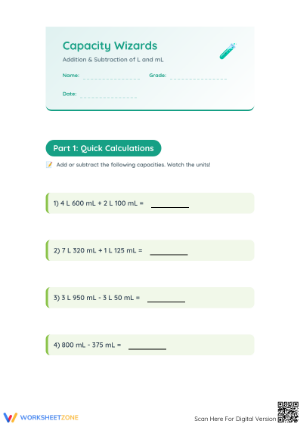
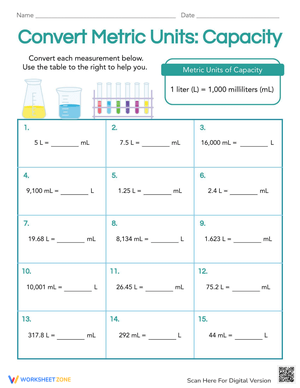
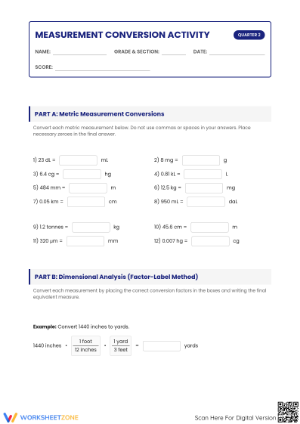
Start intervention groups with a plain conversion-table worksheet that isolates the numerical skill, then move to worksheets that embed the same conversion inside a short word problem. This staged approach prevents students from having to manage new reading demands and new math demands simultaneously.
5. Should measurement worksheets be used for formative assessment or only for practice?
Both. A short, focused measurement worksheet with just a few questions works well as a formative exit ticket to check tool selection and unit reasoning before moving to a new standard, while longer worksheets are better suited for extended guided or independent practice.












 Interactive Worksheet Maker
 Quiz Maker
 Word Search Maker
 Crossword Puzzle Maker
 Word Scramble Generator
 Sentence Scramble Generator
 Handwriting Worksheet Generator
 Name Tracing Generator
 Fill In The Blank Generator