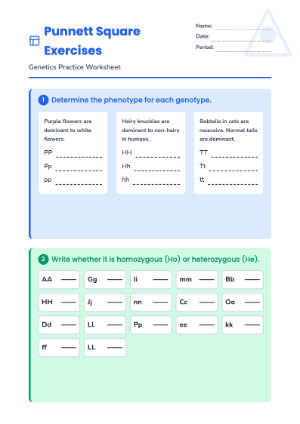
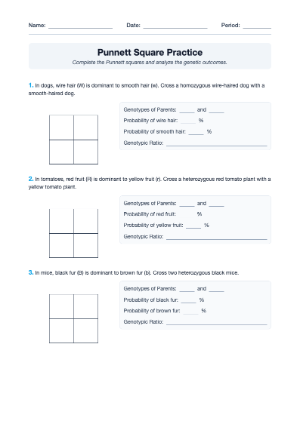
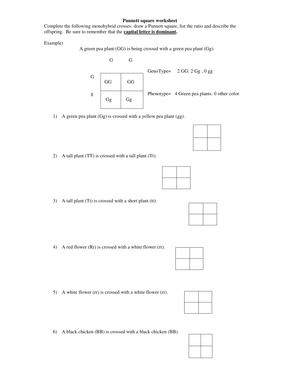
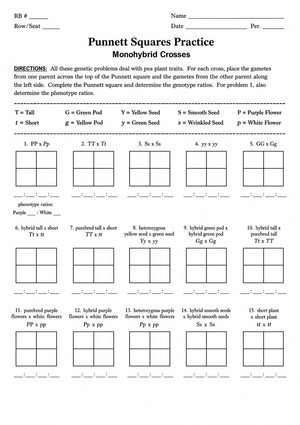
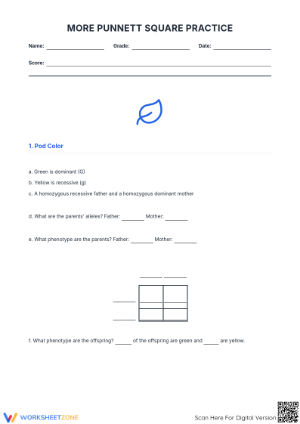
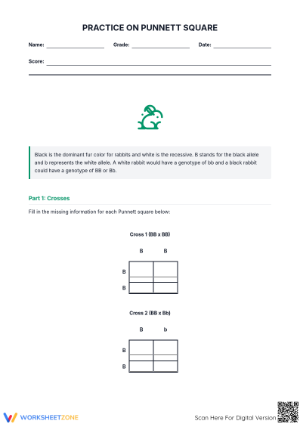
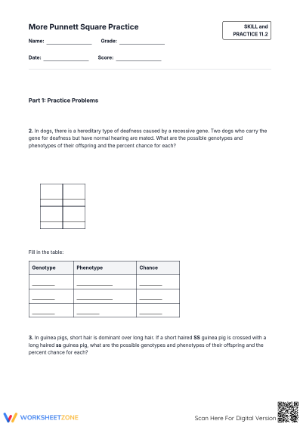
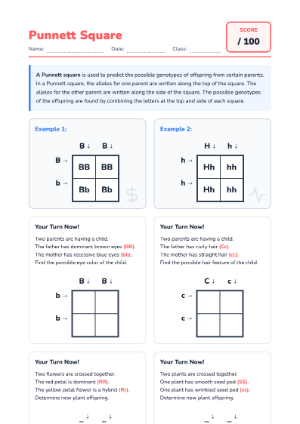
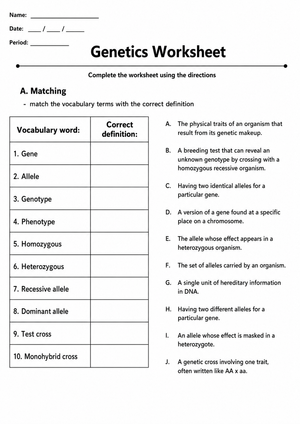
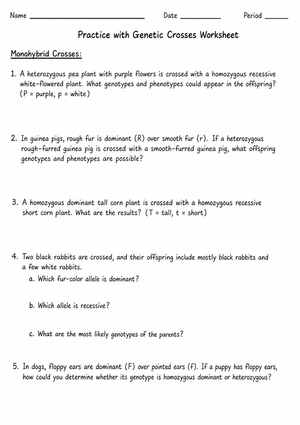
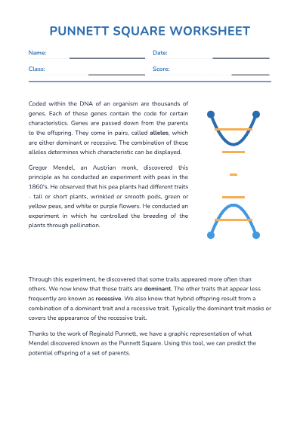
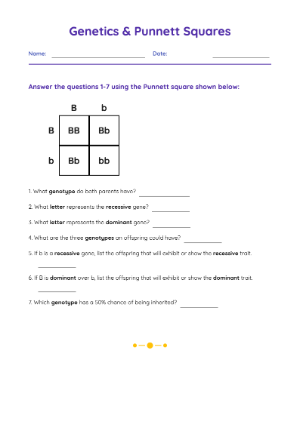
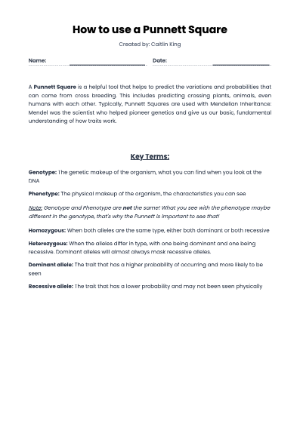
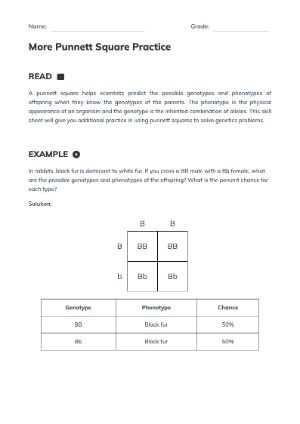
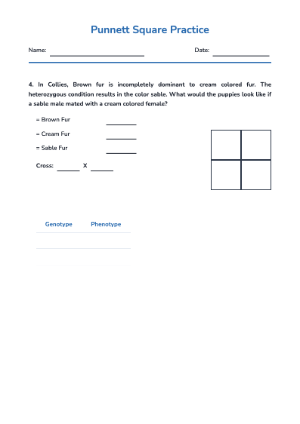
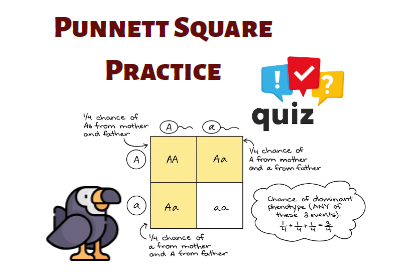
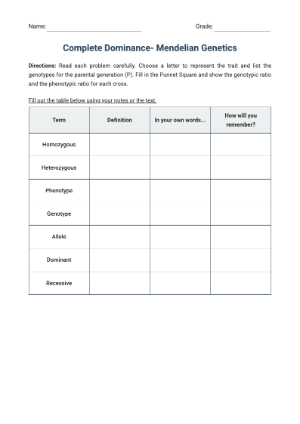
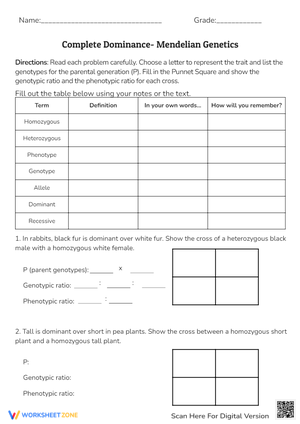
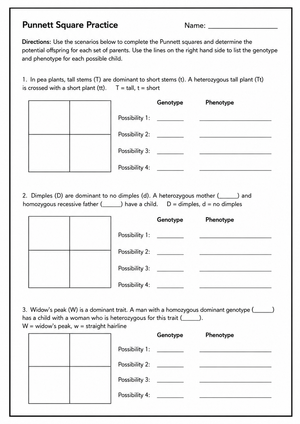
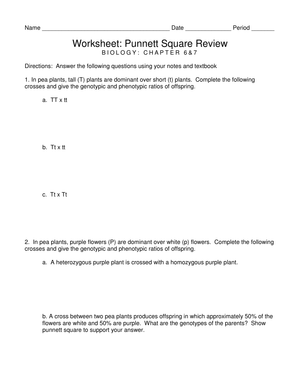
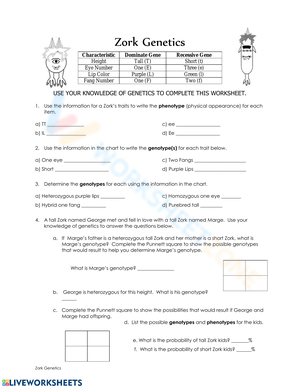
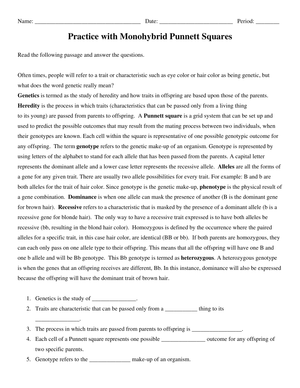
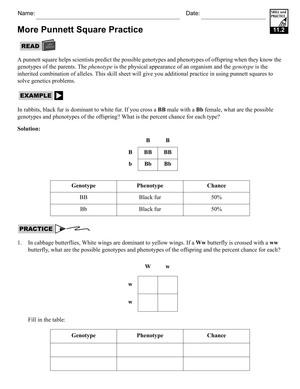
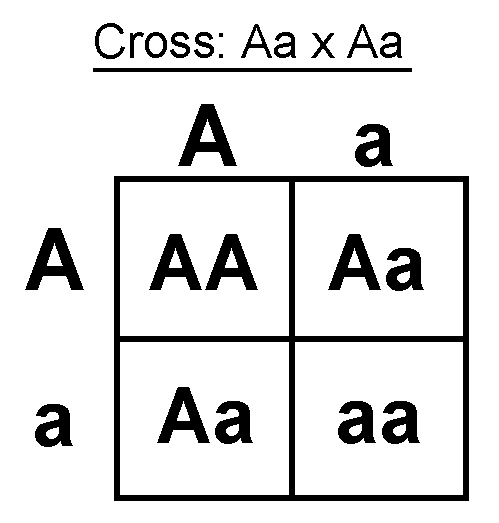
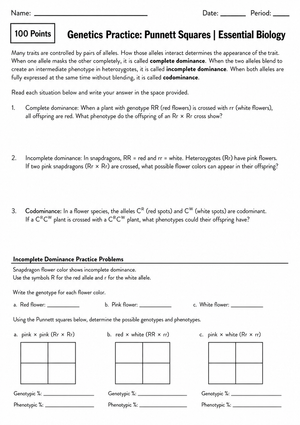
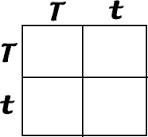
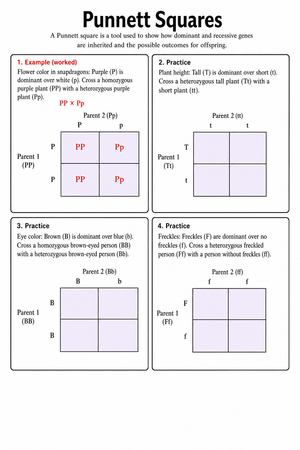
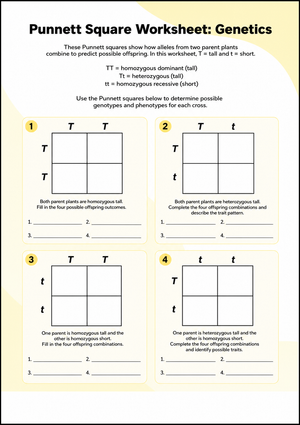
These punnett square practice printable worksheets for 9th grade give biology teachers a reliable way to move students from watching a demonstration on the board to actually working through inheritance problems on their own. Each worksheet covers a defined slice of genetics — allele notation, monohybrid crosses, genotype and phenotype ratios, or short written interpretation — so the work stays focused rather than sprawling across every concept at once.
What Students Work Through in Each Worksheet
Punnett square work is procedural, which means accuracy depends on executing several small steps in the right order. The worksheets break that sequence into visible parts so students know exactly where they are in the process:
- Allele notation: Students read parent genotypes written in standard notation and identify which allele is dominant and which is recessive before setting up anything.
- Gamete identification: Each worksheet asks students to list the gametes each parent can produce. This step gets skipped when students work from memory alone, and it's exactly where many errors begin.
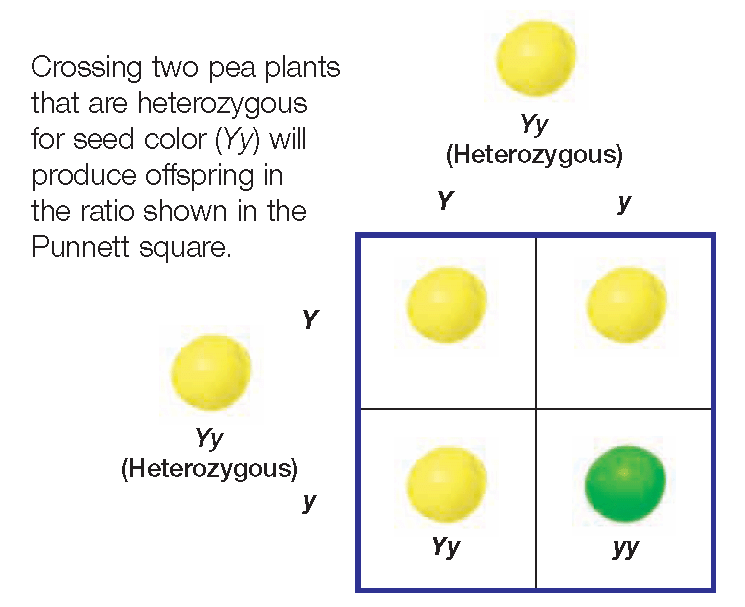
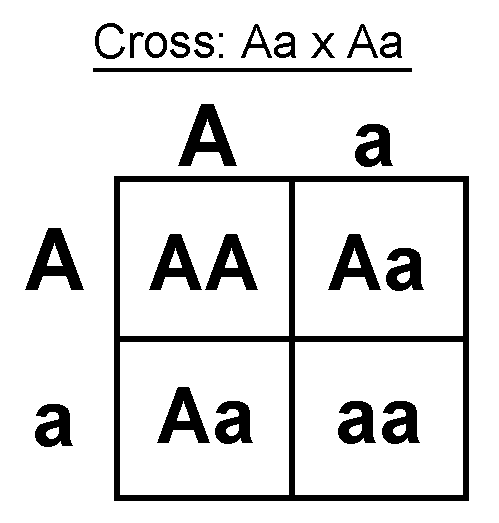
- Square completion: Students fill in all four combinations in a monohybrid cross and confirm that no box is blank or repeated.
- Genotype ratio: Students count outcomes and express the result — 1:2:1 or 3:1 depending on the cross.
- Phenotype ratio: Students apply dominance rules to translate those allele combinations into visible traits and report a separate ratio.
- Short written explanation: At least one item per worksheet asks students to describe what the square predicts in plain language, which reveals whether they understand the result or just produced it.
Some worksheets in the set extend into incomplete dominance, codominance, or sex-linked traits for classes that move through monohybrid crosses quickly. Those worksheets use the same format — gamete setup, square completion, ratio interpretation — so students don't have to learn a new structure when they encounter harder content.
Frequent Student Errors Worth Watching For and Addressing
The most common error isn't careless — it's conceptual. Students who correctly produce a genotype ratio of 1:2:1 (AA : Aa : aa) often report a phenotype ratio of 1:2:1 as well, because they list each genotype separately instead of grouping AA and Aa under the same dominant phenotype. The worksheets address this by separating the genotype and phenotype questions and asking students to show their grouping step, not just the final ratio.
A second pattern shows up in parent setup. If a student writes "Tt x Tt" across the top but places T in both rows of the left column, every box in that column gets TT — and the 3:1 ratio disappears. Students often don't notice because the square looks filled in and organized. Adding a gamete-listing row above and to the left of the grid catches this before it calculates through as a completed error.
A third issue surfaces in word problems. Students who handle a cross confidently when the genotypes are handed to them will often stall when a sentence says "a heterozygous tall plant crossed with a short plant." Translating that description into Tt x tt is a distinct skill from completing the square, and the worksheets treat it that way — building through notation-first items before introducing sentence-based prompts.
Building These Worksheets Into Your Weekly Lesson Planning
The most productive use of this set is a short progression across several days rather than one long session. On the first day of instruction, use one worksheet as structured follow-up after direct instruction — students have just watched a modeled monohybrid cross, and the worksheet gives them four to six problems to try while the procedure is still fresh. The gamete-listing prompt on each item acts as a built-in check: if a student's gamete row doesn't match what you modeled, you catch the error before it calculates through the entire square.
Bell ringers work well here. A single cross with three follow-up questions — identify the genotypes, find the genotype ratio, find the phenotype ratio — takes eight to ten minutes at the start of class and gives you a quick read on where students are before the day's lesson begins. Stations also fit this content cleanly: one table for vocabulary review, one for monohybrid square completion, and one for ratio interpretation with a completed square already filled in. That last station is particularly useful for students who can execute the procedure but haven't yet built the habit of reading what the square says.
For substitute days, these worksheets hold up. The task structure is clear enough that students can work independently without additional explanation, especially after at least one modeled lesson. Including one worked example at the top of the worksheet covers most of the questions a student would otherwise bring to the front of the room.
Standard Alignment
These worksheets align primarily with NGSS HS-LS3-3, which asks students to apply concepts of statistics and probability to explain the variation and distribution of expressed traits in a population. Punnett square crosses are the direct procedural expression of that standard — students use probability ratios to predict trait outcomes from known parent genotypes. The phenotype ratio questions connect the statistical result to a biological claim about what offspring will actually look like, which is exactly what HS-LS3-3 targets.
The short written explanation items also support the science and engineering practice of constructing explanations, so each worksheet functions as a tool for both procedural skill and scientific reasoning, not just computation.
Adjusting These Worksheets Across Readiness Levels
For students still building confidence with allele notation, the most useful adjustment is slowing the gamete step. Instead of asking students to list gametes independently, provide the gametes along the outer edges of the grid and ask students to fill in the four interior boxes. This removes one layer of decision-making so students can focus on the combination logic, then attempt the full procedure once that step is secure.
For students who finish monohybrid work quickly, extension items on incomplete dominance or codominance use the same square format but require a different interpretation step — there's no single dominant phenotype to apply, so the phenotype ratio question changes entirely. Sex-linked trait worksheets add the X and Y notation, which often surprises students who assumed the process would be identical to autosomal crosses. Letting those students work through unfamiliar notation while the rest of the class consolidates monohybrid skills keeps the class moving without requiring entirely separate lesson plans.
Punnett square practice printable worksheets for 9th grade also lend themselves to partner work as a differentiation strategy. Pairing a student who can set up the square with one who can interpret the ratio — but not always the other way around — turns the worksheet into a genuine collaboration rather than one student doing the work for two.
Frequently Asked Questions
Do these worksheets cover only monohybrid crosses, or do they go further?
The core worksheets focus on monohybrid crosses with dominant and recessive traits, which is where most 9th grade genetics instruction begins. Extension worksheets in the set cover incomplete dominance, codominance, and sex-linked traits using the same format. Teachers can introduce those worksheets when the class is ready without having to introduce a new structure at the same time.
How do these worksheets fit alongside a textbook-based genetics unit?
These worksheets work with any standard 9th grade biology text. They don't replace reading or notes — they give students a place to apply what the text explains. Most teachers use them as follow-up practice after direct instruction, as homework that mirrors classwork, or as review before a quiz. The answer keys make it straightforward to shift between guided and independent practice within the same week.
What is the best way to use the answer key with students?
The most effective approach is delayed answer access — students complete the worksheet first, then compare against the key rather than checking after each item. For partner review, one student reads their answer aloud while the other checks the key, which keeps both engaged with the reasoning rather than just the result. Punnett square practice printable worksheets for 9th grade with clear answer keys also make reteaching faster: when you see where a ratio goes wrong, you can point to the exact step instead of reworking the entire problem from the beginning.
Can these worksheets serve as quiz review or a formative check before a test?
Yes. Because each worksheet targets a defined skill — setup, completion, or interpretation — teachers can select items that match what the upcoming assessment covers. A four-item half-worksheet with one allele notation question, one monohybrid cross, one genotype ratio, and one phenotype ratio covers the essential skills in about fifteen minutes. That format works well the day before a test, where punnett square practice printable worksheets for 9th grade give students one more structured pass through the procedure without the pressure of a graded assessment.