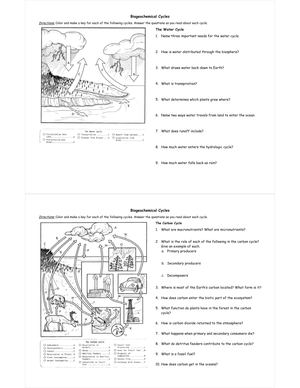
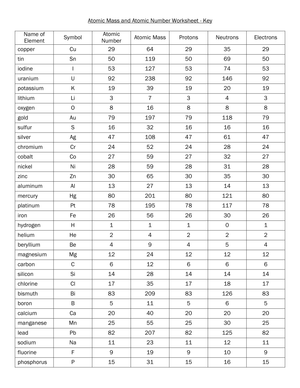
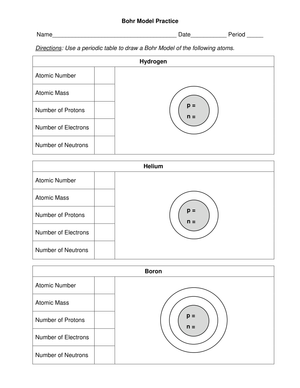
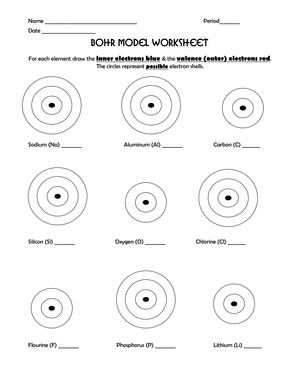
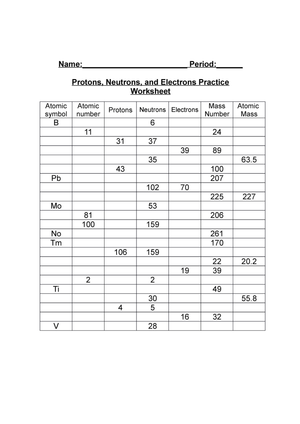
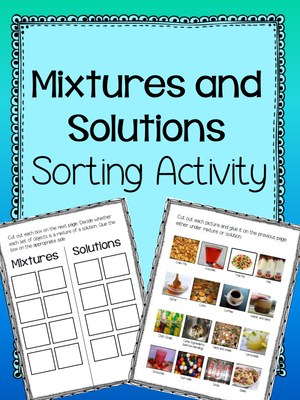
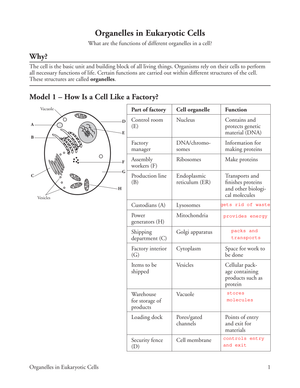
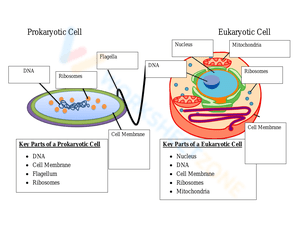
These 7th grade chemistry worksheets cover the physical science concepts that anchor most seventh-grade matter units — atoms, particle models, elements, compounds, mixtures, solutions, physical changes, and chemical changes. Each worksheet targets a single skill or a closely related cluster of ideas, so teachers can pull the right resource for the current unit without sorting through unrelated content. Answer keys come with each worksheet, which matters when you need to run stations, hand materials to a substitute, or use the pages for small-group reteaching.
What's Inside the Set
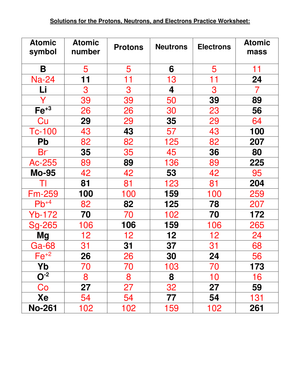
The worksheets follow the progression most middle school physical science courses use. Early in a chemistry unit, students work with the particle model: what atoms are, how particle arrangement shifts across states of matter, and how to read a particle diagram. From there, practice moves into classification — distinguishing an element from a compound, a pure substance from a mixture, and a solution from a heterogeneous mixture. Students sort examples, label diagrams, and match vocabulary terms before being asked to write any explanation.
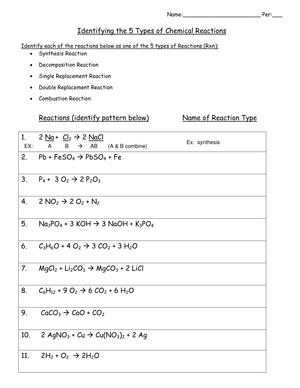
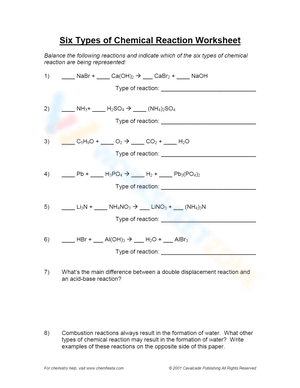
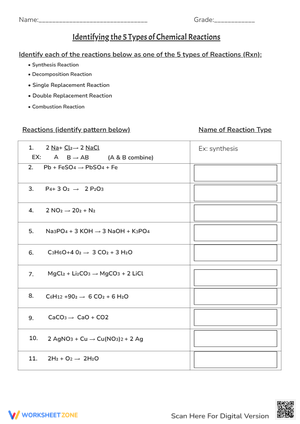
The second half of the set addresses changes in matter. Students classify examples as physical or chemical, identify evidence that a new substance formed, and read word equations to locate reactants and products. The later worksheets push students into edge cases — explaining why dissolving salt is still a physical change even though the salt seems to disappear, or why a color change alone does not confirm a chemical reaction. These are the questions that show whether a student has the concept or just a surface pattern to match.
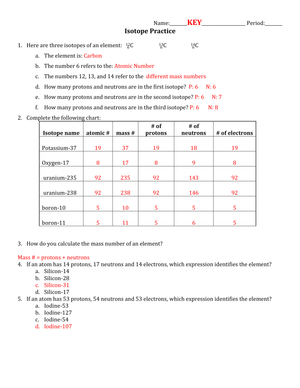
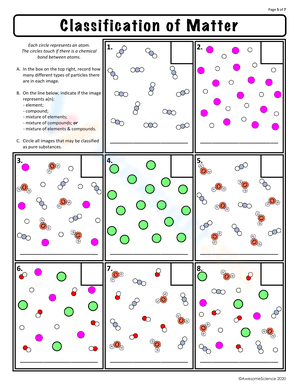
- Particle diagram labeling: Students draw, label, and compare models of solids, liquids, gases, elements, compounds, and mixtures at the particle level
- Sorting and classification tables: Students place given examples into categories by substance type or change type
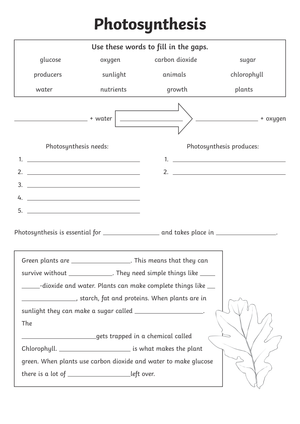
- Vocabulary matching and fill-in: Terms include atom, element, compound, mixture, solution, solute, solvent, reactant, and product
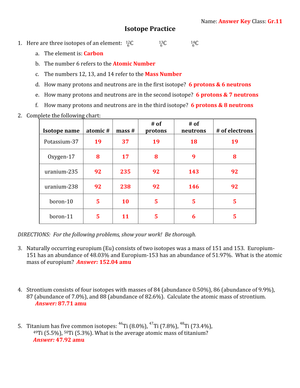
- Short written responses: Students explain their reasoning using academic vocabulary rather than selecting from a list
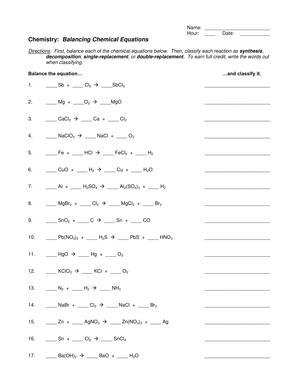
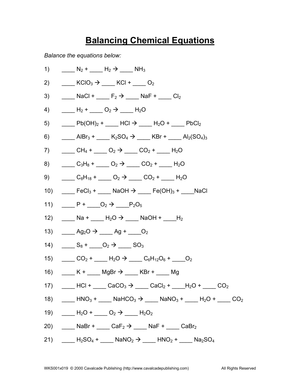
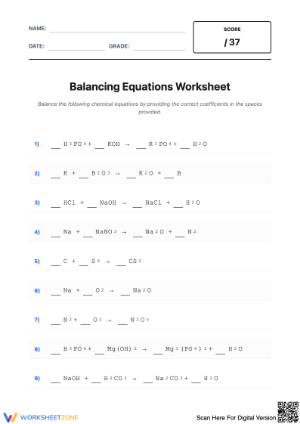
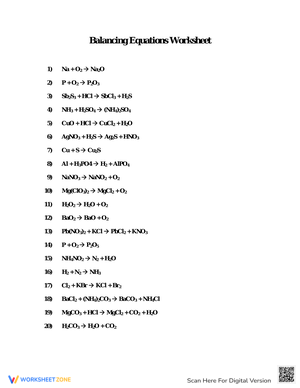
- Introductory word equations: Students identify reactants and products — no balancing required at this level
Common Misconceptions to Watch For and Correct
The compound-versus-mixture boundary is where seventh-grade thinking breaks down most predictably. When students examine particle diagrams, they tend to focus on whether particles are touching or close together rather than whether two different atom types are bonded. A diagram showing two unlike particles sitting near each other gets labeled a compound — even when those particles are clearly separate and unconnected. These worksheets make that error visible because students have to mark the diagrams directly, and you can see exactly which model tripped them up before the test.
Physical versus chemical changes produces a different pattern. Students who correctly classify burning as chemical will often classify rusting as physical because "the color just changed." They have absorbed a rule about dramatic evidence — flames, bubbles, sudden light — and miss the slower signals of a new substance forming. Each worksheet in this part of the set uses examples chosen to probe that boundary: rusting iron, souring milk, and bread rising appear alongside tearing paper and melting ice, so the classification task requires applying criteria rather than matching surface drama.
Lesson-Planning Ideas to Get the Most From These Worksheets
Most teachers who use 7th grade chemistry worksheets keep the set sorted by subtopic in a shared drive or a labeled folder. That organization pays off during reteaching weeks and review days when you need the mixtures worksheet quickly — not the one that is close enough.
The warm-up slot is where these pages do consistent, low-friction work. Five classification questions at the start of class take eight to ten minutes, review the prior day's concepts, and tell you before the lesson begins whether students retained what you taught yesterday. Project the questions, collect answers on a whiteboard or sticky note, and you have a formative read before direct instruction even starts.
Station rotations fit this topic well because the task types are genuinely different from each other. A diagram-labeling station, a sorting station, and a short written-response station each ask for a different kind of thinking, so students rotate without the work feeling like repetition. Pulling from three separate worksheets for three stations takes about five minutes of setup once the set is organized by topic.
The sequence that reduces the most mid-worksheet stalling is examine, classify, explain: students look at a model first, sort or classify second, and write an explanation only after they have had contact with the concept through a visual. Running questions in that order — diagram and sorting items before written-response items — cuts down on students who freeze in front of a blank line because they are trying to hold an abstract concept and produce academic language simultaneously.
How to Use the Set With a Range of Learners
Students who need more support do better when the vocabulary list stays visible during concept practice. Allow them to keep the vocabulary worksheet open alongside whichever classification or diagram worksheet they are completing. This removes the retrieval burden without simplifying the task — they still classify and label; they just have the terms available. For students building English proficiency, the diagram-labeling and sorting formats are especially accessible because they allow students to demonstrate understanding without requiring extended written output, which makes those worksheets useful for formative assessment during early stages of language development.
For students who move quickly through the material, the written-response questions are where genuine extension lives. Ask them to write a second explanation — one that names a common wrong answer and explains why it is incorrect. Producing a counter-argument requires deeper engagement than selecting the right classification, and it costs nothing in additional prep. The worksheet already contains the examples; the extension comes from how deeply students are asked to reason through them.
Standard Alignment
These worksheets address MS-PS1-1 and MS-PS1-2 from the NGSS middle school physical sciences band. MS-PS1-1 — developing models to describe the atomic composition of simple molecules and extended structures — maps directly to the particle diagram and classification work in the early-unit worksheets. MS-PS1-2 — analyzing and interpreting data on substance properties before and after interactions to determine whether a chemical reaction occurred — covers the physical versus chemical change and evidence-for-reaction work in the later worksheets. In practical terms, teachers working through a standard physical science sequence reach MS-PS1-1 content in the first weeks of a matter unit and MS-PS1-2 content as the unit moves into change and reaction. Both standards sit within the MS-PS1 disciplinary core idea and establish the conceptual base students will need for high school chemistry.
Frequently Asked Questions
Do these worksheets work for reteaching after an assessment, or only during initial instruction?
Both. The classification and diagram tasks are particularly effective for reteaching because they locate the specific point where a student's understanding breaks down. A student who misclassifies a compound on the particle diagram worksheet has a different instructional need than one who gets diagrams right but misapplies the evidence criteria for chemical changes. That precision is harder to extract from a test score alone, and it makes targeted reteaching faster.
How do these fit into a course built around a textbook or interactive notebook?
They pair with, rather than replace, those structures. Most teachers assign each worksheet after the corresponding textbook section or notebook entry, using it as a short check before moving on. The task formats — classification, labeling, short response — mirror what students see on unit tests, so the practice transfers directly to summative assessment without requiring a separate review step.
Can these worksheets substitute for lab activities in a chemistry unit?
No — and it is worth being direct about that. A 7th grade chemistry worksheets set handles vocabulary reinforcement, concept review, and formative checks efficiently, but written practice cannot replace watching a reaction occur, measuring a substance, or observing a demonstration. The strongest units pair labs or demonstrations with these pages: the hands-on experience builds the observation; the worksheets consolidate and check the concept.
Where do these fit in a full-year physical science sequence?
Chemistry concepts in seventh grade typically land in the first trimester or semester, before forces and motion units begin. When teachers keep their 7th grade chemistry worksheets organized by topic — atoms, classification of matter, physical versus chemical changes, introductory reactions — the set becomes easy to pull for review, intervention, or last-minute planning at any point in the year without having to rebuild anything from scratch.












 Interactive Worksheet Maker
 Quiz Maker
 Word Search Maker
 Crossword Puzzle Maker
 Word Scramble Generator
 Sentence Scramble Generator
 Handwriting Worksheet Generator
 Name Tracing Generator
 Fill In The Blank Generator