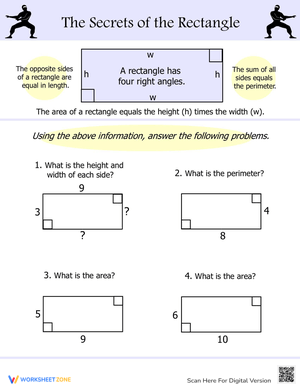
4th Grade Area Worksheets Matter for CCSS 4.MD.A.3
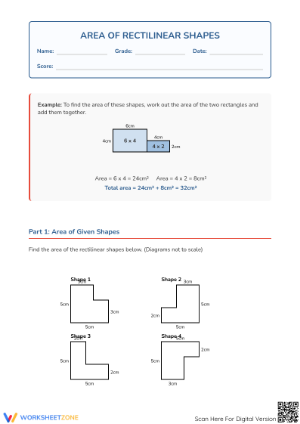
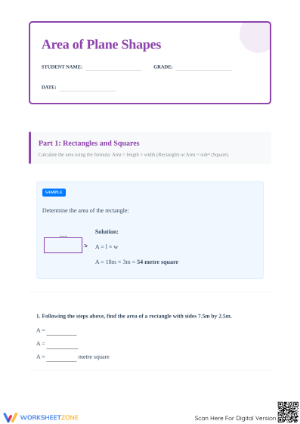
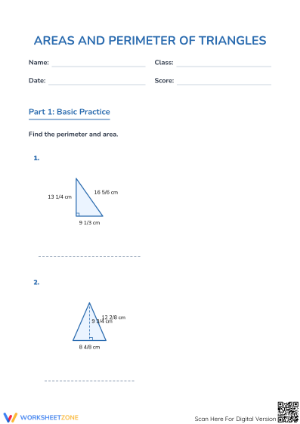
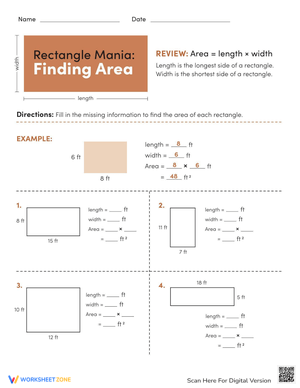
When you search for 4th grade area worksheets, you are usually trying to solve a specific classroom problem: students can multiply, but they have not yet connected multiplication to the physical space inside a rectangle. CCSS.MATH.CONTENT.4.MD.A.3 asks grade 4 students to apply area and perimeter formulas for rectangles in real world and mathematical problems, and it explicitly frames area as a multiplication equation rather than a separate skill to memorize. That framing matters for planning. A worksheet set built around this standard should never isolate area from multiplication practice; instead, it should treat every area problem as an application of number sense your students already have.
Because area sits inside the Measurement and Data domain alongside perimeter and unit conversion, a strong worksheet sequence usually introduces area first, keeps perimeter separate until students are confident, and only blends the two once each formula is automatic. Planning worksheets with that separation in mind reduces the mixing errors that show up on state assessments, where students often multiply when a problem calls for perimeter or add when it calls for area.
Real-World Area Word Problems for Grade 4 Classrooms
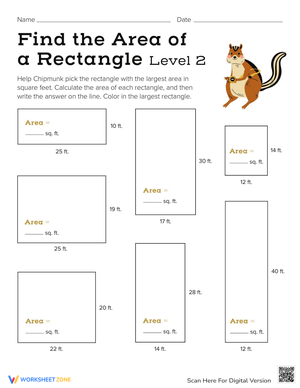
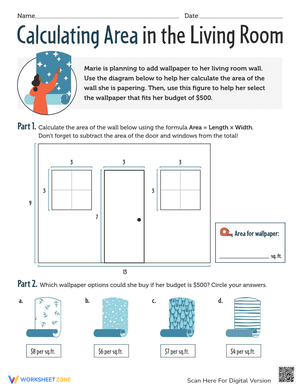
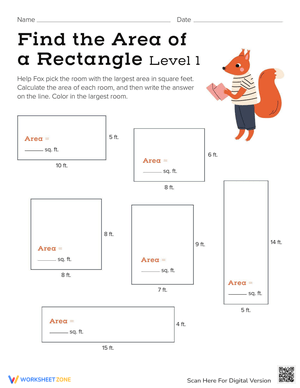
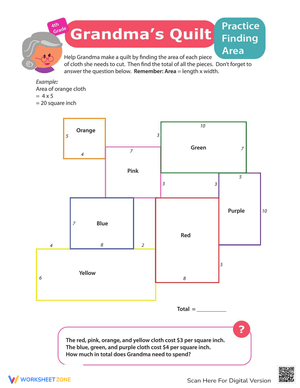
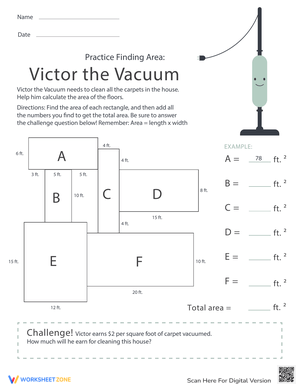
The standard specifically calls for real world and mathematical problems, so a worksheet set that only offers bare length-times-width equations is incomplete for this grade level. Word problems about room dimensions, garden beds, bulletin boards, or classroom flooring give students a reason to choose the area formula instead of defaulting to whatever operation appears most recently in their notes. These contexts also let you check whether students can pull the two relevant numbers out of a longer sentence, which is a separate skill from computing area once the numbers are identified.
When you build or select word-problem worksheets, look for problems that include an irrelevant number, such as a price or a third measurement that is not needed. Grade 4 students often assume every number in a word problem must be used, and a worksheet that never challenges that assumption will not prepare them for the reading demands of standardized area questions.
Teacher Tips
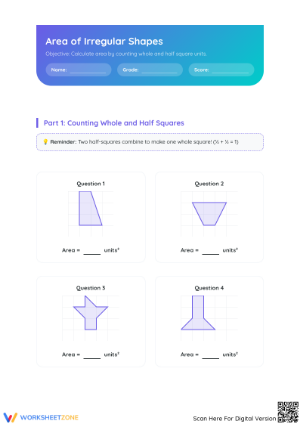
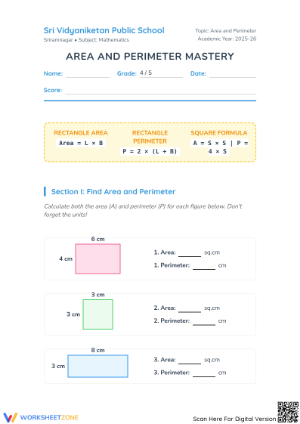
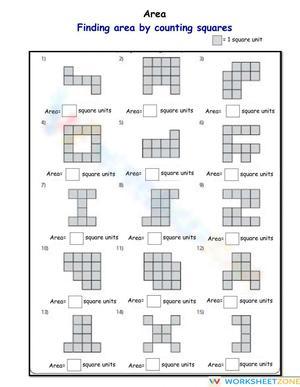
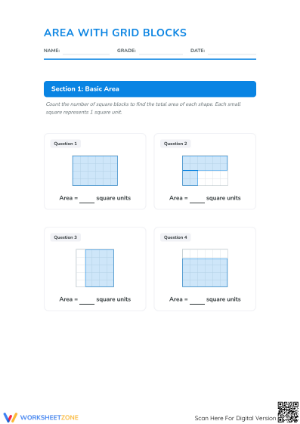
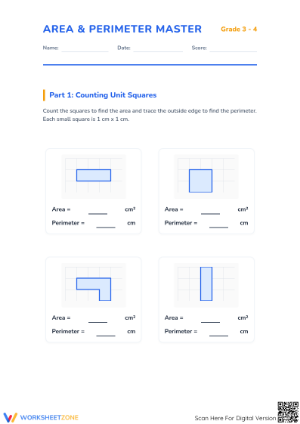
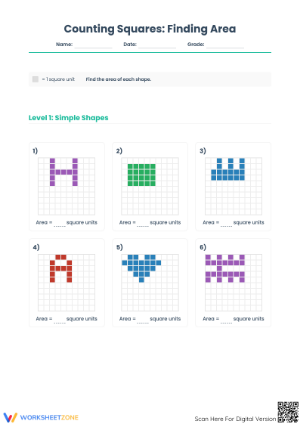
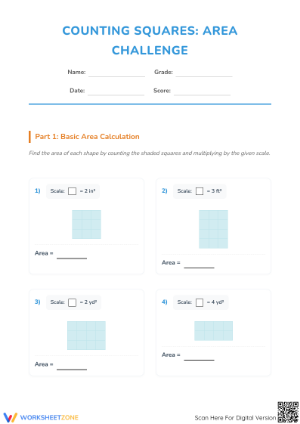
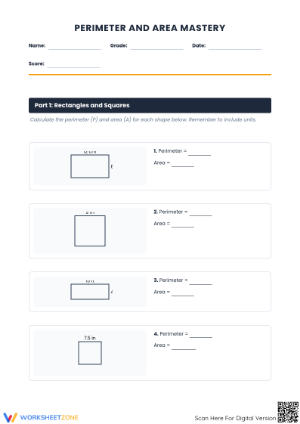
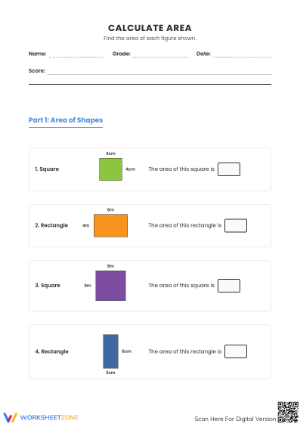
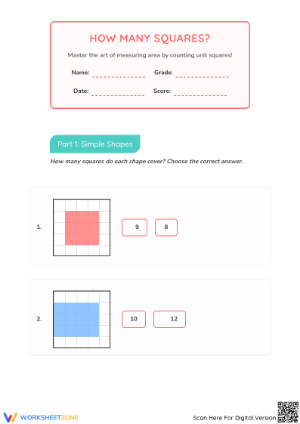
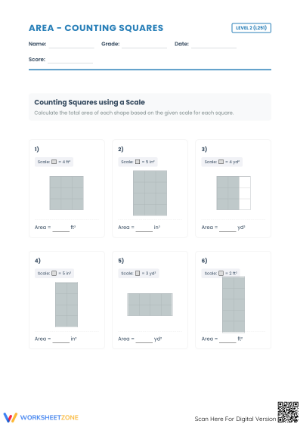
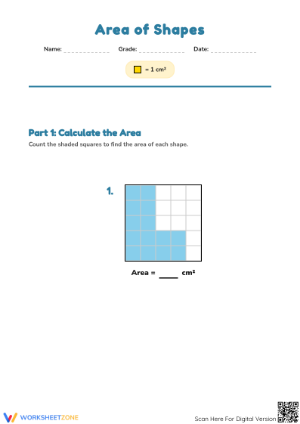
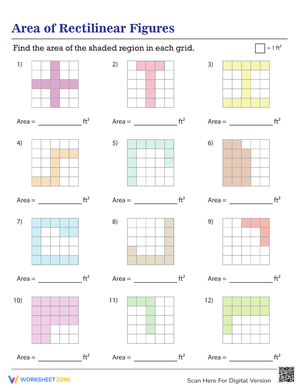
- Sequence worksheets from tiled grids to labeled dimensions to bare numbers so you can pinpoint where understanding breaks down.
- Include at least one word problem per worksheet with an unused number to build number-sense discipline, not just computation speed.
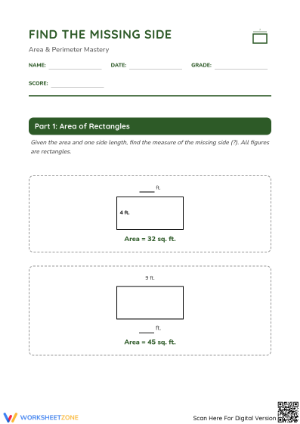
- Track missing-side item accuracy separately from direct-computation accuracy when scoring, since they reveal different gaps.
- Use small, single-digit dimensions for early intervention groups, then increase digit size once the model is solid.
- Confirm square-unit labeling on every answer; a numerically correct answer without the unit is still an incomplete response for this standard.
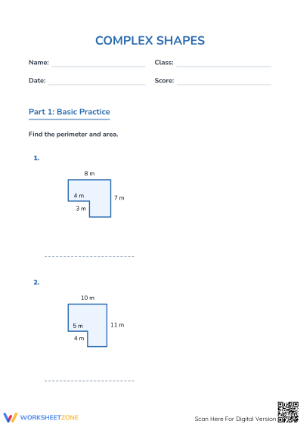
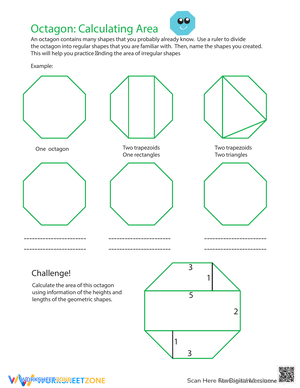
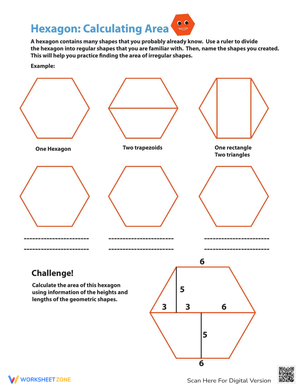
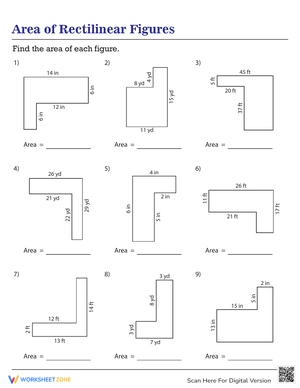
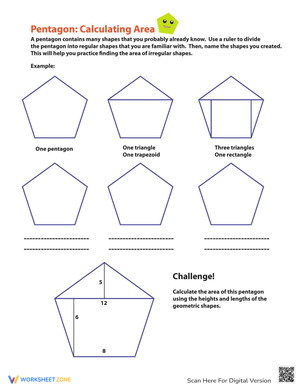
- Save composite-figure worksheets until basic rectangle area and missing-side problems are both consistently accurate.
Frequently Asked Questions
1. What grade-level standard do 4th grade area worksheets align to?
Grade 4 area worksheets typically align to CCSS.MATH.CONTENT.4.MD.A.3, which requires students to apply area and perimeter formulas for rectangles in real world and mathematical problems and to treat the area formula as a multiplication equation.
2. How are area worksheets different from perimeter worksheets at this grade level?
Area worksheets ask students to multiply length by width to find the space inside a rectangle, while perimeter worksheets ask students to add all four side lengths. Because both skills fall under the same measurement standard, students often confuse the two operations, so many teachers keep area and perimeter practice separate until each formula is automatic.
3. How can teachers use area worksheets for intervention groups versus whole-class instruction?
For whole-class instruction, area worksheets usually move through the full sequence from tiling to the formula to word problems in one lesson arc. For intervention groups, it works better to isolate the specific step a student is missing, such as connecting rows and columns to multiplication, and stay there with smaller numbers until that step is secure before adding word problems or larger digits.
4. What prior skills should students have before starting grade 4 area worksheets?
Students should be comfortable with single-digit multiplication facts and have some familiarity with arrays or equal groups, since area worksheets ask them to apply that same multiplication reasoning to a spatial context. Students who are still counting on fingers for basic facts will need that fluency addressed alongside, not instead of, area instruction.













 Interactive Worksheet Maker
 Quiz Maker
 Word Search Maker
 Crossword Puzzle Maker
 Word Scramble Generator
 Sentence Scramble Generator
 Handwriting Worksheet Generator
 Name Tracing Generator
 Fill In The Blank Generator