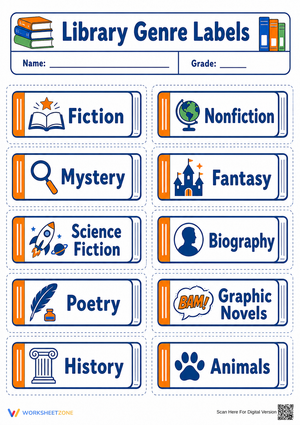
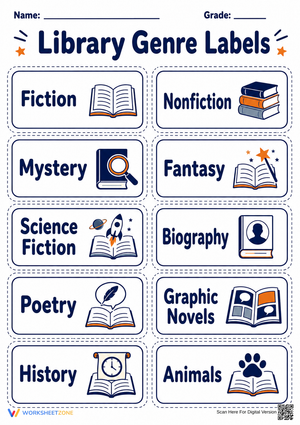
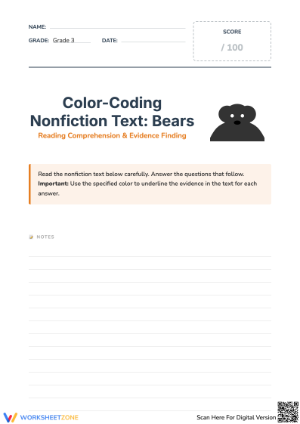
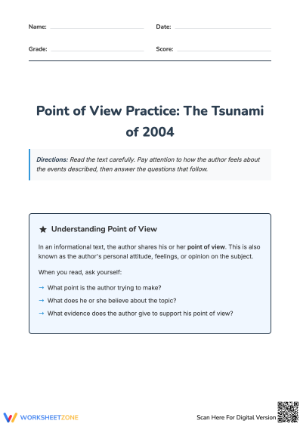
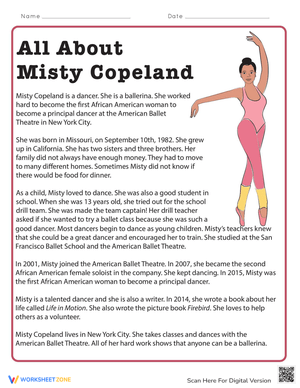
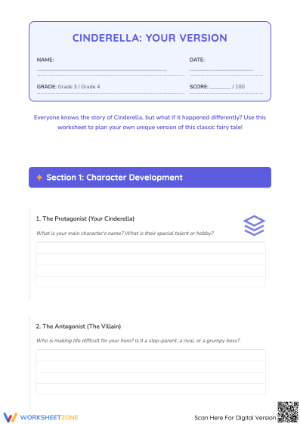
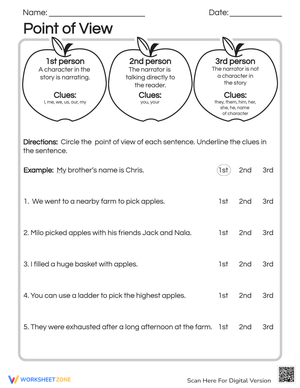
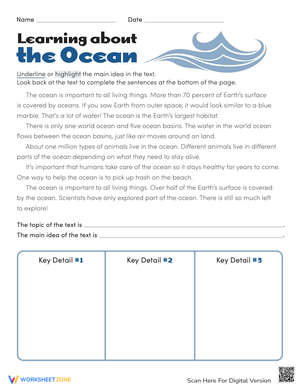
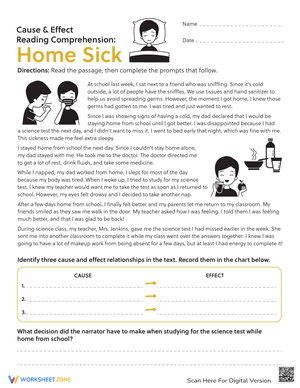
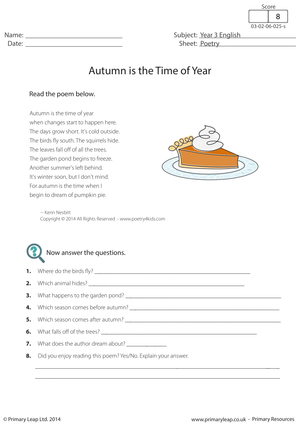
These 3rd grade reading genres and types pdf worksheets give teachers focused practice for the year when students are expected to move past "this is a story" and start naming what kind — and explaining why that label fits. Each worksheet targets the identifying features of one or two genre types, with the full set spanning realistic fiction, fantasy, mystery, historical fiction, biography, informational text, traditional literature, poetry, and drama.
What Students Practice Across the Set
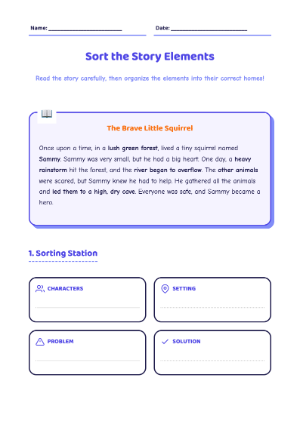
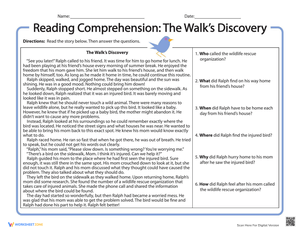
The fiction worksheets ask students to identify genre based on text evidence rather than instinct. Realistic fiction tasks require students to mark specific details that anchor the story in the everyday world — ordinary settings, characters with recognizable problems, no impossible events. Fantasy worksheets flip that task: students identify what breaks from reality, which requires holding the rules of the real world in mind as a baseline. That comparison work is where the real genre awareness develops.
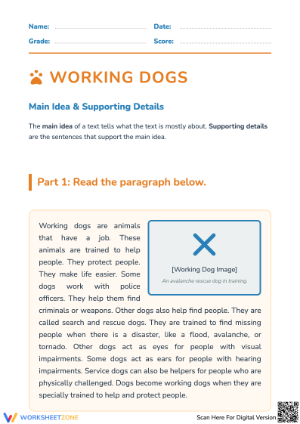
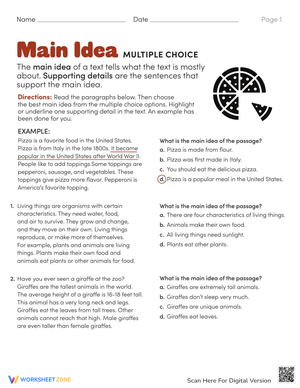
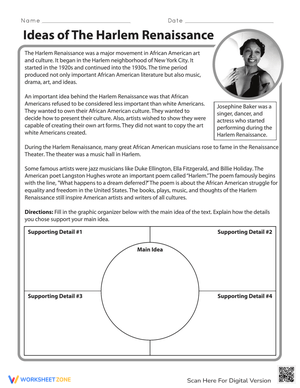
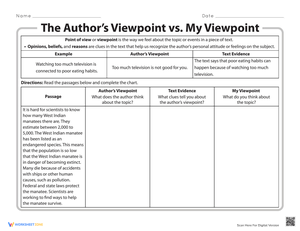
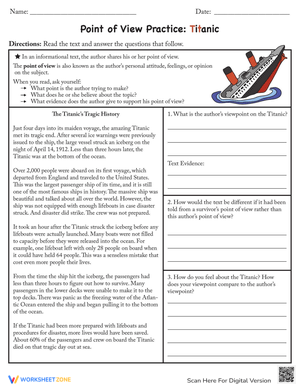
Informational text worksheets shift the focus to structure. Students locate and label text features — headings, captions, bold vocabulary, sidebars — and explain the purpose of each one rather than just circling it. Biography gets its own worksheet because the genre sits at a useful crossroads: it reads like a narrative but makes factual claims about a real person. Students sort events chronologically and distinguish documented facts from the author's interpretive framing.
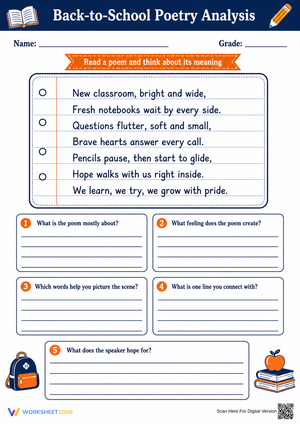
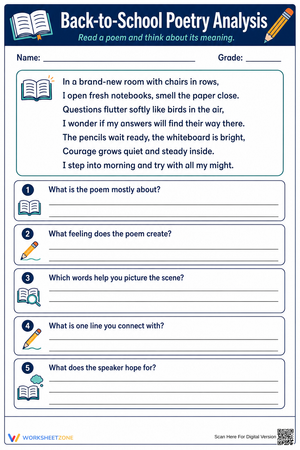
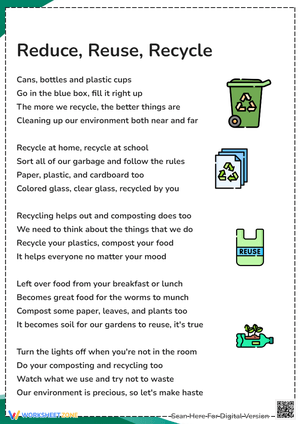
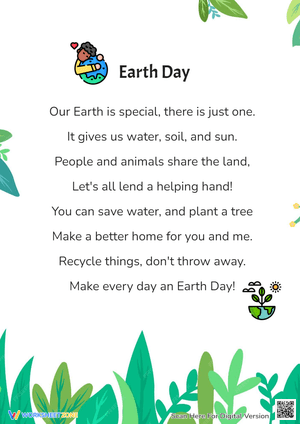
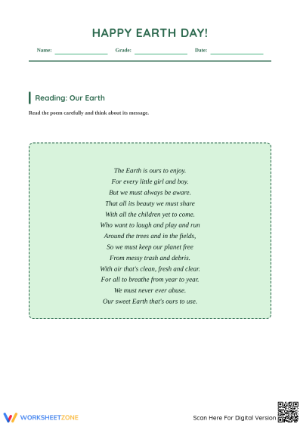
For traditional literature, students distinguish fables, folktales, and myths using structural patterns: the two-character moral setup of a fable, the cultural specificity of a folktale, the supernatural explanation of natural events in a myth. Poetry worksheets cover stanzas, line breaks, and rhyme scheme. The drama worksheet focuses on script conventions — character lists, stage directions, scene markers — and the distinction between what is performed and what is spoken aloud.
Common Misconceptions to Watch For and Correct
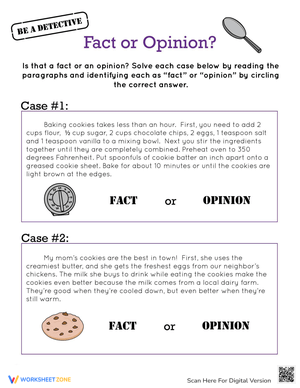
The most persistent error in this unit is the fiction/nonfiction split applied too loosely. Students who have internalized "fiction means made-up" will classify historical fiction as nonfiction because George Washington was a real person, the setting is a real place, and some events actually happened. The stronger instructional move is to reframe the classification question: the label depends on whether the characters and events are invented by the author, not on whether the backdrop is historical.
Myths generate a version of the same confusion. Because myths explain real natural phenomena — the changing of seasons, the movement of the sun — students often argue they belong in informational text. This is worth a direct instructional response rather than simply marking it wrong. The key distinction is intent and verification: informational text makes claims that can be checked against evidence, while a myth is a cultural story built to create meaning, not to report scientific fact.
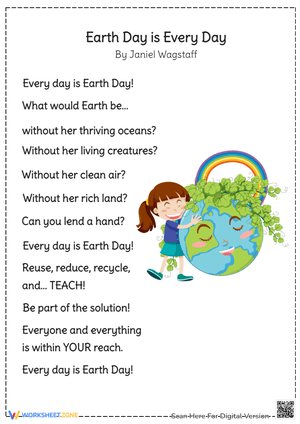
Poetry is where comprehension habits learned in prose actively work against students. Third graders trained to read for main idea and supporting details will try to apply that structure to a poem and hit a wall. A brief whole-class demonstration — reading the same short poem first as a flat paragraph, then with attention to line breaks, repetition, and word choice — makes the structural difference visible before students work independently on the poetry worksheets.
Fitting These Worksheets Into Your Planning Rotation
Genre study lands best when students are reading the genre at the same time they are analyzing it. If the class is doing a read-aloud of a myth, that is the week to run the mythology worksheet. Pairing the worksheet with a text students have already heard reduces the processing demand — they are not simultaneously decoding an unfamiliar passage and applying new genre vocabulary. The worksheet becomes a tool for organizing what they already absorbed from the read-aloud.
The biography and informational text worksheets fit naturally into content-area reading time. Running a science or social studies passage through the text features worksheet during a nonfiction block lets students build content knowledge and practice locating headings, glossaries, and captions simultaneously — a practical combination for literacy blocks split between skills instruction and subject-area reading. For fiction subgenre work, small-group rotation is the strongest setting: give each group a different short passage and a shared checklist, then have groups explain their genre labels aloud. Hearing students justify a choice surfaces misconceptions faster than any individual written response.
Standard Alignment
The primary standard driving this set is CCSS.ELA-LITERACY.RL.3.5, which asks students to refer to parts of stories, dramas, and poems using terms like chapter, scene, and stanza. The drama and poetry worksheets address this directly — students practice using structural vocabulary in context before they are expected to deploy it in written responses. RL.3.10 broadens the expectation: by year's end, students should read and comprehend a wide range of literature, which makes cross-genre exposure a curricular priority rather than a supplemental activity.
The informational and biography worksheets connect to CCSS.ELA-LITERACY.RI.3.5, which specifically names glossaries and indexes as features students should use to locate information efficiently. These 3rd grade reading genres and types pdf worksheets front-load that vocabulary because third-grade assessment passages routinely include labeled diagrams, sidebars, and captions — features students lose points on when they haven't been explicitly taught to notice them.
Adjusting the Worksheets for a Range of Learners
For students still working on reading fluency, these 3rd grade reading genres and types pdf worksheets get the most traction when the teacher reads the passage aloud first. The student's job becomes genre analysis, not decoding — the expectation stays high, but the barrier shifts. A genre characteristics reference card — key features listed per type — works as a memory support during the task without doing the analytical thinking for the student.
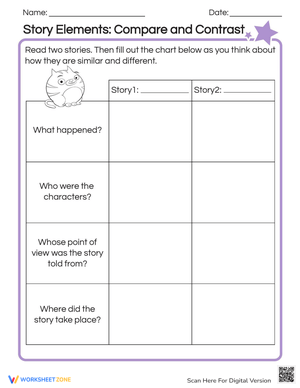
Students who are ready for more challenge benefit from cross-genre comparison work: given two short passages in different genres, they explain what places each one in its category, then describe how the author's purpose differs between them. This moves the skill from recognition into analysis, which is where genre knowledge needs to be before students enter 4th grade and are expected to write structured literary responses that cite textual evidence by genre convention.
Frequently Asked Questions
What genres are covered across the set?
The worksheets address four broad categories:
- Fiction subgenres: realistic fiction, fantasy, mystery, and historical fiction
- Nonfiction: informational text and biography
- Traditional literature: fables, folktales, and myths
- Structural genres: poetry and drama
Some worksheets target a single genre; others ask students to compare two related types — such as biography versus historical fiction — using the same identifying criteria.
Can these worksheets be used without an assigned book or novel?
Yes. Each worksheet either includes a short passage or uses a brief excerpt format, so there is no prerequisite reading assignment. That said, the worksheets reinforce concepts more durably when students have also spent time reading in the genre — the practice tasks alone are not a substitute for genuine reading volume across types.
How do I handle students who insist a myth is nonfiction?
This argument comes up regularly and is worth addressing directly rather than treating it as a simple error. The most useful approach is to introduce the concepts of intent and verification: informational text makes claims that can be checked against observable evidence; a myth is a cultural story created to make meaning, not to report verifiable fact. Having students compare how an informational article and a myth each handle evidence — one cites sources, the other attributes events to gods or supernatural forces — usually resolves the confusion more durably than a definition alone.
Are these worksheets suited for both whole-class instruction and independent practice?
These 3rd grade reading genres and types pdf worksheets work in both settings. For whole-class instruction, they project well and support shared annotation and discussion. For independent practice, the task structures are direct enough that students can work without extended setup — useful during stations or when the teacher is pulling a small group.












 Interactive Worksheet Maker
 Quiz Maker
 Word Search Maker
 Crossword Puzzle Maker
 Word Scramble Generator
 Sentence Scramble Generator
 Handwriting Worksheet Generator
 Name Tracing Generator
 Fill In The Blank Generator