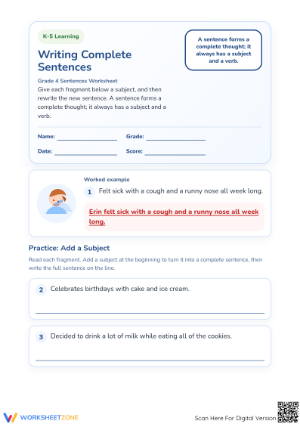
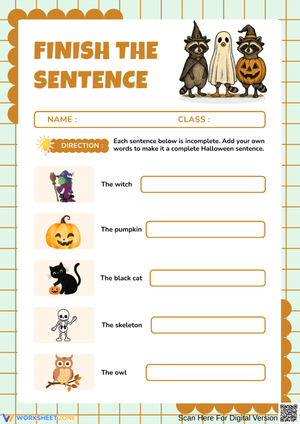
Third grade grammar instruction has one clear job when it comes to sentences: students need to move from recognizing a complete thought to actually building simple, compound, and complex sentences on demand. Worksheets built around this progression give teachers a low-prep way to make that shift visible, one sentence type at a time. Instead of a single worksheet that mixes every sentence type together, the strongest sets isolate one skill per page so students can practice it until it feels automatic before layering in the next.
For grade 3 ELA teachers, this matters because sentence combining is a gateway skill. Students who can identify a subject and predicate, then stretch that into a compound or complex sentence, write with more variety and fewer run-ons. Worksheets that ask students to both identify sentence type and produce their own examples build that flexibility faster than identification drills alone.
Simple Sentences: The Foundation for Grade 3 Writers
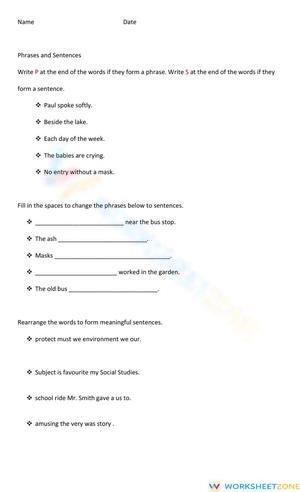
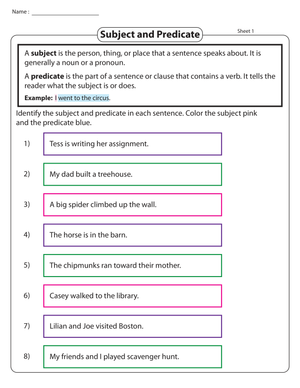
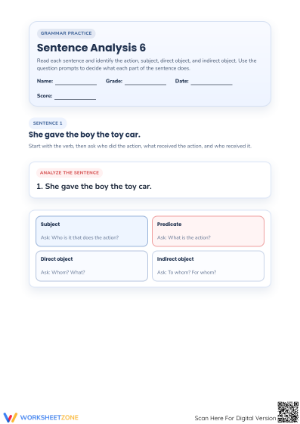
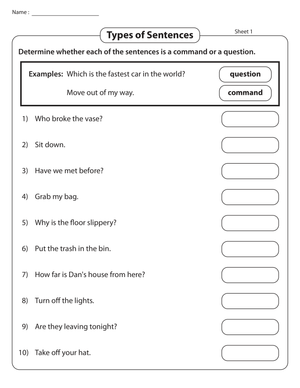
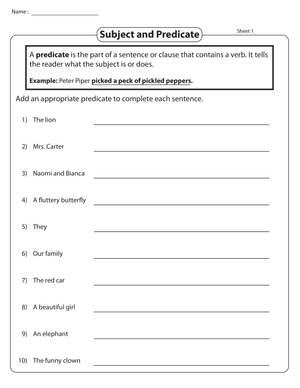
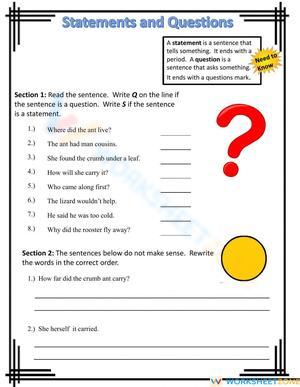
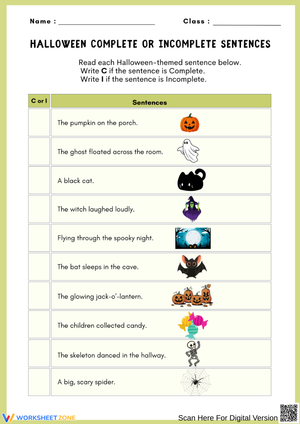
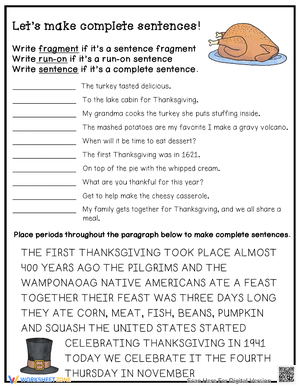
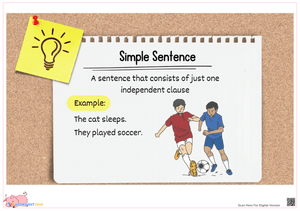
A simple sentence has one subject and one predicate and expresses one complete thought, such as The class planted seeds. Grade 3 worksheets on this skill typically ask students to underline the subject, circle the predicate, and then sort a mixed list of fragments and complete sentences. This sorting step catches the fragment errors that show up constantly in early third grade writing, before students ever attempt to combine ideas.
Once students can reliably identify simple sentences, worksheets should shift to sentence expansion tasks, where students add detail through adjectives, adverbs, or prepositional phrases without changing the sentence into a compound or complex structure. This keeps the simple sentence skill sharp while building vocabulary and description at the same time.
Building Compound Sentences with Coordinating Conjunctions
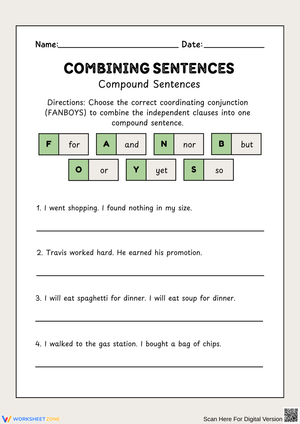
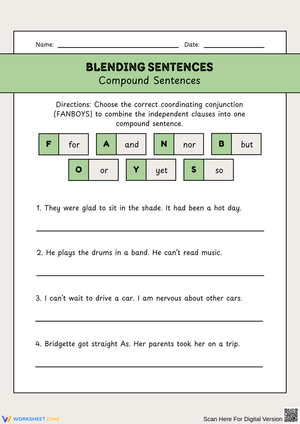
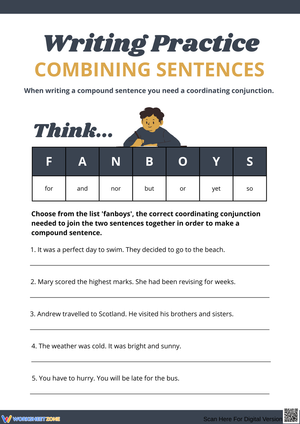
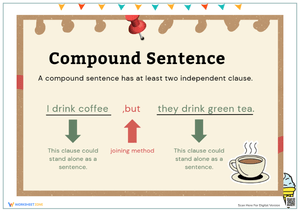
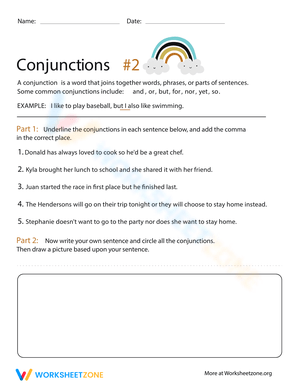
A compound sentence joins two simple sentences with a comma and a coordinating conjunction. Third graders need repeated exposure to for, and, nor, but, or, yet, and so, since these seven words carry nearly all compound sentence work at this grade level. Worksheets that isolate one conjunction per section, then mix them together in a later section, help students notice the subtle meaning differences between but and so, or and yet.
A common classroom pattern worth watching for: students often overuse and while avoiding but, yet, and nor almost entirely, which flattens their writing into a string of similar-sounding compound sentences. Worksheets that require a specific conjunction bank, rather than open choice, force practice with the conjunctions students tend to skip and build a more varied writing voice over a unit.
Introducing Complex Sentences and Subordinating Conjunctions
A complex sentence combines an independent clause with a dependent clause using a subordinating conjunction, words like because, when, if, although, and while. This is the hardest sentence type for most third graders since the dependent clause cannot stand alone, which trips up students who are still solidifying what makes a sentence complete. Worksheets should start with clause identification, asking students to label clauses as independent or dependent, before asking them to write original complex sentences.
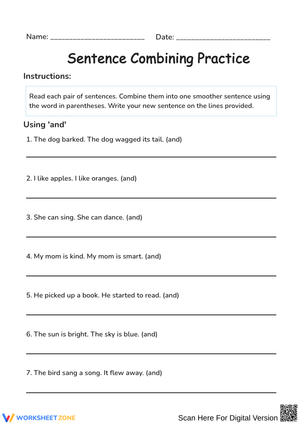
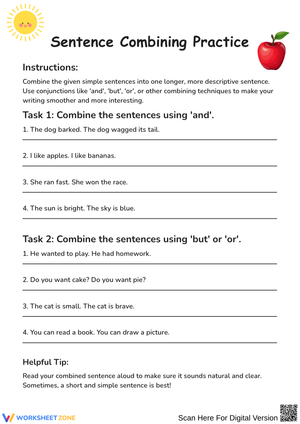
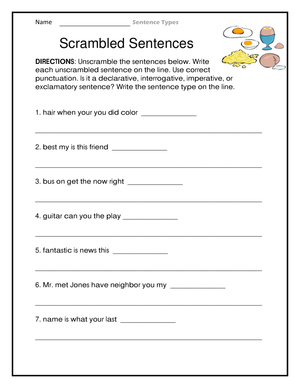
Sentence-combining tasks work especially well here: give students two short simple sentences and a subordinating conjunction, then ask them to combine the ideas into one complex sentence. This mirrors real revision work students will do in their own writing drafts later in the year.
Classroom Implementation
For whole-group instruction, open each sentence-structure lesson with a two-minute warm-up worksheet slip: three sentences to sort by type, checked as a class before the main lesson begins. This gives an immediate formative snapshot of who needs a reteach before independent practice starts.
For small-group intervention with striving writers, use shorter worksheet sets of four to six sentences rather than a full page, since students working below grade level benefit more from immediate feedback on fewer items than from completing a long sheet with errors going uncorrected. Pull students who consistently miss compound sentence punctuation into a five-minute group focused only on comma placement before the coordinating conjunction.
For advanced writers, extend worksheets with a challenge section asking students to combine three simple sentences into one compound-complex sentence, which previews sentence work they will meet in later grades while keeping the current lesson grounded in grade 3 expectations.
Frequently Asked Questions
1. What is the difference between a simple, compound, and complex sentence for 3rd graders?
A simple sentence has one subject and predicate expressing a complete thought. A compound sentence joins two simple sentences with a comma and a coordinating conjunction. A complex sentence combines an independent clause with a dependent clause using a subordinating conjunction.
2. Which coordinating conjunctions should grade 3 students master for compound sentences?
Third graders should practice all seven coordinating conjunctions: for, and, nor, but, or, yet, and so, with particular attention to the ones students tend to avoid, like but, yet, and nor.
3. How often should teachers assign sentence-structure worksheets each week?
Two to three short worksheet sessions per week, paired with brief exit tickets, keeps the skill active without crowding out other grammar and writing instruction during a unit.
4. How can teachers use these worksheets for small-group intervention?
Shorten the worksheet to four to six sentences, focus each session on one sentence type, and check work immediately so struggling writers get corrective feedback before an error becomes a habit.
5. How do sentence-structure worksheets support the L.3.1.i standard?
The standard requires students to produce simple, compound, and complex sentences, and worksheets that move from identification to original sentence writing give students the guided practice needed to meet that production requirement independently.












 Interactive Worksheet Maker
 Quiz Maker
 Word Search Maker
 Crossword Puzzle Maker
 Word Scramble Generator
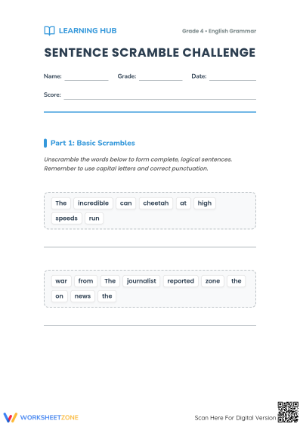
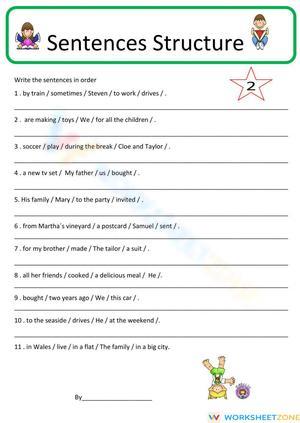
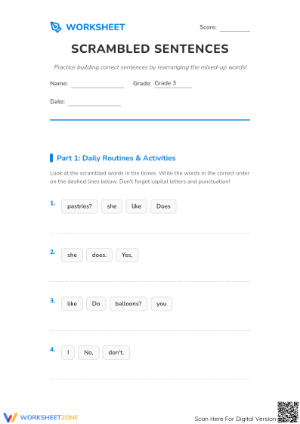
 Sentence Scramble Generator
 Handwriting Worksheet Generator
 Name Tracing Generator
 Fill In The Blank Generator