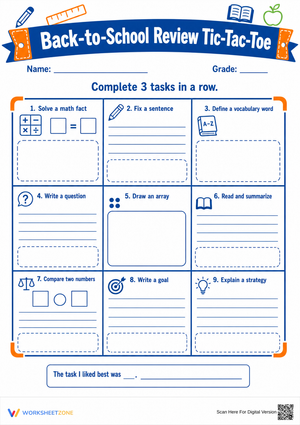
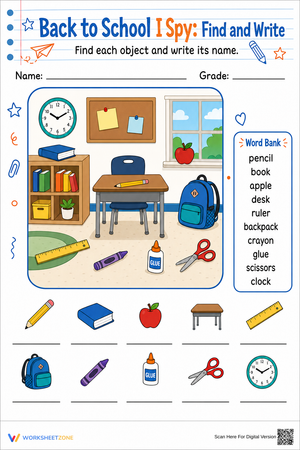
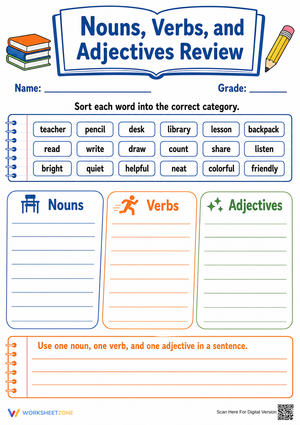
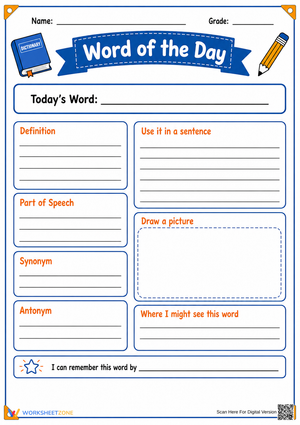
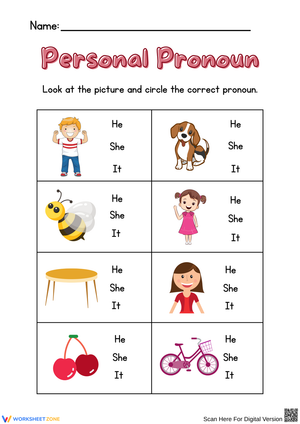
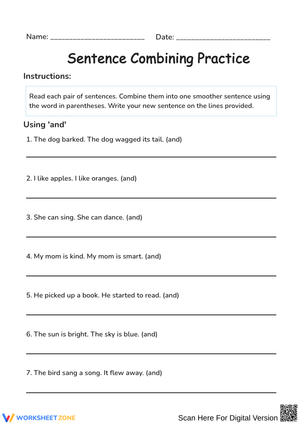
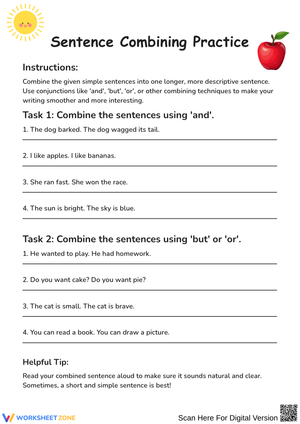
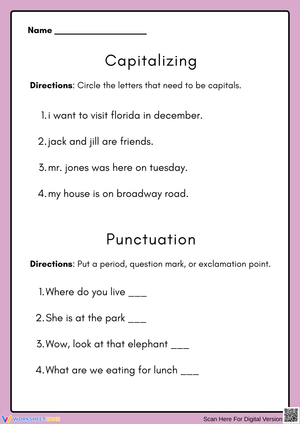
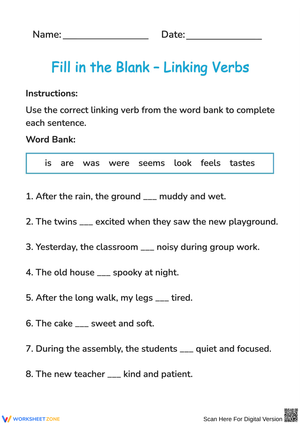
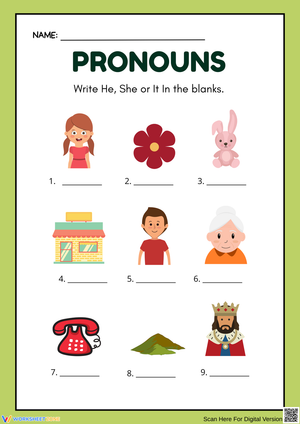
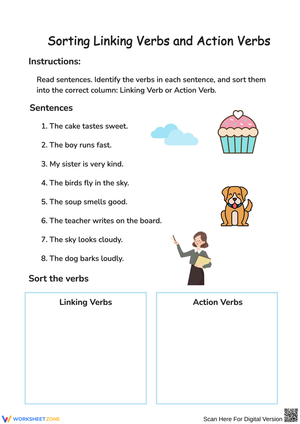
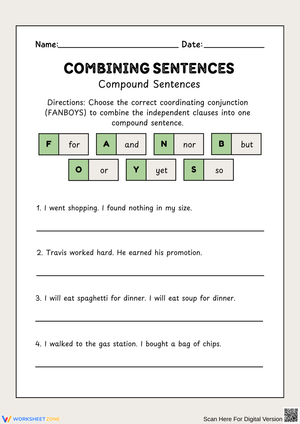
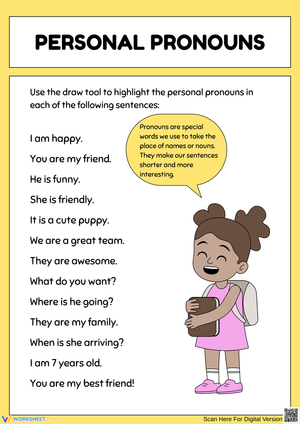
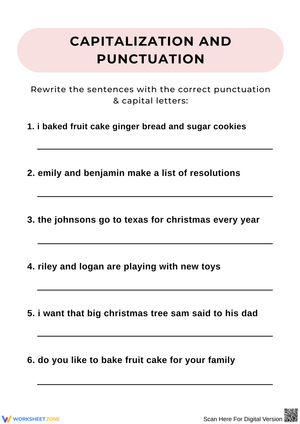
These 3rd grade grammar worksheets resources give teachers a targeted set of practice materials built around the specific language skills students are expected to command before the end of third grade. The set covers abstract nouns, irregular verbs, sentence combining, relative pronouns, comma placement in dialogue, and capitalization conventions — the same skills that surface in writing conferences and on district language arts assessments. Each worksheet targets a single skill, making them easy to drop into a warm-up slot, a literacy center rotation, or a brief close to a grammar lesson.
The Specific Skills These Worksheets Build
Third grade marks the point where grammar instruction moves away from identifying simple nouns and verbs and toward understanding how language choices create meaning. That shift shows up clearly across this set.
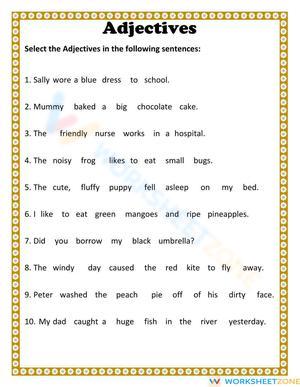
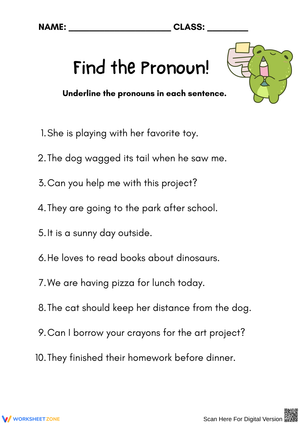
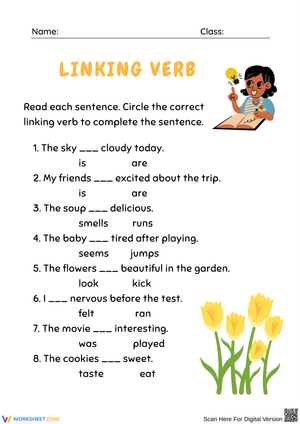
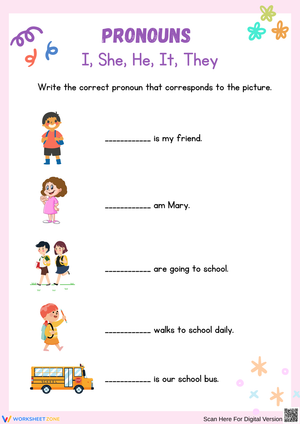
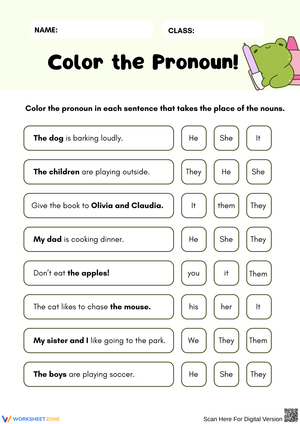
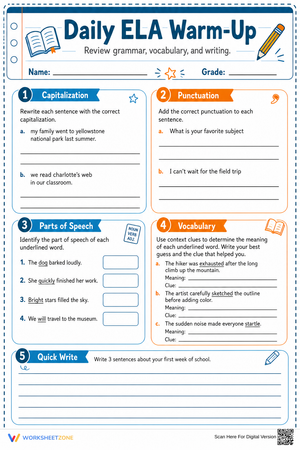
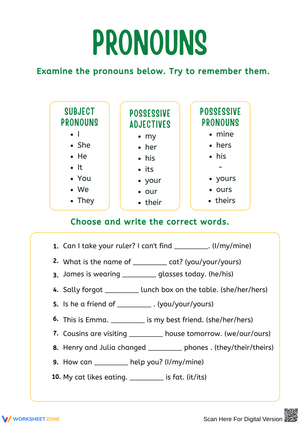
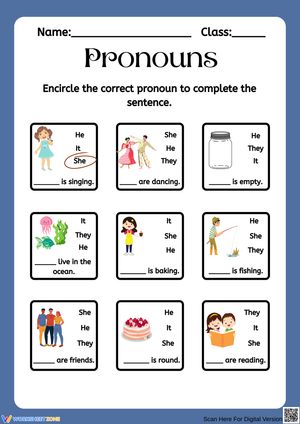
Parts of speech work includes abstract nouns — concepts like courage, fairness, and childhood that students often use in speech but struggle to recognize as nouns on the page — alongside relative pronouns (who, whose, whom, which, that). Students underline, sort, and rewrite sentences using these forms. The irregular verb exercises ask students to supply past-tense forms for verbs like hold, sit, and bring rather than just adding -ed, which requires retrieving the correct form rather than applying a pattern rule.
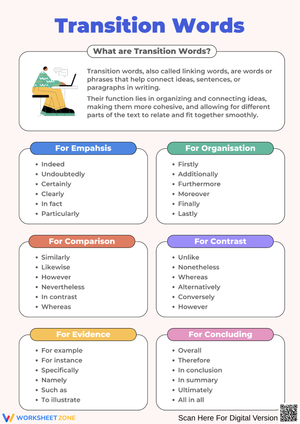
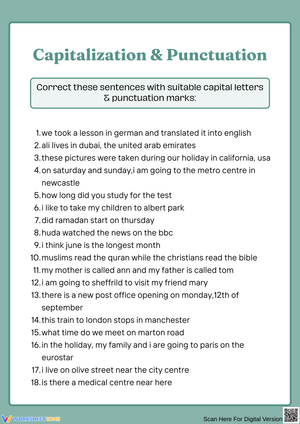
Sentence structure worksheets ask students to combine two short sentences using a coordinating or subordinating conjunction, then label the result as compound or complex. Subject-verb agreement exercises move from straightforward singular and plural pairs to sentences where a prepositional phrase sits between the subject and the verb — the sentence configuration that produces the most agreement errors in actual student writing. Punctuation and capitalization worksheets include proofreading paragraphs where students mark and correct comma errors in dialogue and capitalization errors in titles, asking them to read for meaning before applying the rule.
Student Errors Worth Catching Before They Become Habits
The most predictable trouble spot is subject-verb agreement when a prepositional phrase interrupts the subject and verb. A student will write "The box of markers are on the table" because the nearest noun to the verb is the plural "markers," not the singular "box." These worksheets include sentences built exactly that way, and the teaching notes flag this pattern so teachers can name it explicitly during review rather than just marking it wrong.
Abstract nouns trip students up in a different direction. Students who use the word "bravery" in conversation often don't recognize it as a noun at all — they associate nouns with things they can hold or see. Expect students to classify "bravery" as an adjective on first attempt. The sentence-context format helps here because students must determine whether a word is doing the job of a noun before labeling it, rather than relying on feel alone.
Comma placement in dialogue produces a consistent error: students omit the comma between the dialogue tag and the quotation, or they place a period inside the quotation when the sentence continues beyond the closing marks. This shows up in nearly every third-grade class by October. Capitalization in titles creates its own confusion — students who correctly capitalize "Monday" and "Chicago" will still write "the lion, the witch and the wardrobe" in a reading response because they apply the rule inconsistently across contexts. The title-correction exercises in these worksheets ask students to fix both over-capitalization and under-capitalization in the same set of titles, which forces them to think about the rule rather than guess from habit.
Working These Worksheets Into Your Weekly Lesson Flow
The most reliable use is as a five-minute warm-up before the writing block. One worksheet completed independently, then discussed briefly at the start of class, keeps grammar skills active without requiring a separate lesson period. This works because spaced retrieval — returning to the same skill type multiple times across several weeks rather than teaching it in one extended block — produces more durable learning than a single grammar unit ever does. A 3rd grade grammar worksheets set fits this model well because each worksheet targets a discrete skill, making it easy to cycle back to subject-verb agreement or irregular verbs on a rolling weekly schedule.
For teachers running literacy centers, one worksheet per rotation works well as the independent writing-skills station. Because each worksheet focuses on a single concept, students at different readiness levels can work without getting confused by mixed skill demands. A useful extension: before handing back a completed worksheet, ask students to find one real-world example of the target skill in whatever book they're currently reading and write that sentence at the bottom. The step takes fewer than two additional minutes and closes the gap between isolated practice and actual reading.
These also serve as efficient exit tickets. When a lesson introduces subordinating conjunctions, a sentence-combining worksheet handed out as students pack up takes about six minutes and tells you immediately who is applying the rule correctly and who needs another pass at it the next day.
Standard Alignment
These worksheets address CCSS.ELA-LITERACY.L.3.1 and L.3.2 directly. L.3.1 covers grammar and usage: explaining the function of nouns, pronouns, verbs, adjectives, and adverbs; forming and using regular and irregular plural nouns; using abstract nouns; forming and using regular and irregular verbs; ensuring subject-verb and pronoun-antecedent agreement; using coordinating and subordinating conjunctions; and producing simple, compound, and complex sentences. L.3.2 covers mechanics: capitalization of appropriate words in titles and geographic names, comma use in addresses and dialogue, and forming possessives correctly.
Classroom placement matters here. Abstract nouns and relative pronouns are new to grade 3 — they don't appear in L.2.1 — so these worksheets work best as reinforcement after initial instruction rather than as first exposure. Teachers supplementing an existing grammar program with a 3rd grade grammar worksheets set will find this collection maps cleanly onto the L strand window by window, without duplicating skills the program already covers directly.
Adjusting the Work for Students at Different Points in Their Learning
For students still consolidating second-grade skills — basic noun and verb identification, simple sentence formation — start with the parts-of-speech and irregular verb worksheets before moving to the sentence-combining set. The sentence-level format, with one item per sentence and clear context clues, reduces cognitive demand enough for students to focus on the target skill rather than managing a longer reading passage at the same time.
Students ready for extension can work the sentence-combining worksheets in reverse: given a compound or complex sentence, they rewrite it as two or three simple sentences, then explain in writing what the conjunction was doing to connect the ideas. That task pushes metalinguistic thinking rather than just rule application, and it tends to produce more precise student vocabulary about how sentences actually function.
For English Language Learners, the irregular verb fill-in exercises are particularly useful because they isolate past-tense forms that don't follow the patterns learners may be transferring from their first language. Pairing worksheet completion with brief oral repetition — saying the sentence aloud with the correct verb form before writing it — adds a phonological layer that written practice alone doesn't provide. The proofreading paragraphs also work well for ELL students because reading for error in a short, contextualized passage is closer to authentic language use than decontextualized drill strips.
Frequently Asked Questions
Do these worksheets cover all of the Grade 3 Language standards?
The set addresses the core skills under L.3.1 and L.3.2: abstract nouns, relative pronouns, irregular verbs, subject-verb agreement, pronoun-antecedent agreement, coordinating and subordinating conjunctions, simple and compound and complex sentence types, comma use in dialogue and addresses, and capitalization in titles and geographic names. Comparative and superlative adjective forms are touched on but are not the focus of a dedicated worksheet in this set. A targeted adjective worksheet works well alongside these resources if that standard needs explicit reinforcement.
Can I send these home for homework without re-teaching the skill first?
For most worksheets in the set, yes. Each opens with a brief worked example that shows the rule before asking students to apply it, so a student who received direct instruction earlier in the week can use that example as a reference point at home. Subject-verb agreement with prepositional phrases is the exception — that configuration produces too many errors when students work through it cold. One guided practice session in class before sending it home makes a clear difference in the accuracy of responses.
How do I handle the gap between students who have already mastered these skills and those who are just encountering them?
Students who already handle subject-verb agreement and sentence types can move directly to the conjunction and sentence-combining worksheets, which require more analytical thinking. Students still building earlier skills benefit from the parts-of-speech and irregular verb exercises first. Using a 3rd grade grammar worksheets set that spans the full range of L.3.1 and L.3.2 means you can assign different worksheets to different groups during the same independent work block without drawing attention to ability groupings — each student simply has a different worksheet face-down on the desk when independent time begins.
Are these worksheets useful for strong readers who struggle with writing mechanics?
Strong readers who struggle with written expression often know these grammar rules intuitively from reading but can't apply them deliberately or name them. These worksheets build the explicit, named knowledge — "this is a subordinating conjunction," "this is where the comma goes in dialogue" — that bridges what students absorb from reading to what they can control in their own writing. The proofreading paragraphs are especially useful for this profile because they ask students to read for meaning and then apply a mechanical rule, which is closer to the real editing task than isolated sentence drills.












 Interactive Worksheet Maker
 Quiz Maker
 Word Search Maker
 Crossword Puzzle Maker
 Word Scramble Generator
 Sentence Scramble Generator
 Handwriting Worksheet Generator
 Name Tracing Generator
 Fill In The Blank Generator