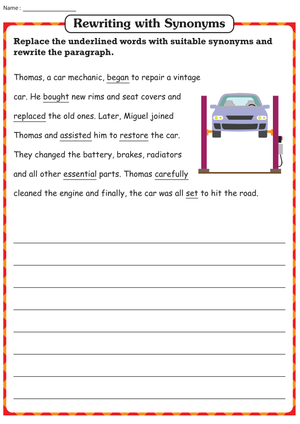
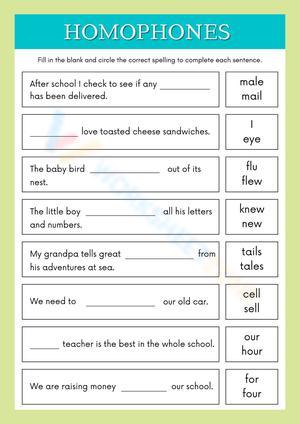
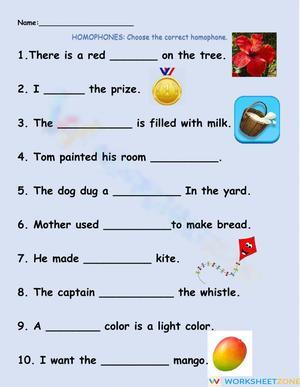
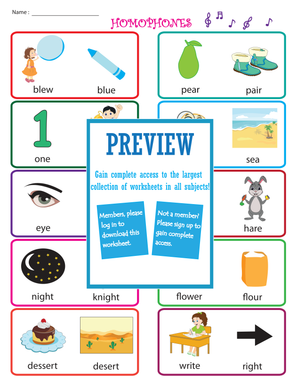
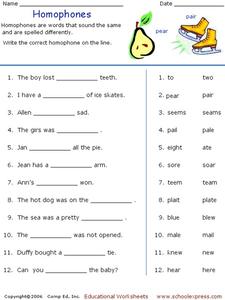
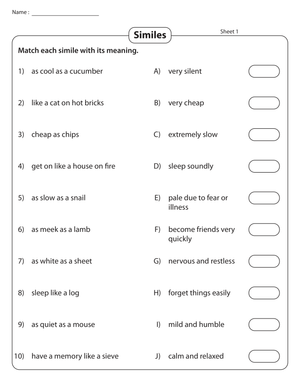
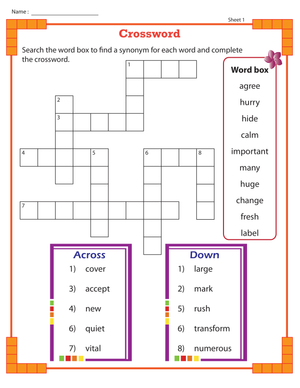
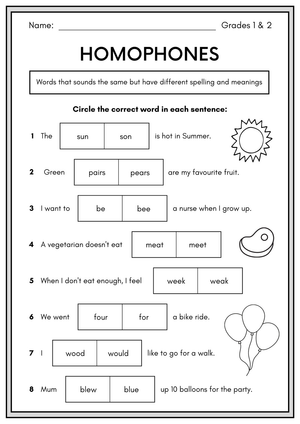
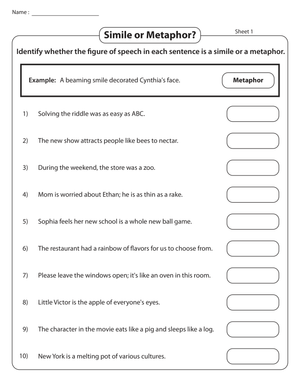
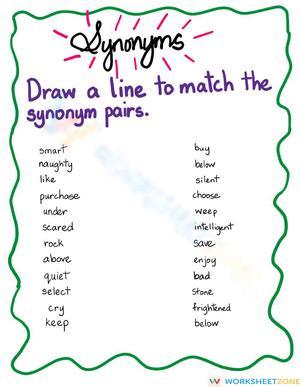
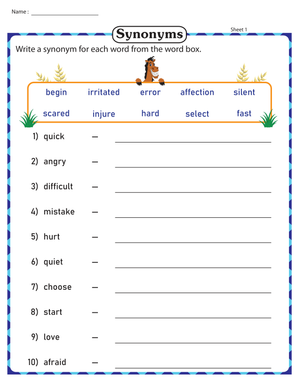
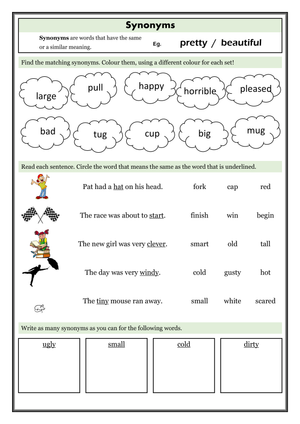
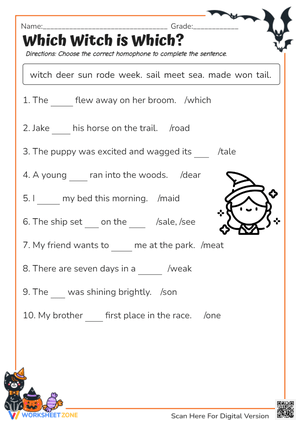
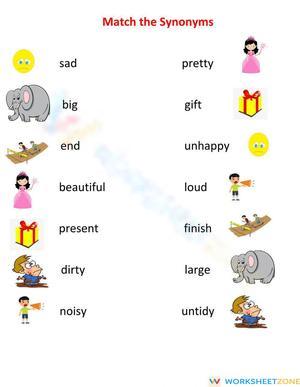
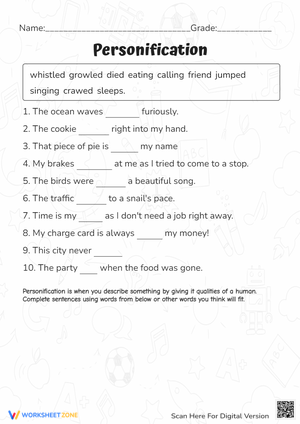
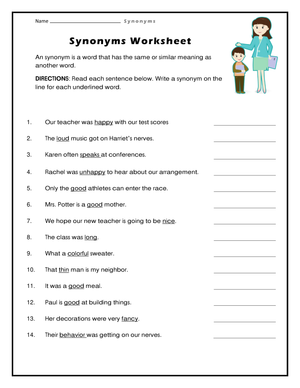
These language worksheets for 2nd grade give teachers a printable, targeted set for the grammar and conventions work that sits at the center of second-grade ELA — irregular verbs, collective nouns, punctuation editing, and vocabulary inference from context. The set addresses the skill gaps that surface most predictably in student writing around mid-year, when students have enough reading fluency to attempt more complex sentences but not enough working memory left over to monitor grammar at the same time.
What's Inside the Set
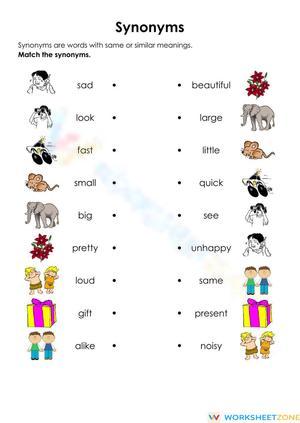
Second grade covers more grammatical territory in a single year than most people outside the classroom realize. Students who enter the fall still consolidating common and proper nouns are expected by spring to work with collective nouns (a flock of birds, a team of players), reflexive pronouns, irregular plural nouns, and adverbs modifying verbs and adjectives. Each worksheet isolates one of those targets rather than layering several conventions into a single task — a deliberate choice that keeps cognitive load manageable while students are still building automaticity with foundational forms.
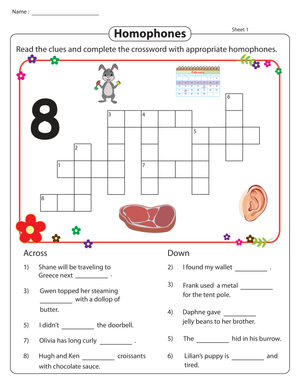
The set also addresses phonics conventions that carry over directly into spelling and writing at this level: diphthongs, vowel teams, and the meaning-changing role of common prefixes and suffixes. Students sort words, rewrite sentences using inflected endings, and mark stress patterns in multisyllabic words. Vocabulary worksheets present short passages and ask students to use context clues to define underlined terms — the closest thing to real reading comprehension work that a worksheet format can replicate.
- Identifying and categorizing collective nouns and irregular plural forms
- Selecting the correct irregular past-tense verb form in context sentences
- Expanding declarative sentences with targeted adjectives and adverbs
- Editing passages for comma placement in lists and letter greetings
- Capitalizing proper nouns — names, geographic places, days, and months
- Using prefixes (un-, re-, pre-) and suffixes (-ful, -less, -er) to determine word meaning
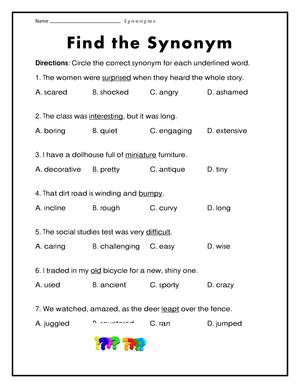
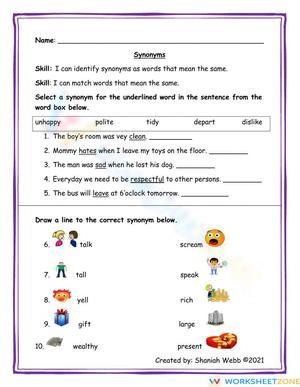
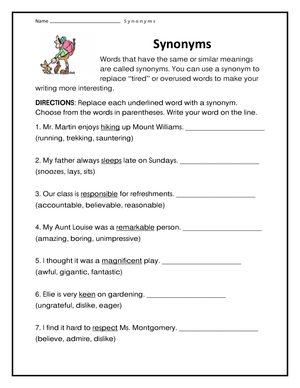
- Answering vocabulary-in-context questions drawn from short reading passages
The Error Patterns That Surface Most Often in Grade 2 Writing
The most consistent error at this grade level is irregular past-tense verb formation. Students who write runned instead of ran, or swimmed instead of swam, are applying a rule they learned correctly — the -ed ending signals past tense. The problem is that irregular verbs are exceptions to that rule, and second graders have not yet had enough repeated exposure to store the correct forms automatically. These are not careless errors. They are logical extensions of a pattern that fails here, and they need targeted repetition rather than a single correction on a paper.
Capitalization trips students up in a specific and predictable way. They learn to capitalize Monday, March, and Mrs. Thompson, but then write the amazon river in a social studies sentence or the fourth of july in a personal narrative. Proper noun recognition is context-dependent, and students who perform well on isolated capitalization drills often revert to lowercase when the same proper noun appears inside a longer sentence they are producing from scratch. The editing tasks in this set — where students mark and correct capitalization errors inside existing text — expose that gap more reliably than fill-in-the-blank formats do, because the student has to notice the error rather than just supply a capitalized word in an obvious blank.
Comma overuse is the third pattern worth watching. Second graders who have just learned that commas belong in lists tend to insert them after every clause regardless of whether a list structure is present. A sentence like I ate lunch, and then I went to recess, and then I got a drink of water reflects this over-application. The punctuation worksheets address this by presenting both correct and incorrect comma use side by side so students can see the difference, rather than simply asking them to add commas wherever they think one belongs.
Weaving These Worksheets Into the Week
The most reliable placement is the ten-minute grammar block that most second-grade teachers run right after morning meeting — before the anchor lesson, while attention is still fresh. A single worksheet on irregular verbs or collective nouns takes about eight minutes to complete and leaves two minutes for a quick share-out. That rhythm, repeated three or four times a week, builds the spaced retrieval exposure that irregular forms actually require to stick.
These language worksheets for 2nd grade also work cleanly at a literacy center rotation. Students at the grammar station can complete one worksheet independently while the teacher runs a guided reading group — the directions are explicit enough that second graders rarely need to interrupt. At the end of the rotation, the teacher can glance at completed work in under a minute and identify who wrote goed instead of went, then flag that student for a quick follow-up during transition time. That is formative assessment happening in real time without a separate quiz.
Standard Alignment
The worksheets align primarily with Common Core Language standards for Grade 2: L.2.1 (conventions of standard English grammar and usage) and L.2.2 (conventions of standard English capitalization, punctuation, and spelling). L.2.1 is where collective nouns, irregular plural nouns, reflexive pronouns, and irregular past-tense verbs live — these are not incidental topics but named expectations written into the standard itself. L.2.2 drives the comma and capitalization work. The vocabulary worksheets address L.2.4, which covers using context clues and knowledge of affixes to determine word meanings. Teachers in non-CCSS states will find that these same skill clusters appear in most state ELA frameworks at this grade level, though the exact strand coding will differ.
Adjusting the Worksheets for Different Learners in the Room
For students who are still consolidating basic noun and verb recognition, the parts-of-speech worksheets work better as small-group guided practice than as independent center work. Sitting with three students and thinking aloud through the first few items — "I'm looking at the word flock. A flock of geese. What is it naming?" — gives those students a model before they attempt the rest on their own. That brief teacher-led opening is often all they need to get unstuck and move independently through the remaining items. For students working above grade level, the sentence-expansion tasks offer the most productive stretch: ask them to rewrite the same sentence three different ways using different adverbs and then compare what changes about the meaning each time.
These language worksheets for 2nd grade are not formatted as tiered versions of the same task, so differentiation is mostly a matter of how the teacher deploys them. The more open-ended sentence tasks naturally allow stronger writers to produce more complex responses, while students who need more support can complete the minimum without feeling exposed. One honest limitation worth knowing: students who freeze when shown a paragraph marked up for editing — a real reaction among some second graders who find open-ended correction tasks overwhelming — do better when paired with a partner on those specific worksheets, while keeping independent work for the more structured fill-in formats.
Frequently Asked Questions
How many worksheets are in the set, and how are they organized?
The set contains multiple worksheets, each targeting a specific second-grade language convention or vocabulary skill. They are grouped by skill area — parts of speech, punctuation and capitalization, phonics and spelling, and reading vocabulary — so teachers can pull from one group when working on a particular standard or draw across groups for a review day.
Are the worksheets appropriate for homework?
Most of them work well for homework. The editing and fill-in tasks are self-explanatory enough that students can complete them without teacher support, and parents can see at a glance what skill is being practiced. The sentence-expansion worksheets are better kept for classroom use, where a teacher can redirect a student who takes the open-ended prompt in an unproductive direction.
Can these worksheets support students who receive language services or have IEPs?
Many of the worksheets work well as supplemental practice material within a pull-out or push-in language session, particularly the irregular verb and collective noun tasks. For students with reading-based IEP goals, the vocabulary-in-context worksheets offer a structured format — passage provided, target word bolded, answer choices given — that reduces open-ended demand while still requiring comprehension work. Always coordinate with the student's specialist to confirm alignment with their specific goals before building these into a service plan.
What file format are these resources, and do they require special software to open?
These language worksheets for 2nd grade are delivered as standard PDF files readable in any free PDF viewer. No special software is needed. Print quality holds up across home printers and school copiers, and the formatting stays intact when printed in grayscale — which matters in buildings where color printing is limited or restricted.












 Interactive Worksheet Maker
 Quiz Maker
 Word Search Maker
 Crossword Puzzle Maker
 Word Scramble Generator
 Sentence Scramble Generator
 Handwriting Worksheet Generator
 Name Tracing Generator
 Fill In The Blank Generator