These fiction worksheets resources give grades 3–6 teachers a passage-based method for genre study — students read short excerpts, identify the fiction subgenre, and support every answer with evidence drawn directly from the text. Each worksheet in the set isolates one to three subgenres so the comparison stays manageable, and the range spans realistic fiction, historical fiction, fantasy, science fiction, and mystery.
The Specific Skills Each Worksheet Targets
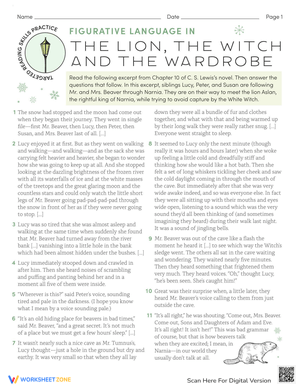
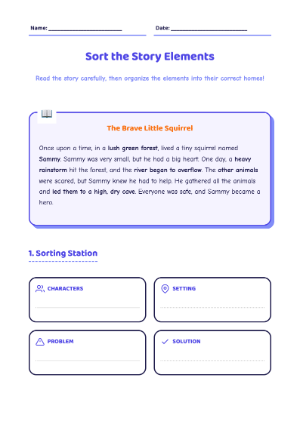
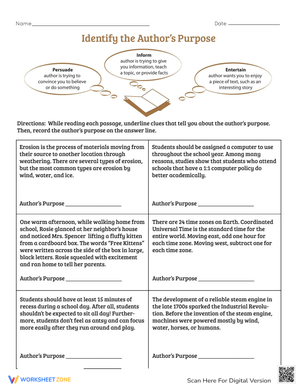
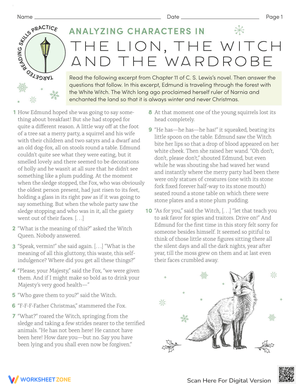
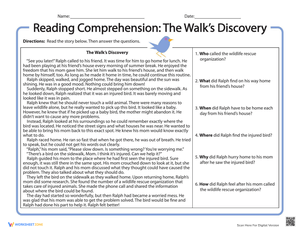
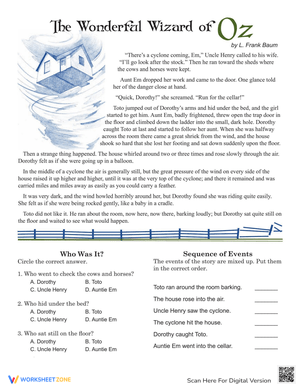
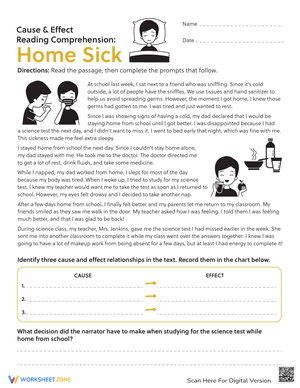
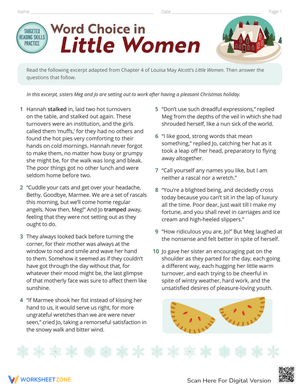
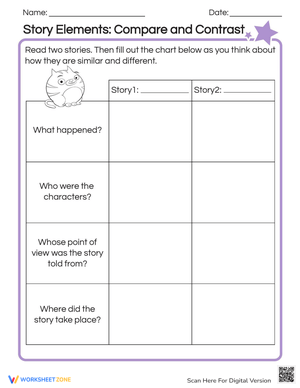
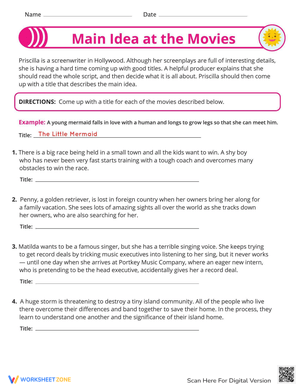
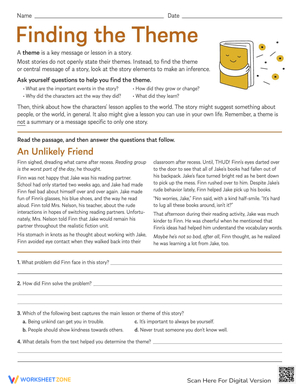
The five subgenres addressed across the worksheets are the same five that appear most consistently in upper elementary ELA curricula and standardized reading assessments: realistic fiction, historical fiction, fantasy, science fiction, and mystery. Each worksheet presents two to four short passages — typically 150 to 250 words each — drawn from varied narrative contexts. Tasks move in deliberate sequence: first, students underline the specific detail that signals the genre; then they write a sentence naming the subgenre and citing their evidence; on some worksheets, they complete a Venn diagram comparing two closely related genres.
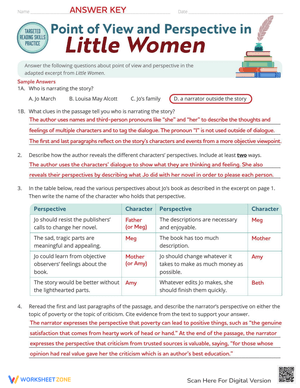
Textual evidence is the organizing principle of the fiction worksheets set. Every task requires students to quote or paraphrase a specific line rather than offer a general impression. "It seems like fantasy because there's magic" doesn't meet the standard these worksheets hold. "The text says the sorceress 'wove a spell from moonlight,' which shows the story includes magic that doesn't exist in the real world" does. That gap — between a vague impression and an evidence-based claim — is the central skill built across the set.
Where Genre Classification Goes Wrong in Actual Student Work
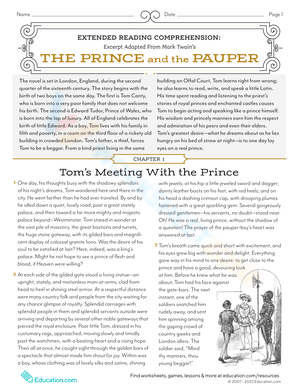
Historical fiction trips up more students than any other subgenre. They see real dates, real place names, real events — and they assume the story is nonfiction. The clarifying question that lands most effectively: "Is the main character a real person we can look up, or did the author invent them?" Once students can identify an invented protagonist placed inside a documented historical setting, the genre clicks. Several worksheets pair a historical fiction passage with a brief nonfiction passage from the same era, so students feel the difference between invented narrative and reported fact rather than just reading a definition.
Science fiction creates a separate confusion. Students hear "sci-fi" and picture space travel — so a story set aboard a distant space station gets categorized correctly while a near-future story about a medical procedure that doesn't yet exist gets labeled realistic fiction. The redirecting question — "Does this story depend on a scientific advancement that isn't real yet?" — corrects most misclassifications. The set includes at least one science fiction passage with no space setting specifically to break the space-equals-sci-fi habit.
A third error shows up in evidence-writing. When asked to cite a line that proves a story is a mystery, students consistently reach for lines that create atmosphere — something ominous, something unsettling — rather than lines that establish structural genre conventions: a detective figure, a crime, an investigation. Two separate prompts on the mystery worksheets ask students to mark the mood evidence first and then find the genre evidence separately. That sequence makes the distinction concrete enough to carry over into independent reading.
Where These Worksheets Fit in Your Weekly Plan
The most natural entry point for most of these worksheets is the five to ten minutes following a read-aloud, when the text is still fresh and genre markers are easy to locate. Project the worksheet passage alongside a section from the book you just read, work through the identification task as a class, then release students to finish independently. That sequence — shared text, modeled thinking, independent application — fits within one class period per worksheet.
Pulling a fiction worksheets as a pre-assessment before a novel unit surfaces gaps before they become mid-unit problems. Open a historical fiction unit with the historical fiction worksheet, and within fifteen minutes you can see which students already distinguish between an invented character and a real historical figure — and which students will need more direct instruction before the novel begins. That fifteen-minute read replaces reteaching that would otherwise eat into week two.
The Venn diagram worksheets comparing fantasy and science fiction work well as paired reading workshop activities. Two students, one worksheet, ten minutes. The conversation that happens when partners disagree about what belongs in the overlap section is often more diagnostic than what they actually write on the worksheet.
Standard Alignment
RL.4.5 asks students to explain major differences between poems, drama, and stories, and to describe how texts fit the conventions of their genre. In practice, fourth-grade teachers meet this standard most directly through fiction subgenre work — students name the subgenre and explain what marks it as distinct from related ones. RL.5.5 extends that expectation to analyzing how chapters or scenes fit the genre's structural logic. The worksheets address RL.4.5 at the identification-and-evidence level and RL.5.5 at the structural comparison level through the Venn diagram tasks. Third-grade teachers building toward RL.3.5 will find the simpler recognition tasks useful as preparatory work before the standard is formally assessed.
Adjusting the Worksheets for Different Levels of Readers
Students still building vocabulary for genre terminology benefit from having an anchor chart posted during independent work — not to answer the question for them, but to keep cognitive attention on the analysis task rather than on word retrieval. The target skill is evidence identification. Terminology gaps shouldn't block students from demonstrating that skill.
One honest limitation worth knowing: students who freeze when a passage covers unfamiliar content — a science fiction excerpt involving genetic technology, for example — sometimes lose the genre analysis thread entirely because the subject matter claims too much of their attention. A brief two-sentence context note added to the top of the passage handles this without simplifying the literary task itself.
The extension prompt on each worksheet — "Write two sentences from a new story that would belong to this same genre" — is where stronger readers show what they genuinely understand. Generating genre-appropriate sentences from scratch requires internalized knowledge of conventions, not just recognition of them in someone else's text. For a small-group session, pulling just the historical fiction and realistic fiction worksheets side by side resolves persistent confusion between those two genres faster than working through them in sequence on separate days.
Frequently Asked Questions
What grade levels does this set fit?
The worksheets suit grades 3 through 6. Third graders handle the recognition tasks with teacher modeling before independent work. Fifth and sixth graders can move directly to evidence-writing and Venn diagram tasks with minimal setup. Fourth grade is the natural center of gravity — the passage length, the task complexity, and the alignment to RL.4.5 converge there more cleanly than at any other grade level.
Can I download and print these files?
Yes. Every worksheet in this fiction worksheets collection downloads as a standard PDF that prints cleanly on letter-size paper. The files also open in most PDF readers on tablets and laptops, so students can type responses digitally if you prefer that over printed copies. The layout doesn't require any specialized app or subscription.
How long does each worksheet take to complete?
Most students finish the identification and evidence tasks in 15 to 25 minutes. The Venn diagram worksheets run slightly longer — closer to 30 minutes when students write complete explanations in each section rather than single-word labels. The first time students encounter a citation prompt, build in five extra minutes; the expectation that they pull a direct quote from the text rather than paraphrase from memory takes some adjustment.
Do the worksheets come with answer keys?
Yes. Every worksheet includes a corresponding answer key. For evidence-based tasks, the key identifies the most defensible lines from the passage without requiring one exact student response, which gives teachers room to accept alternate quotes that make an equally valid case for the genre classification.












 Interactive Worksheet Maker
 Quiz Maker
 Word Search Maker
 Crossword Puzzle Maker
 Word Scramble Generator
 Sentence Scramble Generator
 Handwriting Worksheet Generator
 Name Tracing Generator
 Fill In The Blank Generator