The Role of Nursery Rhymes in Developing Early Literacy Skills
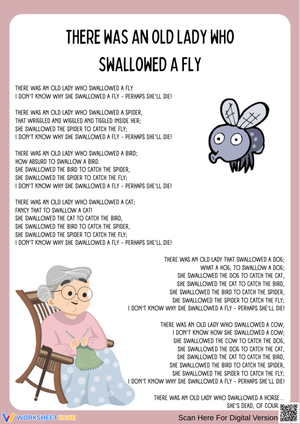
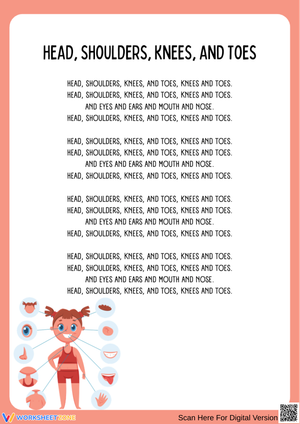
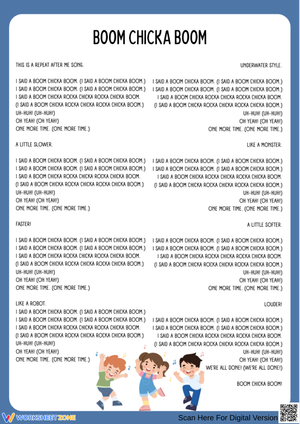
Nursery rhymes serve as a foundational pillar in the development of early literacy skills, providing a structured yet playful introduction to the auditory world of language. For teachers in preschool and kindergarten settings, these rhythmic verses are more than just entertainment; they are sophisticated tools for teaching phonics and word recognition. By utilizing nursery rhymes printable worksheets formats, teachers can bridge the gap between oral recitation and written text, allowing students to see the physical representation of the sounds they are producing. This transition is vital for building a strong reading foundation.
The predictable nature of nursery rhymes helps young learners anticipate sounds and words, which builds confidence in their emerging reading abilities. When students engage with these materials, they are not just memorizing lines; they are learning to identify the building blocks of communication. Worksheetzone provides a variety of these resources to support classroom instruction, ensuring that every student has the opportunity to interact with classic verses in a way that promotes deep understanding and long-term retention of linguistic concepts.
Improving Phonological Awareness Through Rhyme and Rhythm Patterns
Phonological awareness is the ability to recognize and manipulate the spoken parts of sentences and words. This includes identifying alliteration, rhyming, and the number of syllables in a word. Nursery rhymes are particularly effective for this because their inherent rhythm makes sounds more prominent. In the classroom, teachers can use worksheets to focus on rhyming pairs. For instance, asking students to match pictures of words that rhyme, such as "cat" and "hat" from a specific verse, reinforces their ability to hear the ending sounds in words.
Beyond simple rhyming, the rhythmic cadence of nursery rhymes helps children understand the concept of syllables. Clapping out the beat of "Twinkle, Twinkle, Little Star" while following along on a printed worksheet allows for a multi-sensory learning experience. This kinesthetic approach ensures that students with different learning styles can grasp the rhythmic structure of the English language. Teachers often find that these repetitive patterns act as a mnemonic device, helping students store phonemic information in their long-term memory for later application in more complex reading tasks.
Expert analysis of early childhood data suggests that children who can successfully identify and produce rhyming patterns by age four are significantly more likely to reach grade-level reading benchmarks by the end of third grade. This early mastery of phonological structures acts as a predictor for later success in reading comprehension, as it allows the brain to automate the decoding process, freeing up cognitive resources for extracting meaning from text. By prioritizing these exercises in the early years, teachers provide a stable platform for all subsequent academic achievements in language arts.
Sequence Ordering and Narrative Comprehension Exercises
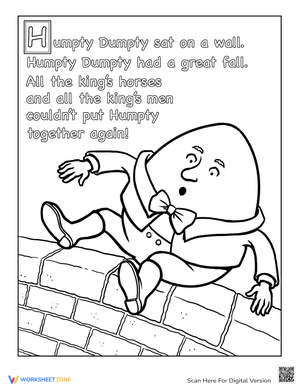
Narrative comprehension begins with understanding the order of events. Many nursery rhymes tell a short, concise story with a clear beginning, middle, and end. Using sequence ordering worksheets based on rhymes like "Humpty Dumpty" or "Jack and Jill" helps students practice logical thinking and retelling. Teachers can provide cut-and-paste activities where students must arrange pictures or short sentences in the correct chronological order. This exercise is a precursor to more advanced story mapping and summary writing skills that will be required in later elementary grades.
In addition to ordering, these worksheets can be used to introduce the concept of cause and effect. Asking a student why Humpty Dumpty fell or what happened after Jack fell down the hill encourages them to think critically about the text. These discussions, supported by visual aids on the worksheets, help students develop their inference skills. They learn to look for clues within the verses to explain the outcomes of the characters' actions. This level of engagement transforms a simple rhyme into a comprehensive lesson on narrative structure and logical reasoning.
Vocabulary Expansion and Contextual Language Development
Nursery rhymes often contain archaic or specialized vocabulary that students might not encounter in everyday conversation. Words like "tuffet," "curds," "whey," or "patter" introduce children to a broader range of language. Through printable worksheets, teachers can provide context for these words using illustrations and sentence completion exercises. This helps students understand that words can have specific meanings depending on the context in which they are used. Vocabulary development at this stage is not about memorization of definitions but about exposure and familiarity.
Using fill-in-the-blank lyrics exercises is another excellent way to check for understanding and reinforce new vocabulary. As students write or select the missing word, they are forced to consider the rhyme and the meaning of the sentence. This practice builds their contextual clues skills, which are vital when they encounter unfamiliar words in more complex books. Worksheetzone offers resources that specifically target these vocabulary goals, allowing teachers to customize their lessons based on the specific needs of their classroom and the current reading level of their students.
Teacher Tips for Classroom Implementation
When implementing nursery rhymes printable worksheets in the classroom, consistency and variety are key. Teachers should consider starting each morning with a "Rhyme of the Week." On Monday, the class can recite the rhyme together. On Tuesday, they can identify the rhyming words using a worksheet. By Wednesday, they can work on sequencing. This repetitive but varied approach keeps students engaged while ensuring they master the specific skills associated with each verse. It also provides a sense of routine that is beneficial for young learners.
Another effective strategy is to create a "Rhyme Wall" where students can post their completed worksheets. This not only celebrates their hard work but also provides a visual reference that they can return to throughout the day. For small group interventions, teachers can use these worksheets to provide targeted support to students who are struggling with specific phonemic sounds. The focused nature of the worksheets allows for quick assessment and immediate feedback, which is essential for correcting misconceptions before they become ingrained habits. Encouraging students to illustrate their own versions of the rhymes can also deepen their connection to the text.
Differentiating Rhyme Instruction for Diverse Learners
Every classroom is composed of students with varying levels of readiness. Differentiation is necessary to ensure that all learners, including English Language Learners (ELL), can benefit from nursery rhyme instruction. For students beginning to develop oral language, worksheets with heavy visual support are most effective, while advanced learners can write their own rhyming words. Scaffolding techniques, such as word banks or color-coding for rhyming pairs, help students identify patterns. By using printable materials that include both text and space for drawing, teachers allow children to demonstrate understanding regardless of their current writing abilities, ensuring inclusive success for every child.
Collaborative Recitation and Cognitive Development
Reciting nursery rhymes in a group setting builds social skills and a sense of community. When children recite together, they must listen to one another and synchronize their voices, which requires significant focus and coordination. This collaborative effort enhances their auditory processing skills. Teachers can use worksheets to facilitate this process by having students work in pairs to complete rhyming or sequencing tasks. This peer interaction encourages them to explain their thinking and learn from one another, which is a key component of social-emotional learning.
Frequently Asked Questions
1. Are nursery rhymes still important for modern literacy?
Yes, nursery rhymes remain a fundamental part of early literacy because they focus on the auditory components of language that are timeless. Despite the rise of digital tools, the need for children to hear and produce rhythmic sounds is essential for developing the phonological awareness required for reading. These rhymes provide a simple yet effective way to introduce complex linguistic concepts to young children in a way that is accessible and engaging.
2. How do nursery rhymes help with phonological awareness?
Nursery rhymes help with phonological awareness by highlighting the sounds within words through rhyme, rhythm, and alliteration. Because these patterns are repetitive, children can more easily identify and predict the sounds they hear. This practice trains the ear to recognize small variations in speech, which is the first step toward decoding written words. Scholastic: The Importance of Nursery Rhymes emphasizes that they provide an early introduction to the structure and flow of language, which is vital for later reading success.
3. What age range are these worksheets best suited for?
These worksheets are primarily designed for children in the preschool and kindergarten age range, typically between three and six years old. At this stage, children are actively developing their oral language and beginning to explore the relationship between sounds and letters. However, they can also be used as remedial tools for older students who need extra support with phonics or as enrichment for younger toddlers who are showing an early interest in language and books.












 Interactive Worksheet Maker
 Quiz Maker
 Word Search Maker
 Crossword Puzzle Maker
 Word Scramble Generator
 Sentence Scramble Generator
 Handwriting Worksheet Generator
 Name Tracing Generator
 Fill In The Blank Generator