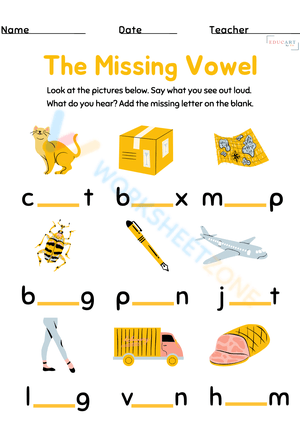
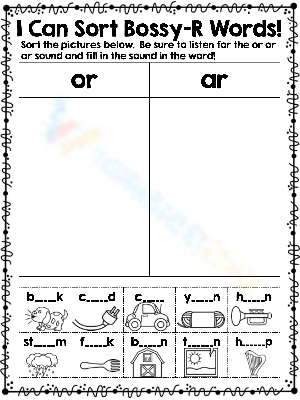
Vowel worksheets work best when they are not a stand-alone activity but part of a sequence that already includes explicit instruction, letter-sound review, and blending practice. For K-2 teachers, that means choosing worksheets that match exactly where a class or small group sits in the phonics scope and sequence, rather than grabbing a generic vowel sheet because it says vowels on it.
Consonant sounds are typically introduced before vowels because consonants tend to be more consistent and predictable, while vowels carry more sound variation depending on the letters around them. Once students have a base of consonant-vowel-consonant blending, vowel-focused worksheets become the tool that sharpens accuracy on the trickiest part of decoding: the vowel in the middle.
Sequencing Vowel Worksheets Across a Phonics Scope and Sequence
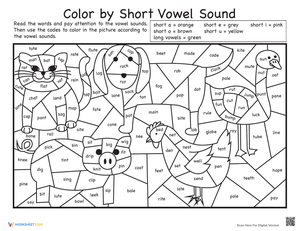
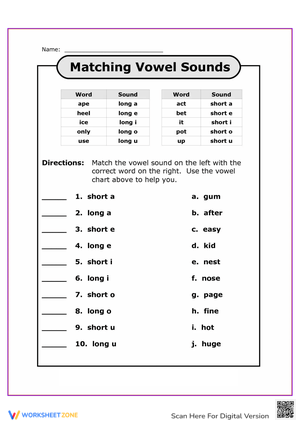
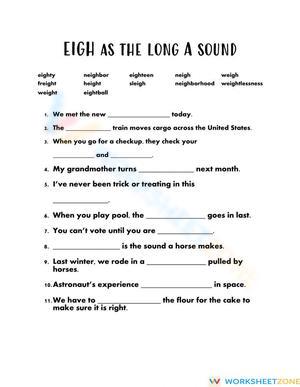
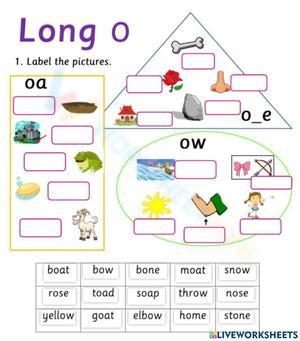
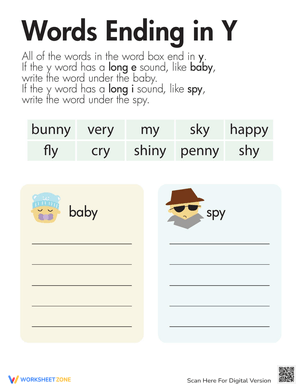
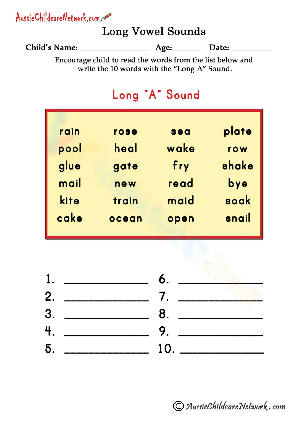
Short vowels, long vowels, and r-controlled vowels are appropriately taught across kindergarten through second grade, not crammed into a single unit. A practical sequence for vowel worksheets looks like this: short vowel identification and CVC decoding in kindergarten and early first grade, long vowel patterns and silent e in first grade, then vowel teams, diphthongs, and r-controlled vowels stretching into second grade. When worksheets are ordered this way, students practice one new vowel pattern at a time instead of guessing among several unfamiliar ones.
This sequencing also protects instructional time. Systematic phonics instruction produces the greatest reading achievement gains when it begins in kindergarten or first grade, so early and well-ordered vowel practice pays off across the rest of the literacy block, not just during the phonics lesson itself.
Short Vowels First: Building the CVC Foundation
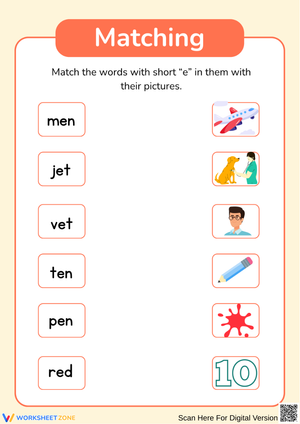
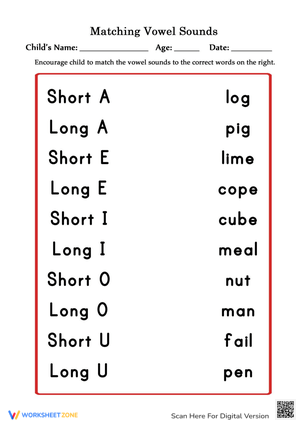
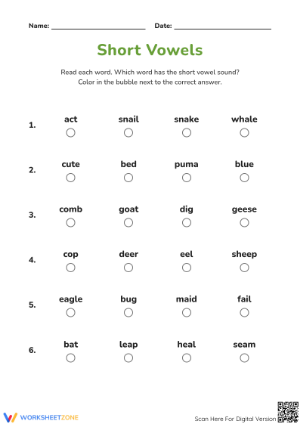
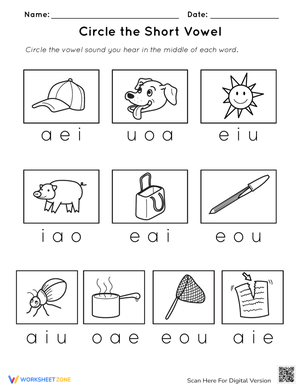
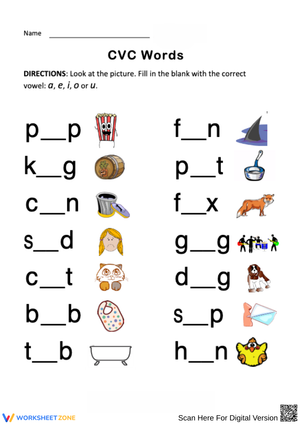
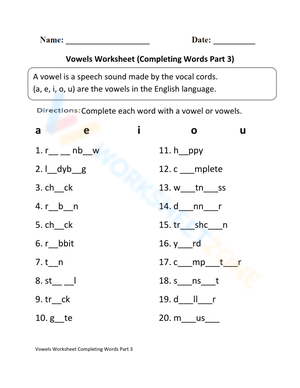
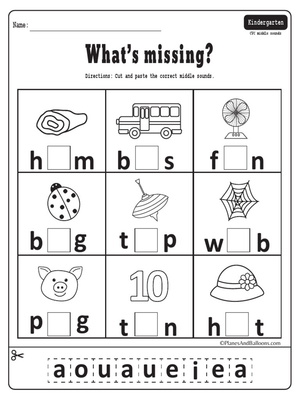
Short vowel worksheets built around CVC words such as cat, pen, and mud give students repeated practice hearing one vowel sound at a time. Confusions between short e and short i, or short a and short u, are common and usually mean a student needs more targeted practice rather than a harder worksheet. Sorting activities, fill-in-the-blank vowel tasks, and picture-to-word matching all work well at this stage because they isolate the vowel sound without adding extra decoding demands.
The National Reading Panel found that phonemic awareness instruction was almost twice as effective when letter sounds were taught alongside the phonemes themselves, which is a strong argument for pairing every short vowel worksheet with a quick letter-sound or letter-tile activity rather than treating the worksheet as an isolated task.
Long Vowels, R-Controlled Vowels, and Vowel Teams
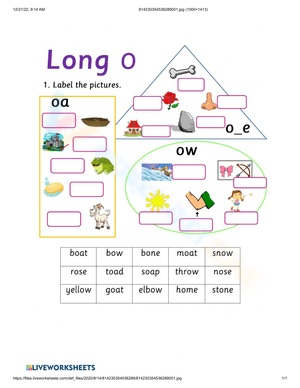
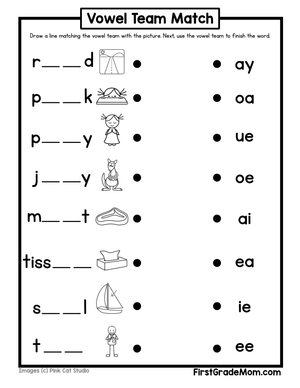
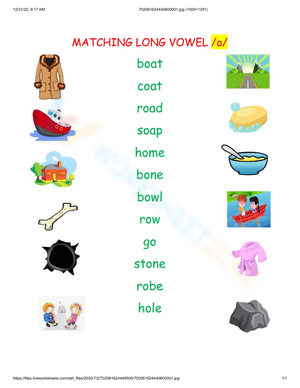
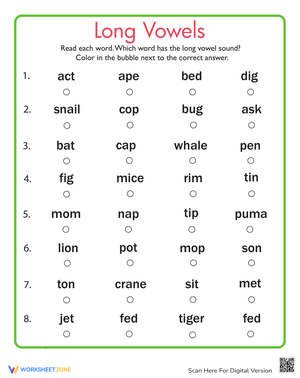
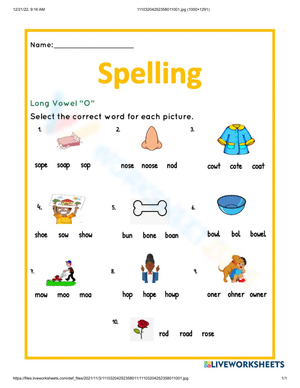
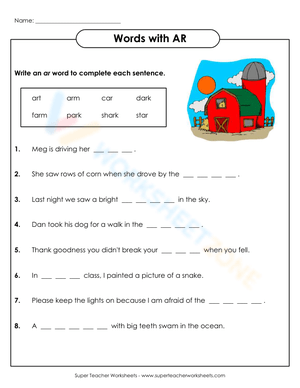
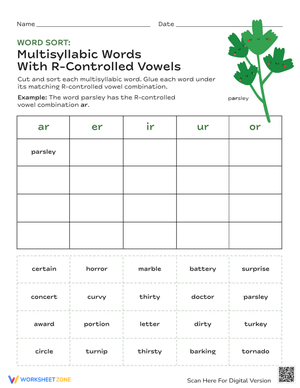
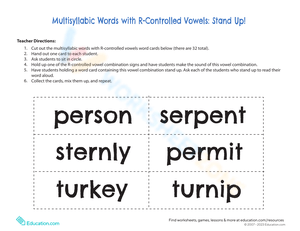
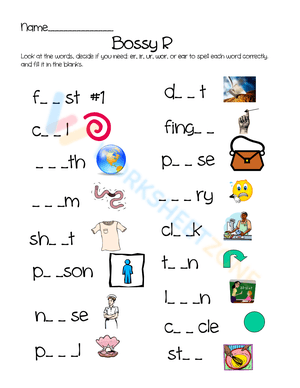
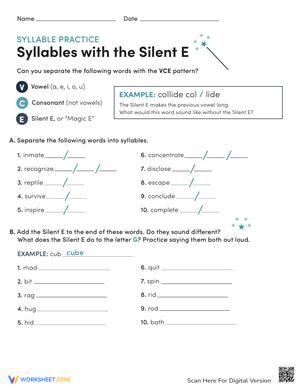
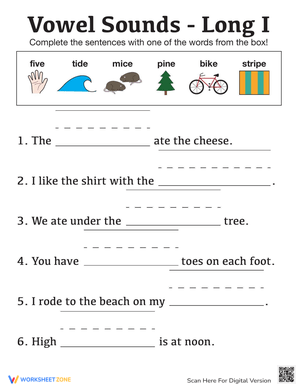
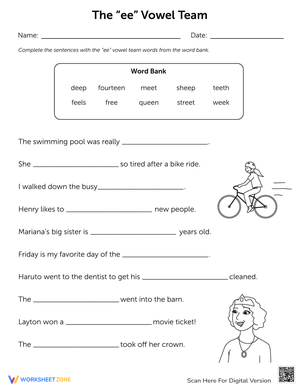
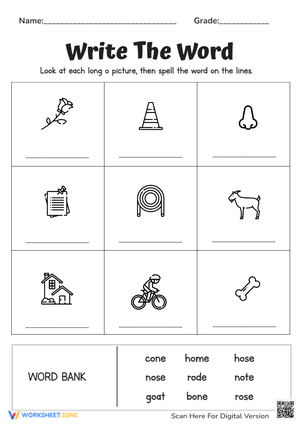
Once students are consistent with short vowels, worksheets can move into silent e patterns (make, ride, note), vowel teams (rain, boat, meet), and r-controlled vowels (car, bird, corn). These patterns carry more spelling variability, so worksheets at this stage benefit from explicit pattern labeling, such as sorting words by vowel team rather than only asking students to circle the vowel. For second-grade classrooms working through vowel teams and diphthongs, worksheets that group words by pattern help students build a mental category system instead of memorizing exceptions one at a time.
Classroom Implementation
To put vowel worksheets to work in a real classroom, start by identifying where each student sits on the short vowel, long vowel, and r-controlled vowel continuum using a quick screener or running record. Group students by vowel pattern need rather than by overall reading level, since a strong reader can still be shaky on r-controlled vowels. Keep each worksheet session short, ideally 10 to 15 minutes, and pair it with a multisensory step such as letter tiles, sound tapping, or writing the word after identifying the vowel sound aloud. Rotate vowel worksheets through literacy centers so every student gets independent practice while the teacher runs a small group. Finally, review worksheet results weekly to decide whether to repeat a pattern or advance the group to the next stage in the sequence.
Frequently Asked Questions
1. What order should teachers introduce vowel sounds in phonics instruction?
Most scope and sequence models introduce short vowels first, since they pair with simple CVC words, followed by long vowel patterns such as silent e, then vowel teams, diphthongs, and r-controlled vowels. This order matches how consonant sounds are introduced before vowels, since consonants are more consistent and give students a stable frame for vowel practice.
2. How can vowel worksheets be used for small-group reading intervention?
Use a quick assessment or running record to find the specific vowel pattern a student struggles with, then use a short, focused worksheet on that single pattern rather than a broad phonics worksheet. Keeping sessions brief and specific matches research showing that focused instructional blocks produce stronger phonemic awareness gains than longer, unfocused ones.
3. What is the difference between short vowel and long vowel worksheets, and when should each be used?
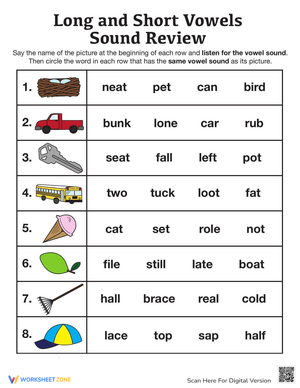
Short vowel worksheets focus on single vowel sounds in CVC words and are appropriate for kindergarten and early first grade. Long vowel worksheets introduce patterns like silent e and vowel teams and are typically used once students are consistent with short vowel decoding, usually later in first grade through second grade.
4. How often should teachers use vowel worksheets in a K-2 literacy block?
Short, daily or near-daily vowel practice tends to work better than infrequent, longer sessions. A 10 to 15 minute worksheet activity fits well within a phonics block or small-group rotation without crowding out other reading instruction.
5. How can teachers tell if a student needs more vowel sound practice?
Repeated errors on the same vowel pattern during oral reading, spelling, or a quick worksheet check are the clearest signal. Using vowel worksheets as short formative checks makes these patterns visible early, before they show up as a bigger gap on a unit assessment.












 Interactive Worksheet Maker
 Quiz Maker
 Word Search Maker
 Crossword Puzzle Maker
 Word Scramble Generator
 Sentence Scramble Generator
 Handwriting Worksheet Generator
 Name Tracing Generator
 Fill In The Blank Generator