Mastering the Fundamentals of Vowel Sounds
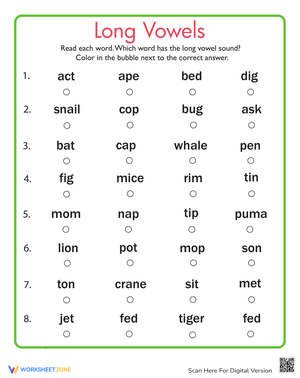
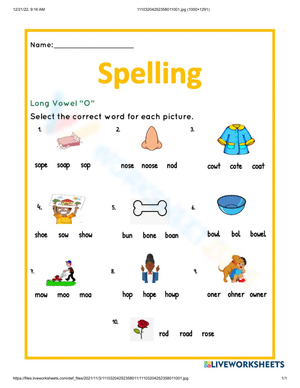
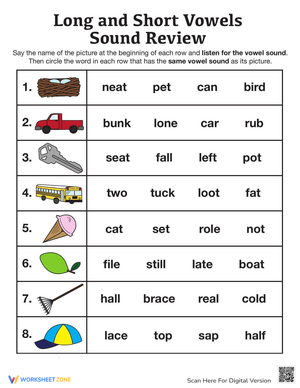
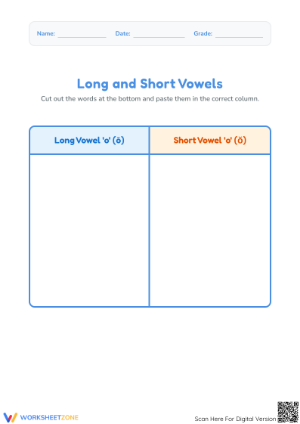
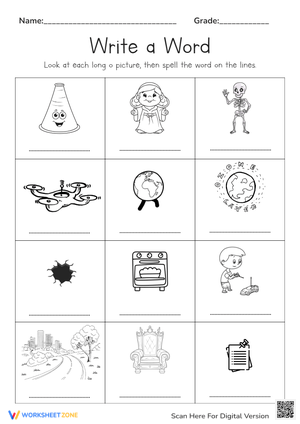
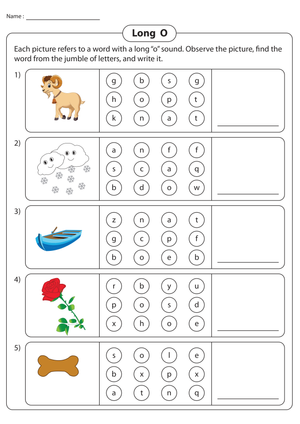
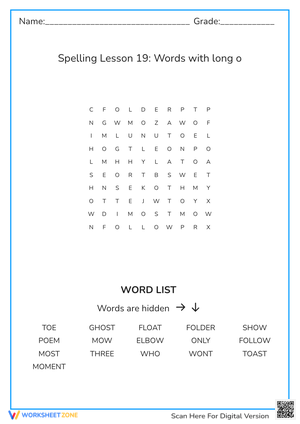
Phonics instruction serves as the bedrock of early literacy, and among the most vital components are vowel sounds. For students in kindergarten through second grade, distinguishing between the various sounds that a single letter can make is a significant milestone. The letter 'o' presents a unique challenge because its two primary phonemes—the short 'o' and the long 'o'—require different articulatory movements and appear in distinct spelling patterns. Utilizing a long o and short o worksheets can provide the structured practice necessary for students to internalize these differences and apply them during independent reading sessions.
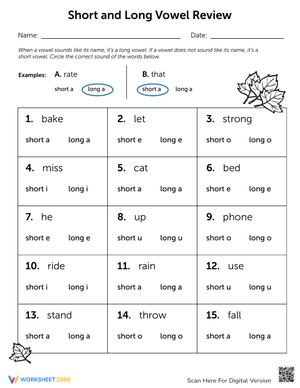
When teachers introduce these concepts, they often start with the auditory aspect of phonemic awareness. Students must first hear the difference before they can be expected to read or write the corresponding graphemes. The short 'o' sound, as heard in words like 'octopus' or 'pot,' is characterized by a dropped jaw and a rounded, open mouth. In contrast, the long 'o' sound, heard in 'open' or 'rope,' literally says the name of the letter, requiring the lips to form a smaller, tighter circle. This physical distinction is a helpful teaching tool for young learners who may struggle with auditory processing alone.
The Short O Sound: Foundations in CVC Patterns
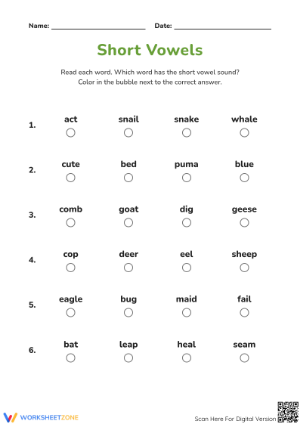
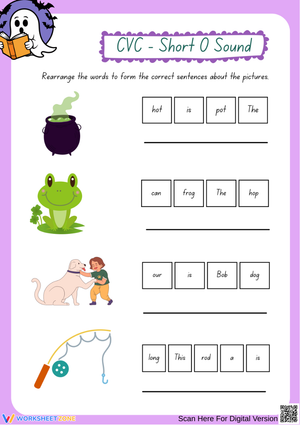
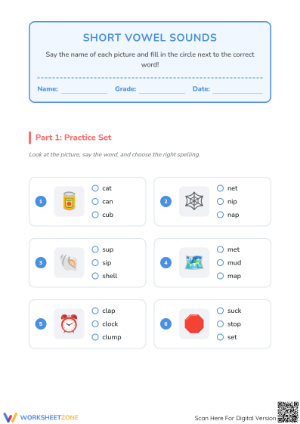
The short 'o' sound is typically the first phoneme associated with the letter 'o' in early literacy curricula. It is most commonly found in Consonant-Vowel-Consonant (CVC) words. These words are the perfect starting point for beginning readers because they follow a predictable, one-to-one correspondence between letters and sounds. When students encounter words like 'dog,' 'hop,' 'mop,' and 'not,' they can easily blend the sounds together to form a recognizable word. This early success builds the confidence needed to tackle more complex phonetic rules later on.
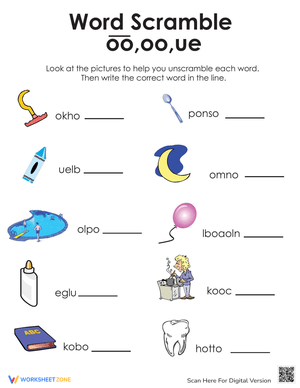
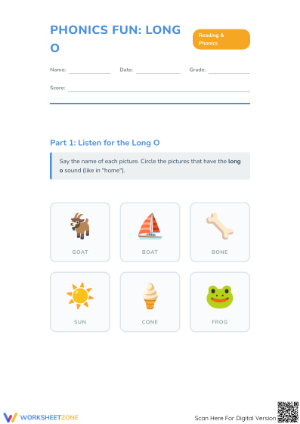
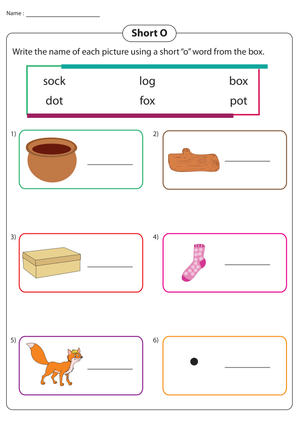
Using targeted worksheets allows students to engage in activities like picture sorts, where they identify images of short 'o' words and categorize them accordingly. For instance, a worksheet might feature a picture of a 'log' and a 'box,' asking the student to circle the short 'o' sound. This visual reinforcement helps bridge the gap between spoken language and written text. Furthermore, writing exercises that require students to fill in the missing 'o' in words like 'f_x' or 'r_t' solidify their understanding of the letter's role in creating that specific 'ah' sound. Mastery at this level is essential before introducing the complexities of long vowels.
Understanding Long O: Vowel Teams and Syllable Types
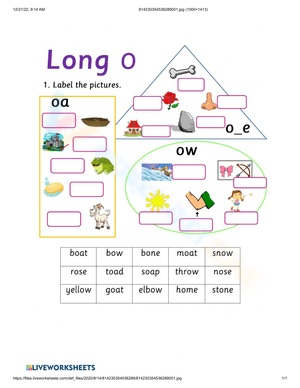
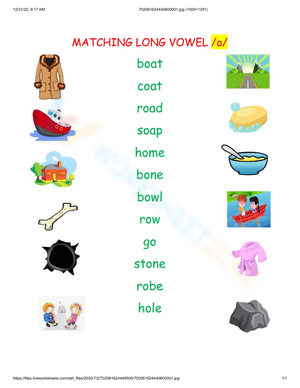
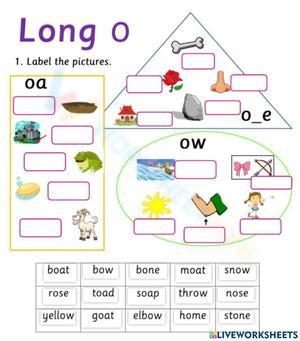
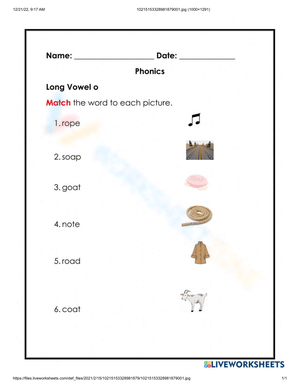
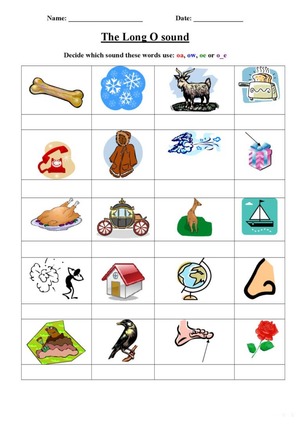
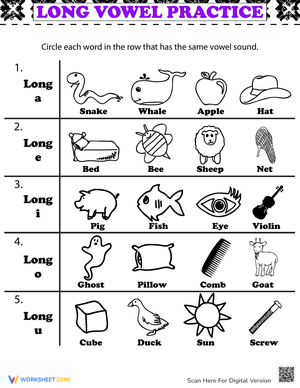
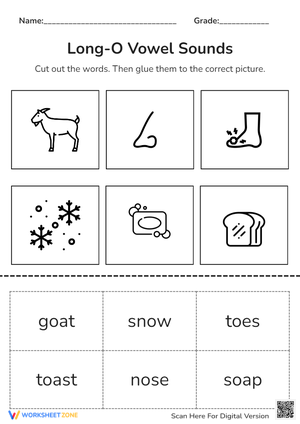
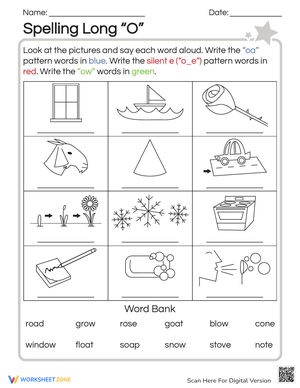
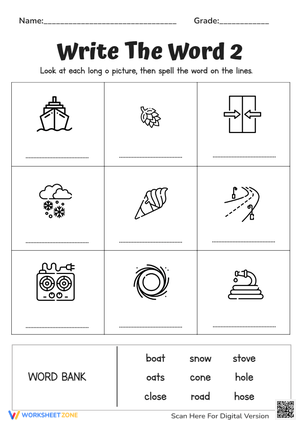
As students progress, the long 'o' sound is introduced, bringing a variety of spelling patterns that can be more difficult to master than the simple CVC structure. The long 'o' sound is versatile and appears in several forms, including vowel teams like 'oa,' 'ow,' and 'oe.' For example, the 'oa' team is frequently found in words like 'boat' and 'coat,' where the two vowels work together to produce the long sound. The 'ow' pattern, seen in 'snow' and 'grow,' is another common way the long 'o' is represented at the end of a syllable or word. These patterns require students to look beyond individual letters and recognize groups of letters as single sounds.
Open syllables also play a significant role in long 'o' instruction. In words like 'go' and 'no,' the syllable ends in the vowel, which typically causes the vowel to say its long name. Teaching students to recognize these patterns through a long o and short o worksheets is essential for developing fluency. By providing exercises that focus on identifying 'oa' in a sentence or sorting 'ow' words by their sound, teachers can help students navigate the complexities of English orthography. Mastery of these teams is a prerequisite for reading multi-syllabic words and more advanced texts.
The Magic E Transformation: A Phonics Pivot Point
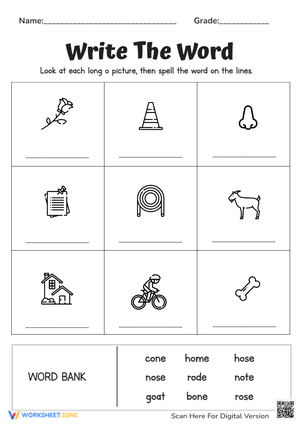
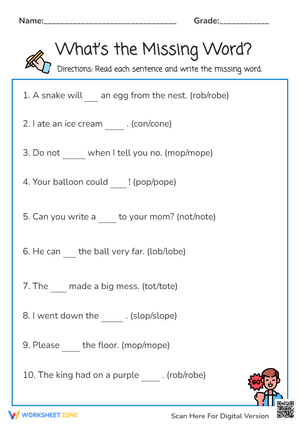
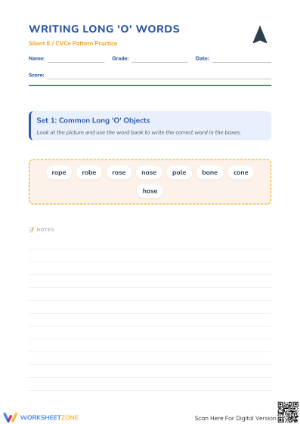
One of the most engaging ways to teach the long 'o' sound is through the 'Silent E' or 'Magic E' rule (the o_e pattern). This rule demonstrates how adding an 'e' to the end of a CVC word can completely change its pronunciation and meaning. For example, changing 'hop' to 'hope' or 'not' to 'note' provides a clear, actionable example of phonics in action. This pivot point in instruction helps students understand that vowels are dynamic and their sounds are often dictated by the letters surrounding them. It transforms the way students approach new words, encouraging them to look for patterns rather than just individual letters.
Worksheets that feature 'Magic E' transformations are highly effective because they offer immediate contrast. Students can see the visual change (adding the 'e') and hear the auditory change (short 'o' becoming long 'o'). Activities such as 'Magic E wands,' where students move a cut-out 'e' to the end of different words, make the lesson interactive and memorable. These exercises not only teach the specific long 'o' sound but also reinforce a broader phonetic principle that applies to other vowels, making it a highly efficient use of instructional time. By mastering the o_e pattern, students gain a powerful tool for decoding hundreds of common English words.
Classroom Implementation and Teacher Tips
Integrating long o and short o worksheets into a daily literacy block requires careful planning to ensure all students are reached. These resources are ideal for small-group intervention sessions where a teacher can provide immediate feedback and correct any misconceptions. For example, during a guided reading group, a teacher might use a sorting worksheet to help struggling readers distinguish between 'cot' and 'coat.' This targeted approach allows for differentiation based on each student's specific needs and current level of phonological awareness.
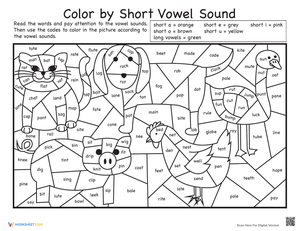
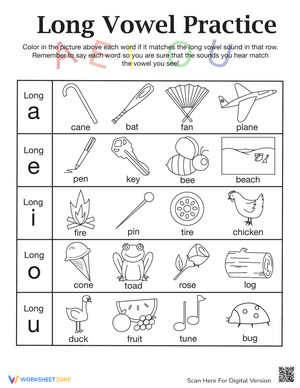
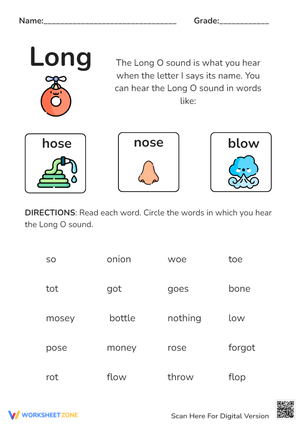
Literacy centers provide another excellent opportunity for students to practice these sounds independently. A well-designed center might include color-by-sound activities, where students color parts of a picture based on whether a word contains a long or short 'o.' Additionally, using these worksheets for formative assessment can help teachers identify which students have mastered the concept and which require further instruction. Quick checks, like asking a student to circle all the long 'o' words in a short paragraph, provide valuable data that can inform future lesson planning. Teachers can also use these tools to communicate progress with parents.
Evidence-Based Phonics Instruction Strategies
Phonics research emphasizes that explicit instruction in vowel teams like 'oa' and 'ow' significantly improves decoding accuracy for young learners. According to insights from Phonics Long and Short Vowel O | Lesson for Kids, identifying long 'o' words faster occurs when students engage in multi-sensory practice that combines visual, auditory, and kinesthetic elements. For instance, some curricula report that students showed a marked increase in reading fluency after consistent use of targeted vowel worksheets compared to general instruction.
Research indicates that the articulation of the long 'o' sound—specifically the rounding of the lips—serves as a critical proprioceptive cue for students with speech-language delays, helping them differentiate it from the more open jaw position of the short 'o' sound. This physical feedback mechanism allows students to 'feel' the sound before they can accurately produce it or recognize it in text. By incorporating speech-to-print activities that emphasize these mouth shapes, teachers can support a wider range of learners, particularly those who may struggle with traditional auditory-only phonics instruction. This approach ensures that phonics instruction is inclusive and accessible.
Frequently Asked Questions
1. How should teachers use these worksheets?
Teachers should use these worksheets as part of a comprehensive literacy program. They are most effective when used for guided practice after an initial lesson, in literacy centers for independent reinforcement, or as formative assessment tools to track student progress. Providing immediate feedback while students complete the worksheets ensures that they do not internalize incorrect patterns.
2. What are the common spelling patterns for long o?
The most common spelling patterns for the long 'o' sound include the vowel teams 'oa' (boat), 'ow' (snow), and 'oe' (toe). Additionally, the 'Magic E' or 'o_e' pattern (rope) and open syllables where 'o' is at the end of a word (go) are essential for students to recognize and master during their phonics journey.
3. How does the Magic E change the o sound?
The 'Magic E' rule states that when an 'e' is added to the end of a Consonant-Vowel-Consonant (CVC) word, it remains silent but 'kicks' the preceding vowel, making it say its long name. In the case of 'o,' it changes a short 'ah' sound, as in 'hop,' into a long 'o' sound, as in 'hope,' effectively transforming the word's pronunciation and meaning.
4. When should students transition to complex vowel teams?
Students should generally transition once they have demonstrated mastery of short vowel CVC words and the basic 'Magic E' pattern. This progression ensures they have a solid foundation before being introduced to more varied ways that long vowel sounds are represented, leading to more sustainable literacy gains.
5. Why is the physical articulation of 'o' sounds important?
The physical articulation provides students with proprioceptive feedback that helps them distinguish between phonemes. Since the short 'o' requires an open jaw and the long 'o' requires rounded lips, students who struggle with auditory processing can use these physical cues to identify and produce sounds accurately.












 Interactive Worksheet Maker
 Quiz Maker
 Word Search Maker
 Crossword Puzzle Maker
 Word Scramble Generator
 Sentence Scramble Generator
 Handwriting Worksheet Generator
 Name Tracing Generator
 Fill In The Blank Generator