The Transition to Long Vowel Decoding
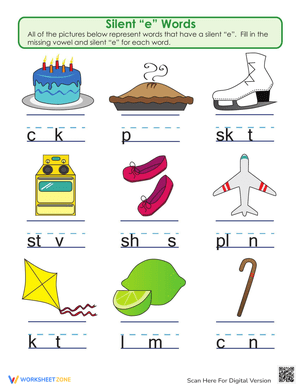
For many students, the shift from decoding simple Consonant-Vowel-Consonant (CVC) words like "mat" or "pin" to recognizing the influence of a trailing "e" is the first time they encounter the idea that a single letter can change the sound of another letter across a word. This conceptual leap is vital for building reading fluency and overall phonetic awareness. When teachers use silent e printable worksheets in their classrooms, they provide students with the repetitive, focused practice needed to internalize this phonics pattern.
The VCe (Vowel-Consonant-E) pattern isn't just a rule to memorize; it is a gateway to thousands of new words that follow this predictable structure. By providing clear visual cues and structured activities, these resources help bridge the gap between basic phonics and more complex reading skills. Mastery of this rule is often the point where reading begins to feel less like a chore and more like a skill they can apply independently across different genres.
The Mechanics of the VCe Pattern and Word Structure
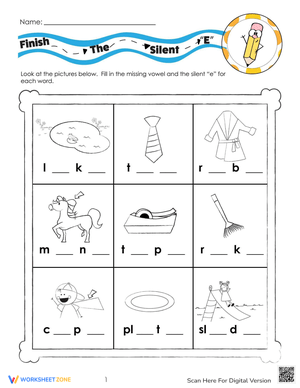
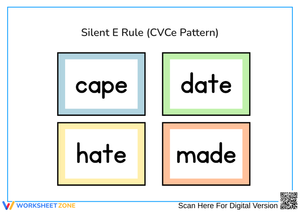
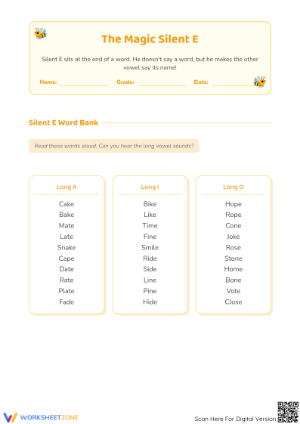
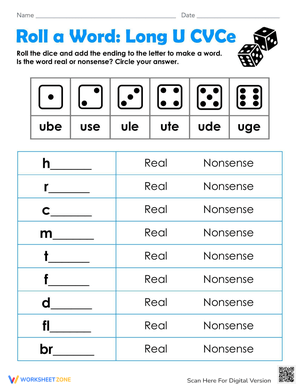
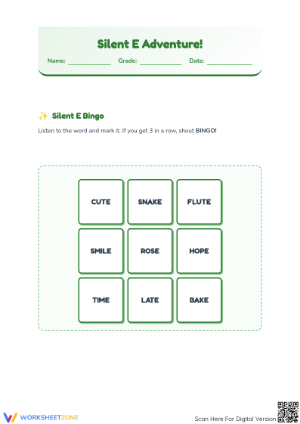
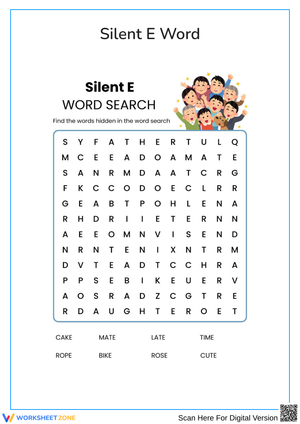
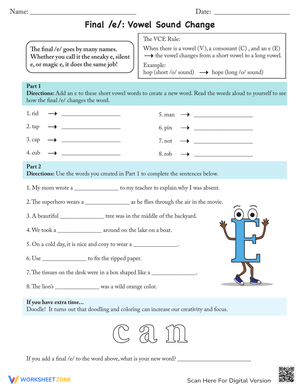
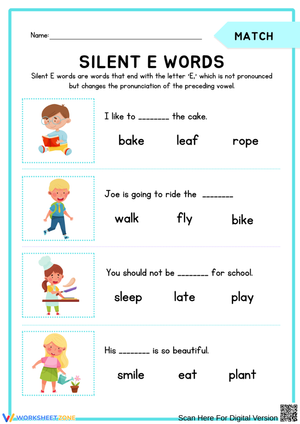
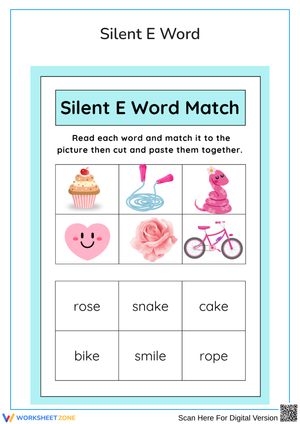
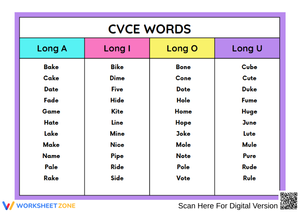
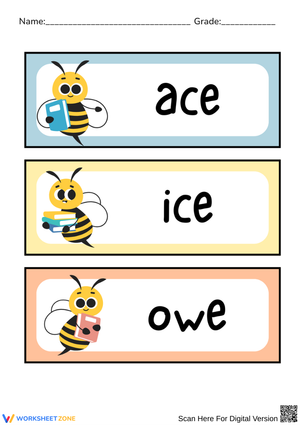
At its core, the silent e rule tells us that when a word ends in a vowel, a consonant, and then an "e," the first vowel usually says its name, while the "e" remains silent. This silent sentry at the end of the word serves as a marker, signaling a change in the phonetic structure of the word. Understanding this mechanic allows students to tackle words like "cake," "hope," and "mute" with confidence. The consistency of this rule in English makes it one of the most productive patterns for young readers to master. Teachers often find that students who grasp this concept early on show faster progress in their overall spelling and decoding abilities. Using printables that highlight the relationship between the two vowels helps solidify this connection in the student's mind. It is helpful to explain to students that the "e" is giving all its strength to the other vowel, which is why it doesn't make a sound of its own. This narrative helps them remember to look ahead before they start sounding out the middle vowel.
Visual Mnemonics for Successful Phonics Instruction
Teaching the silent e often involves creative mnemonics to make the rule stick. Whether you call it the Magic E, the Bossy E, or even the Superhero E, the goal is to give the letter a personality that explains its function. For instance, the Magic E has a magic wand that it waves over the consonant to make the vowel long. The Bossy E tells the vowel to say its name. These narratives are incredibly effective for young learners who thrive on storytelling and visual imagery. When using silent e printable worksheets, teachers can incorporate these themes by having students draw magic wands or capes on the letter "e." This multi-sensory approach ensures that the lesson resonates with different types of learners, from those who need visual aids to those who benefit from kinesthetic activities. By making the rule interactive and character-driven, you reduce the frustration that can come with learning abstract spelling rules.
Word Transformations and Fluency Building Exercises
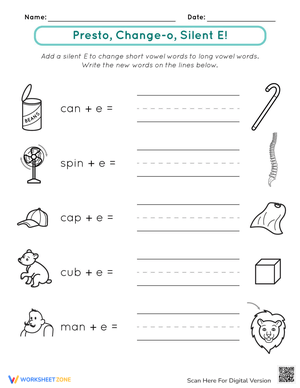
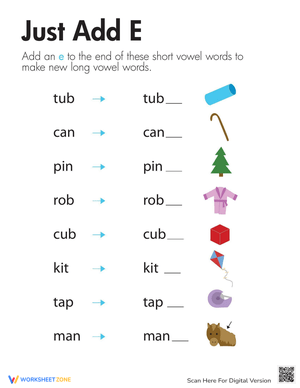
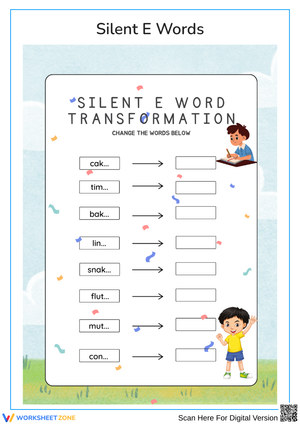
One of the most powerful ways to teach the silent e rule is through word pairs that transform with the addition of the "e." Comparing "cap" and "cape," "bit" and "bite," or "not" and "note" provides immediate feedback on how the rule functions. According to the guide on Teaching the Magic E Rule from Pride Reading Program, students who master the VCe pattern typically see a significant jump in their reading fluency, often mastering over 150 new word combinations within a single instructional unit by focusing on these transformation pairs. By seeing the words side-by-side, students can observe the physical change in the word and hear the corresponding change in the vowel sound. Printables that feature these magic changes are essential for small group interventions where teachers can model the sound change and then have students practice independently. This direct comparison helps eliminate confusion between short and long vowel sounds, which is a common hurdle for struggling readers.
Teacher Tips: Classroom Implementation Strategies
Integrating silent e printable worksheets into a daily literacy block requires a strategic approach to ensure students remain engaged. One effective method is to use these resources during center rotations. While one group works with the teacher on guided reading, another group can use silent e printables to reinforce the week's phonics focus. This allows for differentiated instruction where students can work at their own pace.
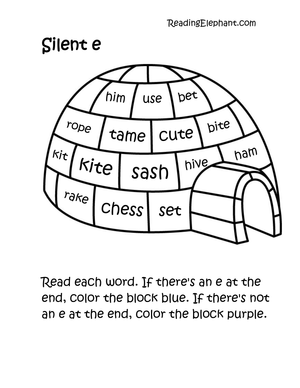
To maximize the impact of these worksheets, teachers should encourage students to mark up the words as they work by drawing a bridge from the "e" to the long vowel or crossing out the silent "e" to show it makes no sound. This active engagement forces students to think about the word's structure rather than just guessing.
Additionally, using these printables as quick formative assessments can help you identify which students are still struggling with the short-to-long vowel transition. If a student consistently misses the VCe pattern in their independent work, it is a clear signal that they need more targeted, multi-sensory intervention before moving on.
Addressing Rule Breakers and Common Exceptions
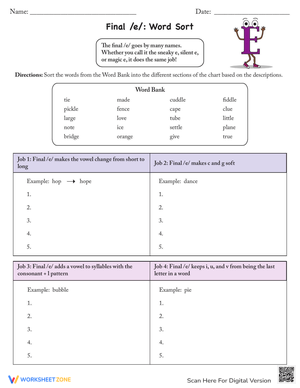
While the silent e rule is remarkably consistent, English is full of exceptions that can trip up students. Common words like "have," "love," "give," and "done" look like they should follow the VCe pattern but actually use short vowel sounds or different phonetic structures. It is important to address these exceptions early so students don't lose confidence in the rule itself. Many teachers call these heart words because they don't follow the normal rules and must be learned by heart.
Using printables that specifically group these exceptions together allows students to study them in isolation, reducing the cognitive load of trying to apply a rule that doesn't fit. Acknowledging that the magic doesn't always work helps students develop a nuanced understanding of English orthography. You can teach these as the rule breakers that the magic e couldn't change, which keeps the narrative consistent while preparing them for the realities of English spelling. Highlighting these words in your worksheets ensures that students aren't blindsided during independent reading.
Building Independent Spelling and Literacy Foundation
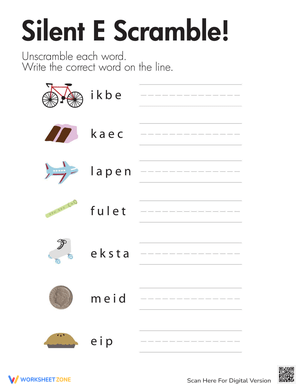
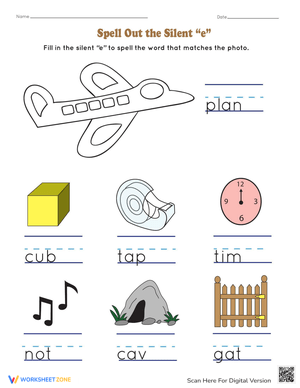
When students begin to write, they often omit the trailing "e," spelling "make" as "mak." Practice with silent e printable worksheets helps transition students from phonetic spelling to conventional spelling. By repeatedly writing these words, students develop a visual memory of the correct spelling. Encouraging students to use these words in sentences further solidifies their learning.
Mastery of the silent e rule also sets the stage for advanced phonics concepts like vowel teams and multisyllabic words. The foundational work done with silent e printable worksheets pays dividends throughout a student's elementary education. By providing a solid base in decoding, teachers empower their students to become independent readers. These resources are essential tools for building the complex architecture of literacy, helping them recognize root words within larger, more complex terms as they progress through higher grade levels.
Frequently Asked Questions
1. What is the most effective way to introduce the silent e rule?
Introducing the rule through visual mnemonics like the Magic E is highly effective. Start with clear word pairs like "can" and "cane" to show the transformation in action. Using silent e printable worksheets that allow students to physically mark the words, such as circling the long vowel and crossing out the silent e, helps reinforce the concept through multiple senses.
2. At what grade level should students typically learn the silent e rule?
The silent e rule is usually introduced in late first grade and reinforced throughout the second grade curriculum. It is a key component of the transition from simple CVC decoding to more fluent reading and spelling. However, it is also a common area for review in third grade for students who may still be developing their spelling accuracy and need targeted intervention.
3. How can I help students who keep forgetting to include the silent e?
Consistent practice with word transformations is the best way to fix this issue. Have students practice writing word pairs where the only difference is the presence of the silent e. Encouraging them to whisper the vowel sound as they write can also help them hear the difference between the short and long sounds. Visual cues on worksheets serve as a helpful reminder.
4. Are there many exceptions to the silent e rule that I need to teach?
There are several common exceptions, such as "have," "give," "live," and "love." These should be taught as sight words or rule breakers so that students understand the general rule still applies to the vast majority of VCe words in English. Grouping these exceptions in specialized activities helps students memorize them efficiently without becoming confused.
5. Can silent e printable worksheets be used for older students?
Yes, they are excellent resources for reading intervention with older students who may have missed this foundational skill. To make the content age-appropriate, you can focus on more complex VCe words and how the rule applies within multisyllabic patterns. This helps older learners catch up on essential decoding skills without feeling like they are doing work intended for much younger children.












 Interactive Worksheet Maker
 Quiz Maker
 Word Search Maker
 Crossword Puzzle Maker
 Word Scramble Generator
 Sentence Scramble Generator
 Handwriting Worksheet Generator
 Name Tracing Generator
 Fill In The Blank Generator