Understanding the Phonemic Difference Between Long A and Short A
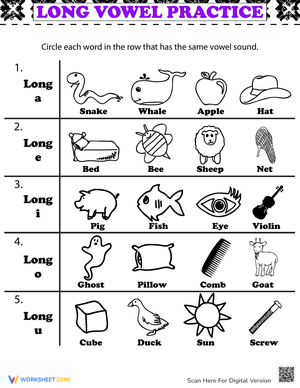
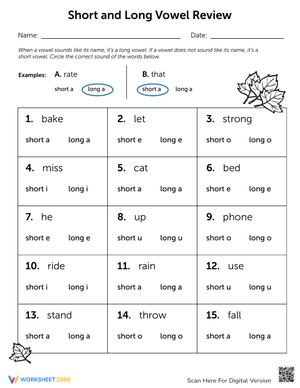
Phonemic awareness is the bedrock of early literacy, and distinguishing between vowel sounds is often one of the first major hurdles for young readers. The short /ă/ sound, typically heard in words like 'apple' or 'cat', requires a wider mouth opening and a flatter tongue position. In contrast, the long /ā/ sound, as found in 'cake' or 'rain', is a diphthong where the mouth moves from a slightly open to a more closed position as the sound is produced. For many students in kindergarten through second grade, hearing this subtle shift is a skill that must be explicitly taught. When teachers introduce these sounds, it is helpful to start with auditory discrimination, using simple formative assessment tools like a 'thumbs up' for long sounds and 'thumbs down' for short sounds. Once the auditory foundation is solid, teachers can transition to visual representation using long a and short a worksheets resources that bridge the gap between sound and symbol, ensuring that students truly understand the phonetic properties of the language.
Identifying CVC and CVCe Patterns in Early Literacy
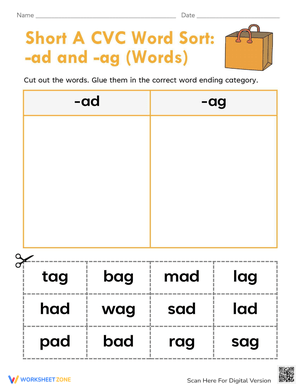
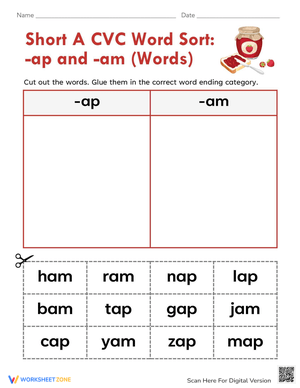
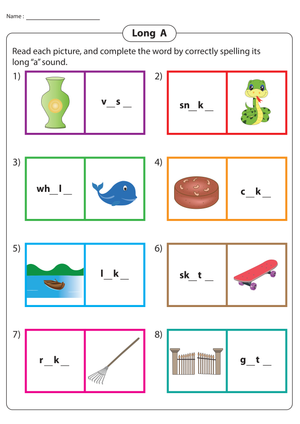
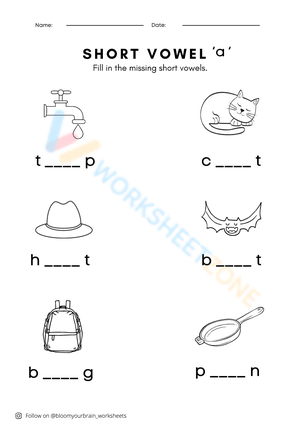
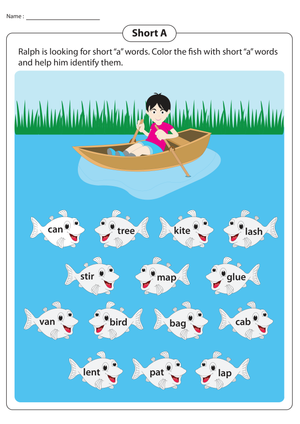
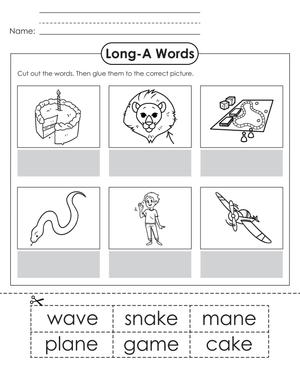
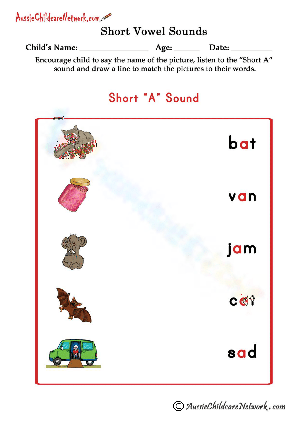
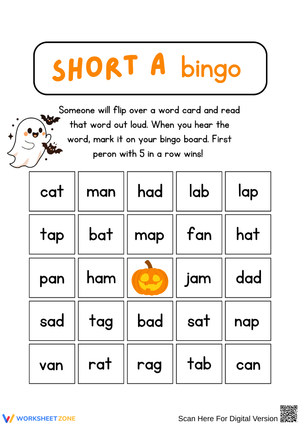
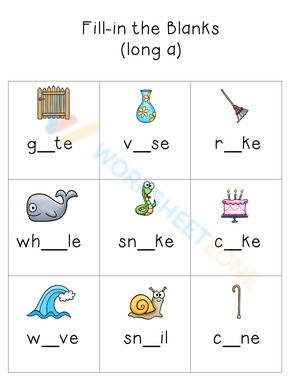
Once students can hear the difference between the two sounds, the focus shifts to the orthographic patterns that represent them. The most common pattern for the short /ă/ sound is the CVC pattern, or Consonant-Vowel-Consonant. In words like 'bat', 'jam', and 'map', the single 'a' is 'closed in' by a final consonant, which traditionally signals a short vowel sound. This is a reliable rule for beginning readers and provides a sense of predictability as they start decoding simple sentences. Long a and short a worksheets materials often emphasize these CVC words as the starting point for phonics mastery, allowing students to build confidence before moving to more complex vowel structures such as the CVCe pattern, often referred to as the 'Magic E'. In this pattern, the final 'e' tells the preceding 'a' to 'say its name'. Words like 'lake', 'game', and 'tape' are perfect examples of this rule in action. Understanding the role of the silent 'e' is a significant milestone in a child's reading development, marking the transition from simple one-to-one letter-sound correspondence to a more sophisticated understanding of how letters interact.
Effective Scaffolding for Vowel Sound Discrimination
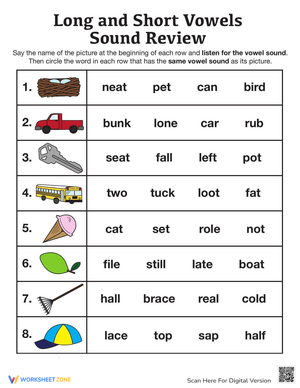
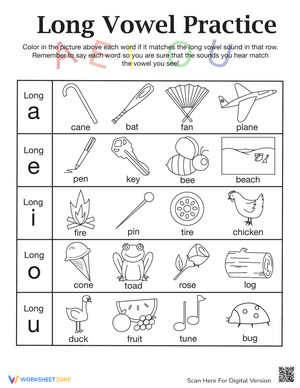
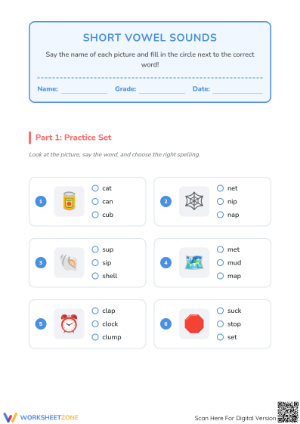
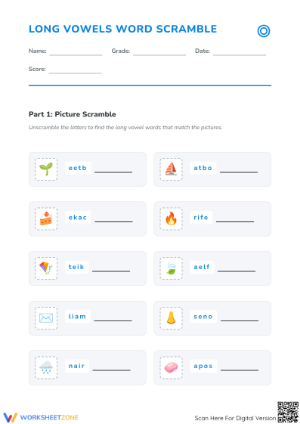
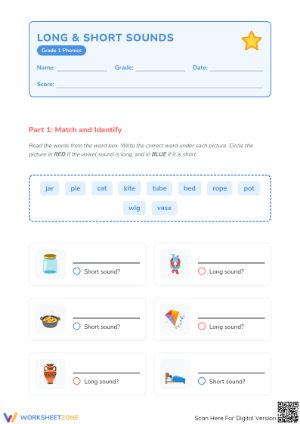
Scaffolding is essential when teaching vowel sounds to ensure that students do not become overwhelmed. A well-designed sequence starts with simple tasks and gradually increases in complexity. For example, a teacher might begin with a picture sort where students group images based on the vowel sound they hear, such as putting a picture of a 'can' in one column and a 'cane' in another. This removes the burden of reading the words and allows the student to focus entirely on phonemic awareness. Long a and short a worksheets packs often include these visual sorting activities to support learners at various stages of development, providing a clear path from oral language to written text. As students progress, these activities transition into word-level discrimination tasks that require more active decoding and cognitive processing, ensuring they can apply their knowledge to increasingly difficult materials.
Practical Long A and Short A worksheets for Classroom Use
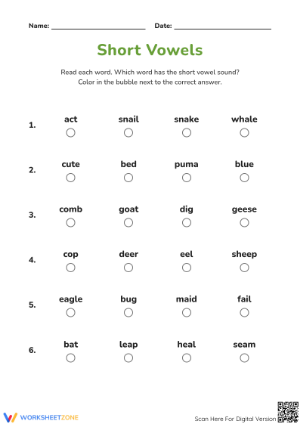
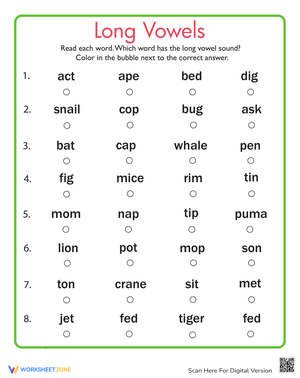
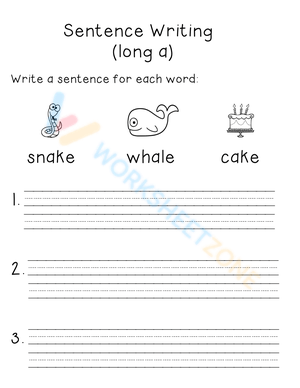
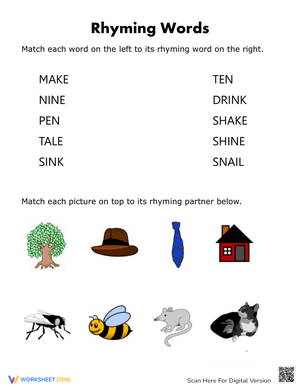
Selecting the right materials for phonics instruction can make a significant difference in student engagement and learning outcomes. High-quality long a and short a worksheets resources should be clear, concise, and focused on specific learning objectives. Teachers look for layouts that are not too cluttered, as excessive visual noise can be distracting for young learners. Features like large fonts, clear illustrations, and ample space for writing are all markers of effective worksheet design that supports the learning process in a busy classroom environment, allowing students to focus on the task at hand without unnecessary distractions.
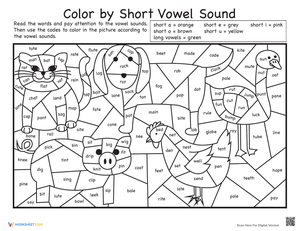
According to the instructional guide from Reading Duck on how to teach vowel sounds, students often require multiple exposures to a specific phoneme before reaching 80% accuracy in independent reading. Their research highlights that explicit instruction on the Magic E pattern significantly reduces decoding errors in first-grade classrooms when used with consistent practice. Having a diverse range of practice materials at hand allows teachers to meet these diverse needs without spending hours creating new materials from scratch. Whether it is a color-by-code activity or a cut-and-paste sorting task, these PDF resources are invaluable for creating center activities or targeted small-group intervention materials that address specific learning gaps.
Teacher Tips for Effective Phonics Instruction
Teaching phonics effectively requires a blend of direct instruction and interactive practice. One of the most successful tips is to incorporate multisensory techniques. For example, having students trace the letter 'a' in sand or shaving cream while saying the short or long sound helps connect the physical movement with the auditory and visual signals. This multi-modal approach is particularly beneficial for students who struggle with traditional tasks. Additionally, using mirrors in the classroom allows students to see their own mouth shape, providing visual feedback that helps them internalize the physical requirements for each sound. Consistency is also vital; phonics instruction should be a daily part of the literacy block to ensure steady progress and long-term retention of these critical foundational skills that form the basis of all future reading success.
Monitoring Progress in Vowel Sound Acquisition
When analyzing student performance data, literacy specialists often observe a plateau where learners can identify short vowel sounds in isolation but struggle when faced with contrasting patterns in the same text. Transitioning from 100% CVC practice to mixed-pattern worksheets helps bridge this cognitive gap by forcing active discrimination rather than relying on context clues or predictable repetitive patterns. This insight allows teachers to intentionally design their instruction to include 'mixed' practice earlier in the learning cycle, rather than waiting until each sound is perfectly mastered in isolation, better mirroring the reality of reading authentic texts.
Individual progress monitoring can be done through one-on-one 'word reading' checks. A teacher might have a list of ten words—five long 'a' and five short 'a'—and ask the student to read them aloud. Recording the types of errors made helps identify specific areas for intervention. These quick checks can be recorded on a simple tracking sheet, allowing the teacher to see growth over time. Using consistent long a and short a worksheets assessments ensures that the data is comparable and that the teacher is making informed decisions about student placement in reading groups or the need for additional support services to ensure every child reaches their potential.
Frequently Asked Questions
1. What is the main difference between long a and short a sounds?
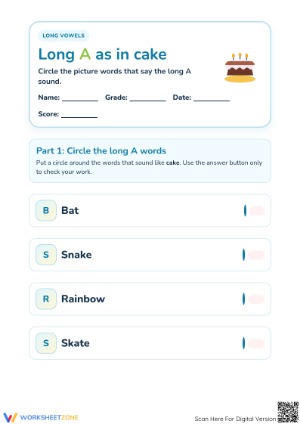
The short 'a' sound /ă/ is the sound heard in words like 'apple', 'bat', and 'cat'. The long 'a' sound /ā/ is the sound heard in 'cake', 'rain', and 'stay'. It is a longer sound where the vowel 'says its name', often involving a slight movement of the jaw as the sound is finished.
2. How can I help a student who keeps confusing the two sounds?
Start with auditory discrimination exercises without any letters involved. Have the student listen to words and identify the sound they hear. Use visual aids like mouth-shape pictures and incorporate multisensory activities such as tracing letters in sand. Once the student can hear the difference, move on to long a and short a worksheets sorting activities.
3. At what grade level are these vowel sounds typically taught?
The short 'a' sound is usually introduced in kindergarten as part of basic CVC word instruction. The long 'a' sound, specifically the CVCe pattern, is typically taught in late kindergarten or early first grade. More complex patterns for long 'a' are generally introduced in late first grade or second grade.
4. Why are worksheets an effective tool for teaching phonics?
Worksheets provide a structured way for students to practice specific phonics rules in isolation and within the context of words and sentences. They offer a tangible way to track progress and can be easily differentiated to meet the needs of different learners. High-quality long a and short a worksheets resources allow for repetitive practice that is essential for building decoding fluency.
5. What are some common long a spelling patterns?
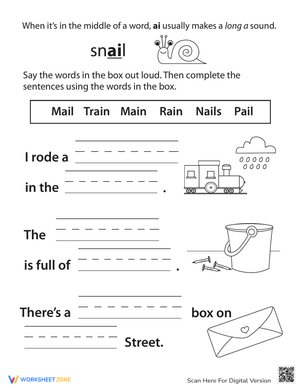
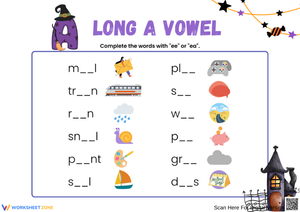
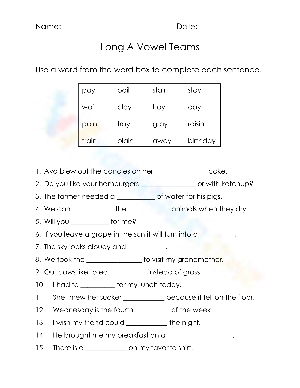
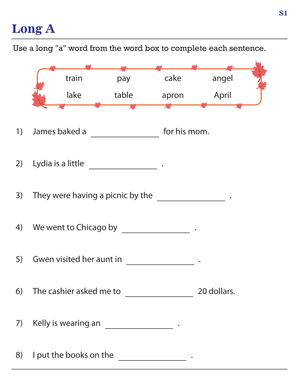
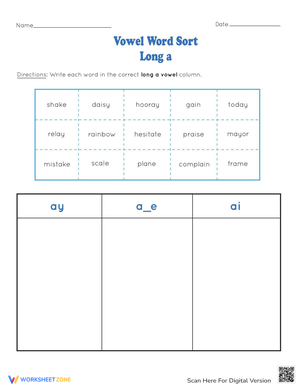
The most common long 'a' pattern for beginning readers is the CVCe pattern. Other frequent patterns include the 'ai' vowel team and the 'ay' vowel team. Occasionally, 'a' can be long at the end of an open syllable. Teaching these patterns systematically helps students become proficient decoders of more complex text as they advance through the grades.
6. Where can I find high-quality long a and short a worksheets files?
Worksheetzone provides a wide selection of teacher-designed phonics resources specifically focused on vowel sound discrimination. These materials are created to be printer-friendly and classroom-ready, covering everything from simple picture sorts to more advanced reading and writing tasks. Using these professional resources saves teachers time and ensures that students are receiving high-quality, standards-aligned instruction.












 Interactive Worksheet Maker
 Quiz Maker
 Word Search Maker
 Crossword Puzzle Maker
 Word Scramble Generator
 Sentence Scramble Generator
 Handwriting Worksheet Generator
 Name Tracing Generator
 Fill In The Blank Generator