Use long and short vowels worksheets to sharpen early decoding
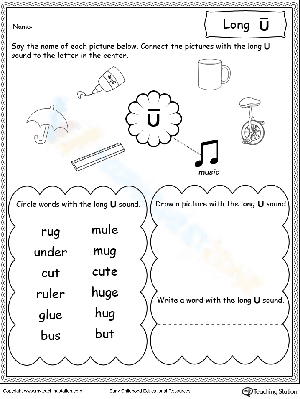
Long and short vowels worksheets give teachers a direct way to strengthen one of the biggest early reading distinctions students need to hear, read, and spell. In kindergarten, first grade, and early second grade, many students can identify letters but still confuse the sound changes between cap and cape, kit and kite, or hop and hope. A focused worksheet set helps you isolate that sound shift without overloading the lesson. On the Worksheetzone long and short vowels page, teachers can pull printable practice for review, intervention, centers, or independent work when a class needs more repetitions with high-frequency vowel patterns.
These pages are especially useful when students have already started reading simple one-syllable words and are ready to compare patterns instead of working on single sounds in isolation. Rather than teaching vowels as a broad concept, the worksheets narrow the work to visible spelling patterns and audible sound differences. That makes the practice easier to assess, easier to reteach, and easier to fit into a short phonics block.
Students need both sound discrimination and pattern recognition
Effective long and short vowel practice does more than ask students to circle pictures. It asks them to connect three things at once: what they hear, what they see in print, and what they can produce in spelling. Short-vowel tasks often begin with CVC words because the pattern is stable and easy to decode. Long-vowel tasks commonly add CVCe words after students can handle basic blending. That contrast matters because it shows students that one small spelling change can shift the vowel sound across an entire word family.
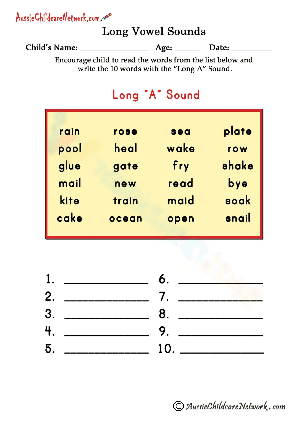
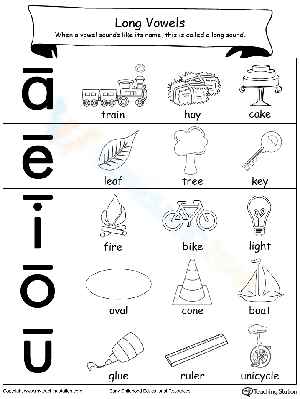
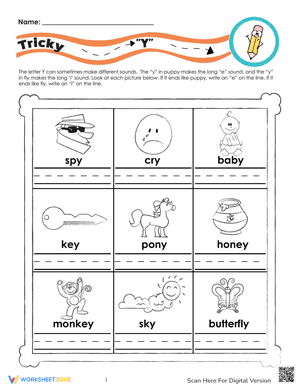
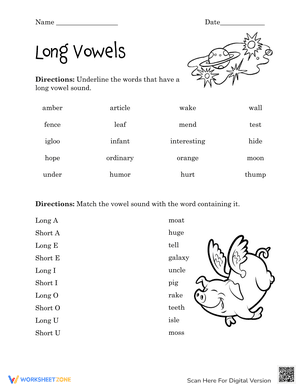
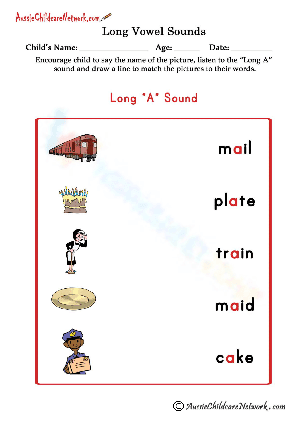
When you choose long and short vowels worksheets, look for pages that move across several response types. Students may sort picture cards, match words to images, read pairs aloud, or write missing vowels. Each task reinforces the same concept in a slightly different way. That repeated comparison is what helps students stop guessing and start reading vowel patterns more accurately.
One practical advantage of mixed long and short vowel work is that it reveals whether an error is auditory, visual, or transfer-based. A student who sorts pictures correctly but misspells CVCe words may hear the contrast but not yet map it to print. A student who reads word lists correctly but miscues in sentences may know the pattern in isolation but need more supported transfer. Worksheets make those distinctions visible quickly during whole-group review or small-group intervention.
Choose worksheet sets by phonics pattern, not by worksheet style alone
Teachers usually get better results when they select pages by the exact pattern students are learning. If the class is still consolidating short vowels, start with tightly controlled CVC words such as cat, bed, pin, hop, and rug. If students can decode those reliably, add long-vowel contrasts with CVCe words such as cake, Pete, kite, hope, and cube. The goal is not to rush through all five vowels at once. The goal is to keep the visual pattern consistent enough that students notice what changes and what stays the same.
That is why long and short vowels worksheets work well in a sequence. You might begin with single-vowel sorts, then move to mixed-vowel review, and finally assign reading-and-spelling pages that require students to apply the pattern without picture support. In intervention groups, that progression helps you pinpoint whether students need more oral comparison, more decoding, or more encoding.
- Use short-vowel pages first when students are still blending basic CVC words.
- Introduce long-vowel CVCe pages once students can read one-syllable words with confidence.
- Mix long and short vowel review only after each pattern has been taught directly.
- Keep examples familiar so the vowel contrast stays at the center of the task.
Sorting and matching tasks give teachers fast formative data
Some worksheet formats are better than others for quick classroom decisions. Sorting pages are strong for checking whether students can discriminate sounds. Matching pages are useful when you want students to connect a printed word to a picture or to another word in the same pattern family. Read-and-mark pages show whether students can decode without as much visual support. Fill-in-the-vowel pages add a spelling demand that often uncovers shallow understanding.
A balanced set includes more than one of these formats because each one tells you something slightly different about student control. If a student can complete a picture sort but cannot read the matching word list, the next lesson should stay anchored in print. If a student reads the words but cannot spell them, dictation and word-building should follow the worksheet. The page itself is not the instruction; it is the evidence you use to adjust instruction.
Worksheetzone gives teachers a clean format for review, centers, and intervention
Printable pages are most effective when the task is obvious and the response load matches the lesson objective. Worksheetzone's long and short vowels collection is useful in that sense because teachers can pull practice that fits a narrow phonics target instead of assigning a broad mixed-skill page. That is helpful in classrooms where one group still needs short-vowel reinforcement while another is ready to compare long-vowel spellings.
Worksheetzone also reflects a common instructional sequence in its short and long vowels materials by organizing practice around early decoding patterns that students can revisit several times. For teachers, that matters because vowel mastery rarely comes from one exposure. Students need repeated passes across reading, sorting, and spelling tasks before the pattern becomes automatic during connected reading.
Classroom Implementation
In whole-group instruction, long and short vowels worksheets work best after a concise teacher model. Read a small set of words aloud, mark the vowel pattern students should notice, then move into the page with that exact contrast. During small group, keep the sheet on the table and ask students to justify each choice orally before writing. That simple talk step often reveals whether a student is depending on guessing, picture clues, or decoding.
For literacy centers, assign only tasks students have already practiced with teacher support. Sorting, cut-and-paste, and picture matching can run independently once routines are established, but read-and-write tasks usually need more accountability. In intervention, shorten the page. Completing six strong items with discussion is more instructionally useful than racing through twenty items with weak attention to the vowel pattern.
- Use one worksheet as a 10-minute spiral review at the start of the phonics block.
- Pull a small set of errors from completed pages to plan the next day's reteach.
- Have students read completed word lists aloud to connect print work back to oral fluency.
- Pair worksheet practice with whiteboard dictation when spelling transfer is the main goal.
Look for evidence of transfer, not just completion
A finished page does not always mean the concept is secure. Teachers should check whether students can explain why a word belongs in a long- or short-vowel group, read the word accurately after sorting it, and use the same pattern in new examples. That is the difference between task completion and transferable phonics knowledge.
One useful move is to treat worksheet responses as the start of assessment, not the end. After students complete a page, ask them to read three of their answers aloud and spell one new word that matches the same pattern. If they can do both, the worksheet has done its job. If not, the page has still provided value because it has shown exactly where instruction needs to tighten.
For teachers building a phonics routine, long and short vowels worksheets are most effective when they stay aligned to a narrow target, appear regularly, and connect directly to next-step teaching. They support decoding, spelling, and word recognition best when students are comparing real patterns they have already been taught, not when they are asked to infer too much at once.
Frequently Asked Questions
1. What is the difference between long and short vowel sounds?
Short vowels usually appear in simple CVC words such as cat or hop, where the vowel says its short sound. Long vowels often appear in patterns such as CVCe, where the vowel says its name, as in cake or hope. Worksheets help students compare those patterns directly.
2. What grade are long and short vowel worksheets best for?
They are most useful in early elementary phonics, especially kindergarten through second grade, when students are learning to decode one-syllable words, compare vowel patterns, and transfer those patterns into spelling.
3. How do worksheets help kids learn vowel sounds?
They give repeated, controlled practice with sorting, matching, reading, and spelling. For teachers, that creates a quick way to see whether students can hear the vowel contrast, read the printed pattern, and apply it without relying on guesswork.
4. What words are usually used in long and short vowel practice?
Many lessons begin with short-vowel CVC words and then add long-vowel CVCe words. Common examples include cap and cape, kit and kite, and hop and hope because those pairs make the spelling change and sound change easy to notice.















 Interactive Worksheet Maker
 Quiz Maker
 Word Search Maker
 Crossword Puzzle Maker
 Word Scramble Generator
 Sentence Scramble Generator
 Handwriting Worksheet Generator
 Name Tracing Generator
 Fill In The Blank Generator