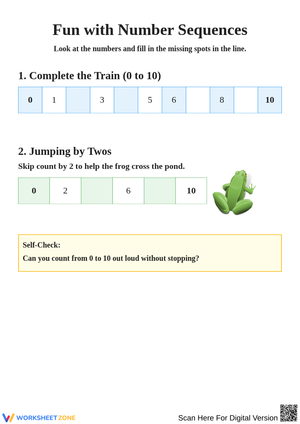
Skip counting by 2 occupies an interesting spot in the standards progression. It is not named directly in a specific grade-level standard the way skip counting by 5s, 10s, and 100s is. CCSS.Math.Content.2.NBT.A.2 explicitly calls out skip-counting by 5s, 10s, and 100s as a Grade 2 expectation, but it does not name skip counting by 2s. That means teachers often introduce 2s counting earlier, as a supporting fluency skill rather than a standalone tested standard, and continue reinforcing it through Grade 2 alongside the named skip-counting sequences.
The kindergarten connection is more direct. CCSS.Math.Content.K.CC.A.2 addresses counting forward from a given number within a known sequence, and skip counting by 2 practice reinforces exactly that kind of sequence work in kindergarten and first grade. When you use skip counting by 2 worksheets with your youngest learners, you are building toward a Grade 2 expectation while meeting a kindergarten standard in the present.
Building Skip Counting by 2 Into Daily Routines
Skip counting by 2 is commonly taught during calendar time and daily routines in K-1 classrooms before it becomes a formal Grade 2 focus. If your morning meeting already includes a counting chant, skip counting by 2 worksheets give you a written follow-up that checks whether students can apply the pattern independently, not just recite it as a group.
A simple weekly structure works well: open with a 2-minute oral skip counting chant during morning meeting, spend one or two mornings a week pointing out the even-number pattern on a hundreds chart, and use a worksheet once or twice weekly as either independent practice or a quick formative check. This keeps the skill fresh without turning every math block into a counting lesson.
Classroom Implementation
Here is a five-step plan for introducing or reinforcing skip counting by 2 with a class or small group.
- Start whole-group with an oral chant or a clapping pattern counting by 2s from zero to 20, then extend to 40 once students are comfortable.
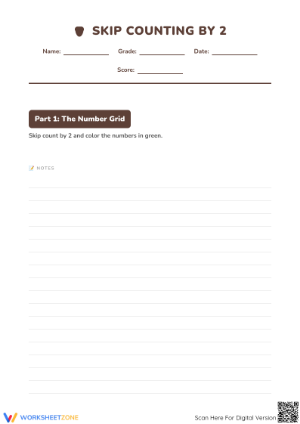
- Move to a hundreds chart and have students highlight or circle every number in the skip counting sequence, so they can see the visual column pattern that even numbers create.
- Practice on an open number line, having students jump by 2s and label each landing point, which builds the same skill they will later use for addition with larger jumps.
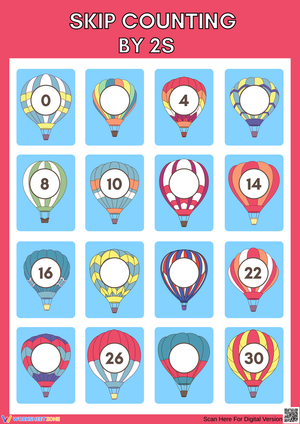
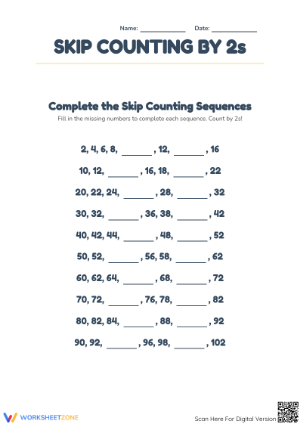
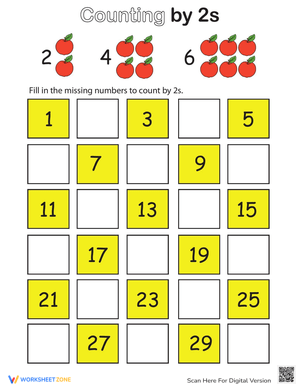
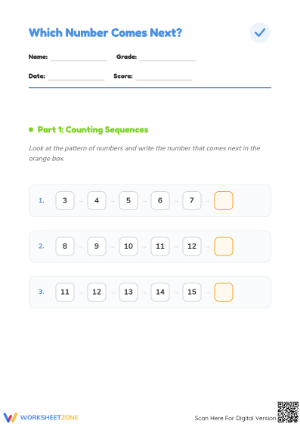
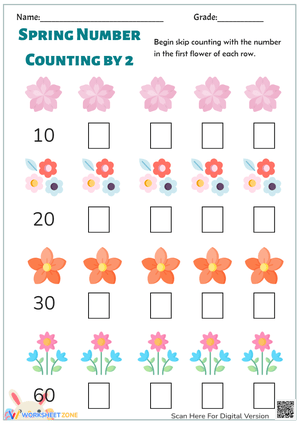
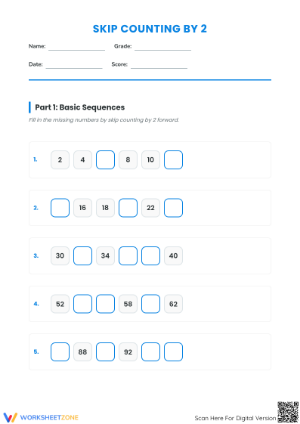
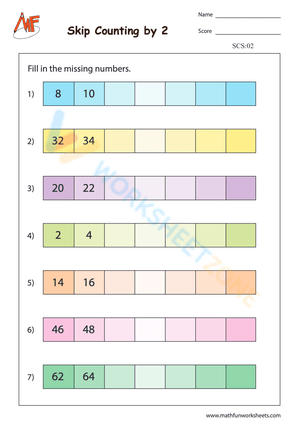
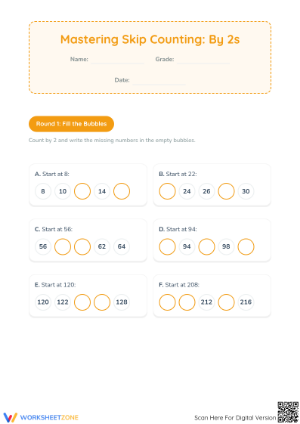
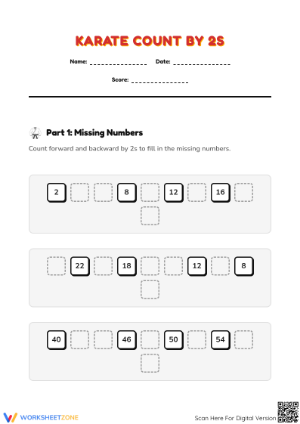
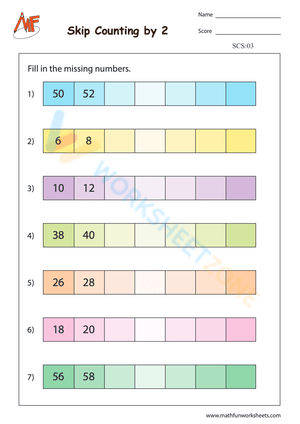
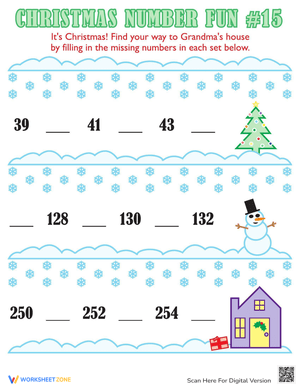
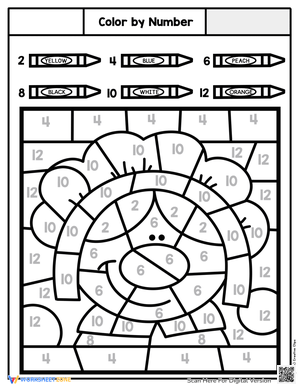
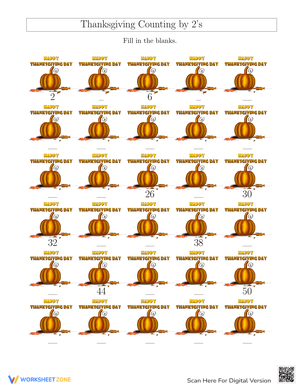
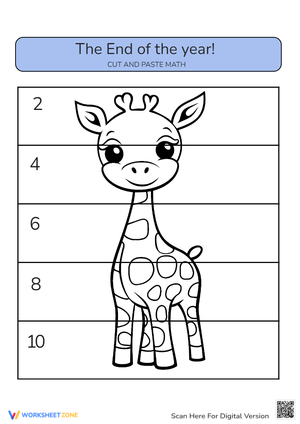
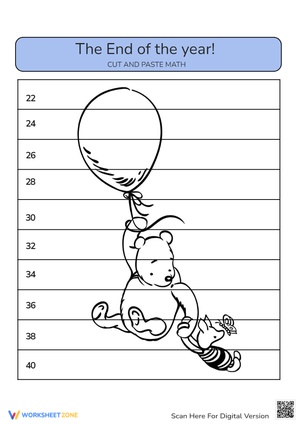
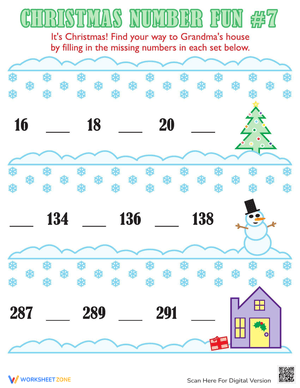
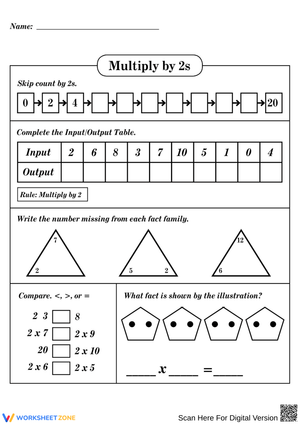
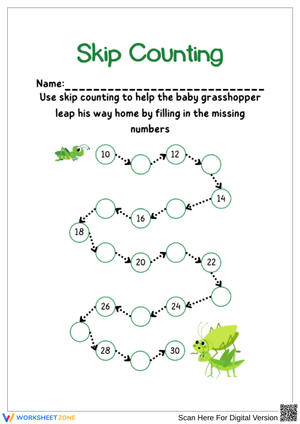
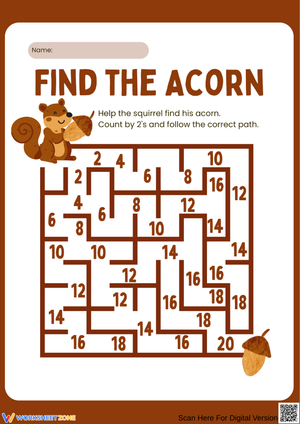
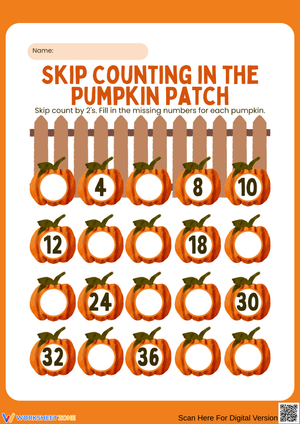
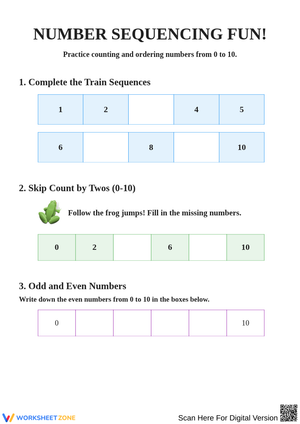
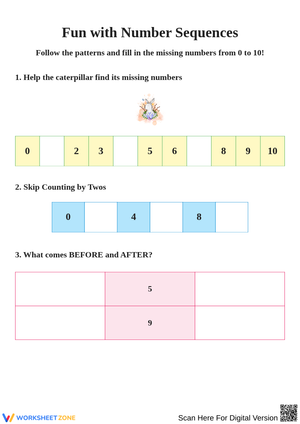
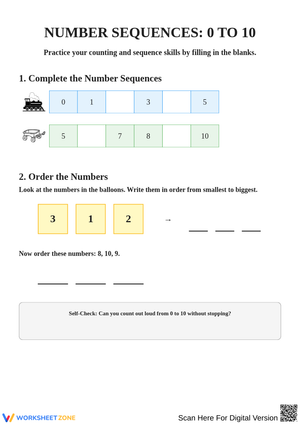
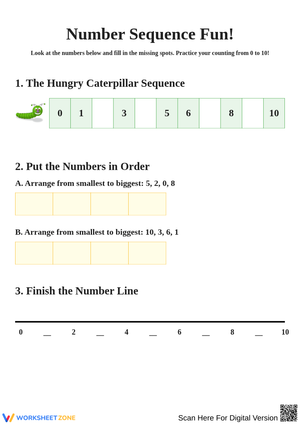
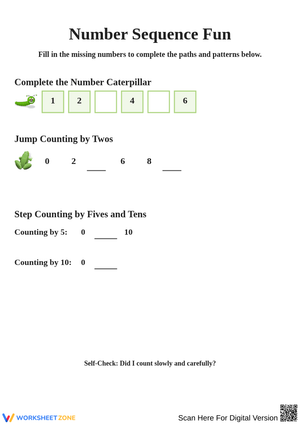
- Assign an independent skip counting by 2 worksheet for students to complete the pattern, fill in missing numbers, or extend a given sequence.
- Close with a quick partner check or choral count so students self-correct before turning in work.
This sequence moves from group support to independent application, which matters most for students who are still building confidence with the pattern.
Frequently Asked Questions
1. Is skip counting by 2 a Common Core standard, or is it a supporting skill?
It is a supporting skill rather than a named standard. CCSS.Math.Content.2.NBT.A.2 names skip-counting by 5s, 10s, and 100s for Grade 2, but does not name 2s specifically. Teachers typically introduce skip counting by 2 earlier, connected to the kindergarten counting sequence standard, and continue it as a fluency support skill through Grade 2.
2. What grade level is best for introducing skip counting by 2 worksheets?
Skip counting by 2 is commonly introduced during kindergarten and first grade daily routines, often through calendar time, before becoming a more formal written practice in Grade 2 alongside the named skip-counting standard.
3. How can teachers use skip counting by 2 practice to prepare students for multiplication?
Skip counting by 2 previews the 2 times table students will encounter in Grade 3. When students can already recite and write the sequence 2, 4, 6, 8, 10, they have a head start recognizing those same products once formal multiplication instruction begins.
4. How often should skip counting by 2 worksheets be used in a weekly math routine?
One to two worksheet sessions per week, paired with brief daily oral practice during morning meeting or calendar time, is generally enough to build and maintain fluency without crowding out other math content.
5. How can skip counting by 2 worksheets be adapted for small-group intervention?
Shorten the counting range, for example zero through 20 instead of zero through 50, and provide a hundreds chart or number line directly on the page as a visual support so students can self-correct while building independence.












 Interactive Worksheet Maker
 Quiz Maker
 Word Search Maker
 Crossword Puzzle Maker
 Word Scramble Generator
 Sentence Scramble Generator
 Handwriting Worksheet Generator
 Name Tracing Generator
 Fill In The Blank Generator