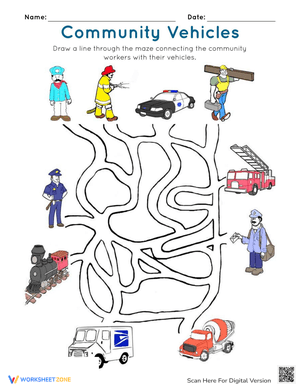
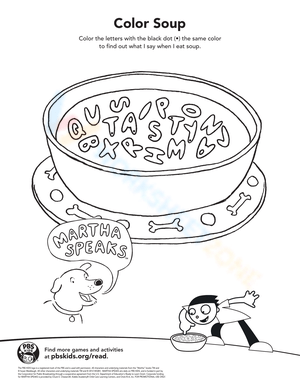
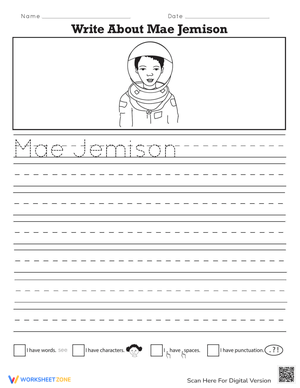
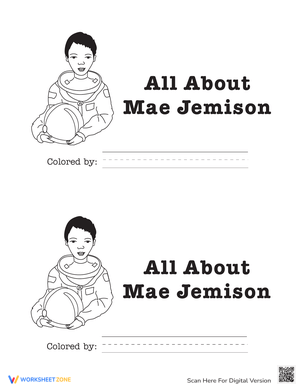
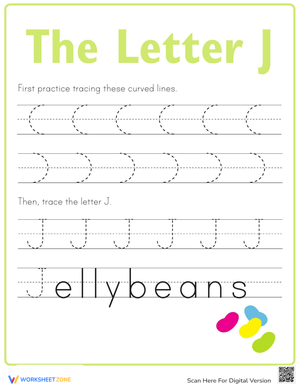
These early literacy pdf worksheets for kindergarten give teachers structured, print-ready practice across the five domains that anchor the first year of reading instruction: phonological awareness, letter-sound correspondence, print concepts, sight word recognition, and beginning fluency habits. The set is built around the kinds of short, focused tasks that work in a busy kindergarten room — activities students can start without a lengthy setup, complete in eight to twelve minutes, and finish with something visible to show for their effort.
What Students Practice Across the Set
Phonological awareness comes first in this set, and deliberately so. Before a child can connect /b/ to the letter B, they need to hear /b/ as a distinct unit — separate from the vowel that follows it, separate from any other consonant in the cluster. Each phonological awareness worksheet asks students to segment or manipulate sounds in spoken words: identifying the odd one out in a trio of rhyming pictures, clapping syllables in animal names, or locating the final sound in a CVC word when the teacher says it aloud. These are auditory tasks wrapped in a visual and tactile format so they work on paper.
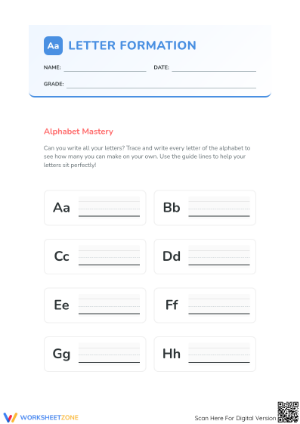
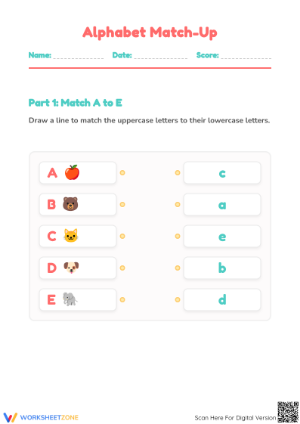
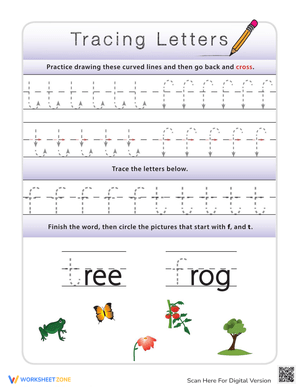
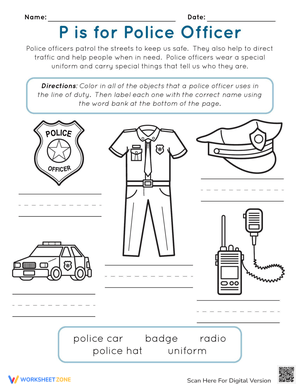
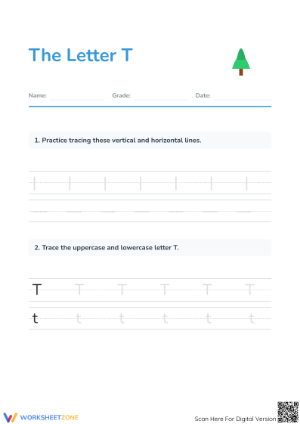
Letter-sound worksheets move from recognition to application. Students trace uppercase and lowercase forms, sort picture cards by initial consonant, and mark whether a given picture matches the target phoneme. One detail worth noting: the illustrations in these worksheets are simple and unambiguous — no "yacht" standing in for /y/, no "eel" doubling as short /e/ when students are still sorting short vowel sounds. Ambiguous pictures are one of the most common design failures in primary literacy materials, and this set avoids them.
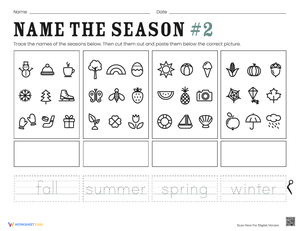
The sight word worksheets address high-frequency words from the first hundred most common words in print: the, was, said, have, they, from, are. Each worksheet cycles through a target word across multiple activity types — trace it, locate it in a sentence, write it independently, then use it in a short dictated phrase. That four-step cycle builds the motor memory and visual retrieval that lets a student read said instantly instead of attempting to sound it out incorrectly every time.
Errors These Worksheets Help You Catch Before They Calcify
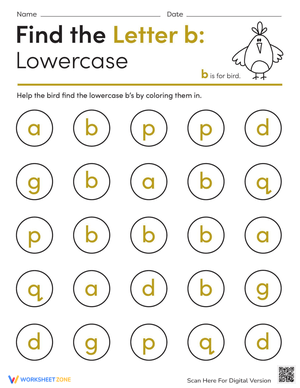
The most predictable error in kindergarten phonics is b/d reversal, and it shows up in two distinct ways. Some students consistently write d when they mean b; others flip between them with no apparent pattern, suggesting the letter identity isn't fully established yet. A sorting worksheet that asks students to circle all the words beginning with /b/ — where d-initial words are also present in the options — reveals this confusion faster than any observation checklist. Watch whether a student who says "ball" aloud still circles "dog." That gap between auditory awareness and visual symbol recognition is the exact gap to target in small group.
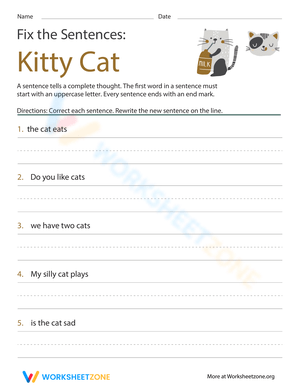
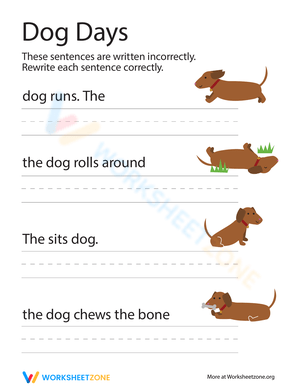
Print concepts produce a subtler but equally important error pattern. Most students learn that text moves left to right, but a significant number continue returning to the wrong line after reaching the end of a sentence — jumping back up to line one rather than dropping down to the next. Worksheets that include two or three lines of simple patterned text with a tracking arrow at the start of each line surface this consistently. The student who tracks line one correctly, then returns to line one a second time, is showing you something specific about what the return sweep looks like in their head.
Sight word errors are worth categorizing rather than just marking wrong. Students who write "thay" for they are applying phonics rules to a word that doesn't follow them — that's actually a sign phonics instruction is taking hold, even if the result is an error. Students who write a completely unrelated word are not retrieving the visual form at all and need more exposure, not more phonics coaching. Tracking which type of error appears across worksheets helps teachers route students to the right kind of support.
Building These Worksheets Into a Realistic Weekly Schedule
These early literacy pdf worksheets for kindergarten fit naturally into three different slots in the day. Morning work is the most common use: several students are always waiting while attendance is taken, coats are hung, and folders go into bins. A phonological awareness worksheet or a letter tracing activity gives arriving students something purposeful to do in those first six minutes before morning meeting starts. Because the formats are predictable, students learn to open to the activity and begin without waiting for a direction — which is the entire point of morning work in kindergarten.
Literacy centers are the second natural home. Print each worksheet and slip it into a heavy-duty dry-erase pocket — students complete the activity with a whiteboard marker, clear it with a sock eraser, and the next group uses the same sheet. This works especially well for sight word practice and beginning sound sorts, where the format is stable and the correct response doesn't change group to group. It also extends the life of printed materials in buildings where the copy budget runs out by March.
The third slot is small group intervention. During a guided reading rotation, a targeted worksheet takes four minutes and gives every student in the group a concrete task while the teacher pulls two students aside to listen to them read. It also creates an artifact — something the teacher can review after the rotation to see who circled the correct initial consonant and who circled the picture of the snake when the target sound was /s/ in "sun," not /sn/.
Standard Alignment
These worksheets address the kindergarten strand of the Common Core State Standards for English Language Arts: RF.K.1 (print concepts), RF.K.2 (phonological awareness), RF.K.3 (phonics and word recognition), and RF.K.3a (one-to-one letter-sound correspondence for consonants). State standards drawn from the National Reading Panel's five pillars — phonemic awareness, phonics, fluency, vocabulary, and comprehension — will find this set covers the first two pillars in direct, assessable tasks. For teachers using CKLA or similar structured literacy curricula, these early literacy pdf worksheets for kindergarten align with the first two units, which address letters and sounds before moving into decodable text.
Adjusting the Worksheets Across Readiness Levels
The readiness range in a typical kindergarten classroom in September is wide — a student who arrived already reading simple books sits next to one who hasn't yet established a consistent pencil grip. Both deserve work that actually fits them.
For students still building letter recognition, the phonological awareness worksheets work orally first: the teacher says the picture names aloud and the student points rather than writes. The paper task becomes the secondary step rather than the primary demand. For students who came in reading, the same sight word worksheets shift to production tasks — the student covers the printed word, writes it from memory, then uncovers and self-checks. That small change converts rote copying into retrieval practice, which is meaningfully harder and more useful for a student already past the recognition stage.
Phonics worksheets in the set also lend themselves to partner work for students in the middle range. One student names the picture, the other decides the initial sound, and they switch roles each item. The discussion that happens during that process produces more durable learning than silent independent completion for students who are ready to articulate their phonics reasoning but aren't yet fluent enough to move toward decodable readers.
Frequently Asked Questions
Are these worksheets appropriate for pre-K students, or only for kindergarten?
The set is built around kindergarten readiness benchmarks, but the phonological awareness and print concept worksheets work well for advanced pre-K students in the spring semester before kindergarten entry. The letter-sound and sight word worksheets assume students already recognize most letters by name, so they're a poor starting point for students who are still at the letter identification stage.
How many worksheets should a student complete per week?
These early literacy pdf worksheets for kindergarten work best as short, targeted practice rather than high-volume drill. Two to three per week is a sustainable pace for independent or homework use — more than that risks repetition fatigue for students already receiving phonics instruction during the school day, and it can overwhelm families who aren't familiar with the activity formats.
Can these worksheets function as formative assessments?
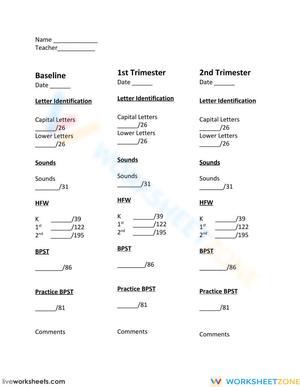
Yes, and they're well-suited to it. Each worksheet produces visible, individualized evidence of what a student can do independently — which sounds they confuse, which sight words they retrieve incorrectly, and whether tracking errors appear in sentence work. That evidence is more useful than a weekly quiz because it shows error patterns across multiple attempts made during ordinary practice, not a single testing moment when student behavior is different.
Do these resources work within structured literacy approaches?
They do. Structured literacy programs — including Orton-Gillingham-based approaches and LETRS-informed instruction — rely on explicit, sequential phonics practice and multisensory reinforcement. These worksheets provide the explicit practice component; teachers add the multisensory layer by having students say sounds aloud, tap phonemes on their fingers, or trace letters in a sand tray while working through each worksheet.












 Interactive Worksheet Maker
 Quiz Maker
 Word Search Maker
 Crossword Puzzle Maker
 Word Scramble Generator
 Sentence Scramble Generator
 Handwriting Worksheet Generator
 Name Tracing Generator
 Fill In The Blank Generator